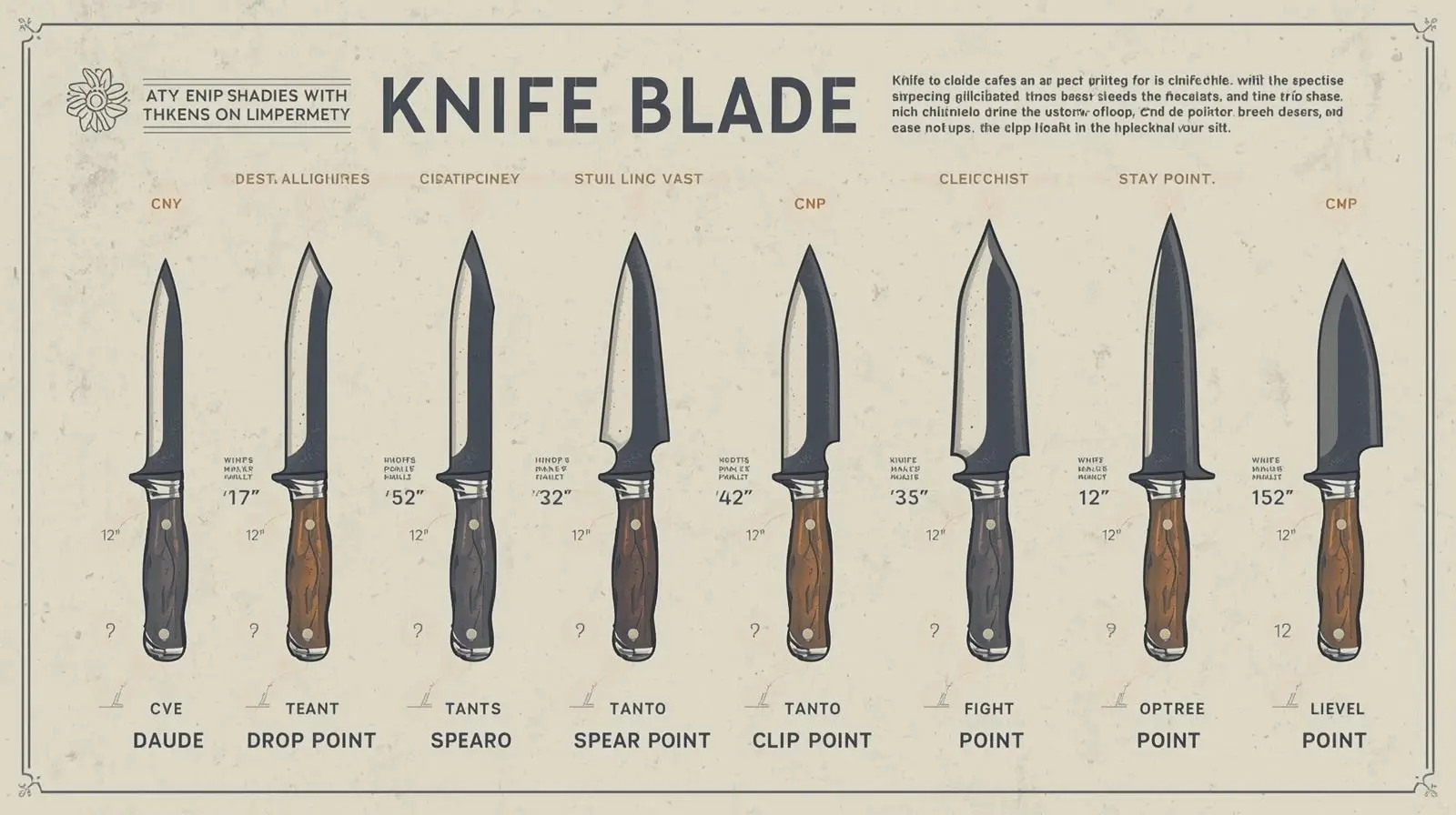
Different knife blade shapes explained in simple terms: tip, belly, and spine guide every cut.
If you want clean cuts and less effort, learn the blade’s shape. I’ve spent years using knives in busy kitchens and on the trail. This guide gives Different knife blade shapes explained with real examples, clear tips, and zero fluff. By the end, you will know what to buy, why it works, and how to use it well.
How blade shape affects performance
Different knife blade shapes explained comes down to how the edge meets the food or material. Shape controls tip control, slice length, rocking motion, and power cuts. It also changes safety and fatigue.
Key effects of shape:
- The tip: fine work, piercing, and detail cuts.
- The belly: rocking, slicing, and draw cuts.
- The spine and thickness: stability, strength, and comfort.
- The heel: heavy cuts and tall work like chopping.
Think of a blade like a road map. The curve steers your hand. A small change in the curve changes the job it can do.

Source: nobliecustomknives.com
The core anatomy that drives shape
Different knife blade shapes explained starts with a few parts most people miss. Learn these and every knife makes sense.
Main parts:
- Spine: the top edge. It adds strength and comfort for your guiding hand.
- Edge: the sharpened side. Its curve and grind set cut feel.
- Belly: the curved edge near the tip. Good for rocking and smooth slices.
- Tip: the point. It gives reach and precision.
- Heel: the back of the edge. It powers through dense stuff.
- Choil: the notch by the heel. It helps with finger grip and sharpening starts.
- Tang: the part inside the handle. It changes balance and strength.
Once you name the parts, you can judge any new knife in seconds.
Source: nobliecustomknives.com
Common blade shapes and best uses
Below are the shapes you will see most. I list what they do best, what to watch out for, and who should use them. This is Different knife blade shapes explained in the real world.
Chef’s knife or Western gyuto
- What it is: A gentle curve from heel to tip with a tall blade.
- Best for: Rock chopping herbs, slicing veg, and all-purpose prep.
- Watch out for: Point-down stabs. Use a claw grip to keep fingers safe.
Santoku
- What it is: Flatter edge, shorter tip, sheep’s foot style nose.
- Best for: Push cuts, straight chops, and thin slices.
- Watch out for: Not ideal for deep rocking cuts.
Nakiri
- What it is: Tall, flat edge. No strong tip.
- Best for: Veg work, shaving thin slices, and straight chops.
- Watch out for: Avoid twisting in hard foods to protect the edge.
Chinese cleaver or vegetable cleaver
- What it is: Tall rectangle, thin for food, not for bones.
- Best for: Paper-thin slices, scooping, and fast prep.
- Watch out for: Do not hit bone unless it is a heavy bone cleaver.
Paring knife, spear point
- What it is: Short, simple curve, centered tip.
- Best for: Peeling, trimming, and in-hand work.
- Watch out for: Short blade means more strokes; go slow near fingers.
Utility knife
- What it is: Mid-size, narrow blade with a subtle curve.
- Best for: Sandwich prep, small fruit, and light meat work.
- Watch out for: Not great for big jobs or heavy cuts.
Boning knife, flexible or stiff
- What it is: Narrow blade, either flexible or firm.
- Best for: Following bones, trimming fat, and filets.
- Watch out for: Flex can snag if you rush; keep strokes smooth.
Fillet knife
- What it is: Long, thin, flexible blade.
- Best for: Fish, skin removal, and delicate proteins.
- Watch out for: Use light pressure to avoid tearing flesh.
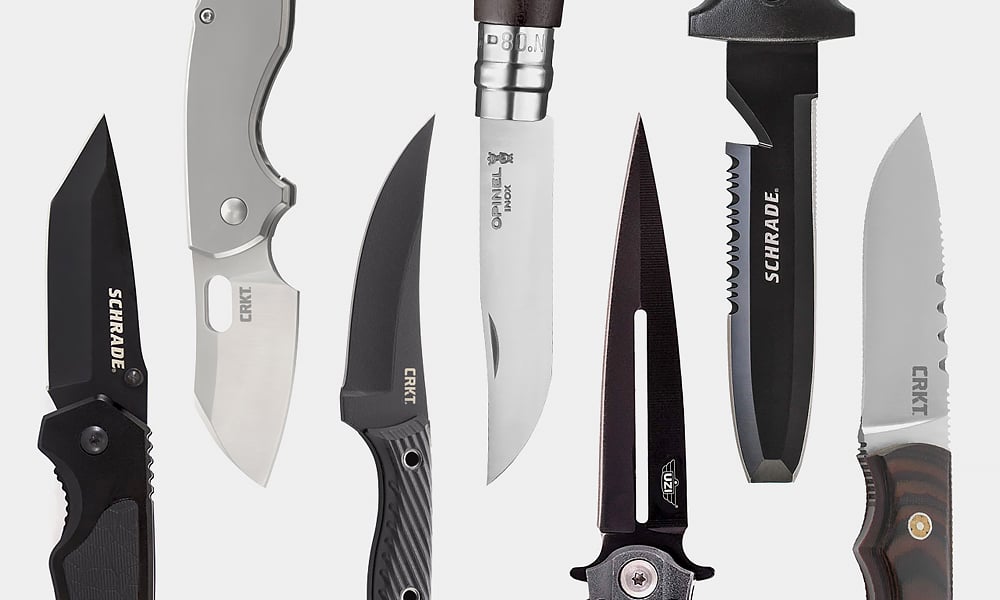
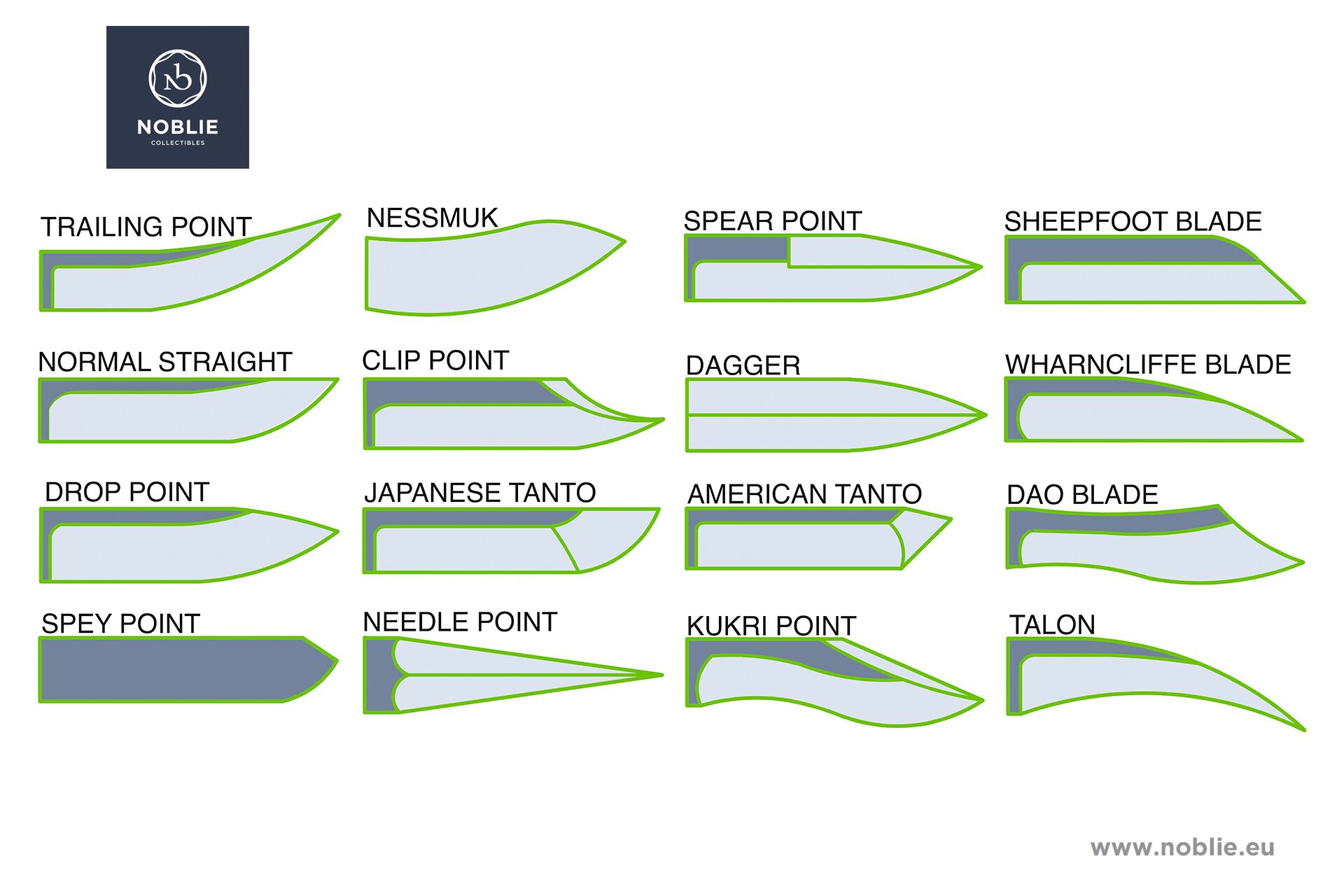
Clip point (Bowie style)
- What it is: Spine dips to a sharp, exposed tip.
- Best for: Detailed tip work, piercing, and outdoor use.
- Watch out for: Tip is fragile if twisted in hard material.
Drop point
- What it is: Spine slopes to the tip in a soft curve.
- Best for: All-around outdoor, EDC, and control.
- Watch out for: Less needle-like than a clip point.
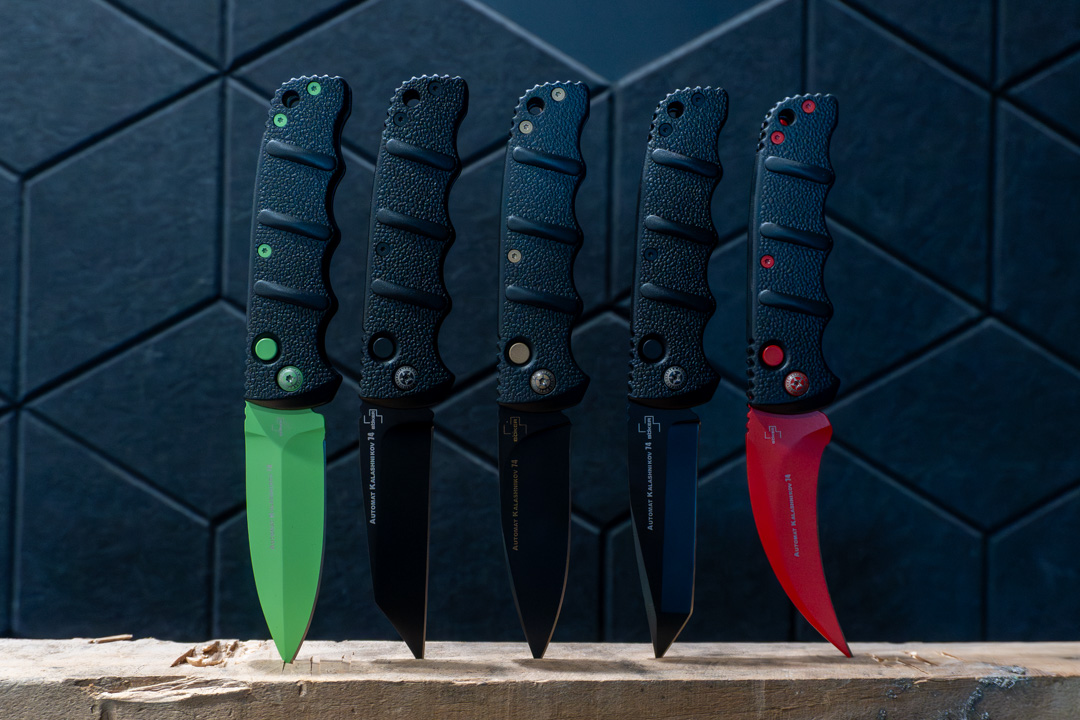
Tanto
- What it is: Two straight edges, strong secondary tip.
- Best for: Piercing tough material and precise tip cuts.
- Watch out for: Not ideal for smooth food slicing due to angular belly.
Wharncliffe
- What it is: Straight edge with a spine that drops to the tip.
- Best for: Controlled push cuts, boxes, and craft work.
- Watch out for: Little belly, so rocking cuts feel awkward.
Sheepsfoot
- What it is: Straight edge, rounded spine tip. Safer point.
- Best for: Kitchen push cuts and emergency tools.
- Watch out for: Not good for piercing.
Trailing point
- What it is: Tip sweeps up higher than the spine.
- Best for: Long, clean slices, skinning, and fish.
- Watch out for: Tip can be delicate; store with care.
Spear point or dagger style
- What it is: Symmetrical tip, often double-edged outdoors.
- Best for: Balanced tip control and piercing.
- Watch out for: Kitchen use is limited; watch local laws for double edges.
Different knife blade shapes explained this way helps match tasks to tools. When in doubt, pick the shape that matches your most common cut.

Source: youtube.com
How to choose the right blade for your tasks
Use Different knife blade shapes explained to build your set with intent. Start with the cuts you make most, then pick the shape that makes those cuts easy.
Quick picks by job:
- Everyday home cooking: Chef’s knife or santoku, plus a paring knife.
- Veg heavy diets: Nakiri or vegetable cleaver.
- Meat focus: Boning knife, fillet for fish, and a chef’s knife.
- Outdoor and EDC: Drop point or Wharncliffe for control and safety.
- Precision craft: Wharncliffe or tanto for straight, clean cuts.
Fit matters:
- Hand size: Try pinch grip. Your knuckles should clear the board.
- Balance: The knife should not dive tip-first or feel handle-heavy.
- Length: 8 inches for chef’s knives is a sweet spot for most people.

Source: gearpatrol.com
Edge grinds, thickness, and steel: the shape’s partners
Shape is step one. The grind, thickness, and steel make that shape sing. This is Different knife blade shapes explained with context.
Key grind types:
- Flat grind: Good all-round cut and easy to sharpen.
- Hollow grind: Very sharp feel but can be fragile at the edge.
- Convex grind: Strong and smooth through dense food.
What to check:
- Thickness behind the edge: Thin cuts easier. Thick is tougher but can wedge.
- Steel: Harder steel stays sharp longer but chips easier. Softer steel dulls faster but is tougher.
- Finish: A satin or hammered finish can reduce stick on wet foods.
Source: bladehq.com
Care, safety, and sharpening by shape
Your blade shape shifts how you sharpen, store, and use it. Keep Different knife blade shapes explained in your routine, not just in the store.
Tips:
- Sharpen angle: Follow maker advice. Most kitchen knives like 12–20 degrees per side.
- Keep it straight: Use a honing rod for touch-ups between full sharpens.
- Boards: Use wood or soft plastic. Glass and stone kill edges.
- Storage: Guard tips, especially clip points and trailing points.
- Safety: Use a claw grip. The shape only helps if your fingers are tucked.
Mistakes I see:
- Over-sharpening the tip and flattening the belly.
- Using a thin cleaver on bone.
- Twisting the blade in cuts, which chips edges and tips.

Source: reddit.com
Real-world scenarios and my field notes
I have tested knives in restaurant lines and on hikes. The same rules keep showing up. This is Different knife blade shapes explained with hands-on notes.
What I learned:
- Chef’s knife wins for 80 percent of home cooking. If you learn one, learn this.
- Santoku is calmer for straight chops. It keeps fingers safe when you press down.
- Wharncliffe is king for craft cuts. The straight edge tracks like a ruler.
- Drop point is the best starter for EDC. It pierces without a fragile tip.
- Trailing points glide on fish. Use a gentle draw and let the curve do the work.
Budget tip:
- Spend on your main blade first. A sharp $60 chef’s knife beats a dull $300 set.
- Sharpen often. A cheap knife that is sharp will always feel better than a dull premium.

Source: youtube.com
Frequently Asked Questions of Different knife blade shapes explained
What blade shape is best for beginners?
A chef’s knife or santoku is the most forgiving. They cover most kitchen jobs and are easy to control.
Are tanto blades good for kitchen use?
Not really. The angular belly makes smooth food slicing harder, but they shine in utility cuts.
Which shape stays sharp the longest?
Shape does not hold an edge. Steel and grind do. That said, a thicker grind with tougher steel chips less.
Clip point vs drop point: which is safer?
Drop point is safer for most users. The tip is less exposed and easier to control.
What is the best blade for vegetables?
A santoku or nakiri. Both offer flat edges that reward push cuts and clean slices.
Can one knife do everything?
You can do most kitchen tasks with a chef’s knife. Add a paring knife and you cover 95 percent of home needs.
Does blade length matter as much as shape?
Both matter. Shape sets the job, while length sets reach and control.
Conclusion
You now have Different knife blade shapes explained in a clear, practical way. Match the shape to your most common cuts, choose the right grind and steel, and care for the edge. Small changes in curve and tip will change your speed, safety, and joy.
Pick one upgrade this week. Try a santoku if you push cut, or a drop point for daily carry. Sharpen it, learn it, and let the shape do the work. Want more deep dives and gear tests? Subscribe and tell me which blade you want reviewed next.
Maliha Khatun has spent 5 years hands-on testing Japanese knives for everyday home cooks. She has evaluated over 60 blades across nakiri, santoku, gyuto, and petty categories — scoring each on edge retention, steel quality, handle comfort, and value for money. She writes to help home cooks buy the right knife without the guesswork.
Expertise:Japanese Knives • Vegetable Knives • Product Reviews • Kitchen Efficiency • Knife Care
Leave a Reply