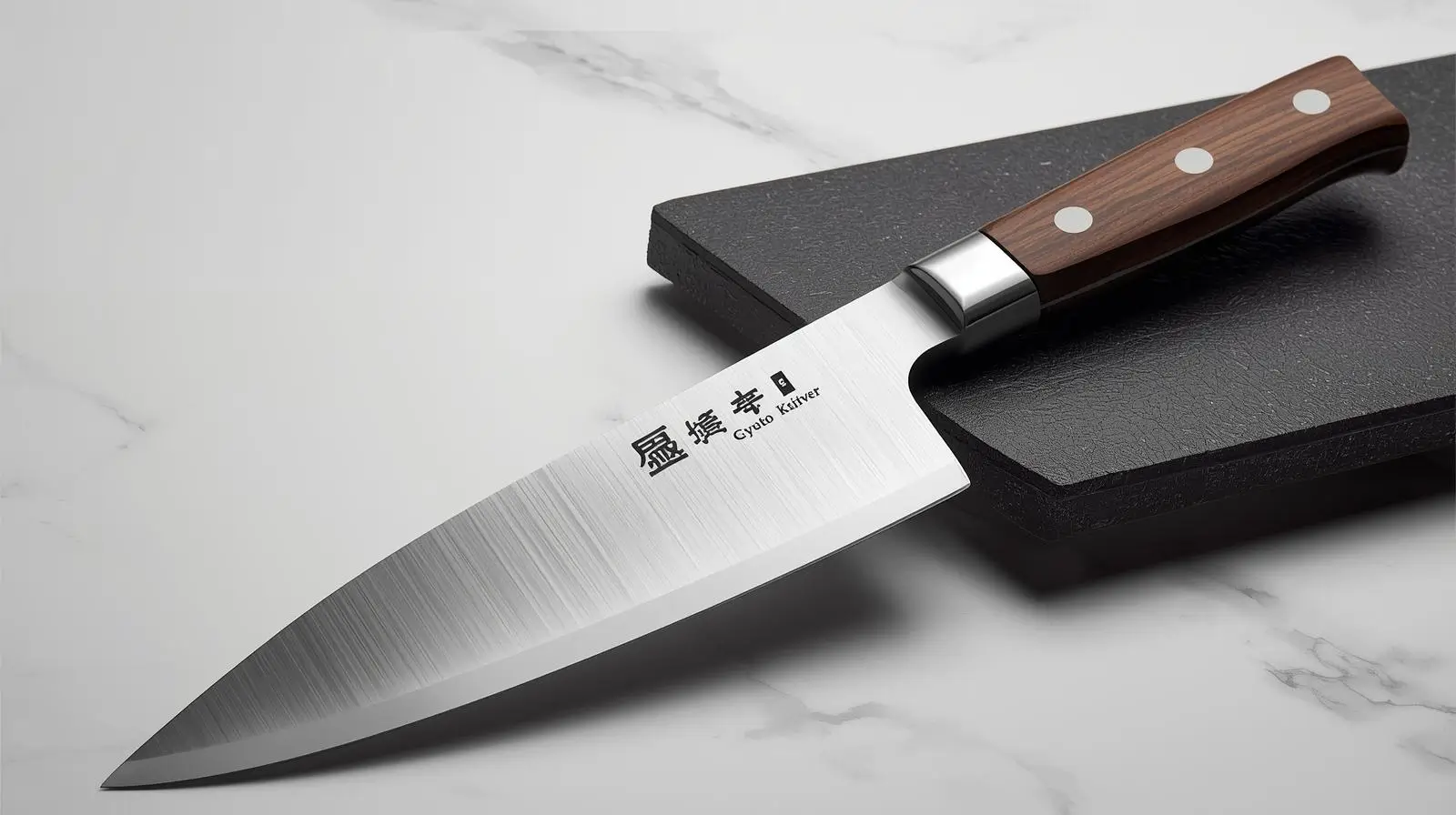
A gyuto knife is a Japanese all-purpose chef’s knife for everyday prep.
If you want one knife that can handle almost any kitchen task, this is it. In this guide, I explain what is a gyuto knife in simple terms, share how it differs from Western knives, and show you how to choose, use, and care for one like a pro. I’ve used gyutos for years in busy kitchens and at home, and I’ll share real tips, mistakes to avoid, and what actually matters before you buy.

What is a gyuto knife?
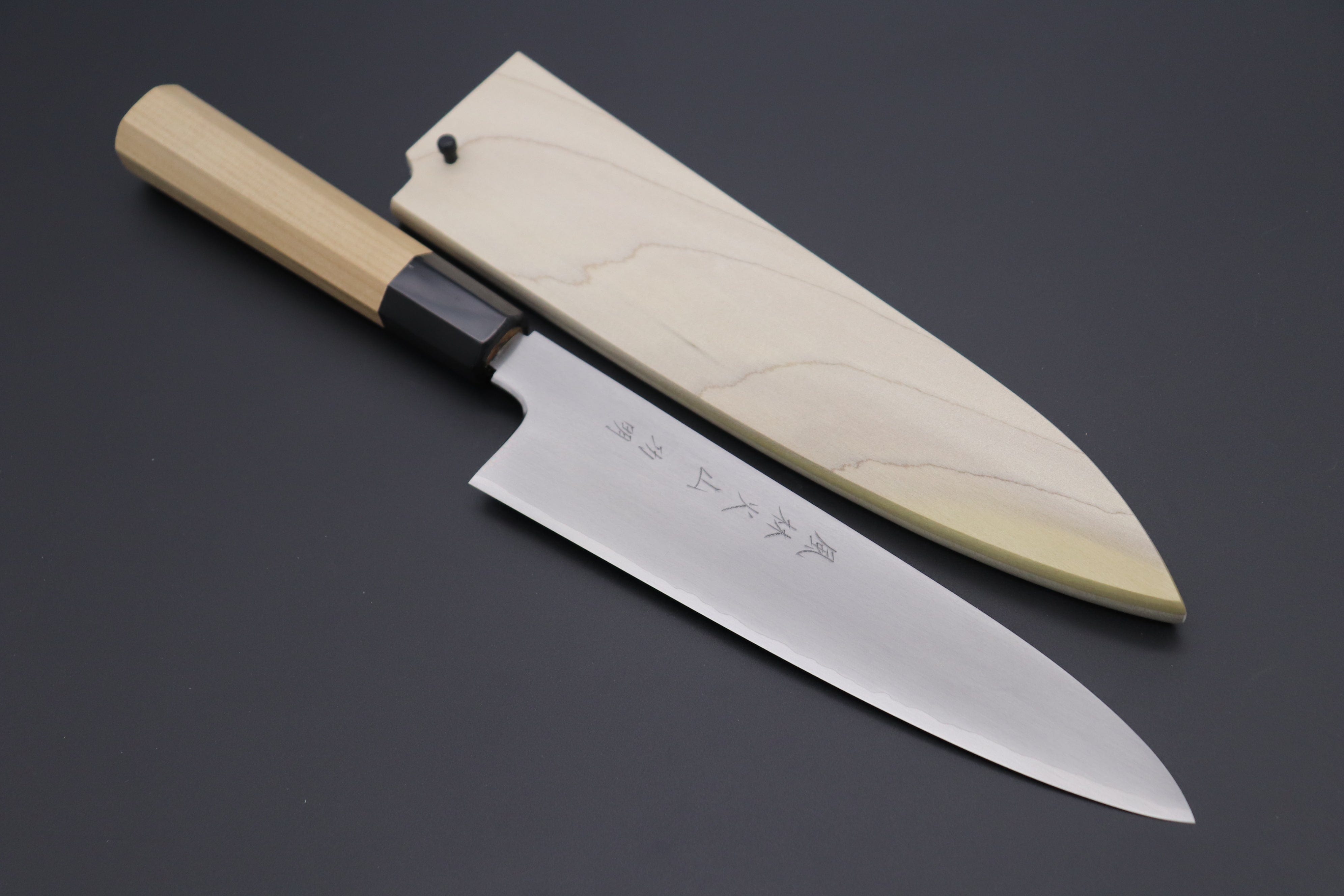
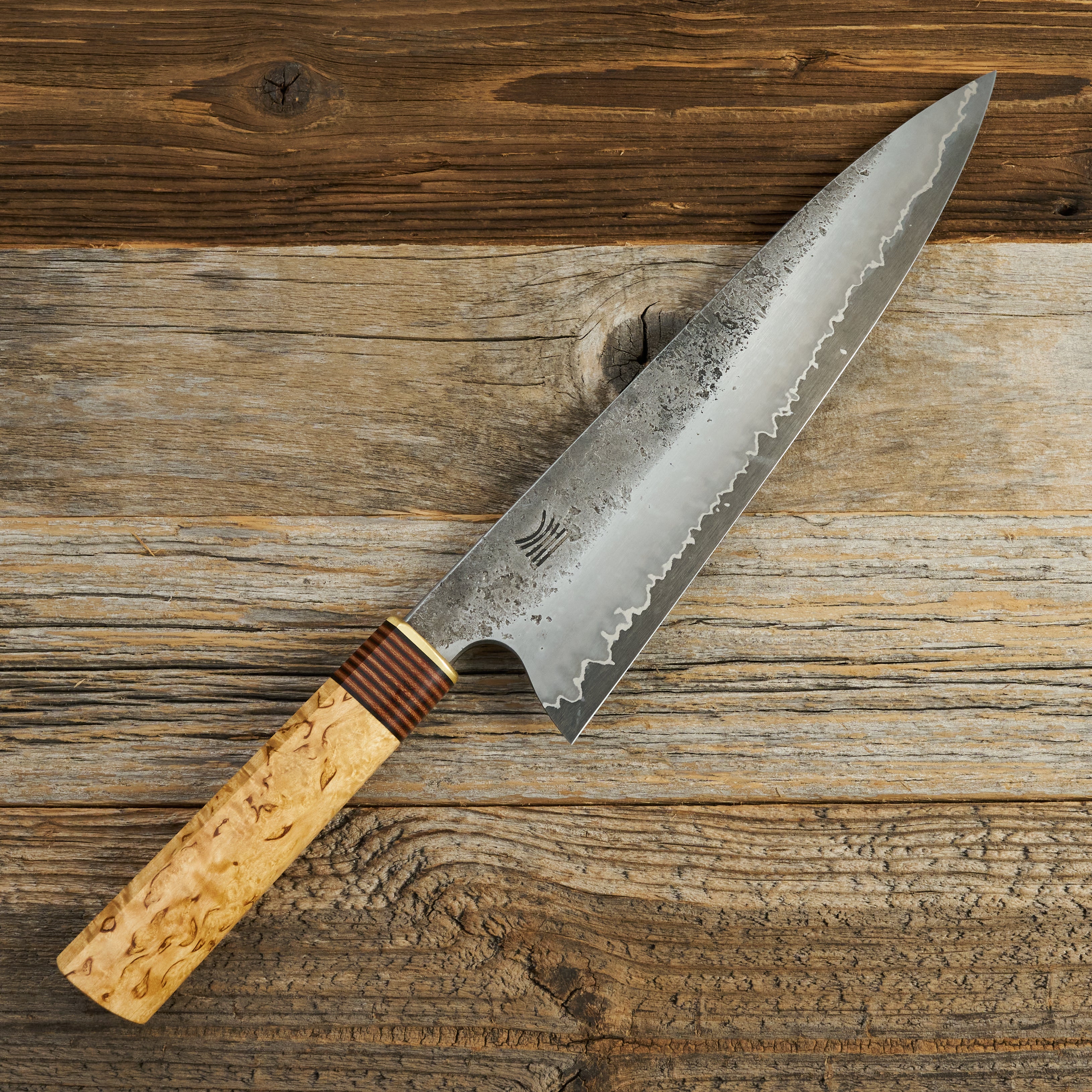
If you are asking what is a gyuto knife, think of it as Japan’s take on the classic chef’s knife. It has a thin, sharp blade, a pointed tip, and a slight curve for smooth cuts. It is double bevel, so both sides are sharpened, and it works for right or left-handed cooks.
The gyuto shines because it blends precision with comfort. It slices meat clean, glides through onions, and handles fine work like herbs or garlic. In short, it is the one knife you can reach for all day.
Key traits you will notice:
- Versatile shape works for meats, fish, and vegetables
- Thin blade reduces wedge and keeps cuts clean
- Pointed tip helps with detail work and tight spaces
- Light to medium weight for speed and control
If a friend asks what is a gyuto knife, I say it is the do-it-all blade that gives you speed, accuracy, and joy in prep.
Gyuto vs Western chef’s knife
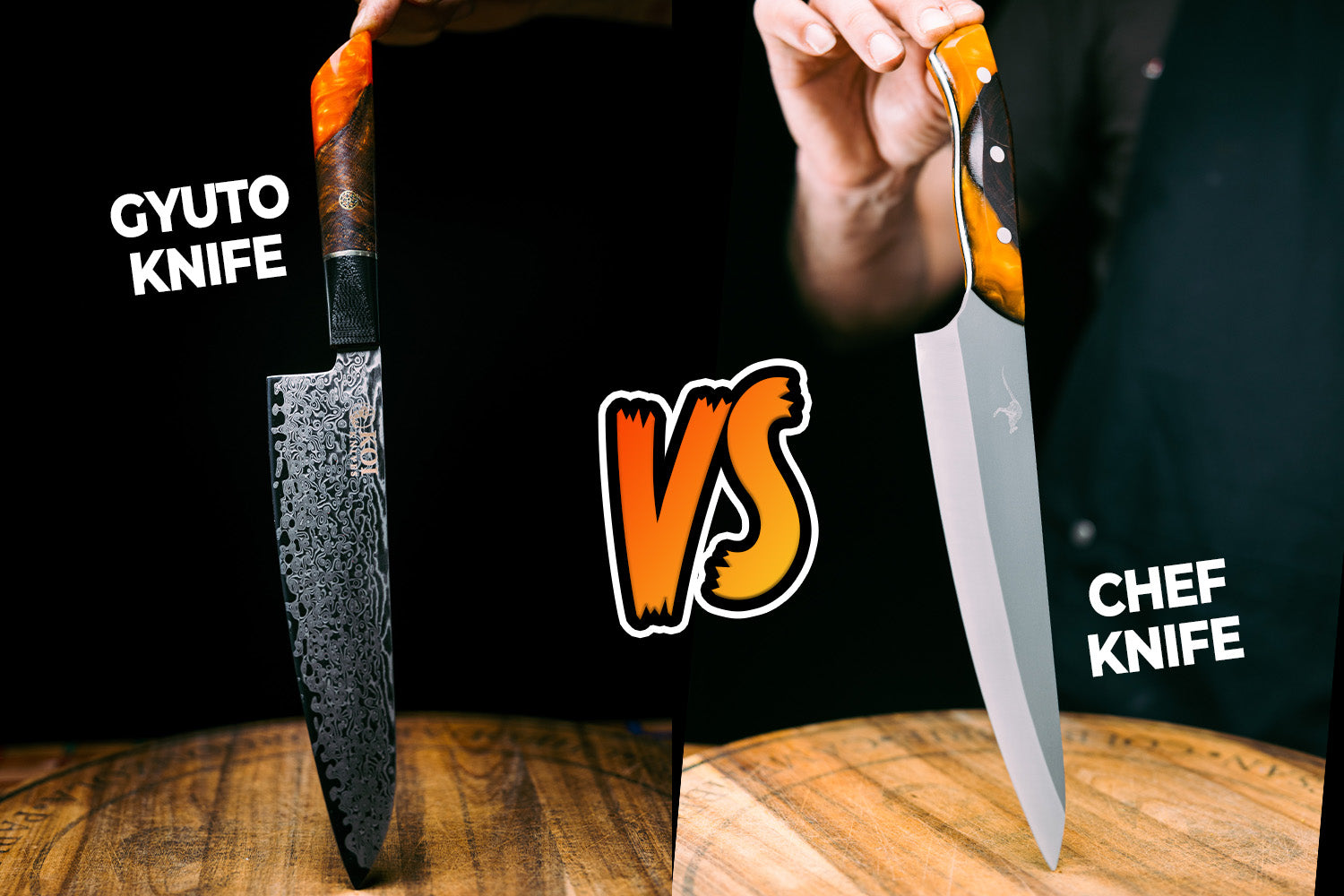
Both are multi-purpose, but they do not feel the same. If you wonder what is a gyuto knife compared to a Western chef’s knife, here is the short answer: the gyuto is thinner and sharper, the Western is tougher and heavier.
Core differences:
- Profile: The gyuto has a flatter belly for push cuts. Western knives have a rounder belly for rocking.
- Steel: Gyuto steels are often harder, which holds a keener edge. Western steels are softer and tougher, which resist chips.
- Grind: Gyutos have thin grinds for low drag. Western knives are thicker and more forgiving.
- Feel: Gyutos feel nimble. Western knives feel robust and stable.
I switch to a Western knife for heavy bones or frozen food. For everything else, the gyuto wins.
Anatomy and design features
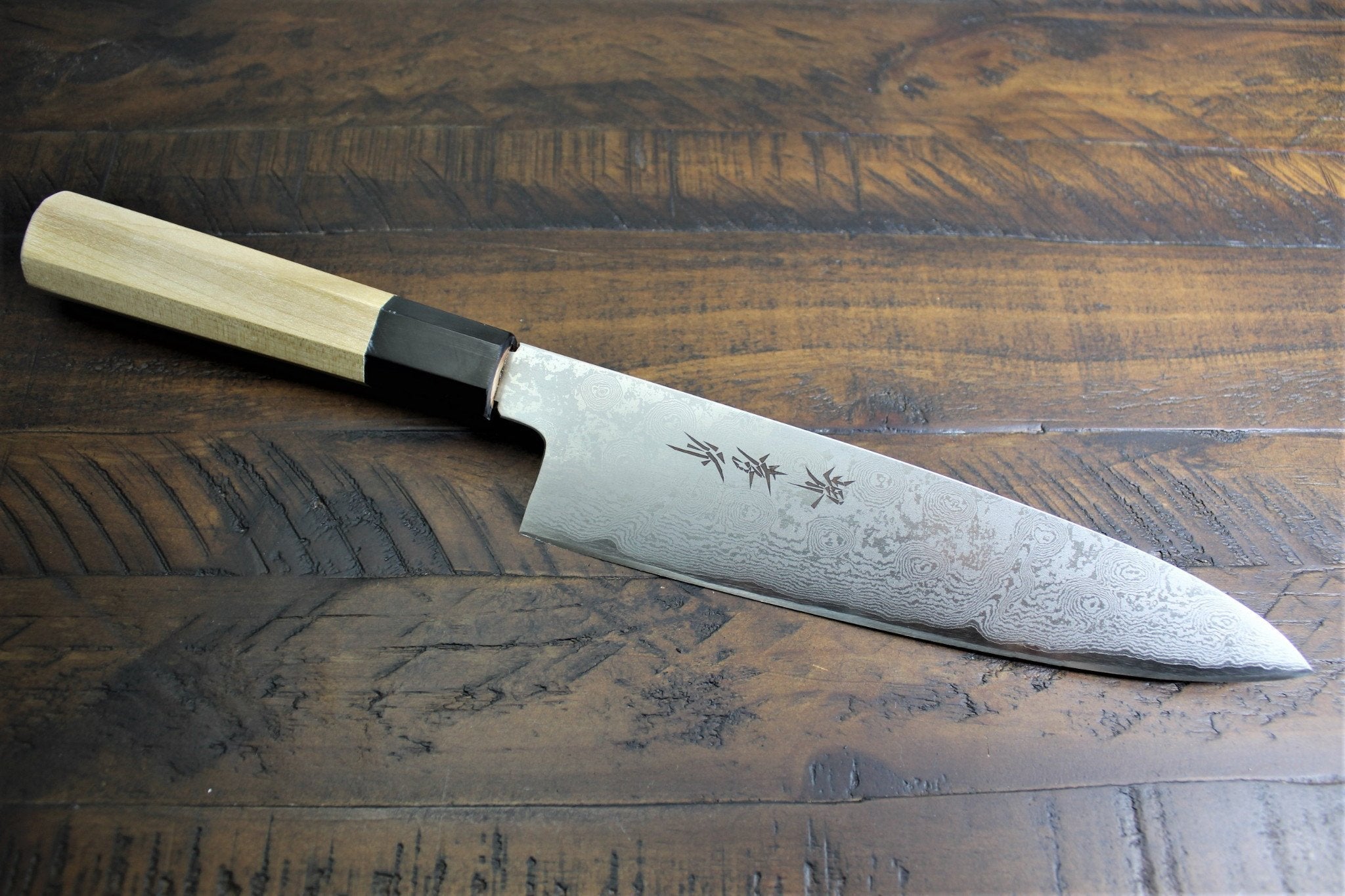
Understanding the parts helps you choose the right blade and care for it well. If you want the best answer to what is a gyuto knife, you need to know how it is built.
Blade length
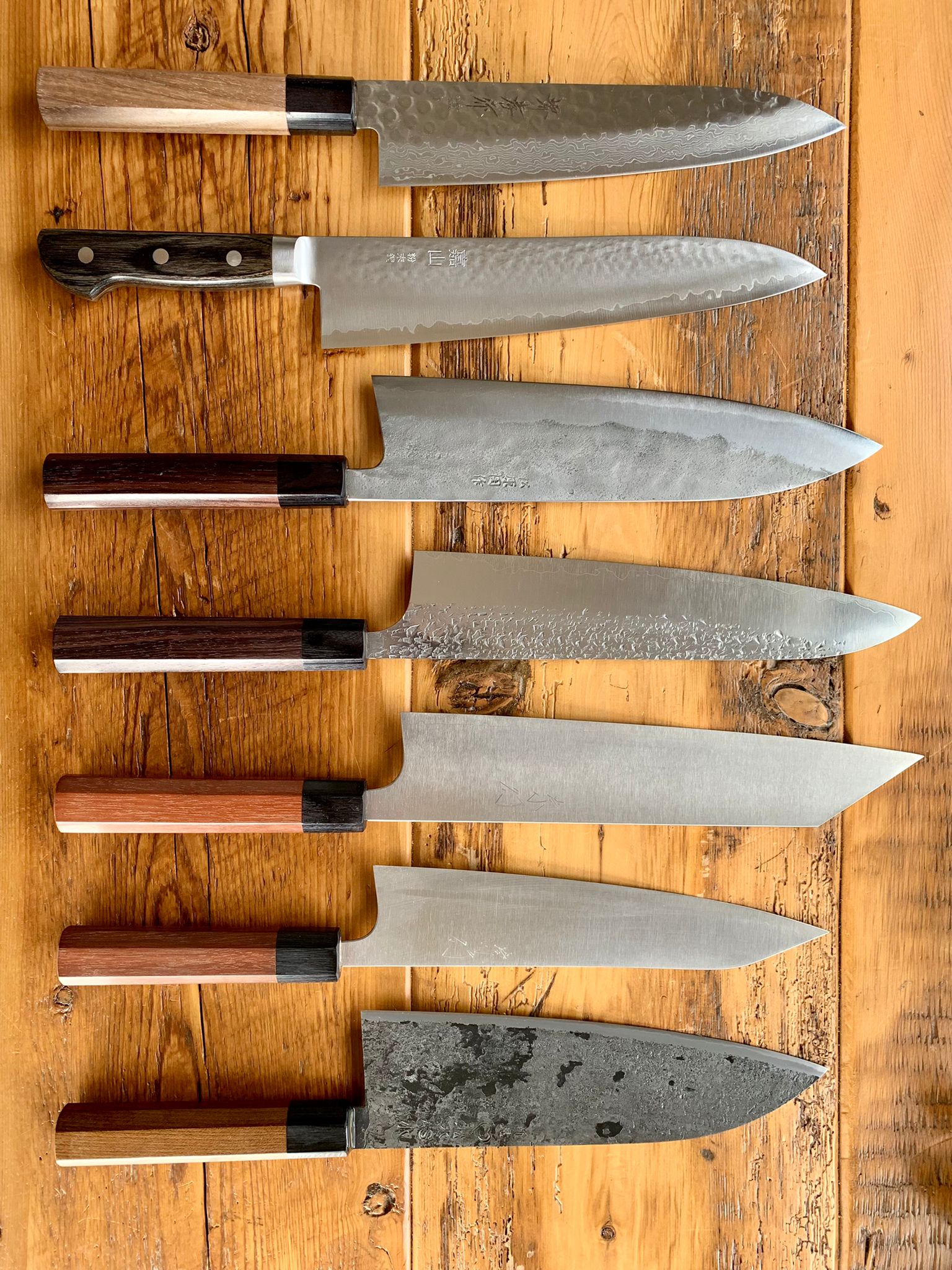
- Common sizes: 210 mm, 240 mm, 270 mm
- 210 mm is great for small boards and home use
- 240 mm is the sweet spot for most cooks
- 270 mm suits large batches and long strokes
Edge and spine
- Edge is thin and sharp for push and slice cuts
- Spine is thicker near the handle and tapers to the tip
- Distal taper gives you control at the tip and strength at the heel
Handle styles
- Wa handle: Traditional Japanese style. Light, with a forward balance.
- Yo handle: Western style. Heavier, with a neutral balance.
Steel types
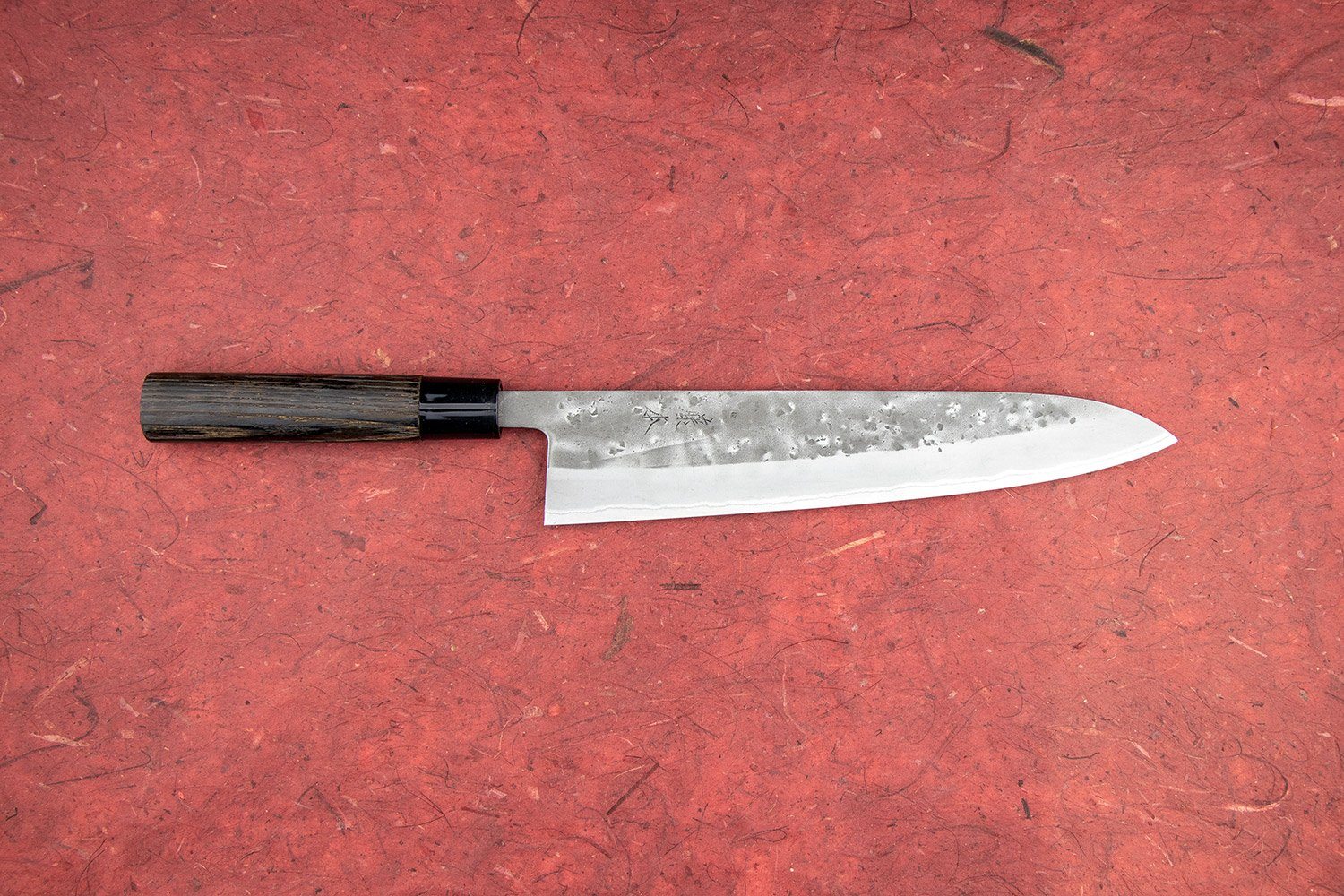
- Stainless: Easy care, resists rust. Common options include VG-10 and AUS-10.
- Carbon: Takes a very sharp edge but can rust. Blue and White steels are popular.
- Powder steel: High wear resistance with great edge life. SG2 or R2 are well known.
Hardness
- Many gyutos sit around HRC 60–62
- Harder steels hold a fine edge longer
- Softer steels are easier to sharpen and less brittle
What is a gyuto knife without the right steel and grind? It is a tool. With the right mix, it becomes a joy to use.
What is a gyuto knife used for?
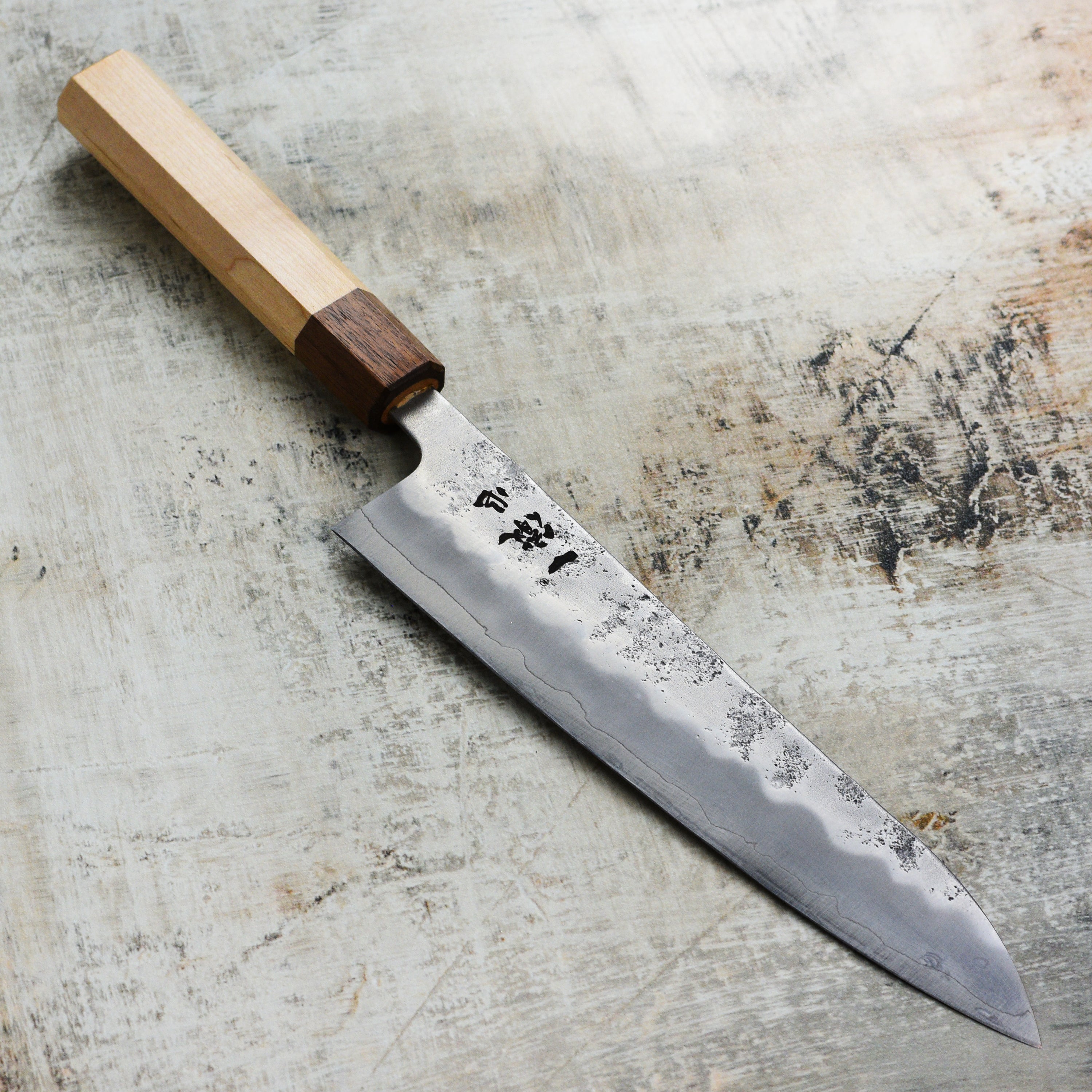
Short answer: almost everything. Long answer: it shines in tasks that reward control and clean cuts.
Daily tasks:
- Slicing meats thin without tearing the fibers
- Chopping onions, carrots, and celery for even mirepoix
- Dicing tomatoes and fruits without crushing
- Mincing herbs with light rocking or tap-chop moves
- Breaking down larger vegetables like cabbage or squash halves
- Fine work with the tip, like garlic and shallots
If someone asks what is a gyuto knife used for, I say it covers 90 percent of knife work in most kitchens.
How to choose the right gyuto
You do not need the most expensive blade to cook well. You need a knife that fits your hand, your board, and your habits. When friends ask what is a gyuto knife they should buy, I walk them through these steps.
Step-by-step:
- Size: Pick 210 mm for small kitchens, 240 mm for most cooks, 270 mm for large prep.
- Steel: Choose stainless if you want low care. Choose carbon if you love sharpening and patina.
- Handle: Wa for light, forward balance. Yo for familiar grip and weight.
- Grind: Look for a thin grind that does not wedge in hard produce.
- Left or right: Ensure the edge is even or set up for your hand.
- Budget: Spend where it counts and avoid paying for looks alone.
What is a gyuto knife for you? The one you reach for every day without thinking.
Care, sharpening, and maintenance
A gyuto rewards care with long life and great cuts. It also punishes neglect. I learned this the hard way when I left a carbon blade wet and woke up to spots.
Simple care plan:
- Wash by hand with mild soap. Dry at once.
- Use a wood or soft plastic board. Avoid glass or stone.
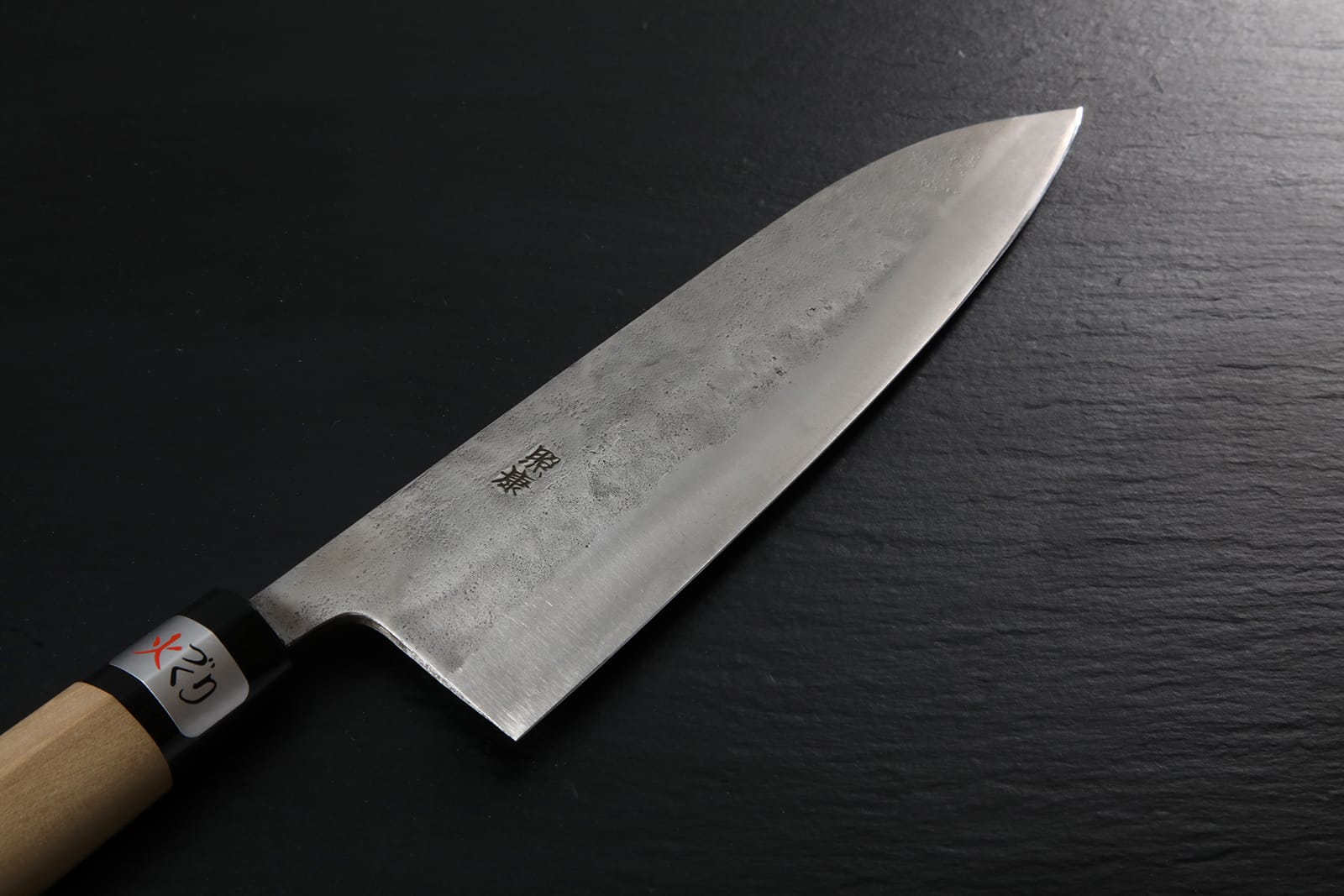
- Store in a saya, sheath, or on a mag strip with care.
Sharpening basics:
- Angle: About 12–15 degrees per side for most gyutos
- Stones: 1000 grit for routine work, 3000–6000 for polish
- Strokes: Light, even passes. Finish with a gentle deburr
Edge life tips:
- Do not twist the blade in hard foods
- Avoid frozen items or thick bones
- Touch up often rather than waiting until dull
If a client asks what is a gyuto knife edge angle, I say keep it low and even, then test on paper or a tomato.
Techniques and safety tips
Good technique makes any knife safer and faster. The gyuto rewards clean moves.
Essentials:
- Grip: Use a pinch grip with thumb and index on the blade. It adds control.
- Motion: Practice push cuts and pull slices. Rock only on the front third.
- Tip use: Keep the tip low for fine dicing and herb work.
- Guide hand: Curl your fingers and lead with your knuckles.
Safety:
- Keep the edge sharp. Dull knives slip.
- Clear your board often to avoid clutter.
- Set the knife down spine-first, away from the edge.
When people ask what is a gyuto knife good for in technique terms, I say it teaches you to move clean and light.
Common mistakes and lessons learned
I have made all the rookie mistakes so you do not have to. If you wonder what is a gyuto knife mistake to avoid, start here.
Watch outs:
- Using glass boards: They kill edges fast.
- Sharpening at steep angles: Thick edges feel safe but cut poorly.
- Over-polishing: A shiny edge can slip on tomato skin. A bit of bite helps.
- Hard twists in dense foods: That is how microchips start.
- Leaving it wet: Carbon or not, moisture is not your friend.
Lessons from the line:
- Touch up for one minute before service. It saves ten minutes later.
- Strop on newspaper if you do not have leather. It works in a pinch.
- Keep a cheap beater for bones and shells. Protect your gyuto.
Price and value
You can get a great gyuto without breaking the bank. The trick is to know where the money goes.
Tiers that make sense:
- Entry range: Good stainless, basic fit and finish, solid value
- Mid range: Better steel, cleaner grinds, improved handles
- High end: Premium steels, hand-finished grinds, refined balance
What is a gyuto knife worth to you? If it makes prep faster and results cleaner, it pays for itself in months, not years.
Frequently Asked Questions of What is a gyuto knife
What is a gyuto knife in simple terms?
It is a Japanese chef’s knife that handles most kitchen tasks. It blends precision with versatility for meat, fish, and vegetables.
How is a gyuto different from a santoku?
A gyuto has a pointed tip and more length. A santoku is shorter with a flat edge and excels at straight up-and-down chopping.
What size gyuto should a home cook buy?
Most home cooks love 210 mm or 240 mm. Choose 210 mm for small boards and 240 mm if you want more range.
Is a gyuto good for beginners?
Yes, if you learn a pinch grip and basic care. It is forgiving enough and teaches good technique fast.
Can I use a gyuto on bones or frozen food?
No, use a heavier knife or a cleaver for that. The thin edge can chip if forced through hard items.
What steel is best for a first gyuto?
Stainless like VG-10 or AUS-10 is easy to care for and sharpens well. Carbon is great later if you like patina and frequent upkeep.
How often should I sharpen a gyuto?
Touch up every one to two weeks if you cook daily. Full sharpening depends on use, but monthly is common for home cooks.
Conclusion
A gyuto is the one knife that can elevate your cooking right away. Now you know what is a gyuto knife, how it compares to Western blades, how to choose one that fits your hands and habits, and how to keep it sharp and safe. Start with a size that suits your space, pick steel that matches your care level, and practice clean, light cuts.
Ready to level up your prep? Choose a gyuto that fits your style, try the tips above this week, and share your results. Want more guides like this? Subscribe for updates or drop your questions in the comments.
Maliha Khatun has spent 5 years hands-on testing Japanese knives for everyday home cooks. She has evaluated over 60 blades across nakiri, santoku, gyuto, and petty categories — scoring each on edge retention, steel quality, handle comfort, and value for money. She writes to help home cooks buy the right knife without the guesswork.
Expertise:Japanese Knives • Vegetable Knives • Product Reviews • Kitchen Efficiency • Knife Care
Leave a Reply