A bunka knife is a Japanese all-purpose kitchen blade with a distinctive angled tip and versatile edge.
I have used and studied Japanese knives for years, and I’ll explain bunka knife meaning clearly and practically. This guide covers the bunka knife meaning, its history, design, uses, care, and buying tips. Read on to learn why the bunka knife is a smart, flexible choice for home cooks and pros alike.

What does bunka knife meaning refer to?
The bunka knife meaning centers on a specific Japanese blade designed for versatility. The word bunka in Japanese literally links to culture, and over time it became a name for a multi-use kitchen knife. The bunka knife meaning emphasizes a hybrid design that blends vegetable and general prep functions.
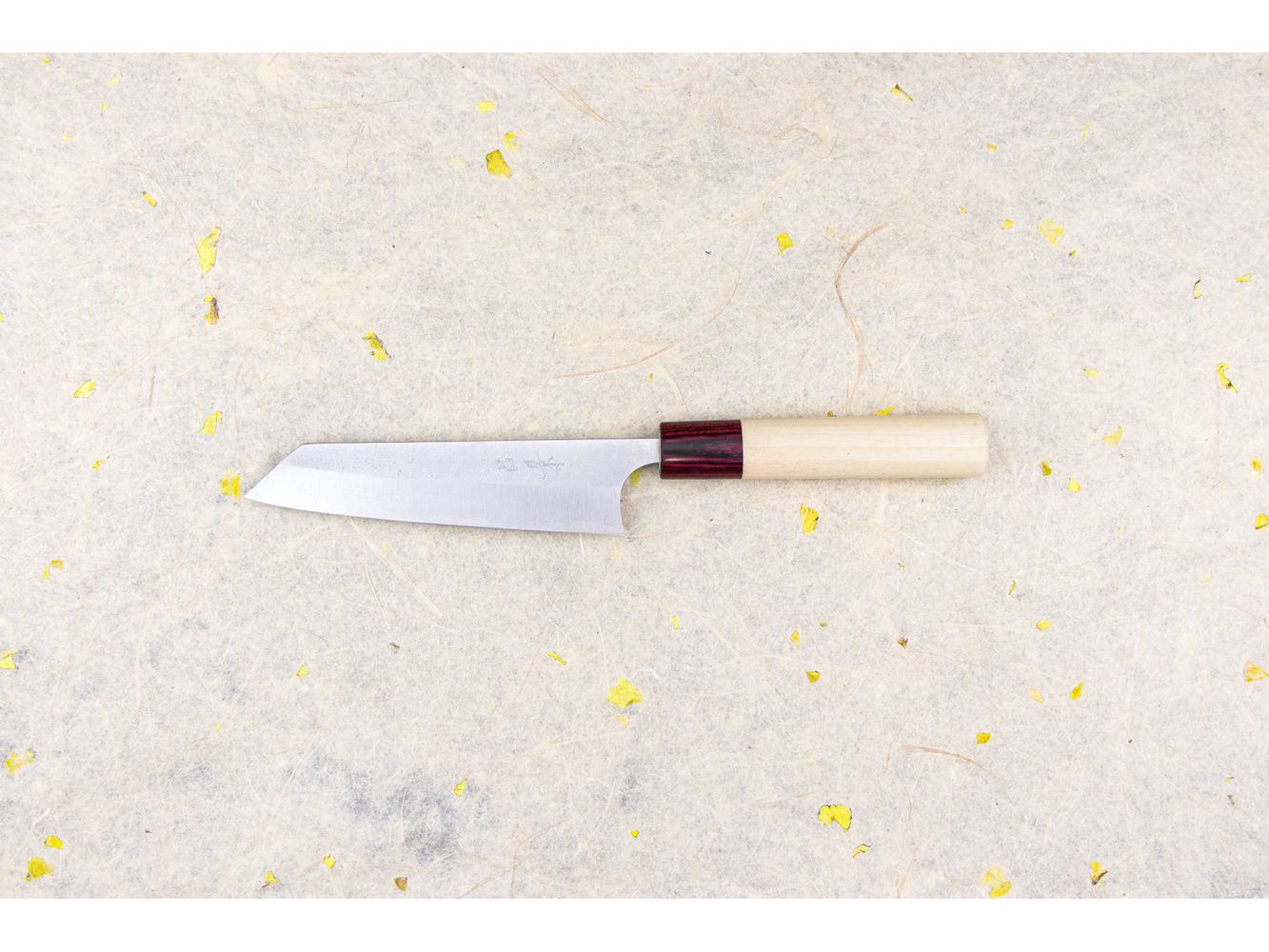
Design and signature features of a bunka knife
A clear bunka knife meaning includes its unique shape and edge. The blade usually measures 160–190 mm. The tip is a reverse tanto or k-tip that forms a sharp, slightly angled point. The profile mixes a straight belly with a short pointy tip for controlled cuts.
Key physical features:
- Blade shape that combines nakiri flatness and petty point control.
- Thin, sharp edge with a typical sharpening angle of 15–20 degrees per side.
- A compact length that makes it nimble for chopping and slicing.
- Often forged from stainless or carbon steel, with varied hardness depending on maker.
These design choices define the bunka knife meaning as a hybrid, not purely a vegetable knife nor a full chef’s knife.

How the bunka knife meaning translates to everyday use
Understanding bunka knife meaning helps you know when to reach for it. It excels in tasks that need both flat push cuts and precise tip work.
Common uses:
- Cutting vegetables with straight, efficient strokes.
- Trimming meat or fish where a pointed tip helps detail work.
- Slicing herbs and smaller produce cleanly.
- Scaling between delicate and heavier prep without changing tools.
From my kitchen experience, the bunka knife meaning shines when moving between chopping onions and trimming fish fillets in the same prep session. The tip allows fine scoring that a santoku might struggle with.
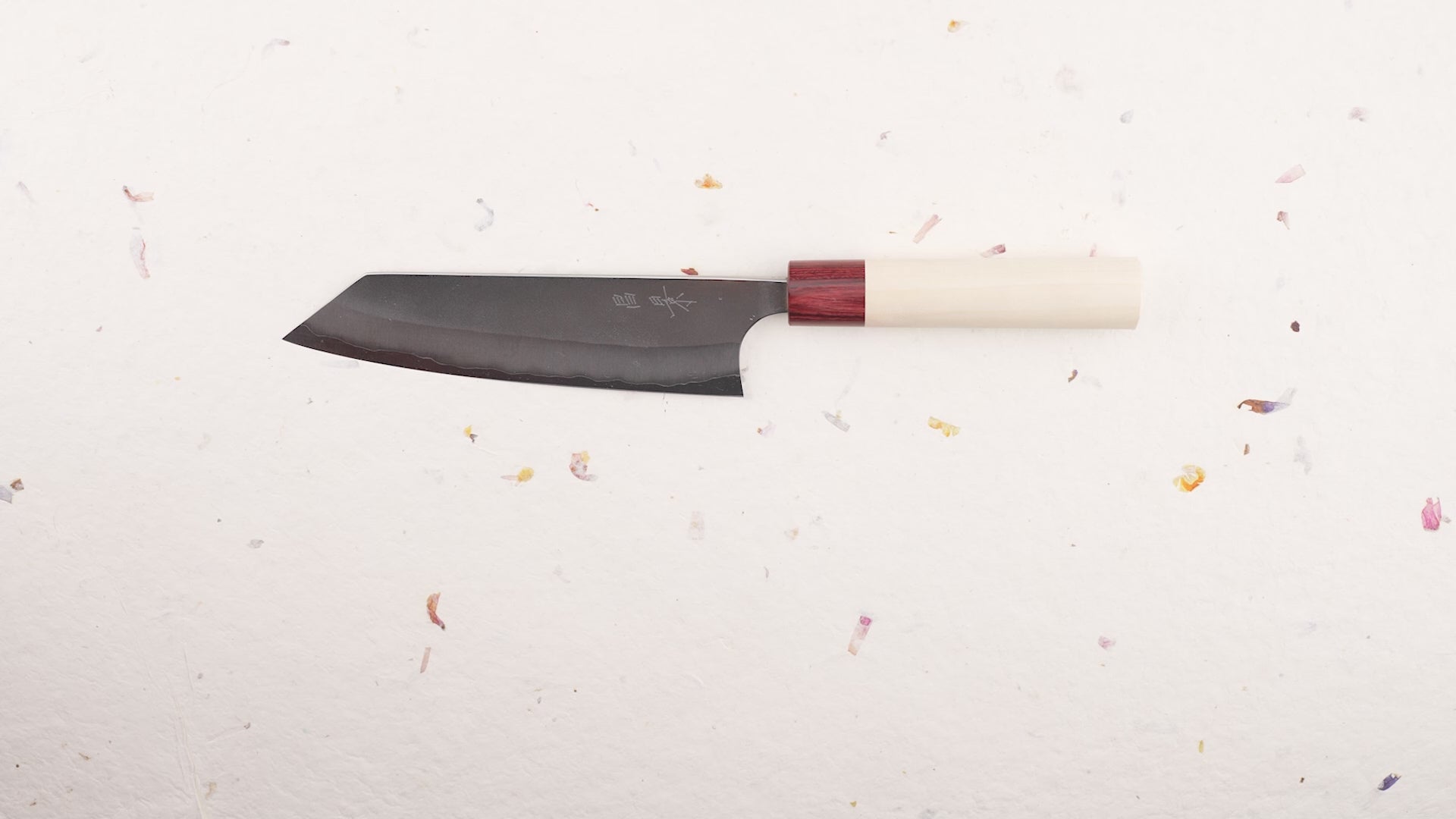
Bunka knife meaning compared to other knives
Putting bunka knife meaning next to other blades clarifies its role. It sits between a santoku, a nakiri, and a petty knife in purpose.
Comparison highlights:
- Versus santoku: A bunka often has a sharper tip and a straighter edge profile, lending itself to more pointed work.
- Versus nakiri: A bunka is more versatile; a nakiri is optimized solely for vegetable cleaving.
- Versus chef’s knife: A bunka is shorter and can feel lighter and more agile for precise home prep.
This context helps cement the bunka knife meaning as a compact, adaptable blade.

How to choose a bunka knife (practical buying guide)
When shopping, base decisions on how you cook and the bunka knife meaning you want in your kitchen.
Selection checklist:
- Choose blade length 165–180 mm for home use.
- Pick steel type: stainless for low care, carbon for edge retention and easier sharpening.
- Inspect the tip geometry to ensure it matches your preference for precision.
- Consider handle comfort and balance by holding the knife if possible.
- Look for a reputable maker and test edge sharpness before buying.
I once bought a bunka knife for its looks and later learned balance matters far more than blade pattern. That mistake taught me to hold knives before purchase.
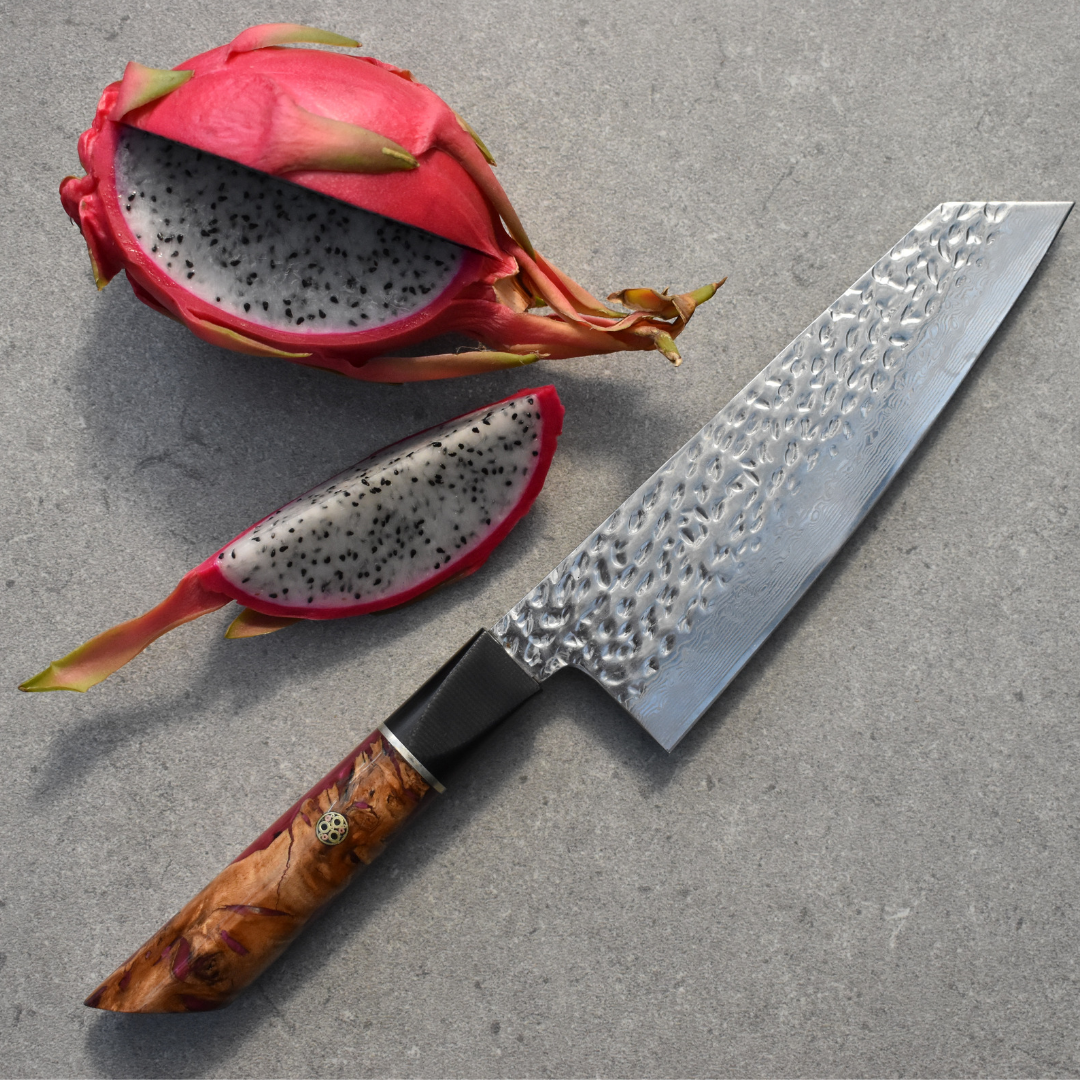
Caring for your bunka knife: maintain the meaning through longevity
Preserving the bunka knife meaning includes caring for the blade so it performs as designed.
Care tips:
- Hand wash and dry immediately to prevent corrosion or handle damage.
- Hone regularly and sharpen at the correct angle (about 15–20 degrees).
- Store in a block or magnetic strip to protect the edge.
- Periodically oil carbon steel blades to prevent rust.
Good care keeps the bunka knife meaning intact: a reliable, sharp tool for many tasks.

Common mistakes and how they undermine bunka knife meaning
Avoiding common errors preserves the bunka knife meaning and extends tool life.
Mistakes to avoid:
- Using the bunka for heavy boning or prying, which can chip the tip.
- Storing loosely in a drawer without a sheath, which dulls the edge.
- Sharpening at inconsistent angles that ruin the blade geometry.
When I first used a bunka to cut through frozen food, the tip chipped. That taught me to match tasks to the tool’s intended purpose.

Frequently Asked Questions of bunka knife meaning
What is the best use for a bunka knife?
The bunka knife is best for mixed prep: vegetables, small meat trimming, and precision slicing. It’s a versatile everyday kitchen blade.
Is a bunka knife better than a santoku?
Not necessarily better; it’s different. The bunka offers a sharper point for detail work while santoku favors broad slicing and scooping.
Can a beginner use a bunka knife?
Yes. The bunka knife is user-friendly and forgiving for beginners, as long as you practice safe knife skills and proper care.
How do you sharpen a bunka knife?
Sharpen using a whetstone at about 15–20 degrees per side. Hone regularly and perform full sharpening less often depending on use.
Is bunka a traditional Japanese knife?
Bunka is a modern Japanese-style knife that borrows from traditional designs. The bunka knife meaning reflects a hybrid form, not an ancient category.
Conclusion
The bunka knife meaning is rooted in versatility and balance. It’s a hybrid Japanese blade built for both flat cuts and precision tip work. If you want one versatile tool that handles vegetables, trimming, and small slicing tasks, a bunka is a smart pick. Take one action today: try a bunka in person if possible, feel the balance, and start with basic honing and hand-washing to protect your investment. Leave a comment about your bunka knife experience or subscribe for more knife guides.
Maliha Khatun has spent 5 years hands-on testing Japanese knives for everyday home cooks. She has evaluated over 60 blades across nakiri, santoku, gyuto, and petty categories — scoring each on edge retention, steel quality, handle comfort, and value for money. She writes to help home cooks buy the right knife without the guesswork.
Expertise:Japanese Knives • Vegetable Knives • Product Reviews • Kitchen Efficiency • Knife Care
Leave a Reply