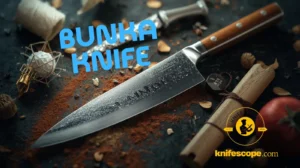
A bunka knife is a Japanese all-purpose blade with a sharp, angled tip for precise cuts.
I have used and taught with Japanese knives for years, so I know what is a bunka knife and why it matters in the kitchen. This article explains what is a bunka knife in clear terms, compares it to other blades, shows how to use and care for it, and gives real tips from hands-on experience. Read on to learn the practical strengths and limits of this versatile tool.
Design and characteristics of a bunka knife
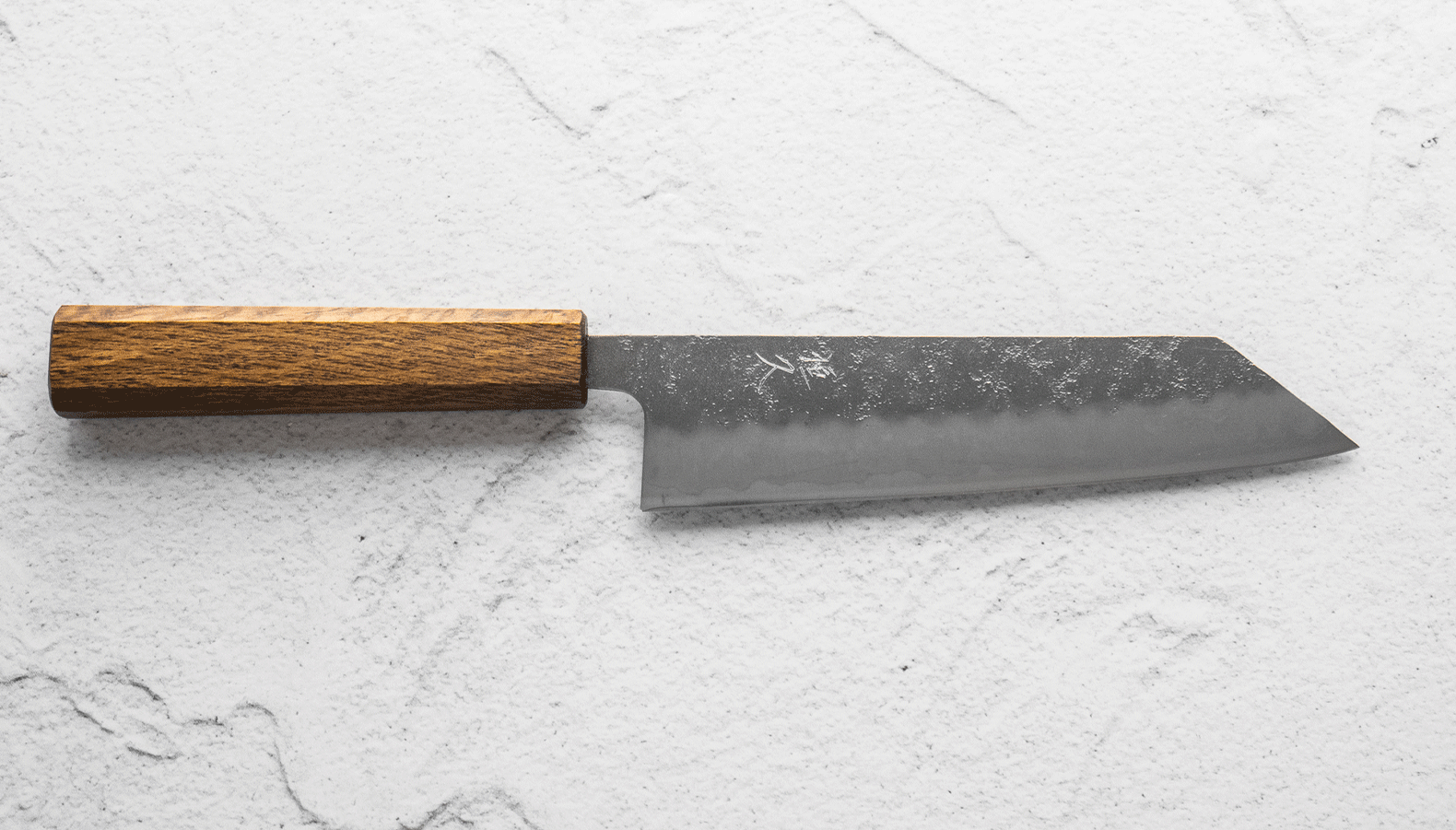
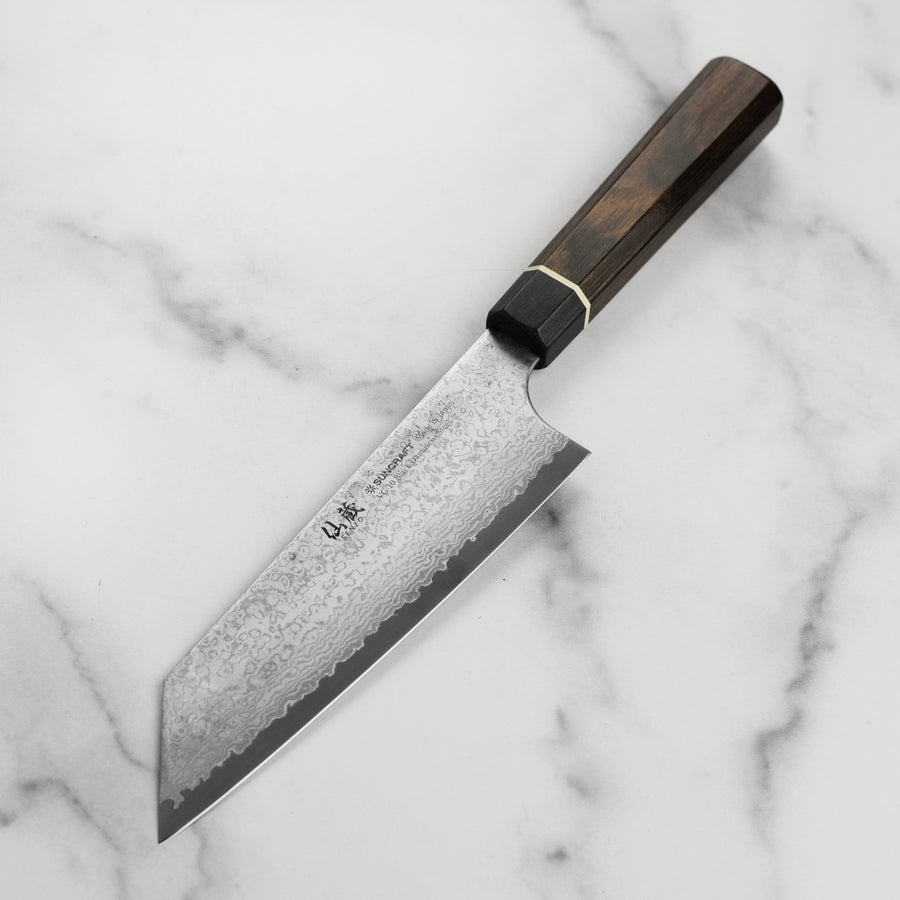
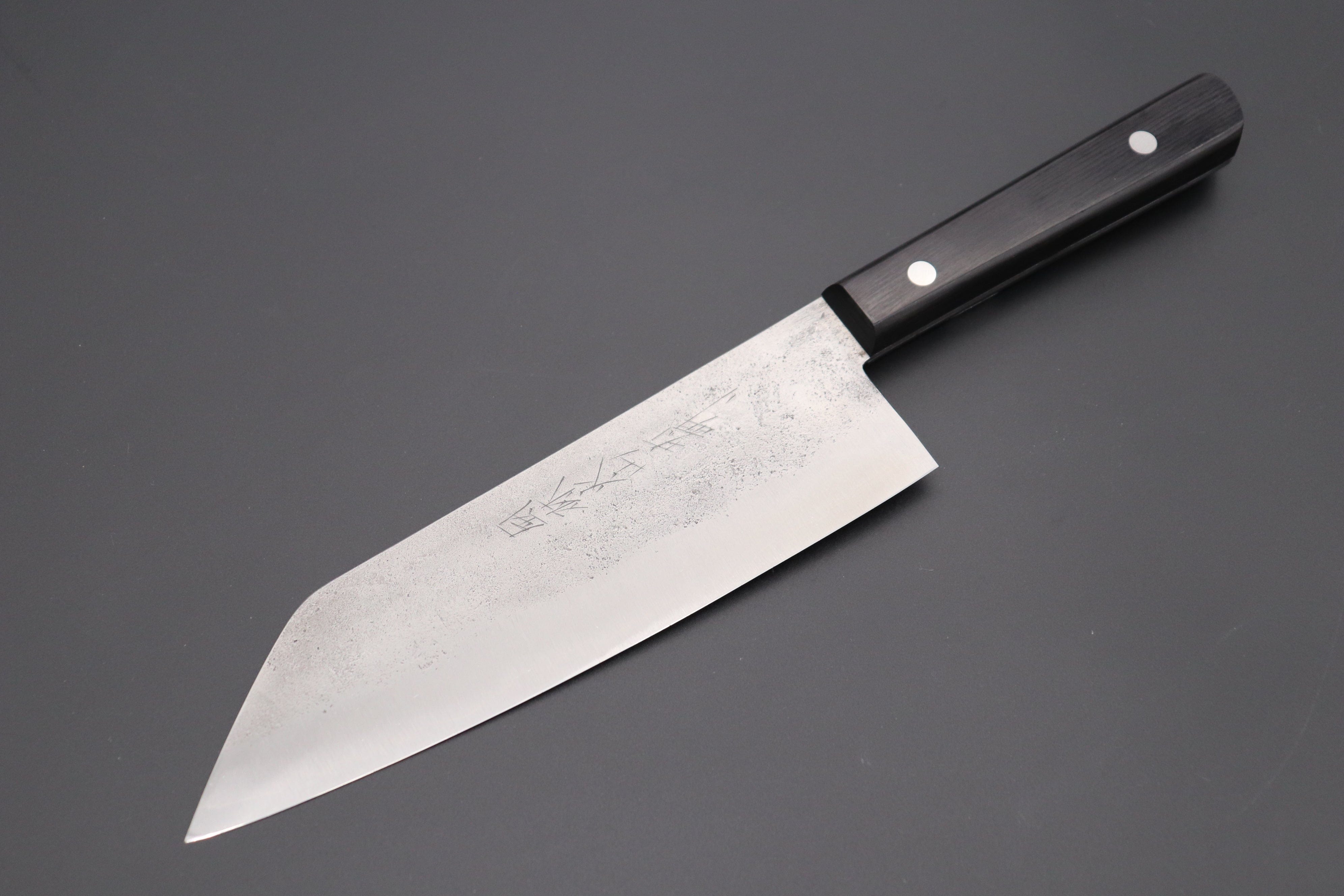
A bunka knife combines a tall, thin blade with a distinct angled tip called a reverse tanto or k-tip. The blade usually measures 165 mm to 180 mm long and has a flat or slightly curved edge that works well for chopping, slicing, and precise tip work. What is a bunka knife in practice is a hybrid between a nakiri and a santoku: it offers a roomy profile for veggie work and an acute tip for trimming. Typical features include a single or double bevel, a comfortable handle, and a blade geometry that favors control and thin, accurate slices.

History and origin of the bunka knife
The bunka knife comes from Japan and rose in popularity in the 20th century as cooks sought a versatile kitchen blade. Historically, Japanese home cooks needed a single, multipurpose knife for small kitchens. If you ask what is a bunka knife, you should know it evolved to blend Western utility with Japanese cutting styles. Its name and shape reflect practical needs rather than formal samurai lineage.
How a bunka compares to other Japanese knives
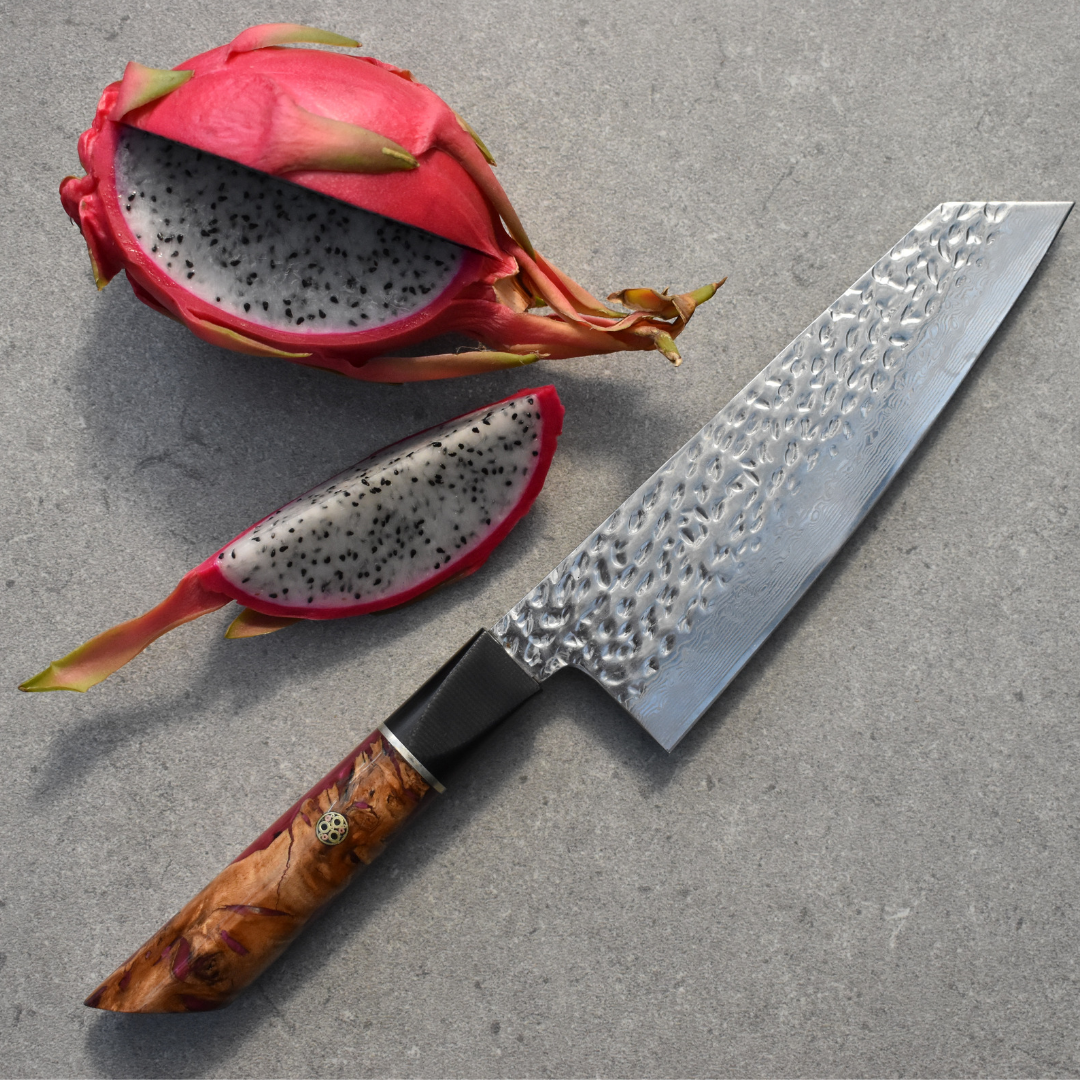
If you wonder what is a bunka knife versus a santoku or nakiri, the differences are clear in role and tip shape. A santoku often has a rounder tip and favors slicing and chopping. A nakiri is rectangular and excels at straight-up vegetable cuts. A bunka sits between them: it handles vegetables like a nakiri, slices like a santoku, and adds a sharp tip for detail work. For cooks who want one knife to do many jobs, understanding what is a bunka knife helps choose the right tool.
How to use a bunka knife — cutting techniques and practical tips
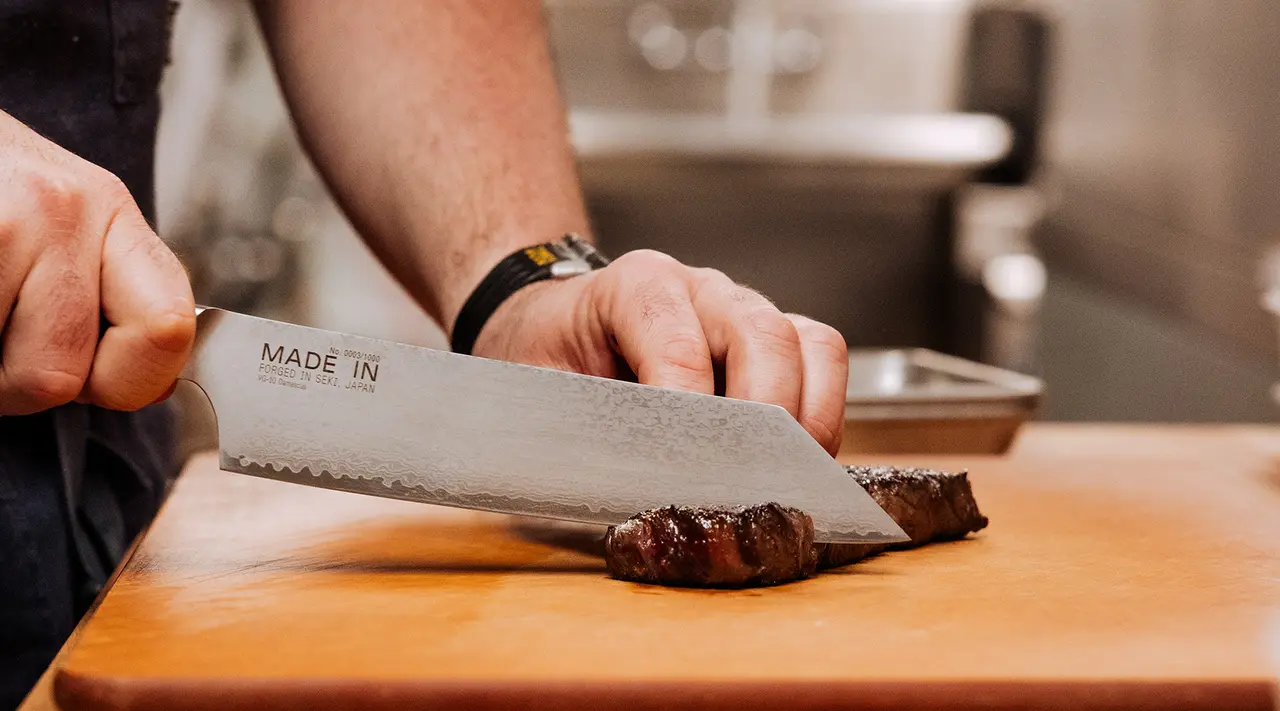
Knowing what is a bunka knife lets you use it effectively for daily prep. Use the wide belly for rocking and the flat portion for push cuts. The angled tip is perfect for trimming, peeling, and scoring tasks that a santoku tip cannot do as well. From my experience, the bunka shines when you need quick transitions: dice an onion, then use the tip to remove silver skin from fish without switching knives. Tips from practice:
- Use a firm pinch grip on the blade for control.
- Keep the tip engaged for fine work and the heel for heavier cuts.
- Use short, calm strokes for precision and longer strokes for thin slices.
Materials, blade steel, and construction
When exploring what is a bunka knife, material matters. Bunka blades come in stainless steels and high-carbon steels. High-carbon steel sharpens finer and holds an edge longer but needs more care to avoid rust. Stainless steels resist corrosion and suit busy kitchens. Look for:
- Forged construction for balance and durability.
- A comfortable handle — wood for tradition, composite for low maintenance.
- A thin grind for clean slicing, or a slightly thicker grind for toughness.

Care, sharpening, and maintenance for a bunka knife
Part of knowing what is a bunka knife is learning how to keep it sharp. Hand wash and dry the blade right away. Sharpen on a whetstone for the best, most consistent edge; a 1000/3000 grit combo is a good start. If you own a bunka with a single-bevel edge, respect the original bevel angle when sharpening to retain performance. My real-world tip: hone before each use and stone-sharpen weekly when used daily.
When to choose a bunka knife — use cases and limitations
Deciding what is a bunka knife right for depends on your routine. Choose a bunka if you want one knife to handle vegetables, fish, and light meat prep with occasional fine work. Avoid it if you need a heavy cleaver for bones or a long gyuto for slicing large roasts. In short:
- Best for home cooks who value versatility and precision.
- Not ideal for heavy butcher tasks or constant bone work.
- Great for small kitchens where one go-to blade is preferred.

Frequently Asked Questions of what is a bunka knife
What is a bunka knife used for?
A bunka knife is used for vegetables, fish, and light meat tasks. Its angled tip adds precision for trimming and scoring.
How is a bunka different from a santoku?
A bunka has a sharper, angled tip and often a taller blade profile. Santoku tips are rounder and favor broader slicing.
Should a bunka be single or double beveled?
Both exist; single-bevel bunka knives offer extreme precision for right- or left-hand use, while double-bevel versions suit general cooks. Choose based on skill level and maintenance preference.
How do I sharpen a bunka knife?
Use a whetstone and match the original bevel angle for best results. Hone before each use and stone-sharpen when the blade begins to dull.
Can a bunka replace a chef’s knife?
A bunka can replace a chef’s knife for many home tasks due to its versatility. For heavy meat or large roasts, a chef’s knife or gyuto may perform better.
Is a bunka good for beginners?
Yes. Beginners who want one reliable all-purpose knife find the bunka approachable. Its tip helps with detail work while the broad belly manages general prep.
Conclusion
A bunka knife is a smart choice if you want one reliable, nimble blade for everyday prep, precise trimming, and varied kitchen tasks. Understand what is a bunka knife, choose the right steel and handle for your needs, and practice basic sharpening and care to keep it performing. Try a bunka on your next meal prep and notice how one well-made blade simplifies your workflow. If this helped, subscribe for more knife guides, share your questions below, or comment with your favorite bunka tip.

Maliha Akter is a kitchen knife reviewer and food preparation specialist with over 6 years of experience testing Japanese kitchen knives and everyday cooking tools. She focuses on performance, safety, durability, and real-world usability to help home cooks choose the right knives for efficient and enjoyable cooking.
Expertise:Japanese Knives • Vegetable Knives • Product Reviews • Kitchen Efficiency • Knife Care