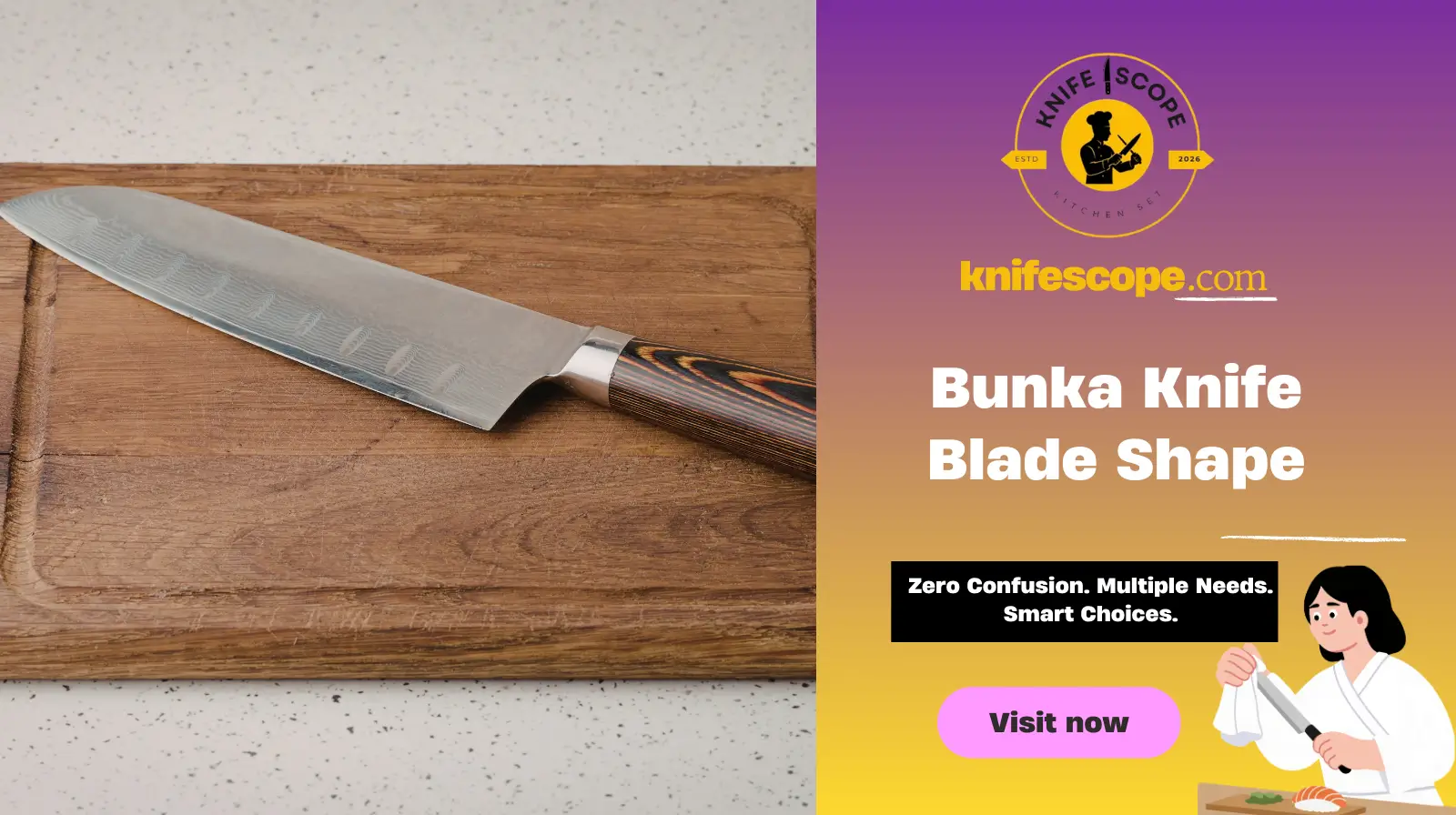
The bunka knife blade shape blends a sheepsfoot tip with a short, angled belly for control.
I have used and tested dozens of blades. I write about the bunka knife blade shape from years of kitchen work and knife research. This article explains what the bunka knife blade shape is, why it matters, and how to choose and care for one. Read on for clear, practical advice and expert tips you can use today.

What is the bunka knife blade shape?
The bunka knife blade shape is a hybrid design from Japan. It pairs a pronounced sheepsfoot or angled tip with a modest belly. This gives a short, sharp point and a controlled rocking arc.
The bunka knife blade shape sits between a santoku and a nakiri in feel. It is compact and nimble. Many home cooks pick it for precise chopping, thin slicing, and small tasks.
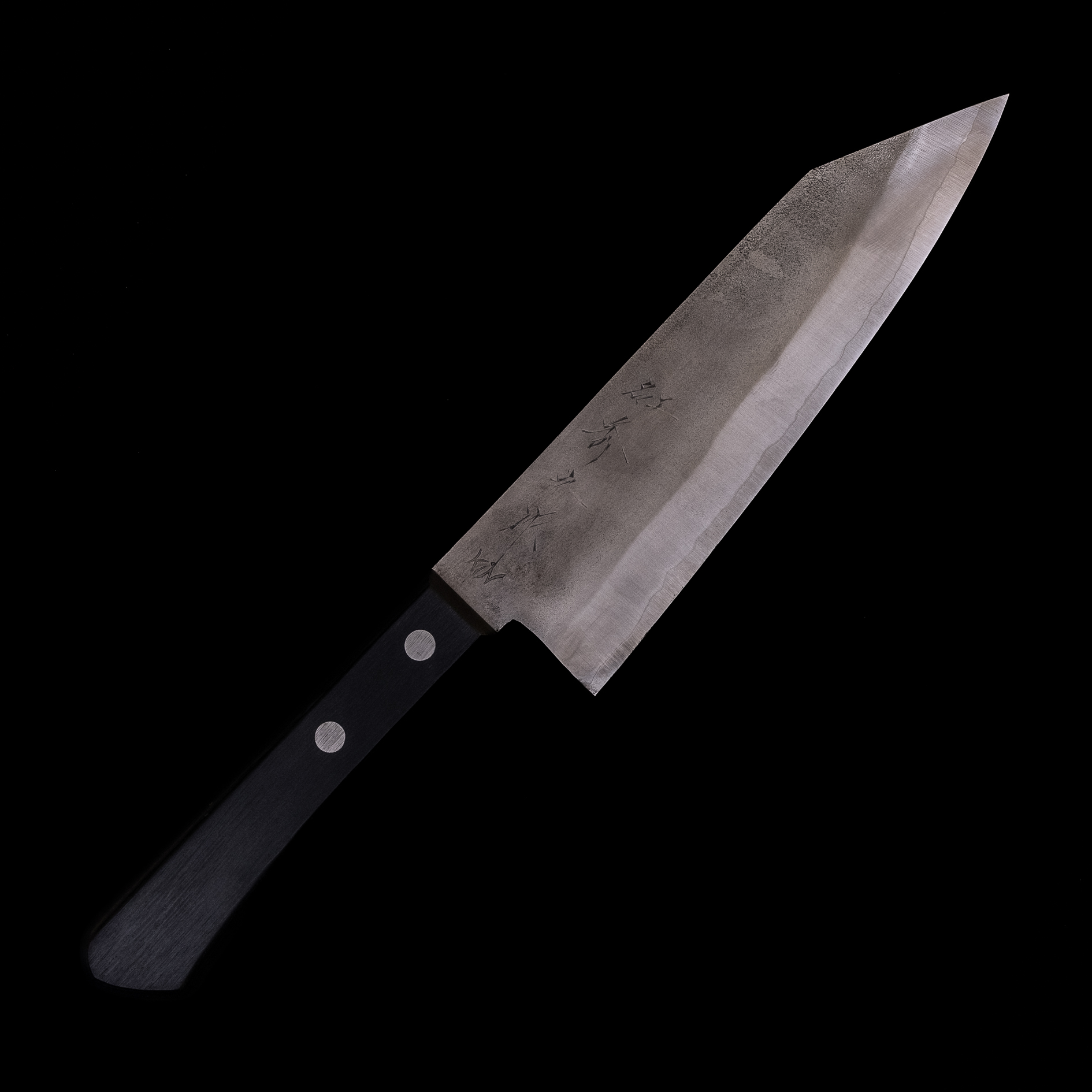
Anatomy and key features of the bunka knife blade shape
The bunka knife blade shape has clear parts that define its use. Know these to pick the right knife.
- Tip
The tip is often an angled, sheepsfoot-style point. It makes fine work like trimming and scoring easy. - Belly
The belly is gentle, not deep. It allows light rocking and smooth push cuts. - Spine and balance
The spine is usually slim for control. That helps when you need precise cuts or fast prep. - Blade length
Most bunka knives measure 5 to 7 inches. That length works well in small kitchens and for delicate tasks. - Grind and edge
Many bunka blades have a thin edge and a flat or slightly convex grind. This boosts slicing performance.
Understanding these features helps you match the bunka knife blade shape to your cooking style. The shape favors accuracy over heavy chopping.
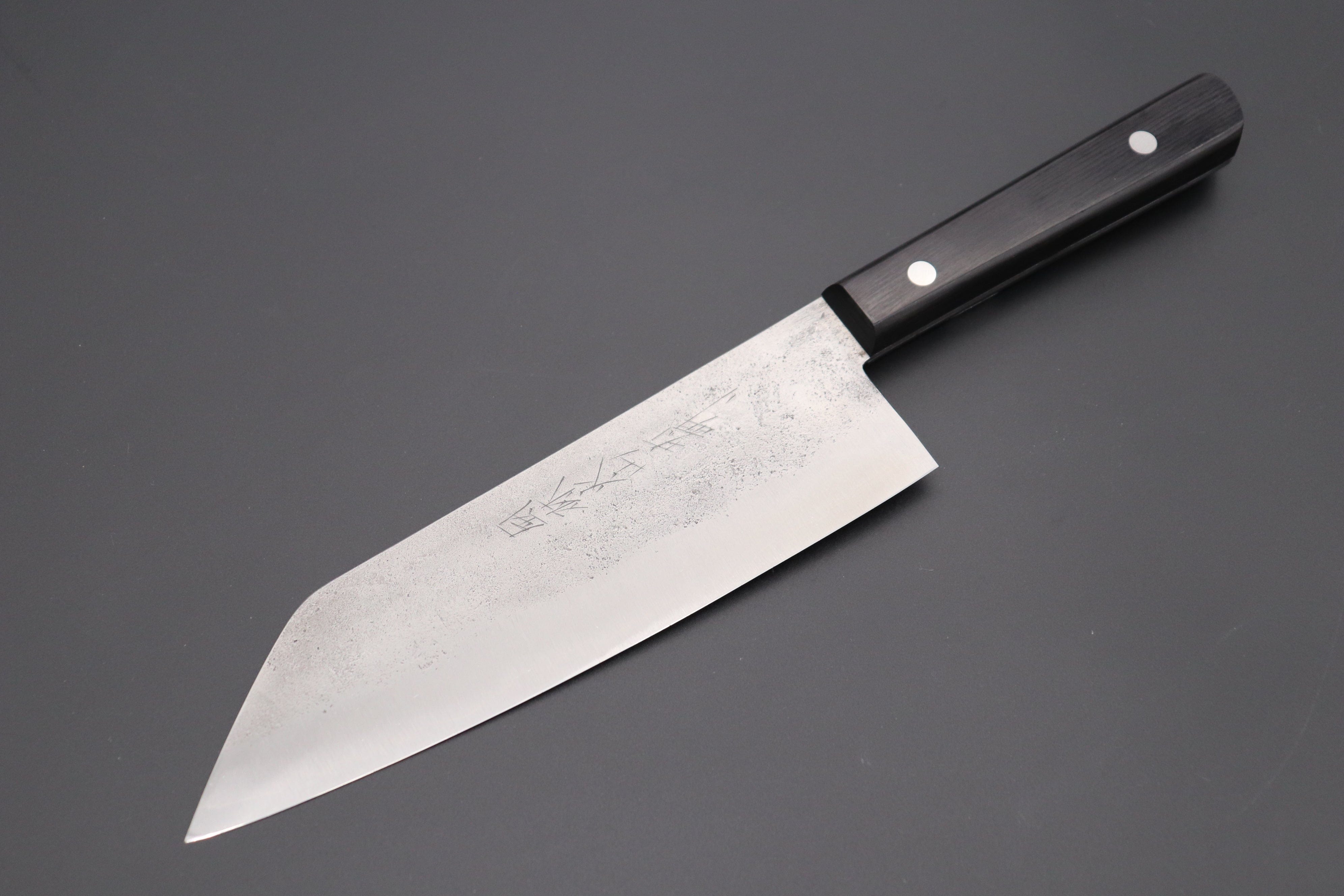
How the bunka knife blade shape compares to other blades
Comparing shapes helps you choose wisely. Here are clear differences.
- Versus santoku
The bunka knife blade shape has a sharper, more angled tip. The santoku often has a rounder tip and broader belly. - Versus gyuto
The gyuto is longer with a deeper belly for big slices. The bunka knife blade shape is shorter and better for small work. - Versus nakiri
The nakiri is a straight-edge vegetable knife for push cuts. The bunka is more versatile for both slicing and fine tip work.
If you want one knife for precise work and some slicing, the bunka knife blade shape is a strong choice. It fills the gap between specialty and general knives.

Best uses and tasks for the bunka knife blade shape
The bunka knife blade shape excels in many kitchen tasks. Here are common uses.
- Precision trimming
The angled tip is perfect for trimming fat and sinew. - Vegetables
The modest belly handles thin slices and juliennes well. - Filleting small fish
The point helps with quick, controlled cuts. - Garnishes and scoring
The sharp tip makes decorative cuts easy.
Is a bunka good for slicing large cuts? It can slice well, but long cuts may be better with a longer blade. Use the bunka for control tasks and moderate slicing.

Choosing the right bunka knife
Choosing a bunka with the right specs makes a big difference. Focus on fit, steel, and grind.
- Blade steel
High-carbon stainless steels offer good edge retention and low rust risk. Harder steels hold an edge longer. - Length and weight
Pick 5 to 7 inches for home use. Lighter blades give speed; heavier blades add momentum. - Handle style
Western handles suit those who prefer heft. Japanese handles often feel lighter and more balanced. - Edge geometry
A thin edge (15–20 degrees per side) slices cleanly. Double-bevel edges are common and versatile.
Try the knife in your hand before buying if you can. The right bunka knife blade shape should feel balanced and natural.

Care, sharpening, and maintenance for the bunka knife blade shape
Keep the bunka knife blade shape at peak performance with simple care steps.
- Daily care
Wash by hand and dry immediately. Avoid dishwashers to protect the edge. - Honing
Hone regularly to realign the edge. Use a ceramic rod or steel with a light touch. - Sharpening
Use a whetstone for best results. Hold the angle steady, matching the factory bevel when possible. - Storage
Store in a block, sheath, or on a magnetic strip to avoid edge damage.
Sharpening the bunka knife blade shape at 15–20 degrees per side works for most steels. Test with thin slices to confirm sharpness.
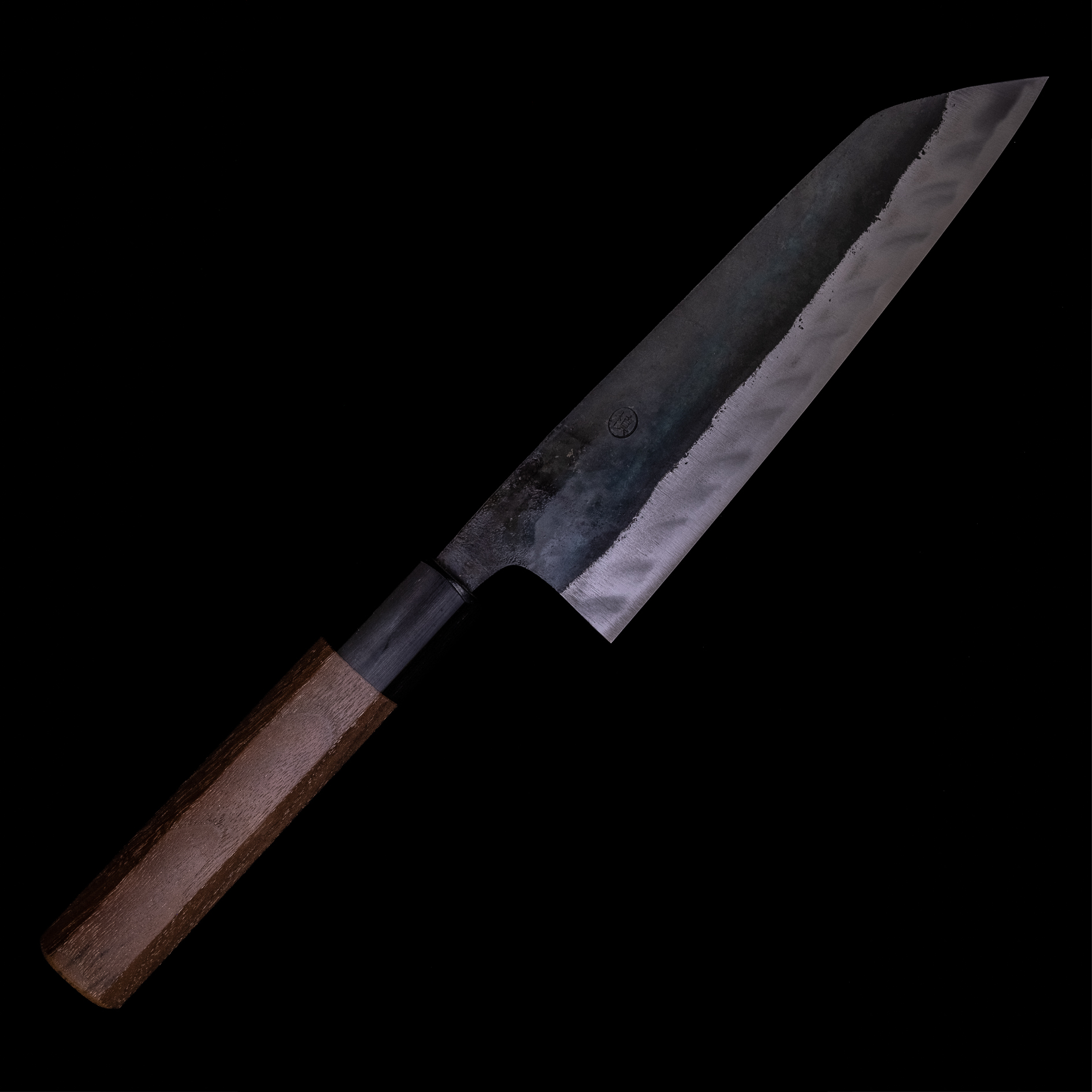
Personal experience and practical tips
I swapped a chef's knife for a bunka in a small kitchen. The bunka knife blade shape saved time on prep. I found it best for herbs, peppers, and fillets.
A few lessons learned:
- Don’t push it for heavy bones. The bunka is not made for heavy cleaving.
- Keep the tip sharp. The angled tip loses utility when dull.
- Match the knife to tasks. Use the bunka for detail work and a longer knife for big roasts.
One tip I repeat: practice thin slicing. The bunka knife blade shape rewards a steady hand. Short, confident strokes give the cleanest cuts.

Frequently Asked Questions of bunka knife blade shape
What makes the bunka knife blade shape unique?
The bunka knife blade shape blends a sheepsfoot tip with a mild belly. This mix gives precise tip work and decent slicing in a compact form.
Is a bunka knife good for beginners?
Yes. The bunka knife blade shape is forgiving and easy to control. It suits cooks who want a nimble, all-purpose blade.
Can a bunka replace a chef’s knife?
It can in many home kitchens, but it may struggle with large roasts. Use a longer chef’s knife for big tasks.
How often should I sharpen a bunka knife?
Sharpen every few months with normal home use. Hone more often to keep the edge aligned between sharpenings.
What edge angle works best for a bunka?
A 15–20 degree per side angle balances sharpness and durability. Hard steels can use a slightly lower angle for extra sharpness.
Is the bunka good for vegetables?
Yes. The bunka knife blade shape is excellent for precise vegetable work. It handles thin slicing and small dice well.
Conclusion
The bunka knife blade shape offers precision, control, and compact versatility. It fits cooks who want a nimble blade for trimming, slicing, and detailed work. Try one if you value fine control in a small package.
Take action now: test a bunka in your kitchen, practice thin slices, and tune the edge to your style. Share your experience or questions below to keep the conversation going.
Maliha Khatun has spent 5 years hands-on testing Japanese knives for everyday home cooks. She has evaluated over 60 blades across nakiri, santoku, gyuto, and petty categories — scoring each on edge retention, steel quality, handle comfort, and value for money. She writes to help home cooks buy the right knife without the guesswork.
Expertise:Japanese Knives • Vegetable Knives • Product Reviews • Kitchen Efficiency • Knife Care
Leave a Reply