The bunka knife profile blends a tall, angled blade with a sharp point and shallow belly.
I have spent years testing kitchen knives and teaching cooks how blade shapes affect technique. This guide explains the bunka knife profile clearly and practically. You will learn what it is, why chefs choose it, how its geometry changes cutting, and how to pick and care for one. Expect hands-on tips from my own kitchen trials and clear answers you can use today.

What is a bunka knife profile?
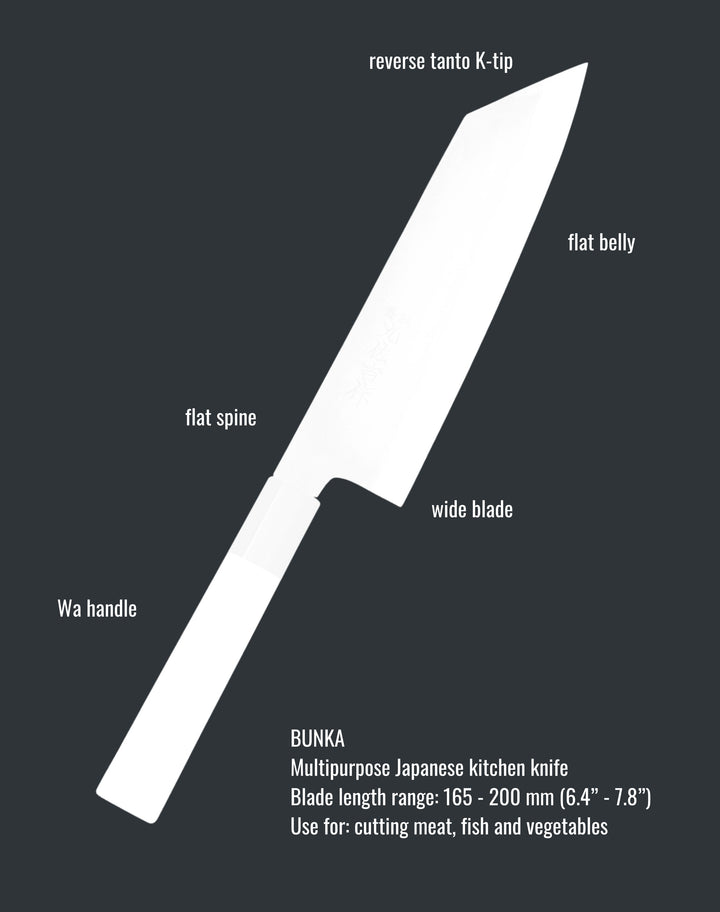
The bunka knife profile is a Japanese-style blade shape. It has a tall spine, a sharply angled tip, and a mostly flat edge with a slight belly. That shape blends chopping power with precise tip work. Many cooks use the bunka knife profile for veg prep, thin slicing, and small boning tasks.
Source: sharpedgeshop.com
Design features and geometry
The bunka knife profile mixes three main geometry traits. It has a tall blade that gives knuckle clearance when chopping. The tip is angled down in a chisel-like point that makes piercing and fine cuts easy. The edge shows a shallow belly, so rocking cuts are still possible but less pronounced than with a chef’s knife.
Common geometry specs you will see
- Blade height usually ranges from 4 to 6 inches at the spine.
- Tip angle is steeper than a Western chef knife for control.
- Edge grind can be double-beveled or single-beveled depending on maker.
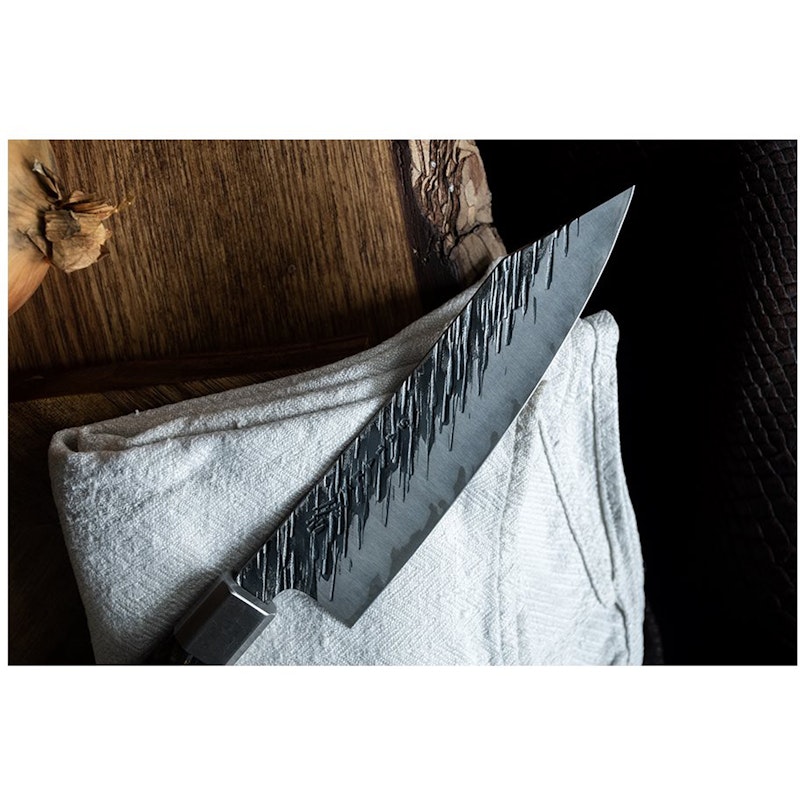
My experience shows the bunka knife profile balances force and fine control. The tall spine supports straight downward cuts. The point excels at trimming and scoring. This combination is why the profile is popular with home cooks and pros.
Source: co.uk
How it’s used: techniques and cuts
The bunka knife profile fits many kitchen tasks. Use these techniques to get the most from the blade.
- Chop and push cuts: The tall spine makes straight chops easier and safer.
- Tip work: Use the angled tip for scoring, deveining shrimp, and trimming fat.
- Slicing: The mostly flat edge gives long, clean slices on vegetables and fish.
- Control cuts: The shorter belly helps when you need precise, short strokes.
I learned to adopt a slightly different grip with the bunka knife profile. Hold it closer to the blade for tip work, and move your wrist less for straight chops. This small change improves speed and reduces fatigue.

Source: sharpedgeshop.com
Materials and construction
Bunka knives come in many steels and constructions. Common options include:
- High-carbon stainless steel for a mix of sharpness and low maintenance.
- Traditional carbon steel for edge retention and easier sharpening, but with care needs.
- Laminated steels with a harder core and softer cladding for toughness and a classic look.
Handle styles vary from Western full tang to traditional Japanese wa handles. Construction affects balance and feel. I prefer a well-balanced bunka knife profile with a slightly lighter handle for daily prep. That balance helps when switching between chopping and delicate work.

Source: zahocho.com
Benefits and limitations
Benefits of the bunka knife profile
- Versatility for vegetables, fish, and light meat work.
- Strong tip for precise tasks.
- Tall spine for knuckle clearance during chopping.
Limitations to consider
- Not ideal for heavy bone cutting or full cleaver work.
- Rocking motion is less natural than with a curved chef’s knife.
- Single-bevel versions require extra skill for sharpening and use.
From years of testing, the bunka knife profile is a versatile daily driver. It is best for cooks who value precision and compact blade geometry over large rocking cuts.

Source: sharpedgeshop.com
Care and maintenance
Taking care of a bunka knife profile is simple and keeps performance high. Follow these steps.
- Hand wash with mild soap and dry immediately.
- Hone weekly to maintain edge alignment.
- Sharpen on a stone as needed, matching the original angle and grind.
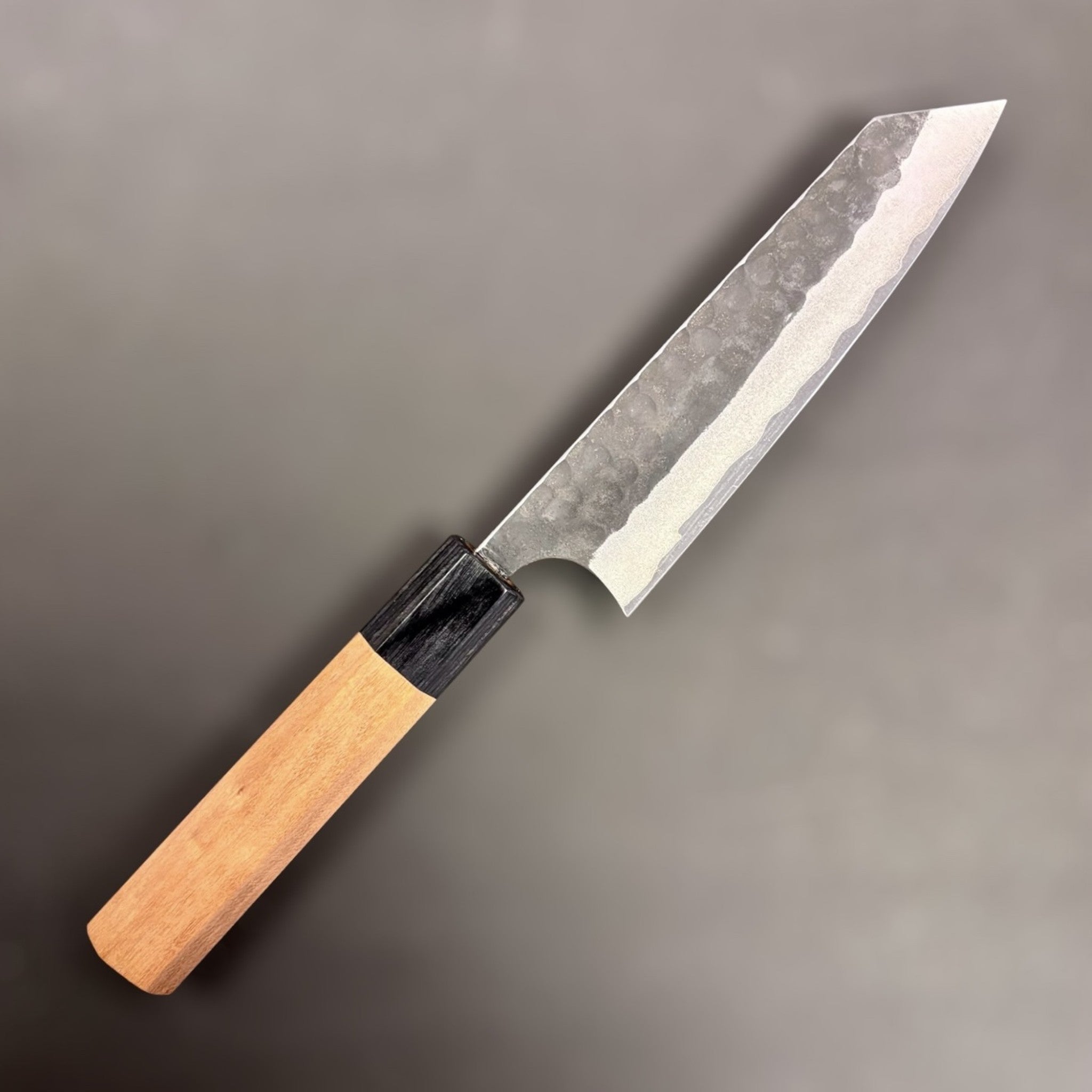
If you have a single-bevel bunka knife profile, learn the correct sharpening angle. I once ruined a fine edge by using too coarse a stone. Start with gentle maintenance and build your sharpening skill slowly to protect the blade.
Source: tokushuknife.com
Choosing the right bunka knife
Pick a bunka knife profile based on use, size, and feel.
- Size: Choose 6 to 7 inches for home cooks who want versatility.
- Grind: Pick double-bevel for ease or single-bevel for specialty tasks.
- Steel: Choose stainless for low upkeep or carbon for top sharpness.
Try knives in person when possible. Feel the balance, test the tip on simple cuts, and listen to the small differences in how a blade slides through food. My best purchases came after holding several knives and slicing a tomato to compare control.
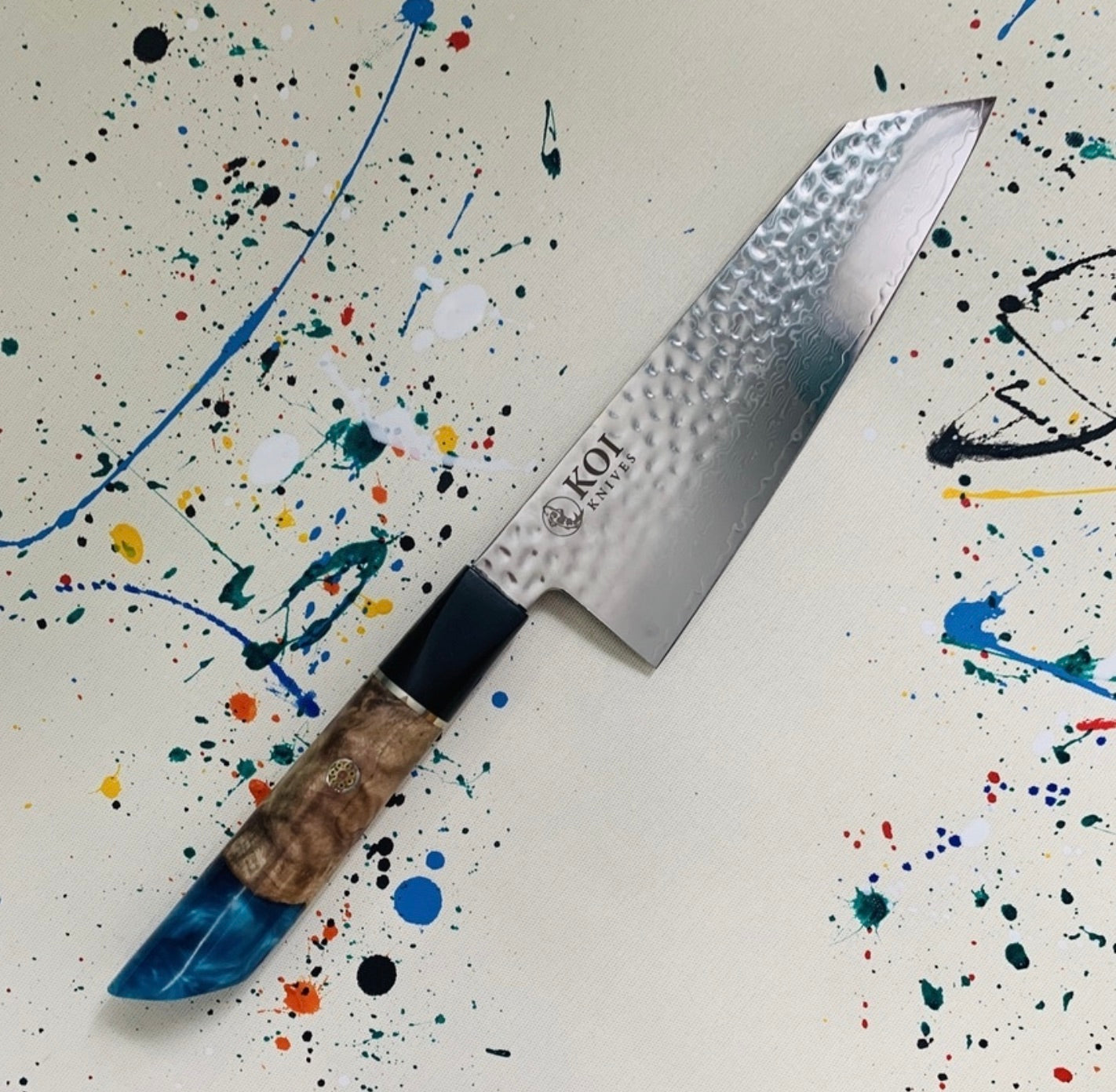
Source: koiknives.com
Frequently Asked Questions of bunka knife profile
What makes the bunka knife profile different from a santoku?
The bunka knife profile has a taller spine and a more pointed tip than a santoku. Santoku blades usually have a flatter, more uniform tip and a gentler belly.
Is a bunka knife profile good for beginners?
Yes. A bunka knife profile is beginner-friendly because it handles many tasks well and feels predictable. Beginners should start with a double-bevel grind for easier sharpening.
Can I use a bunka knife profile for meat?
You can use it for light meat cutting and trimming, but it is not designed for heavy bone work. For large cuts or bones, use a cleaver or boning knife.
How often should I sharpen a bunka knife profile?
Sharpen on a stone when honing no longer restores a keen edge; for many users this is a few months of regular use. Hone weekly to extend the time between full sharpenings.
Are single-bevel bunka knives worth it?
Single-bevel bunka knives offer extremely precise cuts and a unique feel for trained users. They require more skill to sharpen and use, so they suit experienced cooks.
Conclusion
The bunka knife profile is a smart choice for cooks who want a compact, precise, and versatile blade. It combines a tall spine, angled tip, and shallow belly to deliver both power and control. Test the balance, choose the right grind for your skill level, and keep a simple maintenance routine to enjoy the knife for years. Try one at a local shop, practice a few tip-focused cuts, and share your results or questions below to get tailored advice.
Maliha Khatun has spent 5 years hands-on testing Japanese knives for everyday home cooks. She has evaluated over 60 blades across nakiri, santoku, gyuto, and petty categories — scoring each on edge retention, steel quality, handle comfort, and value for money. She writes to help home cooks buy the right knife without the guesswork.
Expertise:Japanese Knives • Vegetable Knives • Product Reviews • Kitchen Efficiency • Knife Care
Leave a Reply