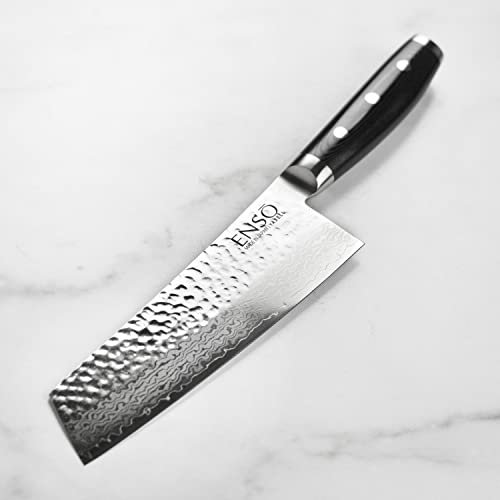
The bunka knife for meat combines precise slicing with a pointed tip for trimming and portioning.
I’ve trained and cooked with many Japanese knives. I’ll explain why the bunka knife for meat is a smart choice for home cooks and pros. This guide covers what a bunka knife for meat is, how its shape helps with trimming, slicing, and portioning, and how to buy and care for one. Read on for clear steps, real-world tips from my kitchen work, and practical buying advice.
What is a bunka knife?
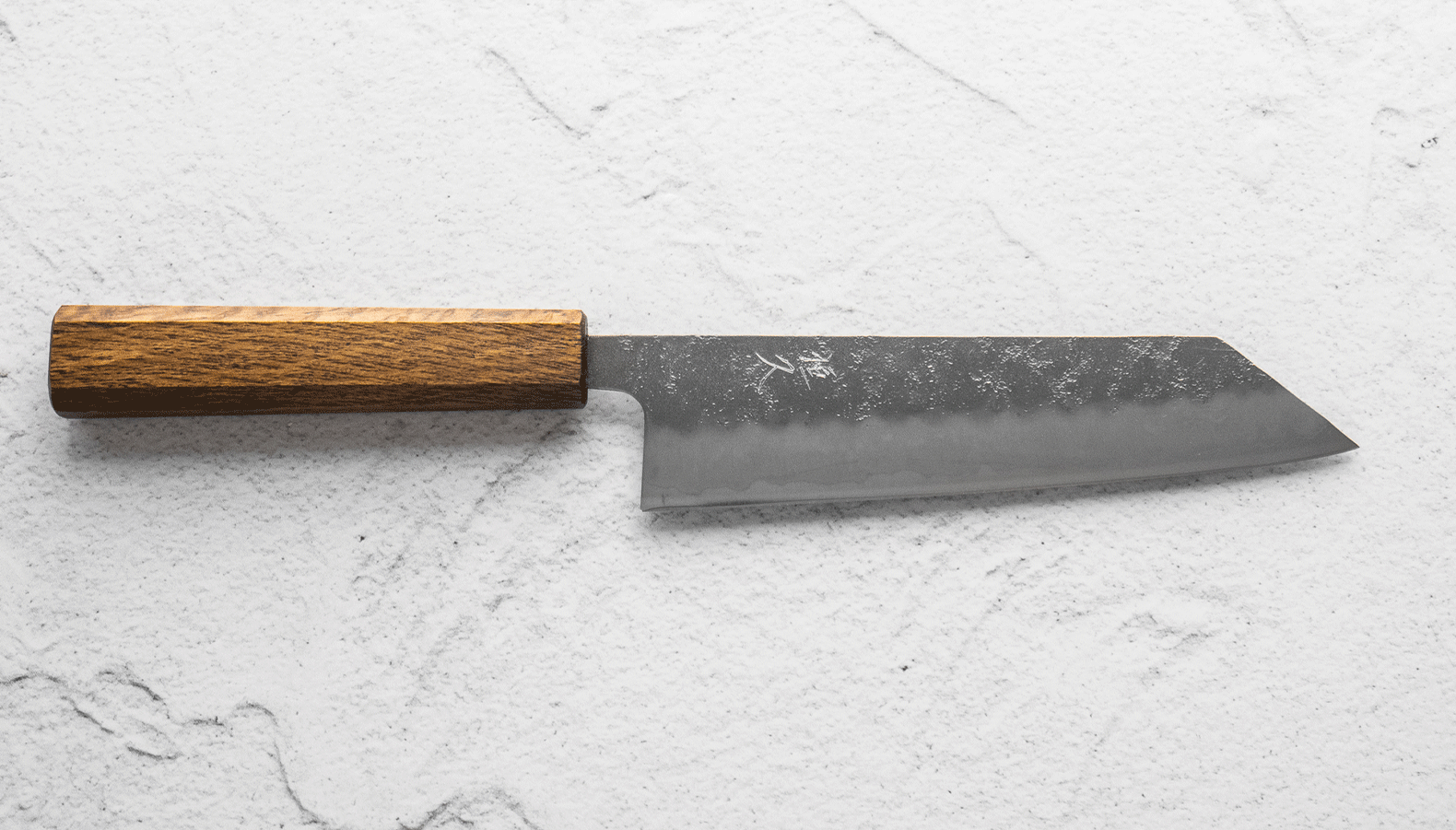
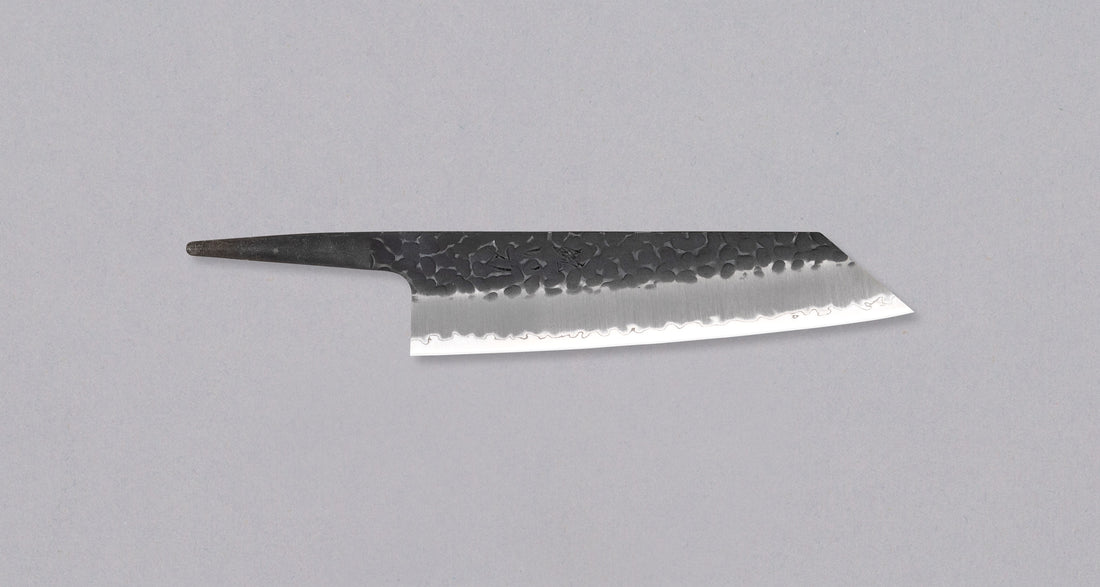
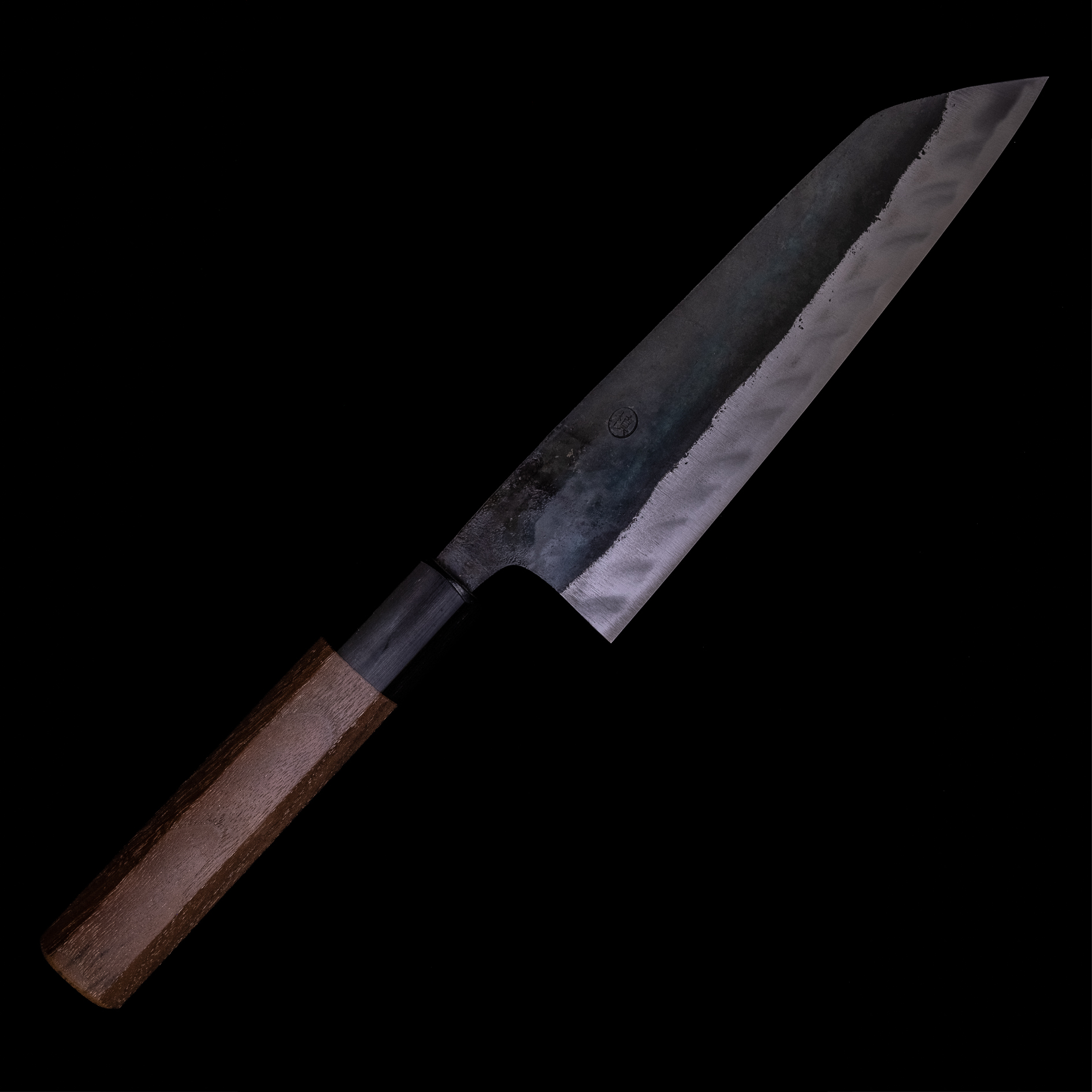
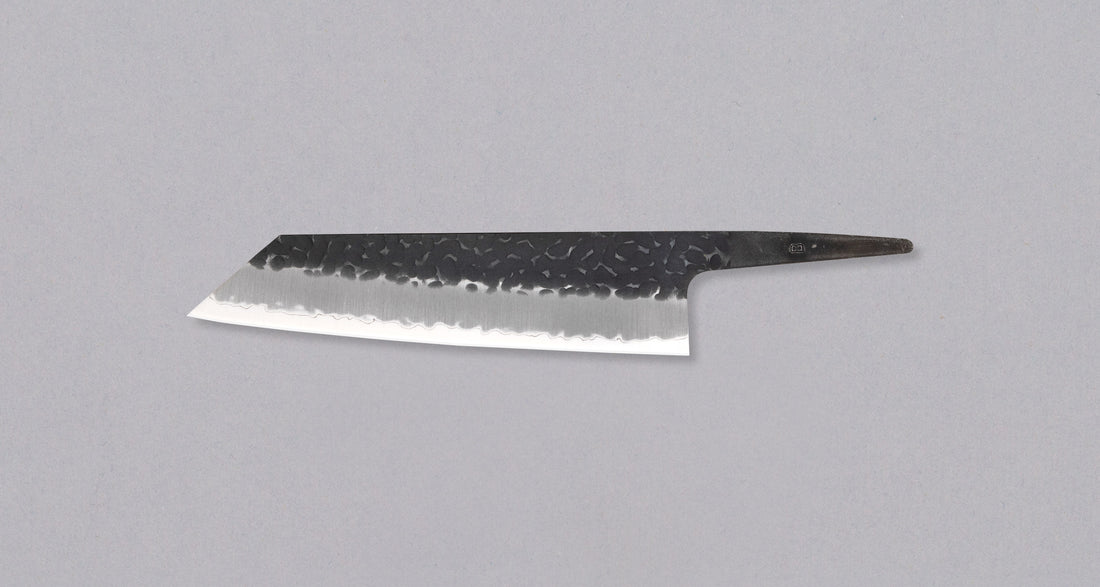
A bunka knife is a Japanese all-purpose knife with a flat belly and a sharp, angled tip. It bridges the gap between a santoku and a petty knife. The bunka knife for meat offers a pointed tip that makes piercing and fine trimming easy. Its blade length often ranges from 5 to 7.5 inches. The shape gives control when you need both slicing and precise cutwork.
Source: sharpedgeshop.com
Why a bunka knife for meat works well
The bunka knife for meat fits many tasks you do with meat. The pointed tip is great for removing silver skin and cutting around bones. The flat belly helps push cuts cleanly through muscle fibers. You get a blend of fine control and slicing power. For small roasts, steak trimming, and portioning, a bunka knife for meat is fast and accurate.
Source: kinknives.com
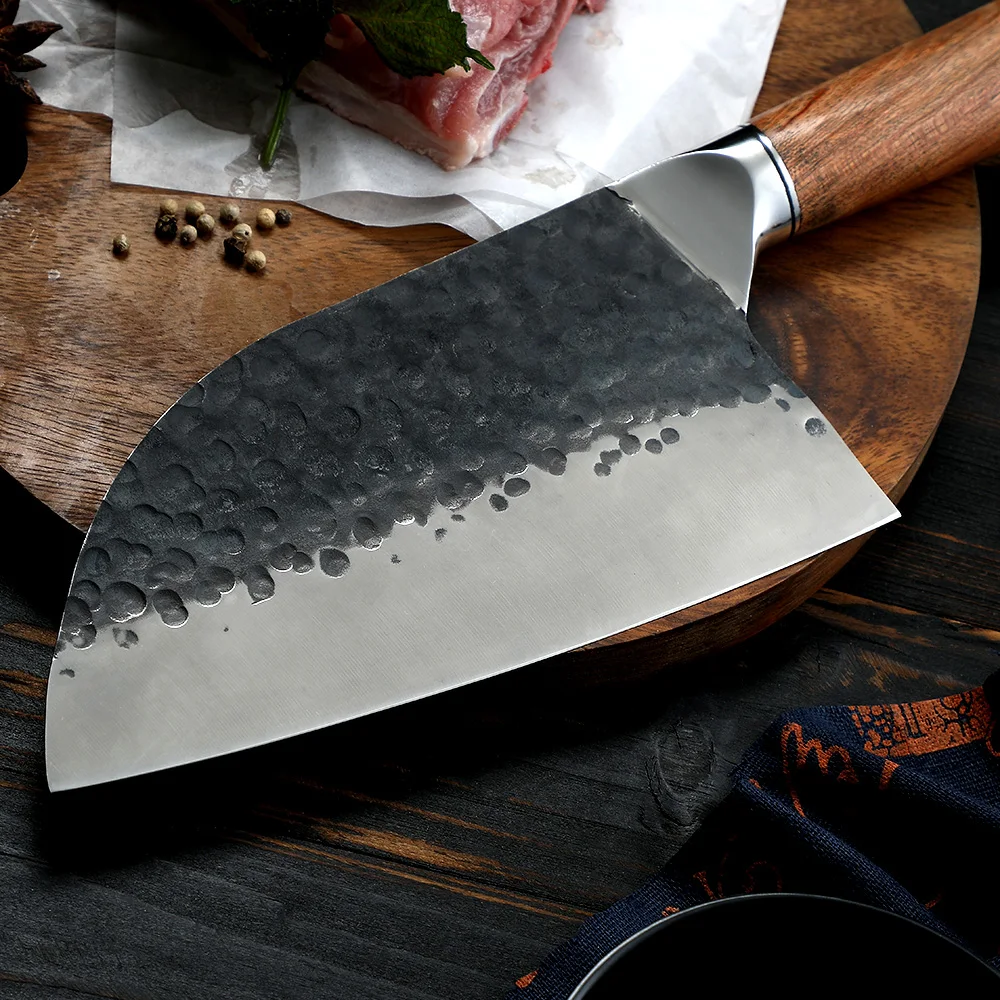
Anatomy and blade details
Blade shape and grind matter when using a bunka knife for meat. Here are the key parts to understand.
- Blade tip
- The angled tip lets you pierce and trim around joints.
- Belly and edge
- The moderate belly helps straight slicing and short rocking motions.
- Spine and thickness
- A thin spine gives a keen edge for clean cuts through meat.
- Steel types
- High-carbon steel holds a fine edge but needs care.
- Stainless steel resists rust and is easier to maintain.
Know the steel and grind before you buy. A fine edge means cleaner slices and less tearing. That improves texture and presentation when prepping meat.
Source: hikariknife.com
How to use a bunka knife for meat: techniques
Use the bunka knife for meat with simple, safe techniques. Keep cuts short and controlled. Here are step-by-step uses.
- Trimming fat and silver skin
- Anchor the meat with your non-knife hand.
- Use the pointed tip to separate membrane from meat.
- Work slowly to avoid removing too much meat.
- Portioning and slicing
- Let the knife do the work. Use long, even slices.
- For steaks, slice against the grain for tenderness.
- Breaking down small joints
- Use the tip to find seams.
- Follow joints with small, precise cuts until the piece separates.
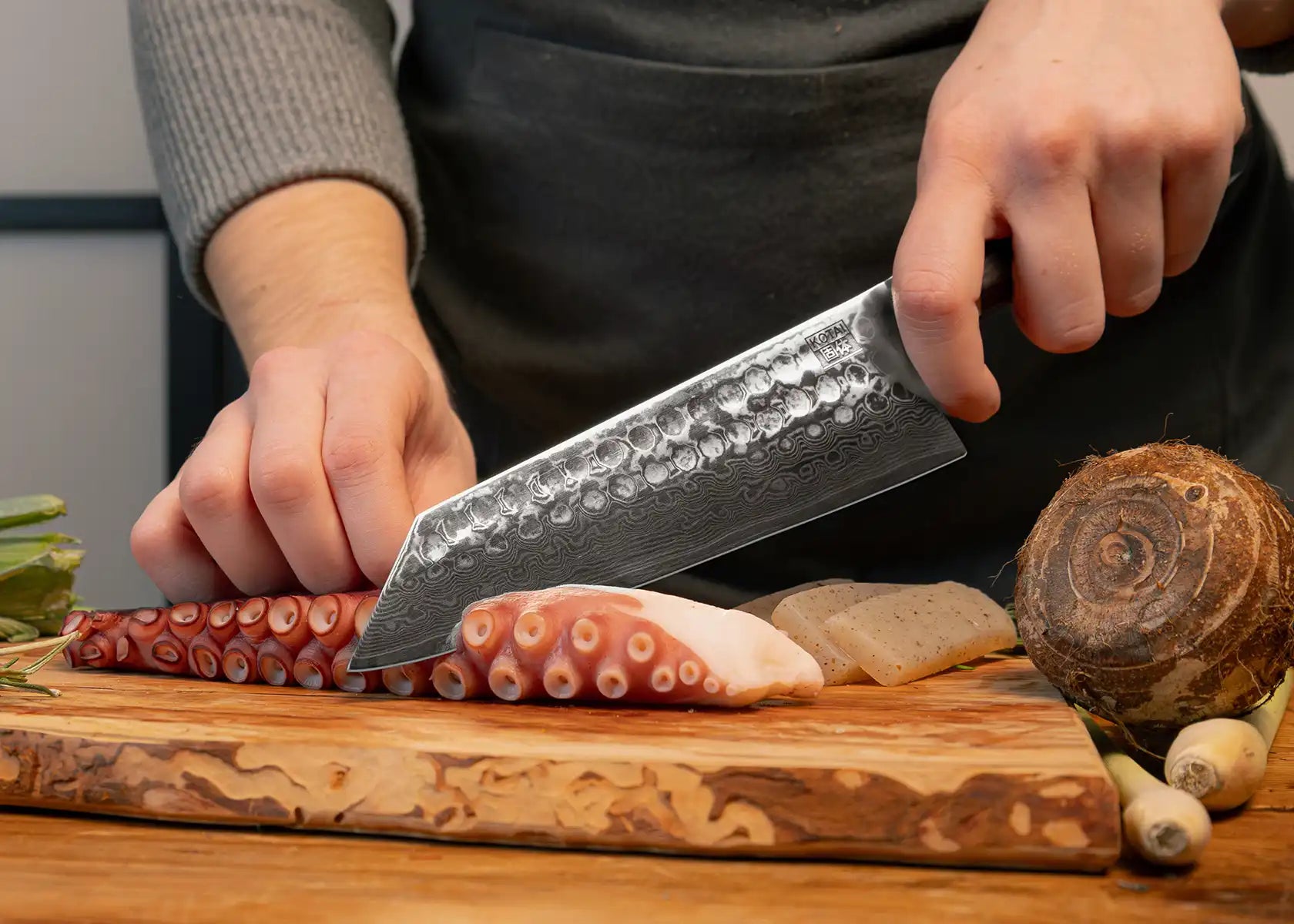
- Thin slicing for carpaccio or stir fry
- Chill meat slightly to firm it up.
- Use smooth pulls for thin, consistent slices.
These simple moves make the bunka knife for meat an efficient tool for most home and pro tasks.

Source: sharpedgeshop.com
Care, sharpening, and maintenance
Proper care keeps your bunka knife for meat sharp and safe. Follow these steps.
- Daily care
- Hand wash with mild soap and dry immediately.
- Honing
- Hone often with a ceramic rod to realign the edge.
- Sharpening
- Use a whetstone for a proper edge. Start at the manufacturer’s angle.
- For stainless steels, use a medium 1000-grit stone, then 3000–6000 grit for a polish.
- Rust prevention
- Oil high-carbon blades lightly after drying.
- Storage
- Use a magnetic strip, wooden sheath, or knife block to protect the edge.
I sharpened a bunka knife for meat weekly when I worked in a busy kitchen. That cadence kept slicing clean and reduced muscle fatigue.
Source: sharpedgeshop.com
Buying guide: choosing the right bunka knife for meat
Picking the right bunka knife for meat means balancing size, steel, and budget. Consider these factors.
- Blade length
- 5 to 7.5 inches suits most meat tasks.
- Steel type
- Choose high-carbon for edge retention and stainless for low maintenance.
- Edge angle
- Japanese edges are sharper at 15–20 degrees per side. That means cleaner slices.
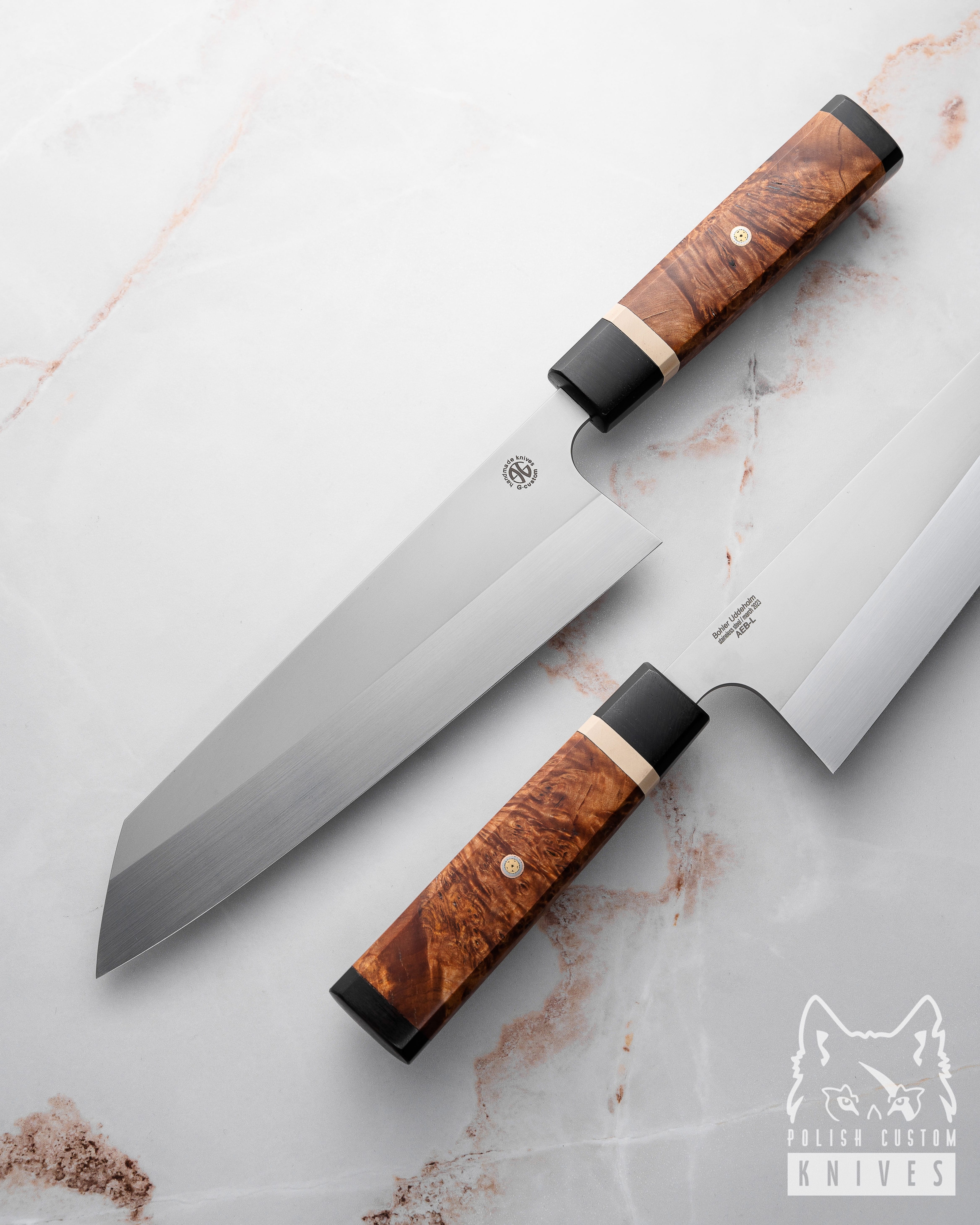
- Handle comfort
- Look for a handle that fits your grip. Don’t buy just for looks.
- Construction
- Full-tang or wa-handle? Full-tang adds weight and balance; wa-handles feel lighter and traditional.
- Price and warranty
- Mid-range knives often give the best value for home cooks.
Try holding the knife in a store if you can. Comfort beats fancy marketing.
Source: kotaikitchen.com
Comparisons: bunka vs other knives for meat
Compare the bunka knife for meat with common alternatives to see when it shines.
- Bunka vs santoku
- The bunka has a sharper tip. It trims better. Santoku is broader for scooping.
- Bunka vs gyuto
- Gyuto is longer and better for large roasts. Bunka is quicker for precision work.
- Bunka vs petty
- Petty handles small tasks, but lacks the bunka’s slicing length.
- Bunka vs boning knife
- Boning knives flex and clean bones. Bunka is stiffer and better for trimming and slicing.
Use a bunka knife for meat when you want more control than a chef’s knife but need more slicing length than a petty.
Source: polishcustomknives.com
Common mistakes and pro tips
Avoid these mistakes when using a bunka knife for meat. Follow these pro tips I learned over years in kitchens.
- Mistake: using a dull knife
- A dull bunka knife for meat tears fibers and makes work harder.
- Mistake: cutting too fast
- Rushing leads to uneven cuts and injuries.
- Tip: keep meat cool
- Slightly chilled meat slices better and cleaner.
- Tip: practice edge angles
- Learn your knife’s angle. It makes sharpening faster and more precise.
- Tip: pair with the right board
- Use a soft wood or plastic board to protect the edge.
A clear lesson: a well-kept bunka knife for meat speeds prep and yields better results.
Frequently Asked Questions of bunka knife for meat
Can a bunka knife be used as a boning knife?
Yes. A bunka can handle light boning and trimming, but it lacks the flexibility of a true boning knife. For heavy deboning, use a dedicated boning blade.
Is a bunka knife good for cutting raw beef thinly?
Yes. The bunka knife for meat is well suited to thin slices when the meat is chilled. Its sharp edge gives clean cuts and good presentation.
How often should I sharpen a bunka knife for meat?
Sharpen when honing no longer restores the edge, typically every few months for home use. In a busy kitchen, sharpening weekly or biweekly keeps peak performance.
Should I choose carbon steel or stainless for a bunka knife for meat?
Choose carbon steel for edge retention and ease of sharpening, but be ready for more care. Pick stainless if you want lower maintenance and rust resistance.
Can I use a bunka knife on frozen meat?
No. Avoid cutting frozen meat. It can chip the edge and damage the blade. Thaw until firm but not rock solid for best results.
How do I hold a bunka knife for meat for best control?
Use a pinch grip on the blade with the thumb and forefinger, and curl the rest of your fingers on the handle. This gives control for trimming and slicing.
Is a bunka knife for meat suitable for home cooks?
Yes. The bunka knife for meat is a versatile tool that fits many home tasks. It is especially handy for cooks who value precision without owning many knives.
Conclusion
The bunka knife for meat is a versatile, precise tool that fills a useful middle ground in the kitchen. It trims, slices, and portions with control. Care and the right steel choice keep it reliable. Try one with a blade length that fits your prep style, and practice simple techniques like chilled slicing and correct sharpening. Start by testing a mid-range bunka knife for meat and build skills from there. If this guide helped, leave a comment, subscribe for more knife and cooking gear tips, or share your bunka knife for meat story.
Maliha Khatun has spent 5 years hands-on testing Japanese knives for everyday home cooks. She has evaluated over 60 blades across nakiri, santoku, gyuto, and petty categories — scoring each on edge retention, steel quality, handle comfort, and value for money. She writes to help home cooks buy the right knife without the guesswork.
Expertise:Japanese Knives • Vegetable Knives • Product Reviews • Kitchen Efficiency • Knife Care
Leave a Reply