Bunka knife cutting techniques let you slice vegetables quickly with precision and clean edges.
I have used bunka knives for years in busy kitchens and at home. This guide breaks down bunka knife cutting techniques step by step. You will learn the knife’s shape, how to hold it, core cuts, practice drills, maintenance, and common mistakes. My goal is to give clear, usable advice so you can cut faster, safer, and with more control.

Understanding the bunka knife and why it matters
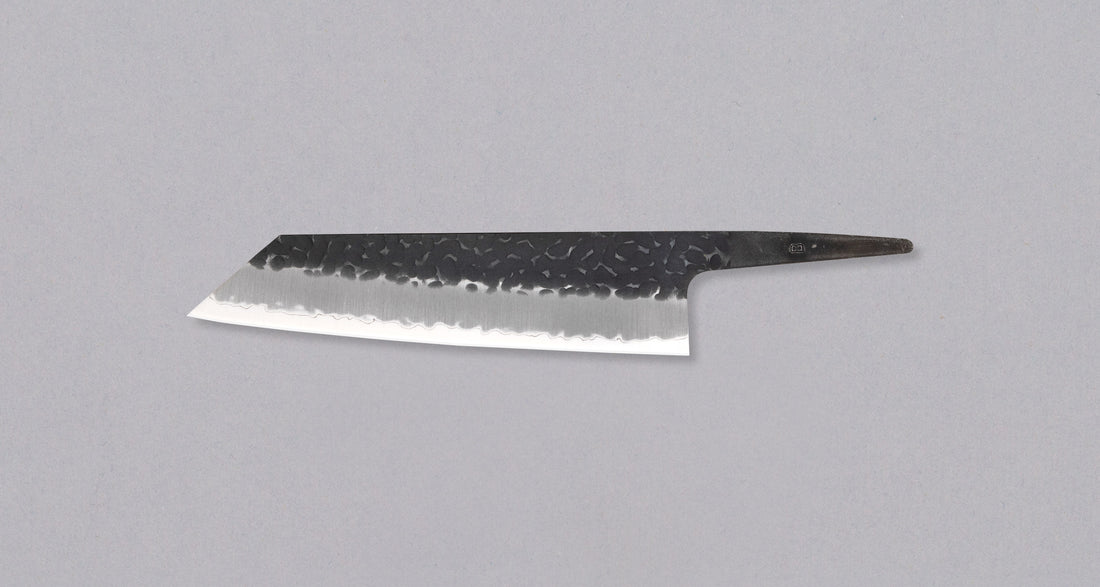
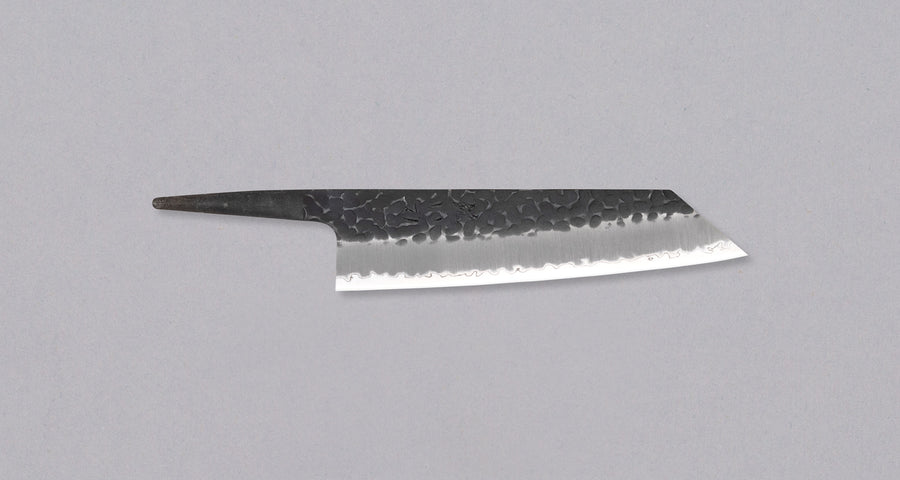
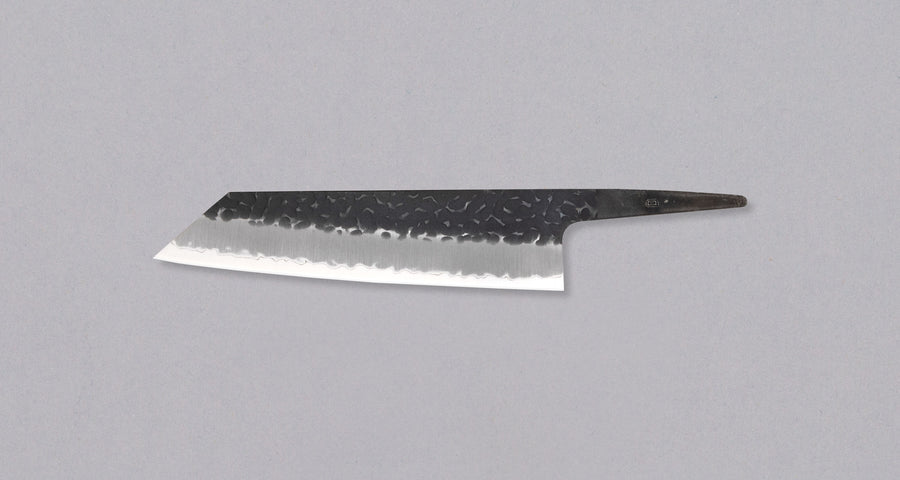
The bunka knife is a versatile Japanese chef’s knife with a sharp tip and a slightly angled belly. Its shape blends the utility of a nakiri and the tip control of a petty knife. Learning bunka knife cutting techniques unlocks speed and precision for vegetables, boneless meat, and delicate protein.
Key features that shape technique:
- Blade tip for precise work and pick-up.
- Medium-length blade for control and reach.
- Flat-ish belly for straight push cuts and light rocking.
- Usually double-bevel, good for both right and left hands.
How the shape changes technique:
- Use the tip for detail work like trimming and small dice.
- Use the center to heel area for slices and thin cuts.
- Use a controlled forward slice to minimize tearing and bruising.
Experience note: My first week using a bunka, I switched from heavy rock-chopping to a forward slicing rhythm. That small change cut prep time and gave much cleaner vegetable edges. The bunka knife cutting techniques rely on matching motion to blade geometry.
 techniques”
style=”max-width: 100%; height: auto; border: 2px solid black; border-radius: 10px; display: block; margin: 0 auto;”
loading=”lazy”
/>
Essential bunka knife cutting techniques
Below are core cuts and the motion to use with a bunka. Master these to apply the bunka knife cutting techniques effectively.
Basic grips and stance before cuts:
- Feet shoulder-width, non-dominant foot slightly back.
- Hold the knife with a pinch grip for control.
- Curl the guide-hand fingers to use knuckles as a fence.
Core cuts:
- Slice (thin or thick)
- Pull the blade toward you while moving slightly forward.
- Use the center to heel for long clean slices.
- Forward push cut (chopping)
- Press down and push forward in a single motion to cut through tough veg.
- Keep the tip near the board and use the belly.
- Rock-slice (gentle rocking)
- Use small rock motions for herbs or soft veg; keep tip contact light.
- Julienne and batonnet
- Make parallel slices, then stack and cut across for sticks.
- Dice and brunoise
- Slice thin, stack, cross-cut to size, then fine dice with tip work.
Step-by-step dicing example (onion):
- Halve the onion and lay cut-side down.
- Make horizontal cuts into the onion, stopping before the root.
- Make vertical cuts along the onion width.
- Slice across to create dice using the blade tip for control.
Practice these motions slowly at first. Speed comes after muscle memory.

Grips, hand positioning, and safety
A safe, consistent grip improves precision and prevents slips. Proper hand technique is central to bunka knife cutting techniques.
Pinch grip (preferred):
- Pinch the blade where it meets the bolster with thumb and index finger.
- Wrap remaining three fingers around the handle.
- This gives balance and control for both push and pull motions.
Guide-hand techniques:
- Curl fingers inward and let knuckles lead the cut.
- Keep the thumb tucked behind the fingers.
- Move the guide-hand back as you cut to maintain distance from the blade.
Safety tips:
- Keep the blade sharp; dull knives slip more.
- Use a stable board and a damp towel under it to stop sliding.
- Cut away from your body and never rush.
Real-world tip: In a rush, I once skimped on the pinch grip. Cuts were uneven and my wrist tired fast. Switching back to the pinch grip fixed both issues quickly.

How to adapt bunka knife cutting techniques for different ingredients
Different foods need slightly different approaches. The bunka is flexible; tune your motion by ingredient.
Vegetables:
- Firm veg like carrots: use push-and-forward cuts.
- Soft veg like tomato: use a gentle pull-slice to avoid crushing.
- Leafy herbs: use a steady rocking or roll-cut with the tip.
Proteins:
- Boneless fish: use long single strokes for thin fillets.
- Poultry strips: use a slicing motion across the grain.
Hard items:
- Use the heel for roots and squash.
- Avoid cutting through bone; bunka is not a cleaver.
Adaptation note: I use bunka knife cutting techniques for salad prep, then switch to a slightly faster pull slice for salmon. The bunka handles both tasks well when you match motion to ingredient.

Maintenance, sharpening, and edge care
A consistent edge makes bunka knife cutting techniques reliable. Follow these steps to keep your bunka sharp and safe.
Daily care:
- Wipe and dry the blade after each use.
- Store in a block or on a magnetic strip.
Honing:
- Use a ceramic rod at a shallow angle to realign the edge.
- A few passes each side keeps the knife responsive.
Sharpening on a stone:
- Typical double-bevel angle: 15–20 degrees per side.
- Soak stone if required, keep angle steady, and use even strokes.
- Finish with a light stropping to remove burrs.
Professional service:
- Have your bunka professionally sharpened once or twice a year if used heavily.
Personal tip: I sharpen on a 1000/6000 grit combo stone. The knife cuts like new after a few consistent sweeps. It also makes practicing bunka knife cutting techniques safer and more fun.
Practical drills and exercises to build skill
Practice that mimics real tasks builds speed and accuracy. Use these structured drills to master bunka knife cutting techniques.
Daily drills:
- 5-minute onion dice: focus on consistent cube size.
- 3-minute carrot julienne: build steady parallel slices.
- 2-minute herb chiffonade: control the tip.
Progression plan (week by week):
- Week 1: Slow practice with focus on grip and stance.
- Week 2: Timing and rhythm; aim for cleaner edges.
- Week 3: Speed drills and mixed ingredient practice.
Recipe-based practice:
- Make a simple stir-fry: chop five vegetables with consistent size.
- Prepare sashimi-style salmon slices paying attention to stroke length.
Measuring improvement:
- Time your prep and count consistent pieces.
- Note edge quality and bruising.
I used these drills before dinner service. In two weeks I cut prep time in half. Small, daily practice made bunka knife cutting techniques second nature.

Common mistakes and how to fix them
Avoiding frequent errors speeds progress. These fixes make bunka knife cutting techniques safer and more effective.
Mistake: Sawing instead of slicing
- Fix: Use long, smooth strokes. Pull the blade slightly on each cut.
Mistake: Wrong grip or tension
- Fix: Relax the wrist and use the pinch grip. Tension slows you.
Mistake: Using tip only
- Fix: Use the middle and heel for long slices and the tip for detail.
Mistake: Dull blade
- Fix: Hone daily and sharpen on a stone when needed.
Mistake: Rushing without control
- Fix: Slow down, focus on consistent cuts, then add speed.
Short personal note: I once tried to speed through herb prep and ended up with torn leaves. Slowing the motion and using the tip gently repaired the look and flavor. The best bunka knife cutting techniques prioritize control before speed.
PAA-style questions (quick answers)
How should I hold a bunka knife for best control?
Pinch the blade near the bolster with thumb and index finger. Wrap the other fingers around the handle. This grip balances the knife and improves control.
Is the bunka knife good for slicing fish?
Yes. Use long, single-stroke slices and a steady hand to get thin, clean slices for fish.
Can I use a bunka for heavy chopping?
It can handle medium chopping but avoid cutting through bone. Use the heel for tougher items and a cleaver for bones.
Frequently Asked Questions of bunka knife cutting techniques
What is the best grip for bunka knife cutting techniques?
The pinch grip is best. It gives balance and fine control for both slicing and detail work.
How often should I hone my bunka for optimal cutting?
Hone before or after each use, or at least daily if you use the knife often. Honing keeps the edge aligned.
What angle should I sharpen a bunka knife to?
Aim for 15–20 degrees per side on a double-bevel blade. This angle balances sharpness and edge durability.
Can beginners learn bunka knife cutting techniques easily?
Yes. The blade shape helps beginners learn both fine cuts and everyday prep with practice and simple drills.
Are bunka knives suitable for left-handed cooks?
Most bunka are symmetrical double-bevel blades and work well for left-handed and right-handed users.
How do I prevent vegetables from bruising when using a bunka?
Use a clean single-stroke slice and avoid pressing too hard. A sharp edge and proper motion reduce bruising.
Is it okay to use a bunka for meat trimming?
Yes, for boneless meat and thin cuts. Use the tip for trimming and the center for slicing.
What maintenance tools should I own for bunka knife cutting techniques?
A ceramic honing rod, a 1000/6000 sharpening stone, a soft cloth, and a stable cutting board are key items.
Conclusion
Mastering bunka knife cutting techniques starts with understanding the knife’s shape, using the pinch grip, and practicing core cuts. Keep your blade sharp, practice short drills, and adapt your motion to each ingredient. Start slow, focus on control, then add speed.
Takeaway: Practice daily even for five minutes. Small, consistent work builds skill faster than rare long sessions. Try the drills above and track your progress.
If you found this guide helpful, try a practice drill today and leave a comment about your results or questions.
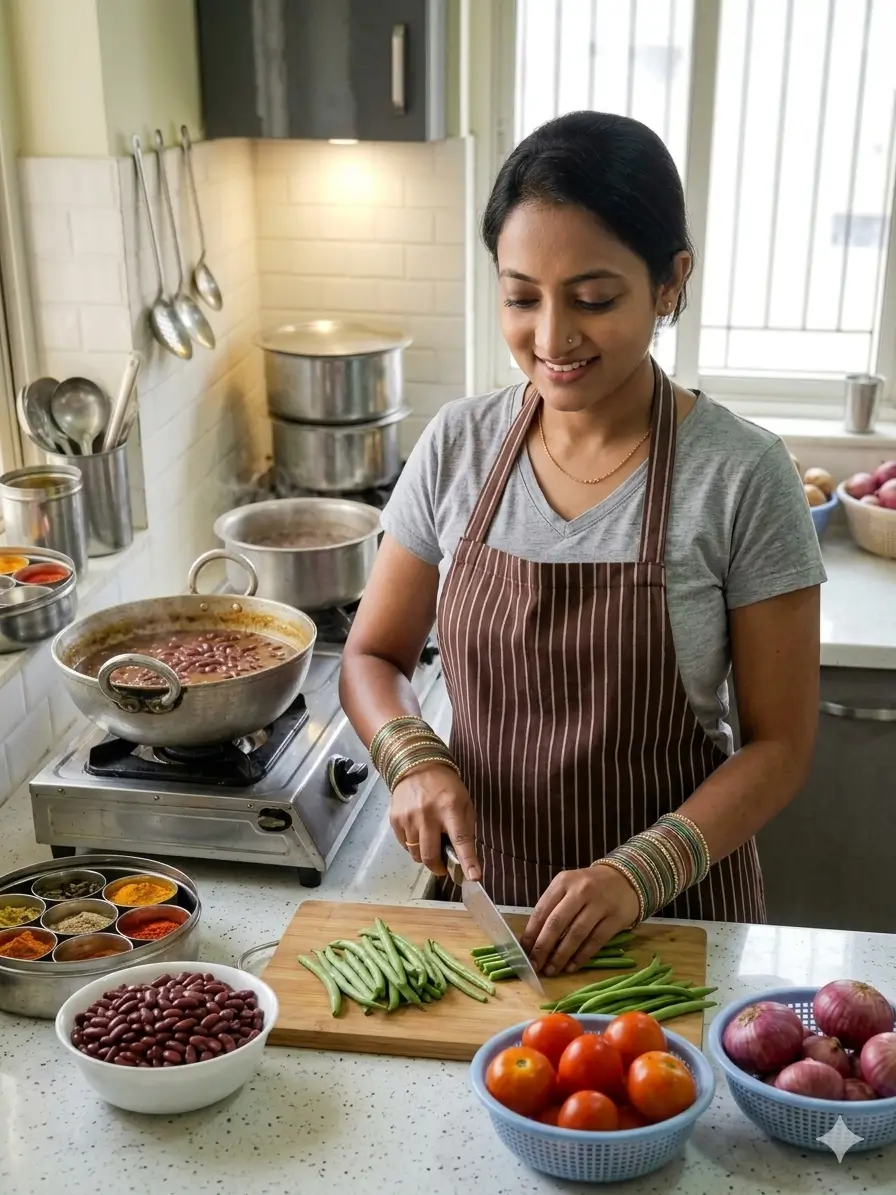
Maliha Khatun has spent 5 years hands-on testing Japanese knives for everyday home cooks. She has evaluated over 60 blades across nakiri, santoku, gyuto, and petty categories — scoring each on edge retention, steel quality, handle comfort, and value for money. She writes to help home cooks buy the right knife without the guesswork.
Expertise:Japanese Knives • Vegetable Knives • Product Reviews • Kitchen Efficiency • Knife Care
Leave a Reply