A bunka knife grind is a hybrid edge combining a flat grind with a partial hollow for crisp, controlled cuts.
I have used, tested, and sharpened many Japanese-style blades. I will walk you through what the bunka knife grind is, how it differs from other grinds, how it performs in the kitchen, and how to care for it. This guide covers technical details, real-world tips from my experience, sharpening advice, and buying guidance so you can choose and use a bunka knife grind with confidence. Read on to master the grind and improve your slicing, dicing, and peeling skills.

What is the bunka knife grind?
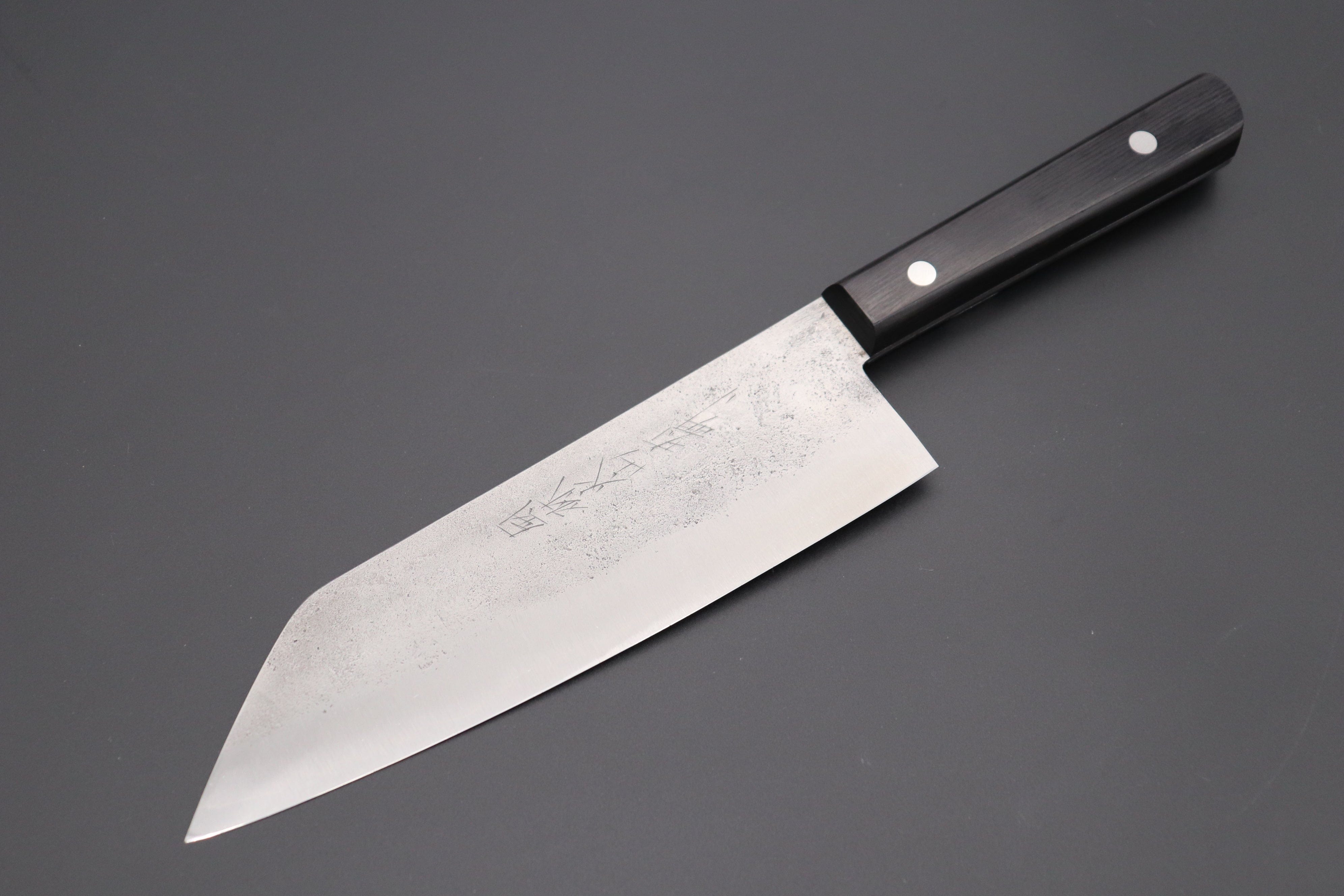
The bunka knife grind is the edge geometry commonly found on bunka knives. It blends a flat primary grind with a slight hollow or micro-bevel near the edge. This mix delivers thin, precise cutting with enough support to resist chipping.
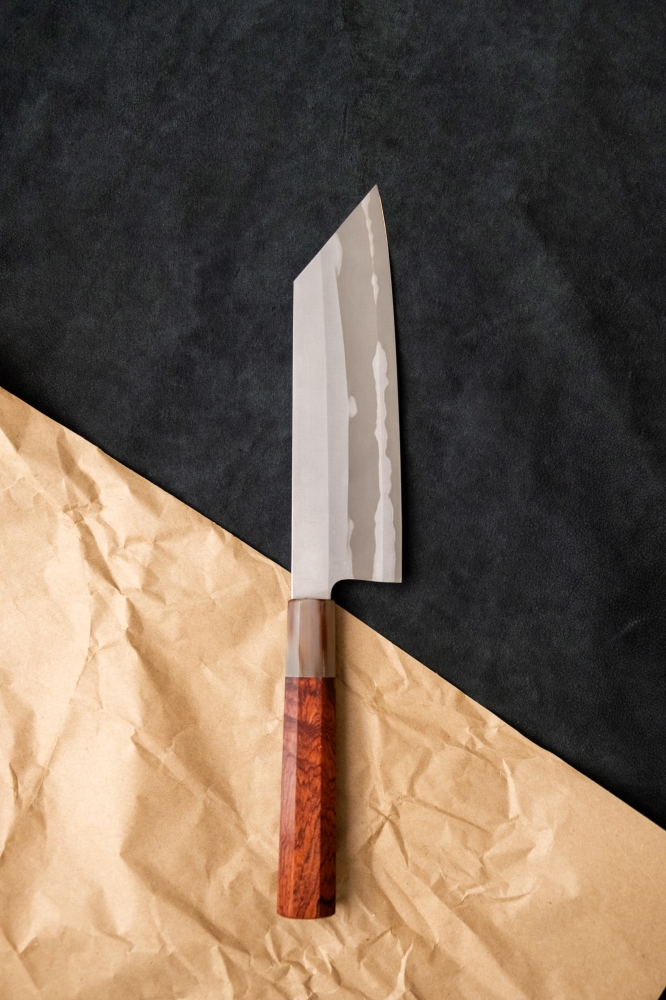
The bunka knife grind appears on a triangular-pointed Japanese blade used for veg and multi-tasking. It often has a higher bevel angle than a pure wa-gyuto. The result: great food release and clean cuts for thin slices.

Anatomy and variations of the bunka knife grind
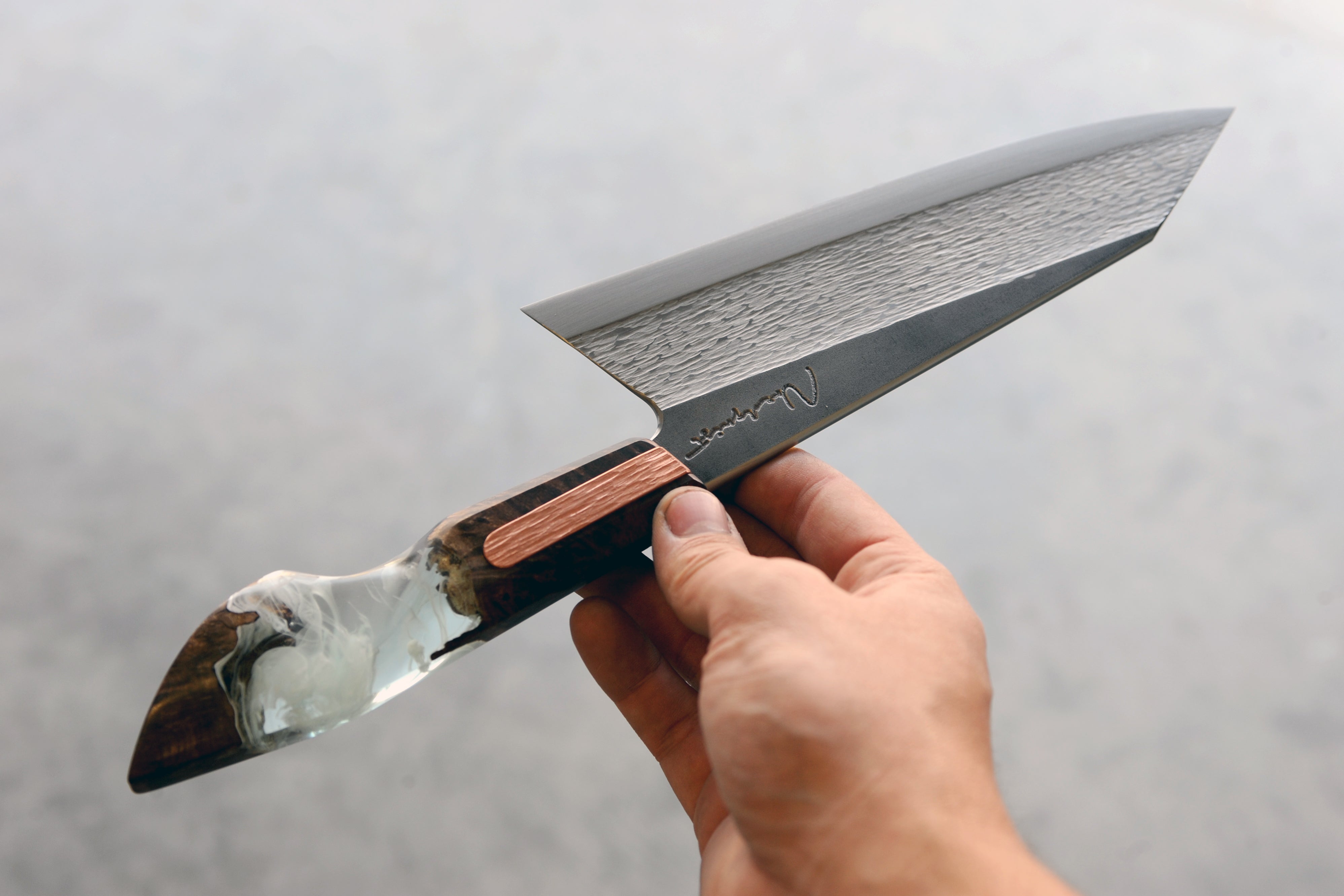
A clear view of the grind helps you choose and care for the knife. The main parts are the primary flat grind, the edge micro-bevel, and sometimes a kasumi or hammer finish on the flats.
Common variations include:
- Flat-to-edge bunka grind. Primary flats lead directly to a small secondary bevel at the edge.
- Convex micro-bevel variant. The edge gets a slight convex for more toughness and edge retention.
- Double-bevel Japanese grind. Both sides are honed symmetrically, favoring Western users.
Knowing the variation helps with sharpening and expected performance. Different steels and heat treatments change how the grind feels and holds an edge.
How a bunka knife grind is made
Manufacturers and makers create the bunka knife grind by controlled grinding and polishing. The process starts with a flat primary grind, then the final edge is formed with a secondary bevel or micro-bevel.
Typical steps:
- Shape the blade with a belt grinder to form the primary flats.
- Move to finer belts or stones to create the micro-bevel.
- Polish or strop the edge to remove burrs and improve food release.
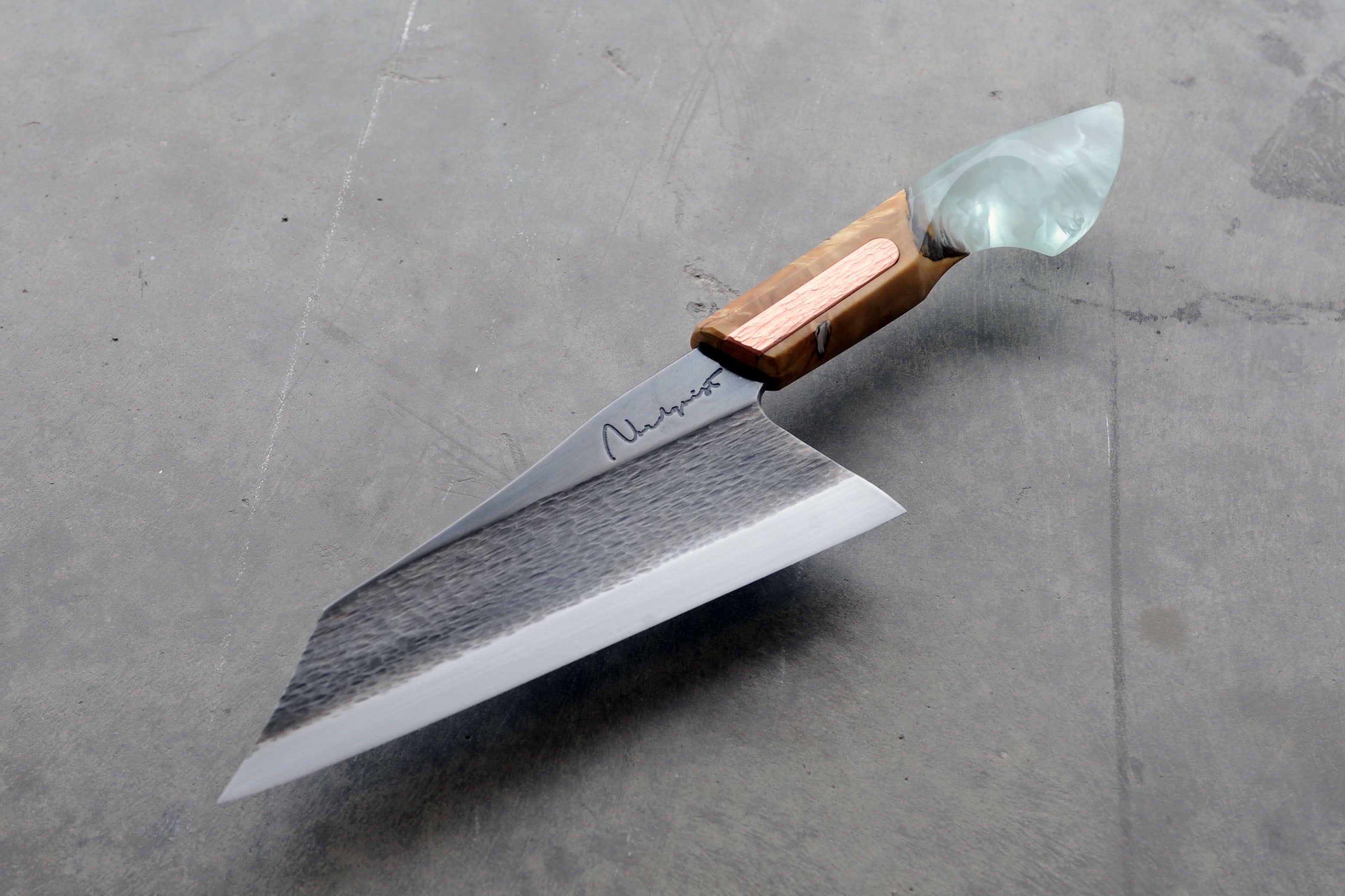
Hand-forged bunka knives may get subtle asymmetry from the smith. Factory blades aim for consistent angles and repeatable performance.
Performance: how the bunka knife grind cuts and feels
The bunka knife grind balances precision and durability. It slices thinly yet resists chipping better than very acute Japanese grinds.
Performance highlights:
- Precise slicing. The flat primary grind promotes straight cuts and control.
- Thin food release. The geometry reduces sticking on vegetables and fish.
- Versatile use. Excellent for chopping, slicing, and detail work.
Limitations:
- Not as razor-thin as pure wa-style single bevels for sushi tasks.
- Edge retention depends heavily on steel and heat treatment.

Source: moderncooking.com

Sharpening and maintenance for the bunka knife grind
Sharpening a bunka knife grind is straightforward when you know the steps. Keep your angles consistent and finish with a fine stone or strop.
Sharpening routine:
- Set angle to match factory bevel, typically 12–20 degrees per side.
- Use coarse stone for chips, medium for shaping, fine for polishing.
- Finish with a leather strop or ultra-fine stone to remove the burr.
Maintenance tips from my experience:
- Use a whetstone rather than pull-through sharpeners for best results.
- Hone often to maintain edge alignment and reduce the need for heavy sharpening.
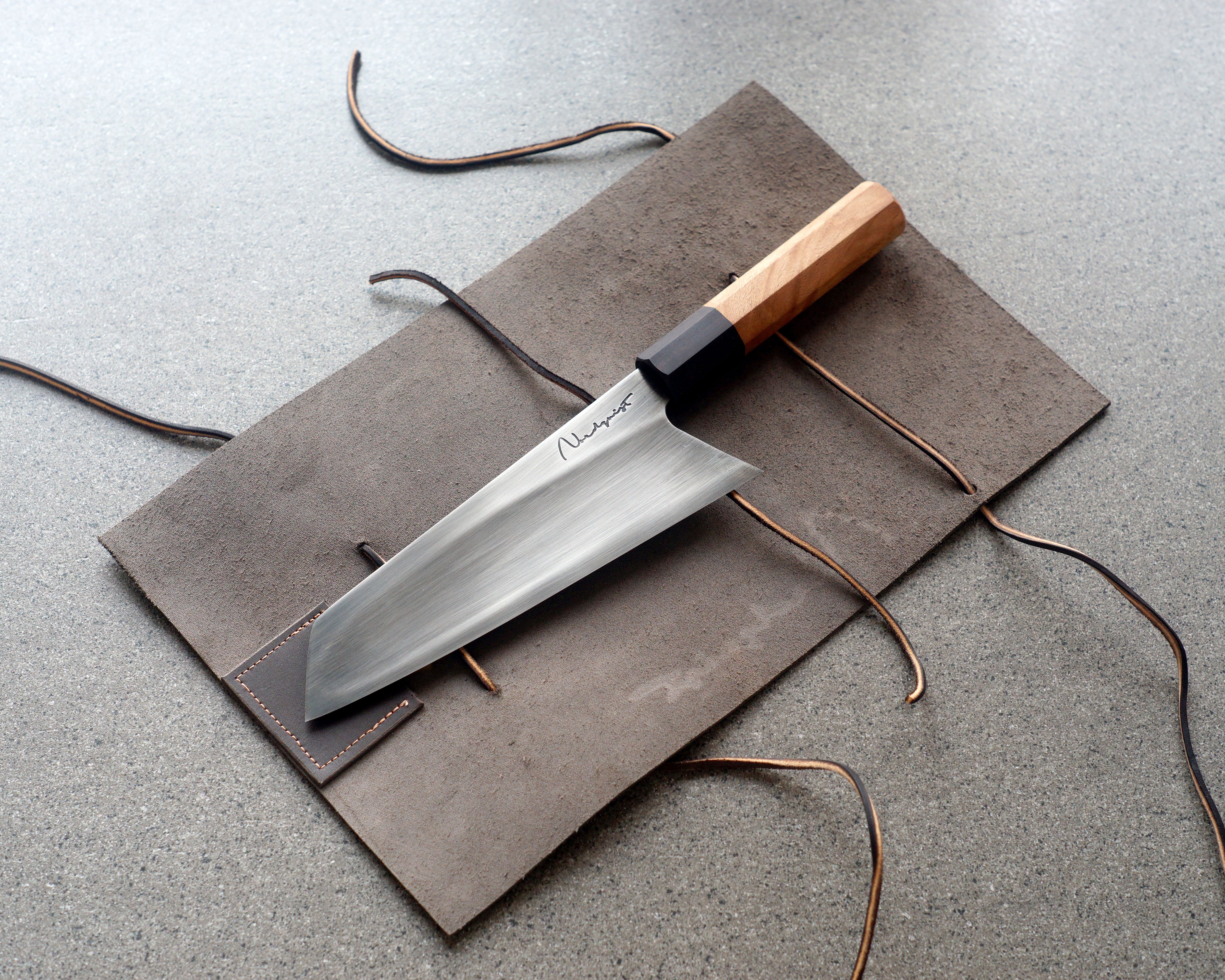
- Store with blade guards or on a magnetic strip to avoid nicks.

Source: nordquistdesigns.com
Choosing a bunka knife with confidence
When shopping, evaluate steel, grind quality, and balance. The bunka knife grind can perform very differently depending on those factors.
Buying checklist:
- Steel type. High-carbon and powdered steels hold an edge longer; stainless steels need more frequent honing.
- Factory grind quality. Look for clean, even bevels and no grinding marks near the edge.
- Handle and balance. The knife should feel stable for precise cuts and nimble for tip work.
Price often reflects steel quality and finishing. A well-made mid-range bunka with a good grind can out-perform a cheaper high-priced brand with poor finishing.

Personal experience, mistakes, and practical tips
I have used a bunka knife grind for meal prep, fine veg work, and quick butchery tasks. The triangular tip is great for controlled push cuts and for peeling squash.
Lessons I learned:
- Match the stone angle to the knife. I once sharpened a bunka at a too-steep angle and lost its slicing bite.
- Keep a leather strop handy. Regular stropping kept my bunka razor-sharp between hone sessions.
- Use the tip more. The bunka point lets you do detail work without switching knives.
Common mistakes to avoid:
- Using the knife on bones or frozen food. The bunka grind is not for heavy prying.
- Neglecting honing. Letting the edge roll will make sharpening slower and more abrasive.

Source: nordquistdesigns.com
Related concepts and comparisons
Understanding related grinds clarifies the bunka's place. Compare to gyuto, santoku, and single-bevel knives to set expectations.
Key comparisons:
- Versus gyuto. A gyuto has a longer belly for rocking; bunka is more compact and tip-focused.
- Versus santoku. Santoku often has a flatter profile; bunka usually has a higher tip and point for detail work.
- Versus single-bevel. Bunka is generally double-bevel and more versatile for home cooks.
These comparisons explain why many cooks prefer a bunka knife grind for small to medium tasks.
PAA-style quick questions
What angle is typical for a bunka knife grind?
A common angle is 12–20 degrees per side. Adjust based on steel and how you use the knife.
Can I use a bunka knife grind for meat?
Yes for boneless meat and trimming. Avoid heavy bone work and prying.
How often should I sharpen a bunka knife grind?
Hone weekly with a steel or strop; sharpen on stones when slicing power drops, often every few months.
Does the bunka grind resist chipping?
Yes more than very thin Japanese grinds, but less than blunt Western edges. Steel choice matters.
Will a bunka knife grind hold an edge longer in stainless or carbon steel?
High-carbon and powdered stainless steels usually hold an edge longer than simple stainless alloys. Finish and heat treatment are key.
Frequently Asked Questions of bunka knife grind
What makes a bunka knife grind different from a santoku grind?
A bunka knife grind typically has a distinct triangular tip and a flat primary grind with a micro-bevel, while a santoku has a blunter tip and a flatter profile.
Is the bunka knife grind good for home cooks?
Yes. The bunka knife grind is versatile, easy to control, and suited to most daily kitchen tasks.
Can I sharpen a bunka knife grind on a regular whetstone?
Yes. Use a consistent angle and progress from coarse to fine stones for best results.
Should I buy a bunka with a single-bevel or double-bevel grind?
Most home users prefer double-bevel bunka knives for their ease of use. Single-bevel models suit specialized tasks and experienced users.
How do I prevent the bunka knife grind from chipping?
Avoid cutting hard materials like bone and frozen items, store carefully, and maintain proper sharpening and honing.
Conclusion
The bunka knife grind gives you a smart blend of precision and durability. It is a versatile grind that suits vegetable prep, fine slicing, and everyday kitchen tasks. Use proper sharpening methods, match the steel to your needs, and treat the blade with care to get the best results. Try a well-made bunka, practice consistent sharpening angles, and you will notice faster, cleaner cuts. Leave a comment with your bunka experiences or subscribe for more knife-care guides and tips.

Maliha Khatun has spent 5 years hands-on testing Japanese knives for everyday home cooks. She has evaluated over 60 blades across nakiri, santoku, gyuto, and petty categories — scoring each on edge retention, steel quality, handle comfort, and value for money. She writes to help home cooks buy the right knife without the guesswork.
Expertise:Japanese Knives • Vegetable Knives • Product Reviews • Kitchen Efficiency • Knife Care
Leave a Reply