Bunka knife steel types vary from stainless VG-10 and AUS to high-carbon white and blue steels.
I’ve spent years testing and using kitchen knives as a chef and knife enthusiast, and I can tell you that understanding bunka knife steel types will change how you pick, sharpen, and care for your blade. This guide explains the main steels used in bunka knives, how each steel affects edge retention, toughness, and corrosion resistance, and which steel fits your cooking style. Read on for clear comparisons, practical tips, real-world experience, and buying advice so you can choose the right bunka knife steel types for your kitchen.
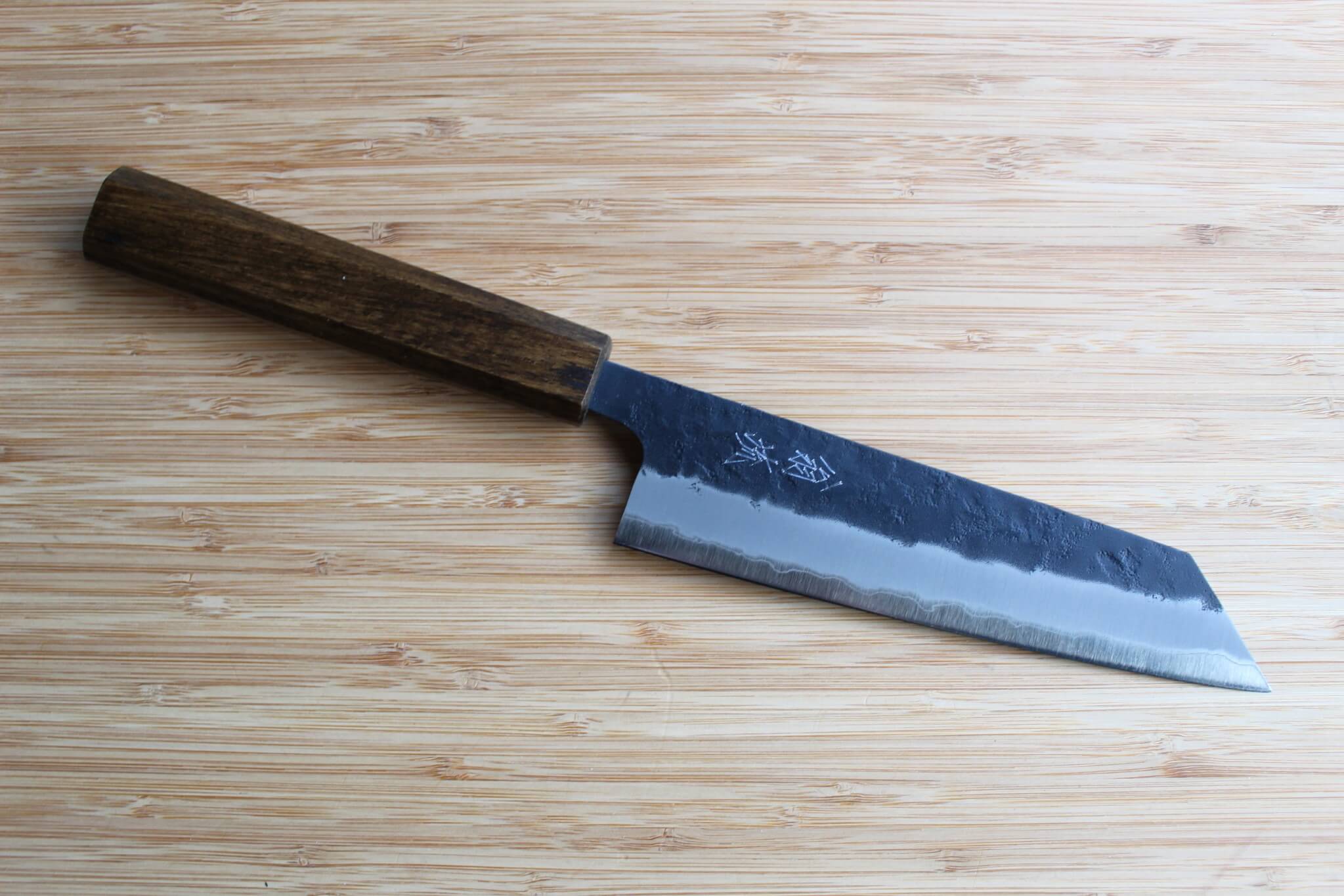
Understanding bunka knife steel types
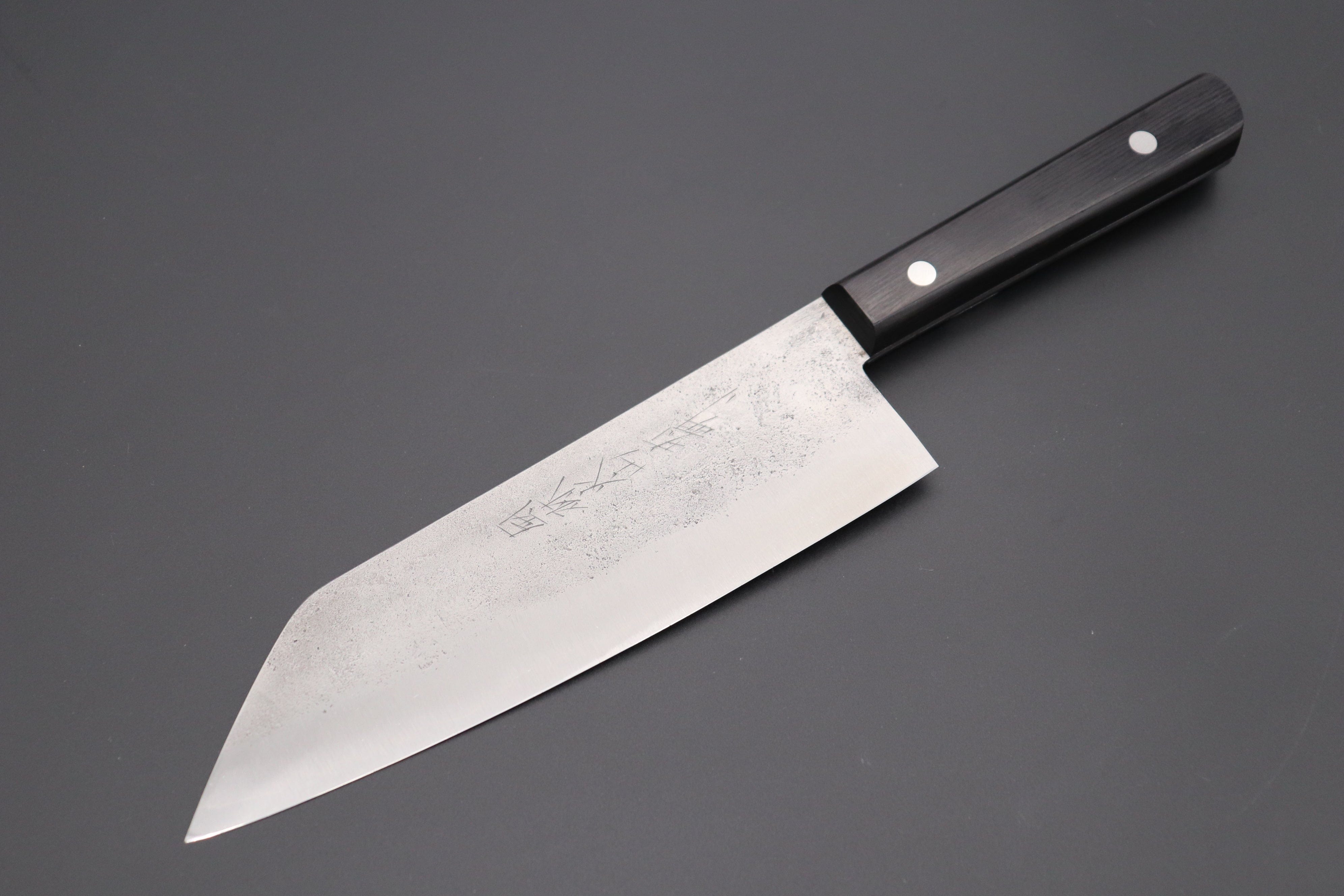
Bunka knives come from Japan and blend a pointed tip with a flat belly. That shape makes them versatile for chopping, slicing, and detail work. The steel inside a bunka defines how sharp the edge gets, how long it keeps that edge, and how much care the knife needs.
Steels fall into two broad groups. One group is stainless steels like VG-10 and AUS series. They resist rust and suit busy home kitchens. The other group is high-carbon steels like Shirogami (white paper) and Aogami (blue paper). These hold extremely fine edges but need more care to avoid rust.
Key terms to know:
- Core steel: the hard metal forming the cutting edge.
- Cladding: softer metal layers that wrap the core for toughness and corrosion resistance.
- HRC: Rockwell hardness score that predicts edge retention and brittleness.
Understanding these basics helps you choose among bunka knife steel types with confidence.
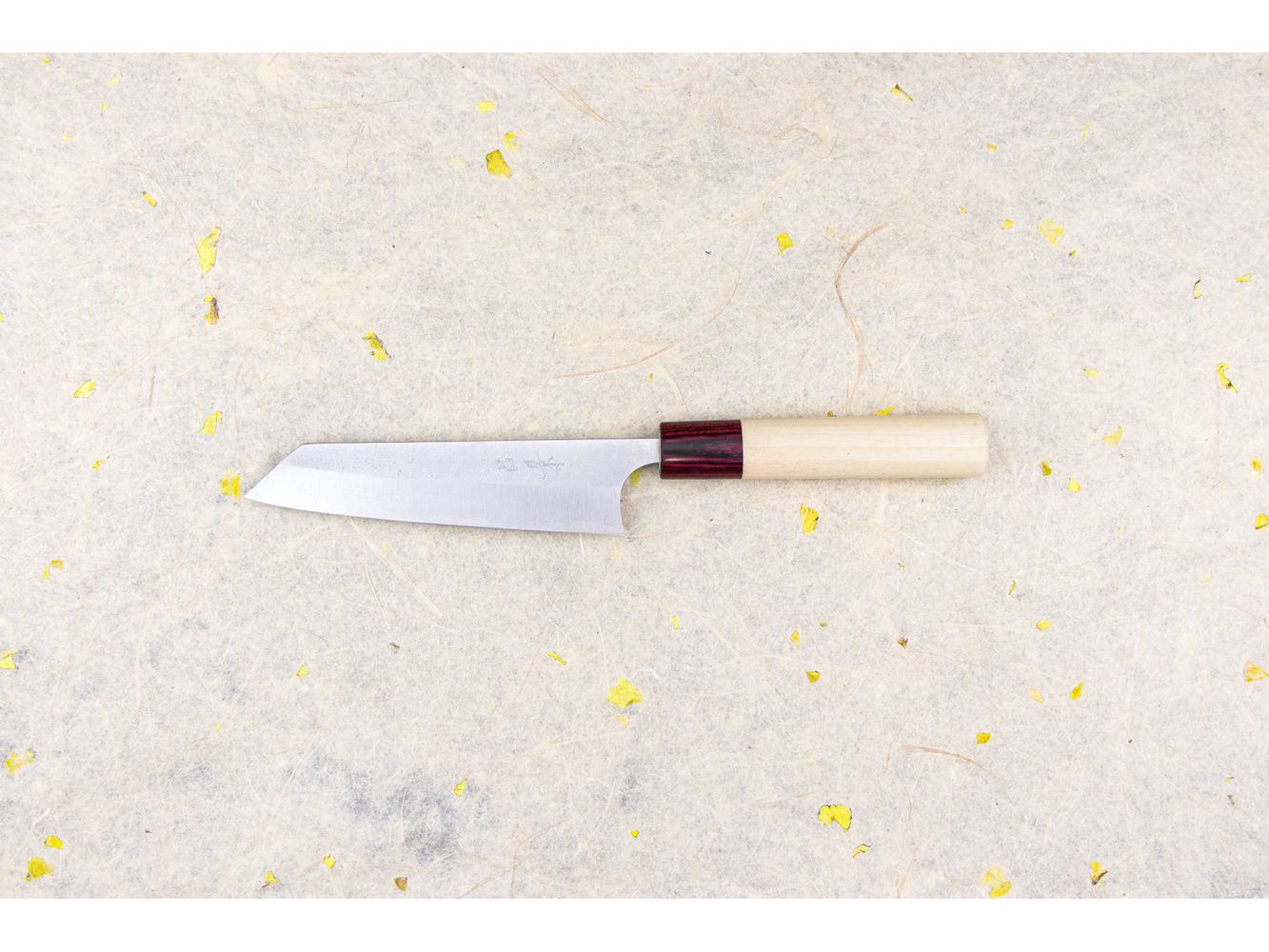
Common steel types used in bunka knives
Below are the most common bunka knife steel types. Each entry explains strengths, weaknesses, and typical buyers.
VG-10
- A Japanese stainless powder steel used in many mid- to high-end bunka knives.
- Strengths: excellent edge retention, good corrosion resistance, relatively easy to sharpen.
- Limitations: pricier than basic stainless; not as tough as some stainless martensitic steels.
AUS-8 and AUS-10
- Widely used in affordable to mid-range bunka knives.
- Strengths: good balance of corrosion resistance and toughness; easy to sharpen.
- Limitations: edge retention is moderate compared with VG-10 and powder steels.
SG2 / R2 (Micro Carbide Powder Steel)
- A high-end stainless powder steel with very fine carbides.
- Strengths: exceptional edge retention and very hard; sharpens to a very fine edge.
- Limitations: can be brittle if thin; more difficult to sharpen for beginners.
White steel (Shirogami)
- Traditional high-carbon steel prized for an extremely fine, keen edge.
- Strengths: sharpest possible edge, very easy to hone to microscopic burrs.
- Limitations: rusts easily; requires frequent oiling and drying.
Blue steel (Aogami)
- High-carbon steel with added chromium/other elements for improved toughness and edge retention.
- Strengths: great edge retention; takes a superb edge and is tougher than white steel.
- Limitations: still prone to rusting and needs care.
1095 and simple high-carbon steels
- Common in some traditional or custom bunka knives.
- Strengths: tough and easy to sharpen.
- Limitations: poor corrosion resistance.
440C and 14C28N style stainless steels
- Found in lower- to mid-range stainless bunka knives and production blades.
- Strengths: durable and corrosion-resistant.
- Limitations: moderate edge retention compared with modern powder steels.
CPM S35VN / S90V and other premium PM steels
- Used in custom and ultra-premium kitchen blades.
- Strengths: top-tier edge retention and toughness.
- Limitations: very expensive and harder to resharpen at home.
Each of these bunka knife steel types changes how the knife performs and how you must care for it. Choose based on how you cook and how much maintenance you want to do.

How steel choice affects performance
Steel choice impacts five main areas. Know these to match steels with your needs.
- Edge retention
- Harder steels often hold edges longer. Steels like SG2 and CPM grades shine here.
- Toughness
- Tough steels resist chipping under lateral stress. Blue steel and simple carbon steels are tougher than very hard powder steels.
- Corrosion resistance
- Stainless steels like VG-10 and 440C resist rust. Carbon steels need drying and oiling.
- Ease of sharpening
- Softer stainless and carbon steels are faster to sharpen. Very hard PM steels take longer and need finer stones.
- Food safety and staining
- Stainless is lower-risk for staining and reactive flavors. Carbon steel can react with acidic foods and discolor.
Example: a VG-10 bunka often suits a busy home cook who wants low maintenance and good performance. A Shirogami bunka suits a detail-minded cook who sharpens often and values extreme sharpness.
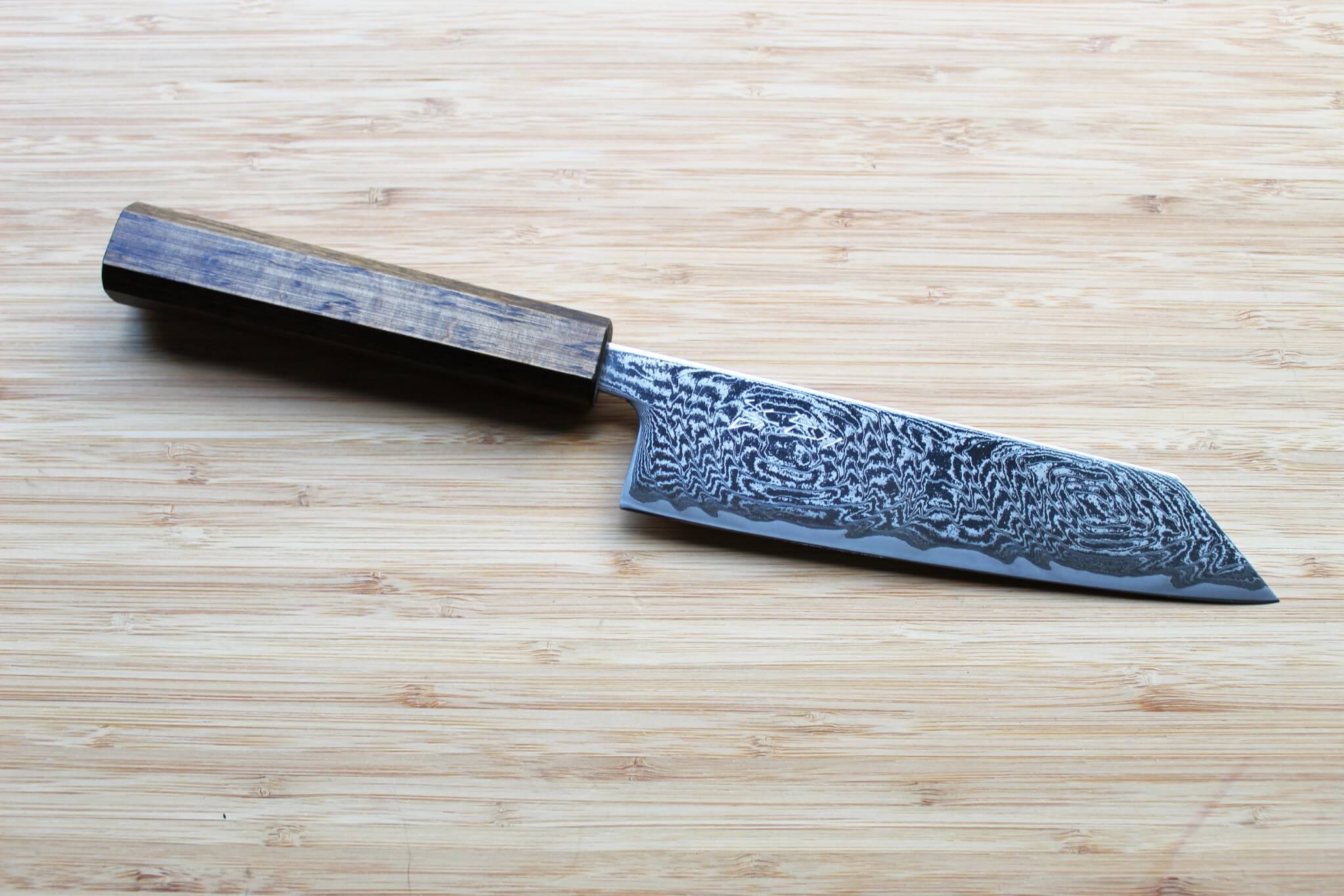
Matching bunka knife steel types to use cases
Match steel to your cooking habits. Here are practical pairings.
Busy home cook or beginner
- Recommended steels: VG-10, AUS-10, 14C28N.
- Why: good balance of corrosion resistance, edge retention, and easy care.
Professional or serious enthusiast
- Recommended steels: SG2/R2, CPM S35VN.
- Why: superior edge retention and performance under heavy use.
Precision slicing, sashimi, or delicate veg work
- Recommended steels: Shirogami (white), Aogami (blue).
- Why: can achieve razor-like edges for clean, precise cuts.
Budget or rugged utility
- Recommended steels: 1095, 440C.
- Why: tough, easy to resharpen, and affordable.
Consider these factors when choosing among bunka knife steel types: frequency of use, willingness to maintain, budget, and the kinds of food you prepare.
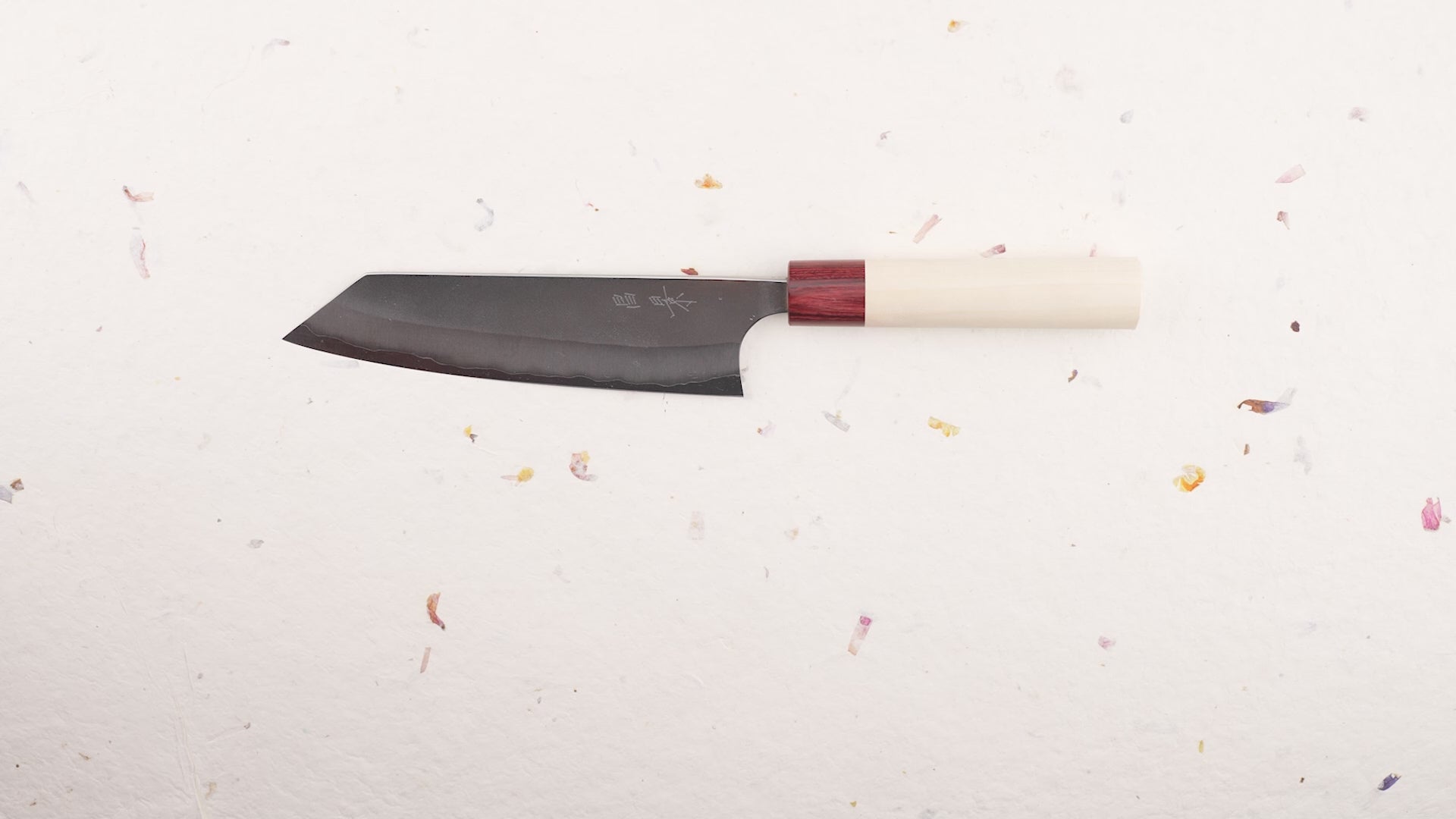
Care and maintenance by steel type
Different bunka knife steel types require specific care. Follow these basic rules.
For stainless steels (VG-10, AUS)
- Wash and dry after use. Occasional oiling is optional.
- Use a whetstone for sharpening to preserve the bevel.
For high-carbon steels (Shirogami, Aogami, 1095)
- Dry immediately after washing. Wipe with a thin oil layer after use.
- Store in a dry place or sheath. Regularly remove patina only if desired.
- Hone often and sharpen on fine stones to maintain the edge.
For premium powder metallurgy steels (SG2, S35VN)
- Dry and hand-wash. Avoid dishwasher.
- Use progressively finer stones; consider professional sharpening if unsure.
Sharpening tips:
- Start with a 1000-grit stone for dull blades and work up to 3000–8000 grit for finish.
- Maintain a consistent angle between 15° and 20° per side for bunka knives.
- Hone lightly between sharpenings to prolong edge life.

My experience, lessons, and practical tips
I’ve tested bunka knife steel types over years in home and restaurant kitchens. Here are lessons I learned.
Lesson 1: Balance matters more than hype
- A blade that’s slightly softer but easy to sharpen can feel better daily than a fragile ultra-hard steel.
Lesson 2: Maintenance beats raw hardness
- I once ruined a beautiful white-steel bunka by leaving it wet overnight. Now I oil carbon steels after each use.
Lesson 3: Match steel to sharpening skill
- If you don’t enjoy whetstones, choose a low-maintenance VG-10 or AUS model.
Practical tips:
- If you want a razor edge for veg prep, try blue steel and commit to regular maintenance.
- For a daily workhorse, VG-10 bunka knives offer the best compromise.
- When buying used, check the spine and edge profile for repairs and overheating signs.
These real-world notes come from decades of hands-on work. They help when choosing among bunka knife steel types for your kitchen.

Buying guide: how to choose the right bunka knife steel type
Use this checklist when shopping. It covers features that matter most.
Core steel type
- Look for the steel listed by name. It tells you about edge life and care needs.
Hardness (HRC)
- HRC 58–62 is common for kitchen steels. Higher HRC means better edge retention with more care.
Cladding and construction
- Clad blades with a softer exterior and hard core offer toughness and corrosion resistance.
Heat treatment and tempering
- Ask about heat treatment if buying from a maker. Proper tempering prevents brittle edges.
Brand and maker reputation
- Choose makers with consistent quality. Small makers can be excellent but inspect finish and geometry.
Handle fit and balance
- A good steel means little if the knife feels unwieldy. Test balance and comfort.
Quick checklist before buying:
- Does the steel suit your maintenance habits?
- Is the hardness appropriate for your skill with whetstones?
- Does the knife have full tang or secure handle attachment?
Use this guide to compare options and pick a bunka knife steel type that fits your routine.
PAA-style questions
Which bunka knife steel types hold an edge longest?
High-end powder metallurgy steels like SG2 and CPM S35VN typically hold an edge the longest due to fine carbides and high hardness.
Are carbon steel bunka knives better than stainless?
Carbon steels can produce a sharper edge and offer excellent cutting feel, but stainless steels resist rust and need less maintenance.
Can I use a bunka knife for tough jobs like cutting bone?
No. Bunka knives excel at slicing and chopping soft produce and meats. Use a cleaver or heavier blade for bones.
How often should I sharpen a bunka knife?
Sharpen based on use: home cooks often every few months, pros weekly or monthly. Hone lightly between sharpenings.
Is VG-10 a good choice for a first bunka knife?
Yes. VG-10 offers a strong balance of edge retention, corrosion resistance, and ease of care, making it ideal for beginners.
Frequently Asked Questions of bunka knife steel types
What is the best steel for a multipurpose bunka knife?
The best multipurpose steel is often VG-10 or AUS-10 because they balance edge life, corrosion resistance, and ease of sharpening.
Do carbon steel bunka knives rust easily?
Yes. Carbon steel can rust if left wet or stored improperly, so you must dry and oil them after use.
How does HRC affect bunka knife performance?
Higher HRC usually means better edge retention but more brittleness; lower HRC gives more toughness and easier sharpening.
Can I sharpen powder metallurgy steels at home?
Yes, but they require patience and finer stones because they are harder and contain fine carbides.
Should I buy a fully stainless bunka if I cook a lot of acidic food?
Yes. Fully stainless steels reduce staining and flavor reactions when preparing acidic ingredients like citrus or tomatoes.
Conclusion
Choosing the right bunka knife steel types comes down to your cooking style, maintenance willingness, and budget. Pick stainless steels like VG-10 for low upkeep and solid performance. Opt for carbon or premium powder steels if you want peak sharpness and are ready to maintain the blade. Use the buying checklist and care tips above to make a confident decision, and practice sharpening regularly to get the most from your knife. Try a steel that matches your routine, test it, and refine your choice as you gain experience.
Take action: pick one steel profile from this guide and test a bunka knife that uses it. Share your experience or questions below to get tailored advice.
Maliha Khatun has spent 5 years hands-on testing Japanese knives for everyday home cooks. She has evaluated over 60 blades across nakiri, santoku, gyuto, and petty categories — scoring each on edge retention, steel quality, handle comfort, and value for money. She writes to help home cooks buy the right knife without the guesswork.
Expertise:Japanese Knives • Vegetable Knives • Product Reviews • Kitchen Efficiency • Knife Care
Leave a Reply