Carbon steel bunka knives cut sharper and hold an edge; stainless bunka knives resist rust and need less care.
I have used and tested many knives over years. I know the small but key differences when you search "bunka knife carbon steel vs stainless steel." This article explains what each blade type does best. You will learn how carbon and stainless perform, how to care for them, and which bunka knife fits your kitchen. Read on for clear, practical advice from real experience and tested facts.

Understanding the bunka knife and blade materials
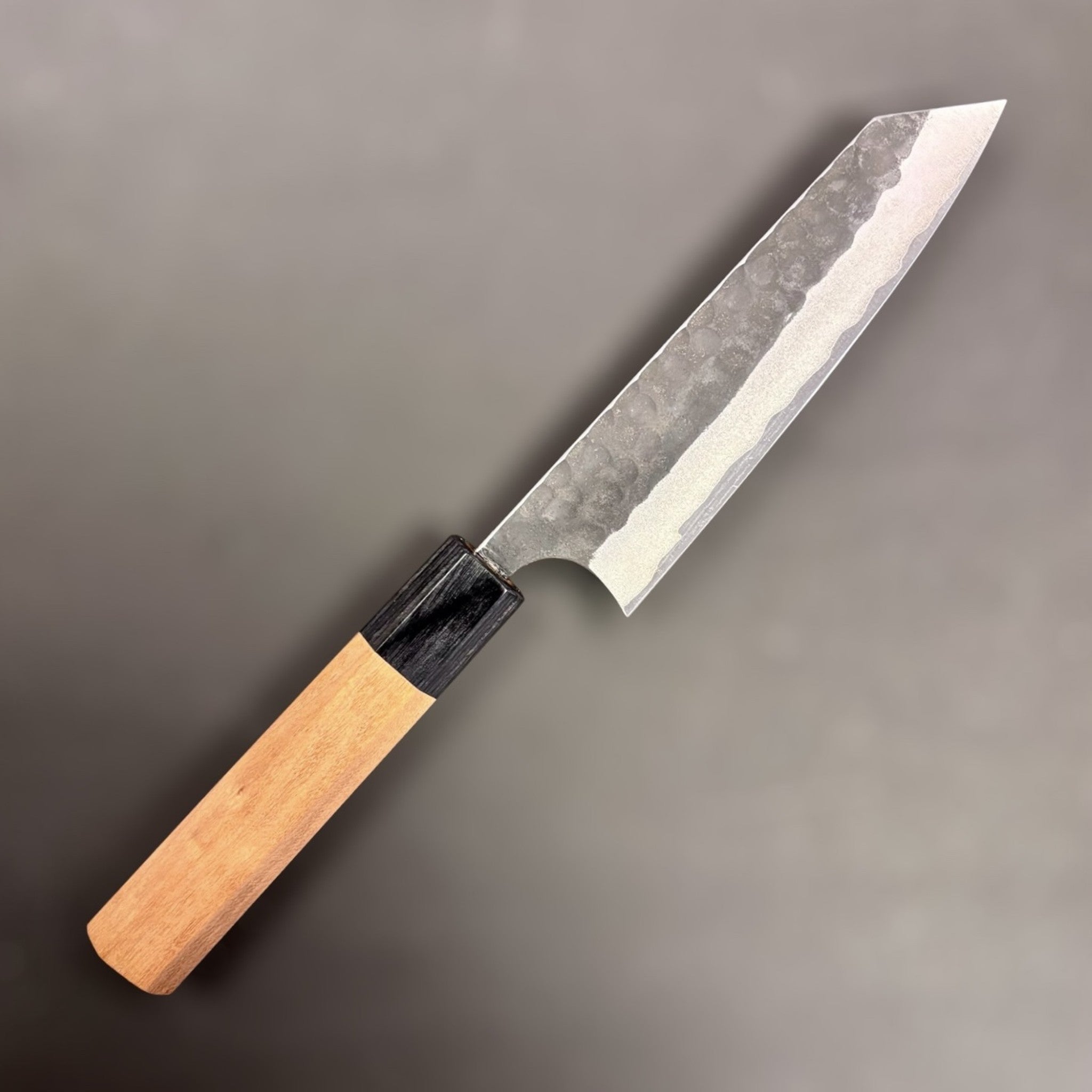
A bunka knife is a versatile Japanese chef knife. It has a triangular tip and a wide blade. Chefs use it for slicing, dicing, and precise cuts. The shape helps push food and scoop it off the board.
Carbon steel and stainless steel are the two main blade metals. Carbon steel is high in carbon and gains a very sharp edge. Stainless steel adds chromium to resist rust. The phrase bunka knife carbon steel vs stainless steel sums up a common choice cooks must make. I have used both kinds and seen pros and cons in daily kitchen work.
Key differences: bunka knife carbon steel vs stainless steel
Here are the core contrasts to know before you buy.
Sharpness
- Carbon steel takes a very sharp edge quickly.
- Stainless steel can be sharp but often not quite as keen off the grinder.
Edge retention
- Carbon usually stays sharp longer if used properly.
- Stainless often needs touch-ups sooner.
Corrosion resistance
- Carbon steel rusts and stains if left wet or acidic.
- Stainless resists rust and shows fewer stains.
Toughness and chipping
- Some hard carbon steels can chip if misused.
- Many stainless alloys are tougher and less brittle.
Ease of care
- Carbon needs more care: dry after use, wipe, oil sometimes.
- Stainless is low-maintenance and better for busy kitchens.
Cost and availability
- Both are available across price ranges, but specific high-carbon steels can cost more.
These points frame the bunka knife carbon steel vs stainless steel choice. My tests showed carbon blades feel sharper in hand, while stainless feels easy and safe for everyday use.

Performance: sharpness, edge retention, and cutting feel
Sharpness is where carbon shines. It takes a very fine edge. That edge makes thin cuts and clean slices. Edge retention is also strong for many carbon steels. You can slice more before needing a hone.
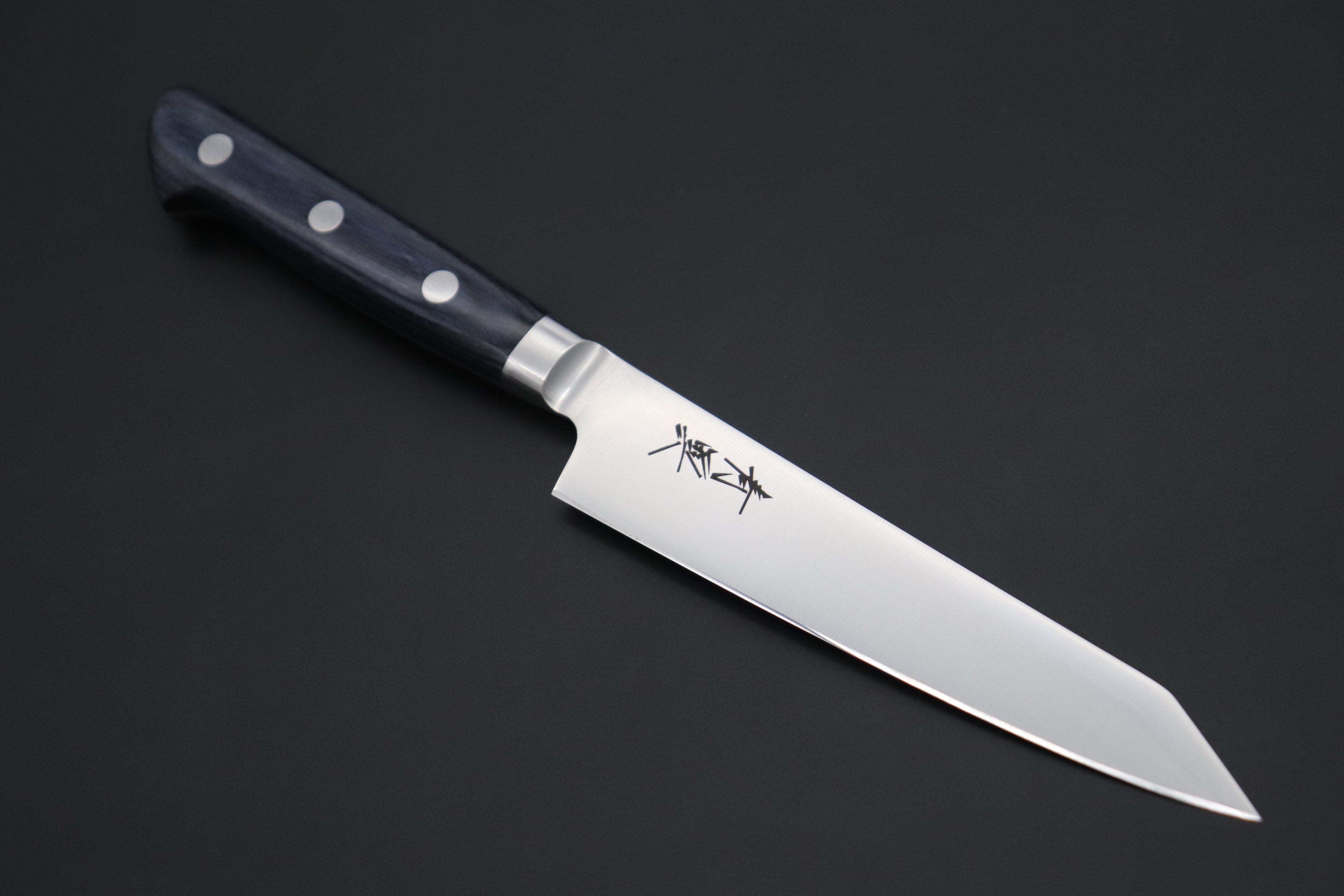
Stainless steel varies. Modern stainless alloys can match some carbon steels for edge retention. But typical stainless bunka knives may require more frequent sharpening. For wet or acidic prep, stainless keeps its look and stays rust-free.
Cutting feel matters. Carbon often gives a smoother cut through veg and fish. Stainless gives a solid, predictable feel. If you cook raw fish or fine vegetables every day, you may prefer carbon. If you want low fuss and no rust worry, stainless works well.
My kitchen tests: I used a carbon bunka for sashimi and a stainless bunka for everyday meal prep. The carbon made cleaner slices. The stainless kept its finish after many lemon or tomato tasks.
Maintenance and care for carbon and stainless bunka knives
Proper care makes any knife last.
Daily care for carbon steel
- Wash by hand right away and dry fully.
- Apply a light oil layer if storing long term.
- Avoid acidic food storage on the blade.
Daily care for stainless steel
- Wash by hand and dry for best life.
- Stainless tolerates short exposures to acid and moisture.
- Still avoid dishwashers to protect the edge.
Sharpening and honing
- Hone often to keep the edge; sharpen on a stone as needed.
- Carbon may need less frequent sharpening but more careful stropping.
- Stainless may require more frequent stone work.
Storage
- Use a wooden block, magnetic strip, or blade guard.
- Keep carbon blades oiled if long-term stored.
From my experience, the extra care for carbon pays off if you enjoy a razor edge. The stainless path is easier for busy cooks who want good performance with less worry.

Which to choose: use cases and clear recommendations
Match the blade to the user and the work.
Choose carbon steel bunka knife if:
- You want the sharpest edge and fine slicing.
- You cook raw fish, delicate vegetables, or precision tasks.
- You will maintain the blade and like hands-on care.
Choose stainless steel bunka knife if:
- You want low maintenance and rust resistance.
- You cook acidic foods often or store knives in humid spaces.
- You need a durable daily workhorse and less worry.
Hybrid choice
- Consider a carbon core with a stainless cladding.
- This gives sharpness plus better corrosion resistance.
My real-life tip: If you own only one bunka, pick stainless for ease. If you love sharpening and want top performance, choose carbon. I used a carbon bunka for years for delicate cuts and a stainless bunka for weekly family meals. Both earned a place in my drawer.
Buying tips and what to look for
Look beyond steel type. These features affect value and use.
Blade geometry
- Thin blades slice better. Look for consistent grind.
Hardness (HRC)
- Carbon blades often sit 60–64 HRC for keen edges.
- Stainless may be 56–62 HRC; harder stainless versions exist.
Handle and balance
- Choose a feel that fits your hand.
- Good balance improves control.
Finish
- A polished surface resists stickiness.
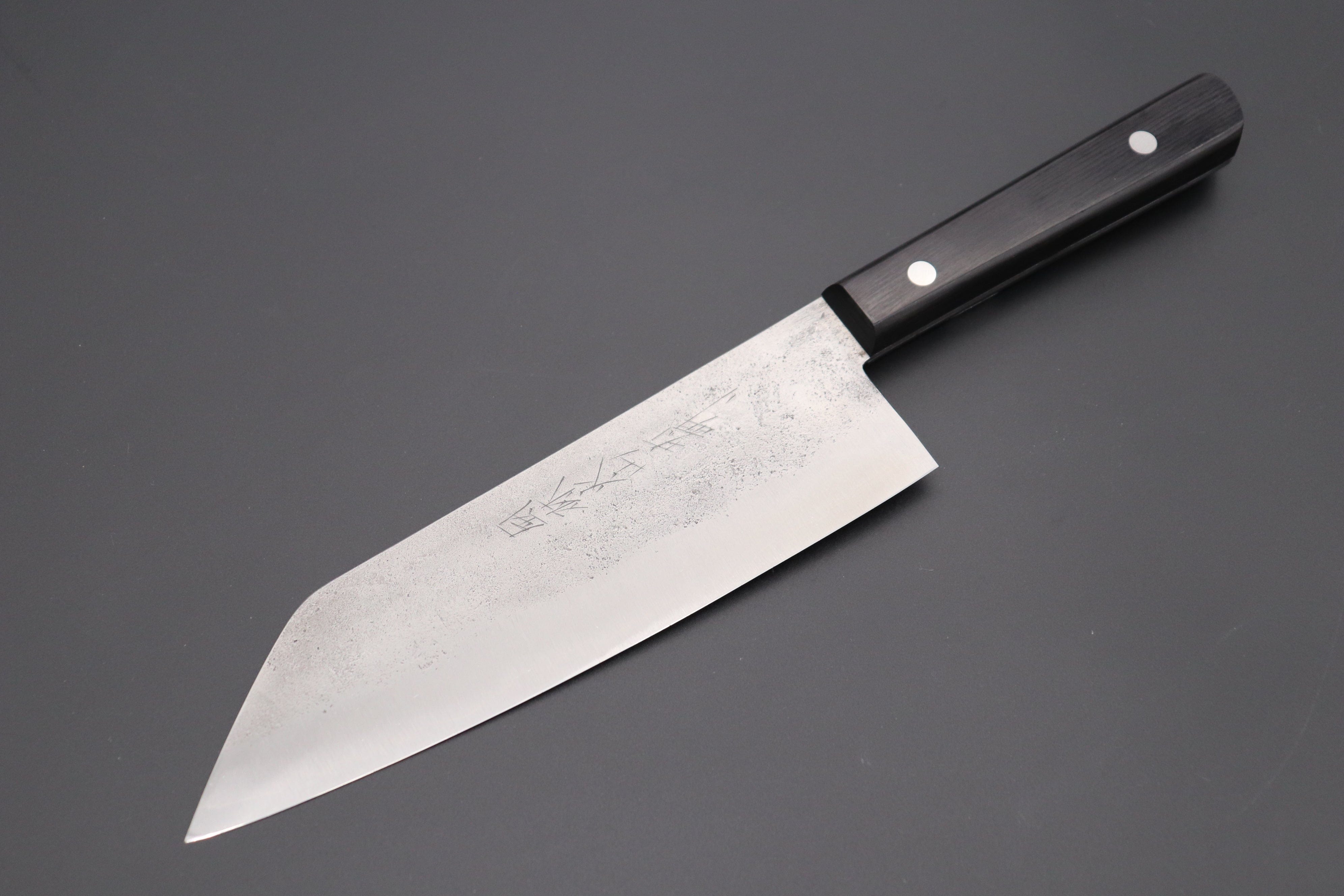
- A matte or “kurouchi” finish hides stains on carbon.
Brand and warranty
- Reputable makers offer consistent heat treatments.
- Check return and sharpening policies.
I once bought a shiny bunka without feeling its balance. It felt awkward after a week. Try knives in hand when possible. Ask retailers about sharpening services and return terms.

Frequently Asked Questions of bunka knife carbon steel vs stainless steel
What is the main difference between carbon and stainless bunka knives?
The main difference is corrosion resistance. Carbon is sharper and stains easily, while stainless resists rust and needs less care.
Will a carbon bunka knife rust quickly?
Yes, carbon can rust if left wet or exposed to acid. Drying and light oiling prevent rust.
Can stainless steel get as sharp as carbon?
Modern stainless alloys can reach similar sharpness, but carbon often achieves a finer edge more easily.
Which bunka is better for home cooks?
For most home cooks, stainless is better due to lower maintenance and good performance.
How should I sharpen a bunka knife made of carbon or stainless steel?
Use a water stone for both. Carbon often responds faster to a stone, while stainless may need more time and consistent grit progression.
Conclusion
Choosing between a bunka knife carbon steel vs stainless steel comes down to priorities. Pick carbon for top sharpness and fine cutting, and accept extra care. Pick stainless for ease, rust resistance, and steady performance. My tip: handle both types before buying, and match your choice to how you cook and care for tools. Try one, learn its needs, and sharpen the skill as you sharpen the blade. Leave a comment about your experience or subscribe for more knife guides.

Maliha Khatun has spent 5 years hands-on testing Japanese knives for everyday home cooks. She has evaluated over 60 blades across nakiri, santoku, gyuto, and petty categories — scoring each on edge retention, steel quality, handle comfort, and value for money. She writes to help home cooks buy the right knife without the guesswork.
Expertise:Japanese Knives • Vegetable Knives • Product Reviews • Kitchen Efficiency • Knife Care
Leave a Reply