Clean with warm water, mild soap, soft cloth; dry and oil the blade—never use a dishwasher.
I’ve used and cared for a range of Japanese knives for years, and I’ll walk you through exactly how to clean bunka knife safely and effectively. This guide explains tools, step-by-step cleaning, deep rust care, drying, storage, and mistakes to avoid. Read on to protect your bunka’s edge, finish, and value with methods that pros and home cooks both trust.

What is a bunka knife and why cleaning matters
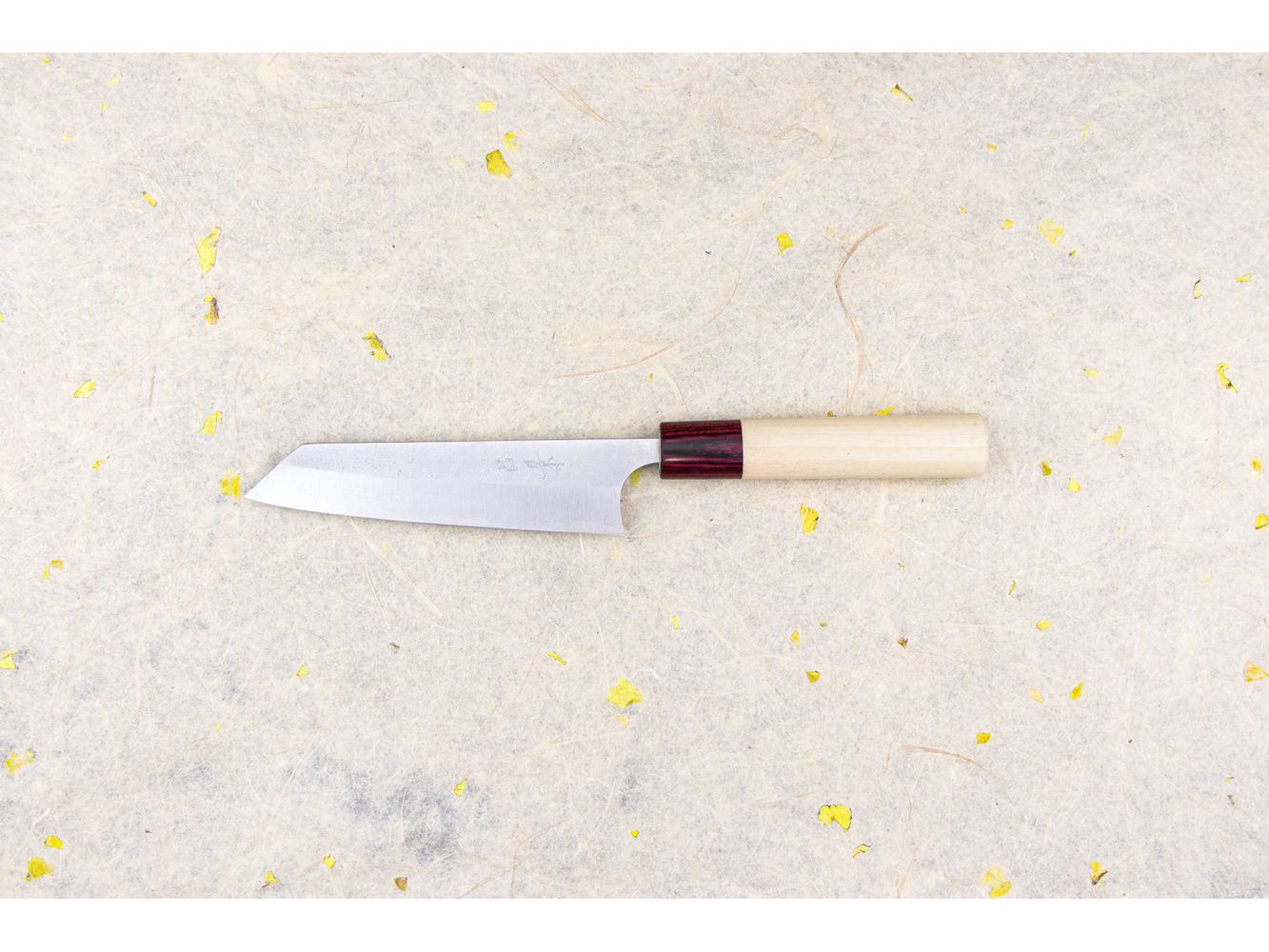
A bunka knife is a Japanese-style utility blade. It has a triangular tip, a thin edge, and often a high-carbon or stainless-steel blade. How you clean a bunka knife affects its sharpness, finish, and life. Improper cleaning can cause rust, pitting, or edge damage.
I often see new owners use a dishwasher or scrub too hard. That kills an edge fast. Learn simple care steps to keep a bunka useful for years.

Tools and supplies you need to clean bunka knife
Gather the right items before you start. Use these to keep cleaning safe and simple.
- Warm water in a sink or large bowl.
- Mild dish soap with low acidity.
- Microfiber cloth or soft sponge.
- Soft brush for stuck food (soft nylon).
- Food-safe mineral oil or camellia oil for high-carbon blades.
- Soft towel for drying.
- Rust eraser or very fine steel wool (0000) for stubborn spots.
Keeping the right tools makes how to clean bunka knife fast and safe.
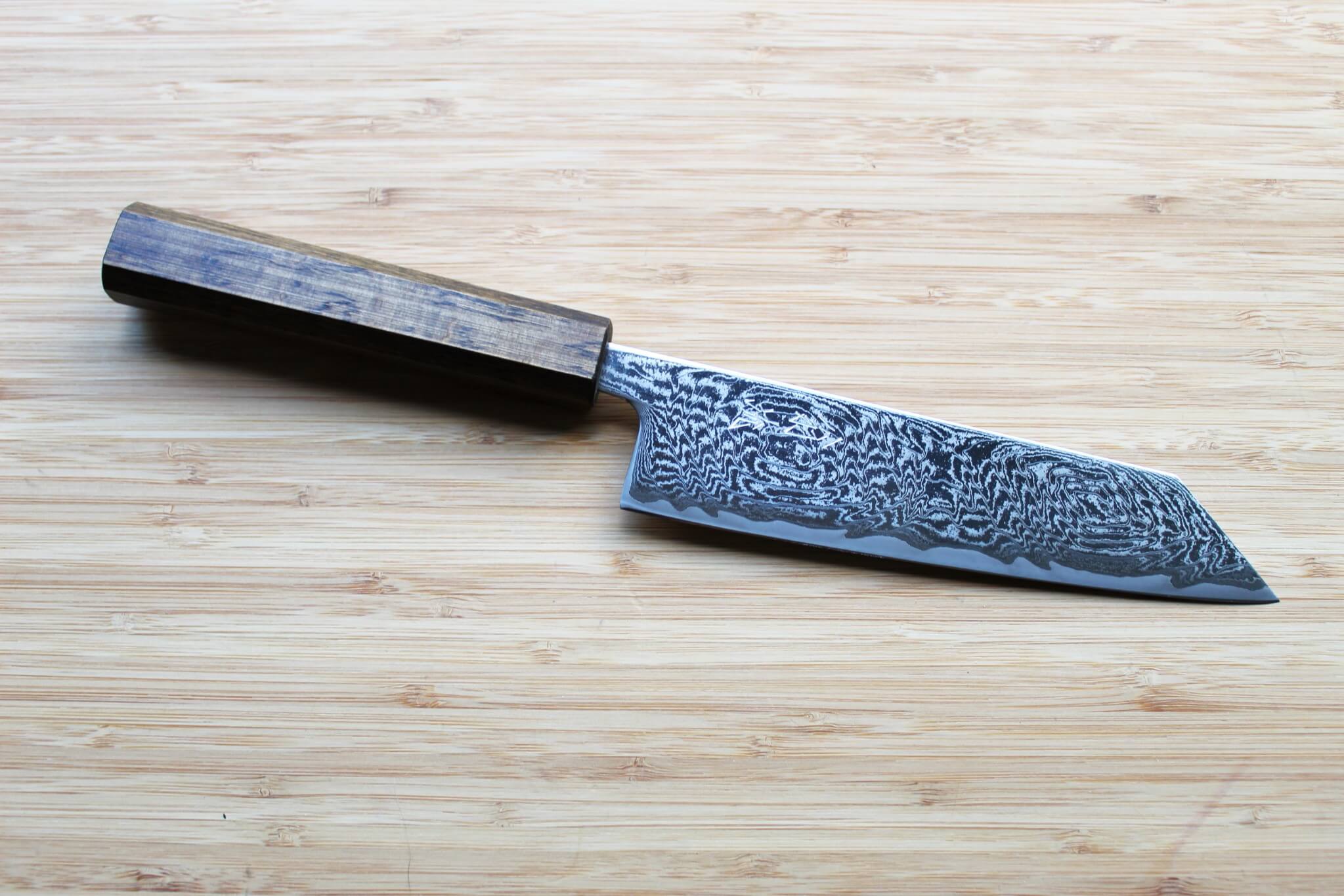
How to clean bunka knife — step-by-step daily cleaning
This routine is for after normal use. It’s quick and keeps the edge and finish safe.
- Rinse off loose food under warm running water.
- Add a drop of mild dish soap to a soft sponge or cloth.
- Gently wipe the blade from spine to edge in one direction.
- Use a soft brush for stuck food near the heel or tip.
- Rinse soap completely under warm water.
- Dry the blade and handle immediately with a soft towel.
- Apply a thin coat of food-safe oil to high-carbon blades to prevent rust.
Do not scrub across the edge. That can roll or chip it. Repeat this simple routine after each use to maintain the knife.
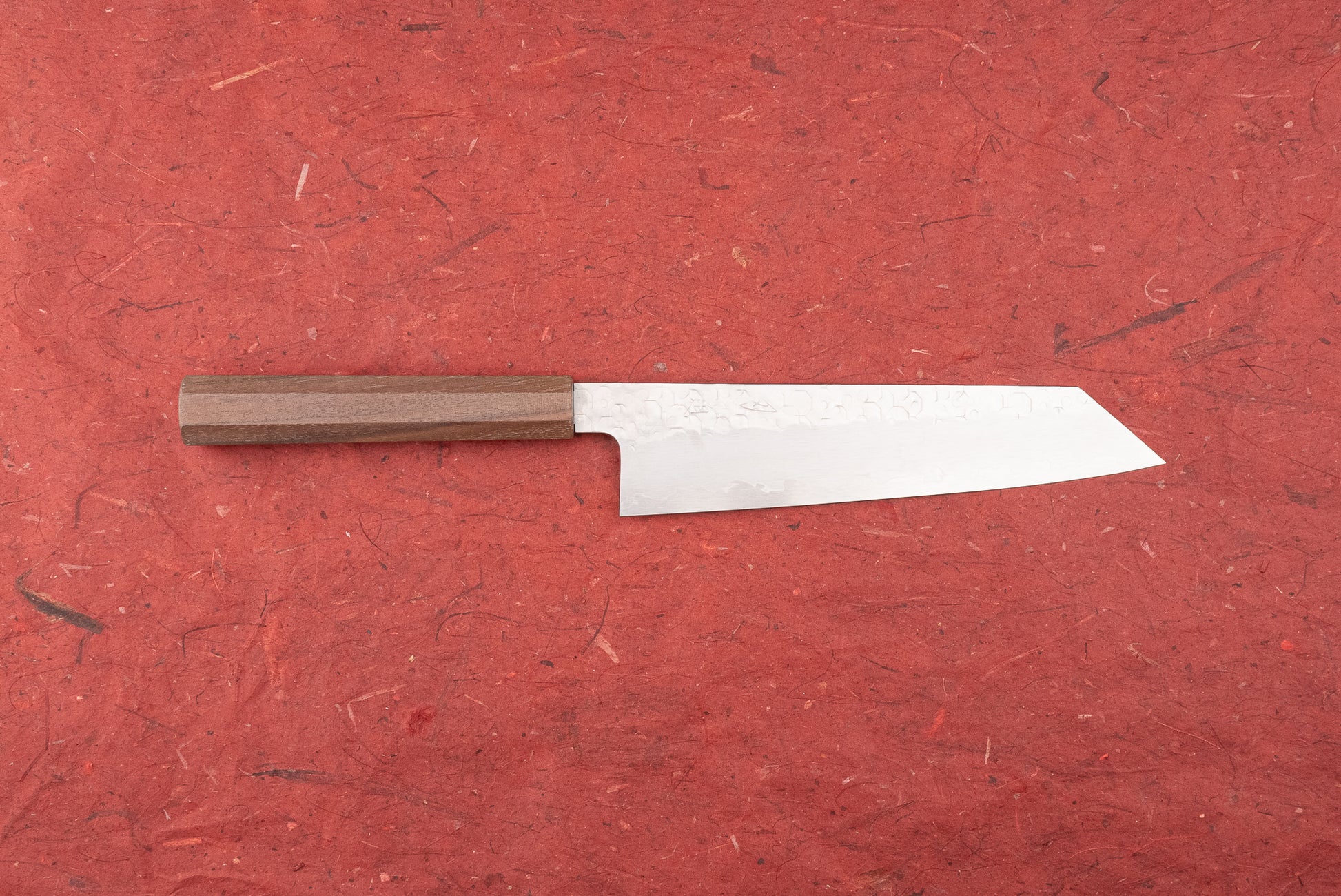
Deep cleaning, rust removal, and stain care
Occasional deep care is needed for stains or light rust. Use gentler tools first.
- For light stains: soak blade in warm water with baking soda paste for 10 minutes, then wipe gently.
- For minor rust spots: rub very lightly with a rust eraser or 0000 steel wool along the grain, not across the edge.
- For heavy rust: consider professional sharpening and restoration to avoid thinning the blade.
- After any deep clean, re-hone or sharpen as needed and oil high-carbon steel.
I once trusted a scrub pad and learned the hard way: over-abrading removed factory honing. Take care with abrasives.

Honing, sharpening, and maintenance after cleaning
Cleaning and edge care go hand in hand. Use honing and sharpening to keep the bunka functioning.
- Hone regularly with a ceramic rod or honing steel to realign the edge.
- Sharpen on a whetstone when the blade no longer cuts well; follow proper angles (typically 15–20 degrees per side).
- Clean blade before and after sharpening to remove slurry and metal particles.
- After sharpening, rinse, dry, and oil if needed.
If you sharpen at home, test on paper or tomato slices. That tells you if your angle and technique work.
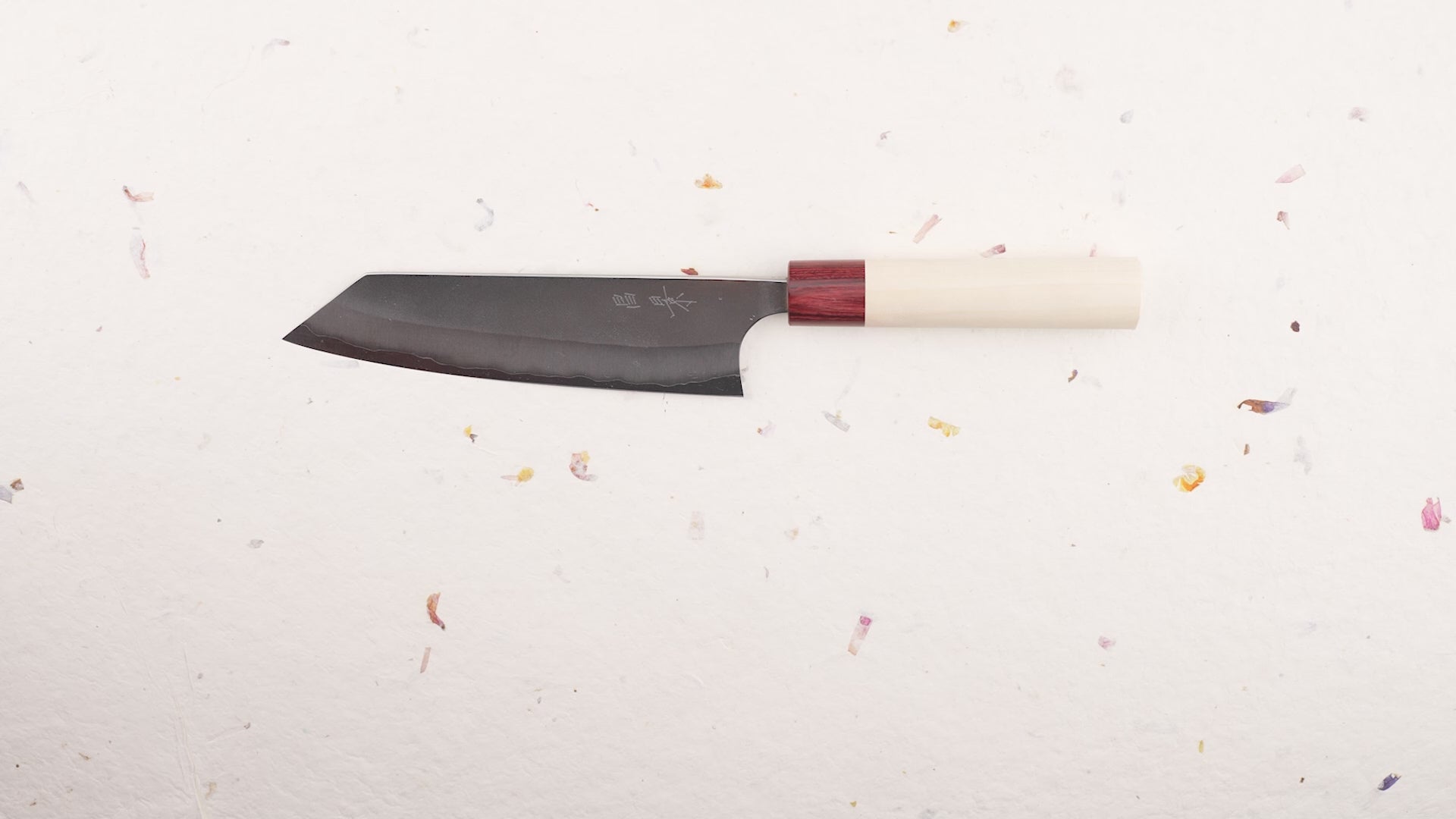
Drying, storage, and long-term care
How you store a bunka affects corrosion and edge life. Dry first. Store smart.
- Dry completely before storing; moisture causes rust fast.
- Use a wood block, magnetic strip, or knife roll. Avoid dumped drawers.
- Apply a light coat of oil to high-carbon blades for long storage.
- Keep away from acidic foods for long periods; acids can pit finishes.
I store mine in a wooden block for daily work and oil it before long trips. This routine prevents surprise rust and dulling.
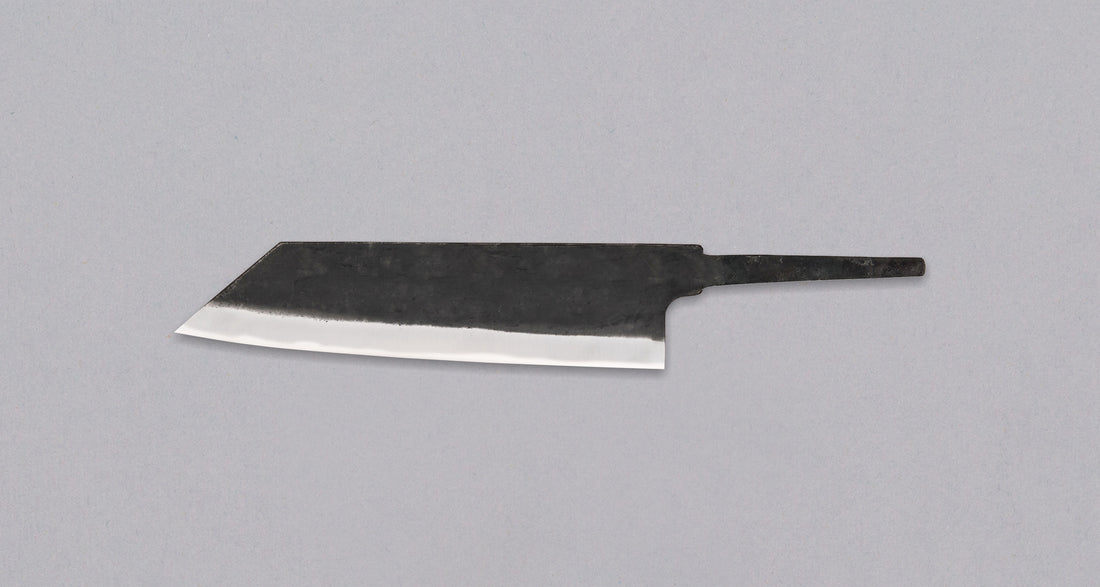
Common mistakes to avoid when cleaning a bunka knife
Avoid these errors to protect the blade and your safety.
- Putting the knife in a dishwasher; heat and detergents ruin edges and handles.
- Scrubbing the edge aggressively; this chips and dulls the blade.
- Letting the knife soak long hours in acidic solutions; this can pit the steel.
- Storing wet or in a drawer where it knocks against other tools.
A gentle touch and quick drying go a long way in how to clean bunka knife properly.

Personal tips and lessons from experience
I’ve cleaned dozens of bunka knives in home kitchens and pro settings. These small habits helped me most.
- Wipe the blade right after each cut. It takes 10 seconds and saves hours later.
- Keep a small bottle of mineral oil near the prep area for quick passes on carbon steel.
- Use a soft cloth and move from spine to edge; it feels safer and preserves the edge.
- If unsure about heavy rust, take the knife to a pro sharpener. Cheap home fixes can cost more later.
These habits reduced my rehoning frequency and kept knives looking new longer.
When to seek professional help
Some issues need a pro. Don’t try everything at home.
- Deep pitting or large rust areas.
- Chips or bent tips from drops or hard use.
- When you lack sharpening tools or skill.
A good sharpener will restore geometry and remove damage without oversanding the blade.
Related care topics and FAQs people ask
Short notes on related ideas you may want to know.
- Can you use olive oil? It can go rancid; use mineral or camellia oil for long-term protection.
- Is stainless steel easy to care for? Yes, but it still benefits from drying and proper storage.
- How often to sharpen? Hone weekly; sharpen when cutting performance drops.
These quick points link cleaning with other knife care habits.
Frequently Asked Questions of how to clean bunka knife
How often should I clean my bunka knife?
Clean it after each use. Quick rinsing and drying prevent stains and rust. Regular care keeps the edge sharp longer.
Can I use a dishwasher for my bunka knife?
No. Dishwashers expose the blade to harsh detergents and heat that damage the edge and handle finish.
What oil is best after cleaning a bunka knife?
Use food-safe mineral oil or camellia oil for high-carbon blades. Avoid vegetable oils that can turn rancid.
How do I remove small rust spots without damaging the edge?
Use a rust eraser or 0000 steel wool gently along the grain. Do not scrub across the edge or apply heavy force.
Will soap hurt the bunka blade?
Mild soap is fine when rinsed promptly. Avoid strong acidic cleaners or long soaks that can harm the finish.
Conclusion
Cleaning your bunka knife is simple but crucial. Use warm water, mild soap, a soft cloth, and dry the blade right away. For high-carbon knives, finish with a light coat of food-safe oil and store the blade safely. Start small: wipe after each use, hone often, and deep-clean only when needed. Take these steps and your bunka will stay sharp, safe, and beautiful for years.
Try these tips for a week and notice the difference. Share your results, ask questions, or subscribe for more knife care guides.

Maliha Khatun has spent 5 years hands-on testing Japanese knives for everyday home cooks. She has evaluated over 60 blades across nakiri, santoku, gyuto, and petty categories — scoring each on edge retention, steel quality, handle comfort, and value for money. She writes to help home cooks buy the right knife without the guesswork.
Expertise:Japanese Knives • Vegetable Knives • Product Reviews • Kitchen Efficiency • Knife Care
Leave a Reply