Keep your bunka knife sharp, clean, and rust free with simple daily care.
I have worked with kitchen knives for years and have tested many care methods. This guide gives clear, expert bunka knife care tips you can use today. Read on for tested routines, step-by-step maintenance, sharpening notes, and real-world mistakes to avoid so your bunka knife stays reliable for years.
Understanding the bunka knife
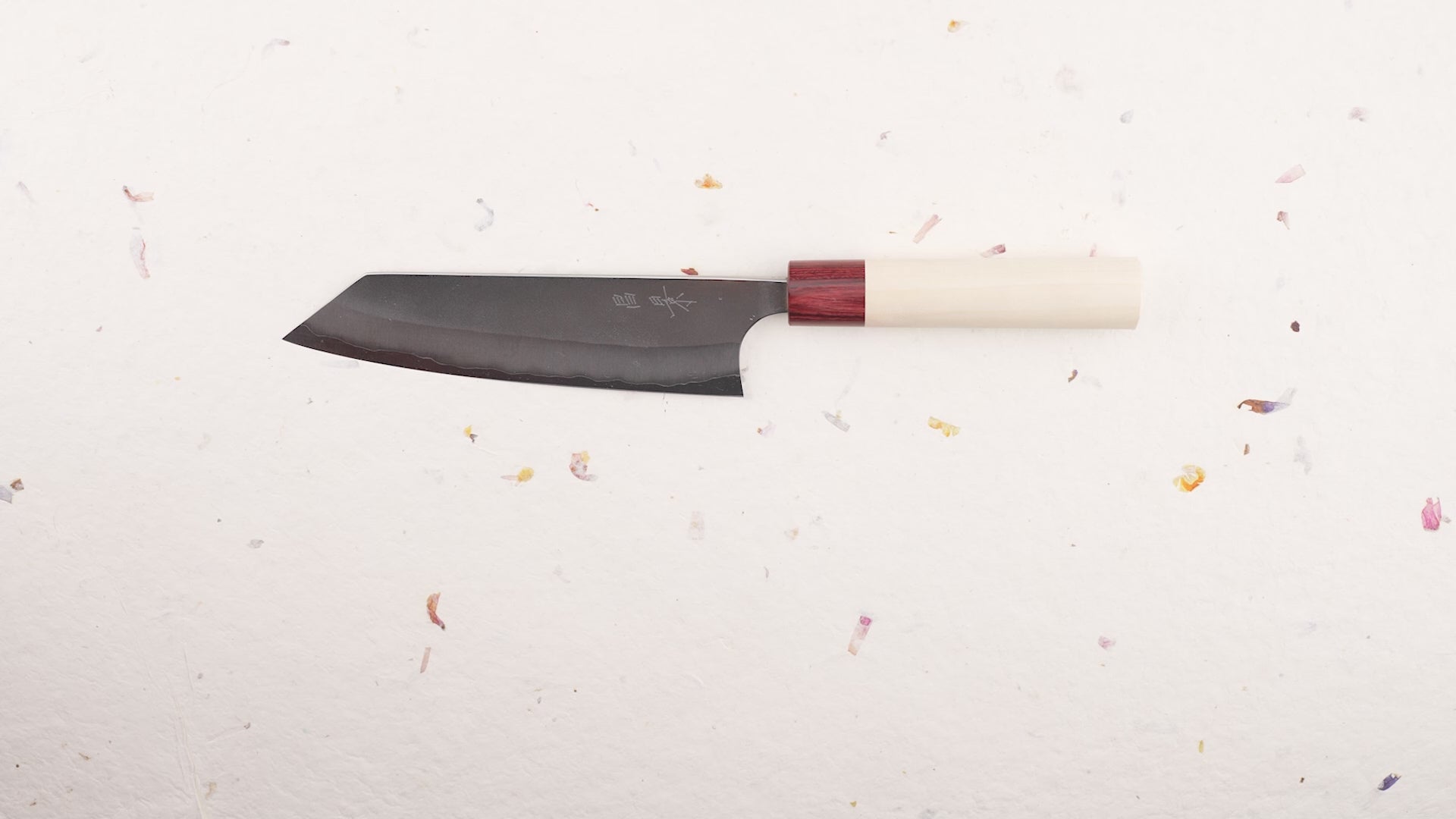
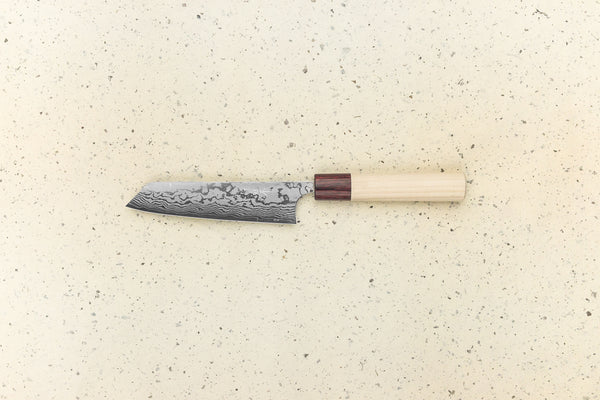
A bunka knife is a Japanese utility blade with a clipped tip and a tall profile. It blends the chopping power of a santoku with the tip control of a petty knife. Many bunka blades come in stainless or carbon steel. Knowing your blade metal and grind helps you apply the right bunka knife care tips.
Key features to note:
- Blade shape and tip for precision cuts.
- Steel type: high-carbon demands more rust prevention than stainless.
- Edge angle: typically 15–18 degrees per side for Japanese-style edges.
Why this matters:
- Different steels need different oiling and sharpening routines.
- The clipped tip and thinner edge benefit from careful stropping and gentle use.

Source: cutleryandmore.com

Daily care routine for bunka knife care tips
Daily care keeps small problems from becoming big ones. Spend two minutes after each use. These bunka knife care tips protect the edge and finish.
Routine steps:
- Rinse blade immediately after use to remove acids and salts.
- Wash with warm water and a drop of mild soap. Keep scrubbing gentle.
- Dry fully with a soft towel. Do not air-dry in humid kitchens.
- Wipe the blade with a light food-grade oil if you own carbon steel.
Simple habits that help:
- Use a wooden or plastic cutting board. Hard surfaces dull edges.
- Never put your bunka knife in the dishwasher.

Source: knifewear.com
Cleaning and washing after use
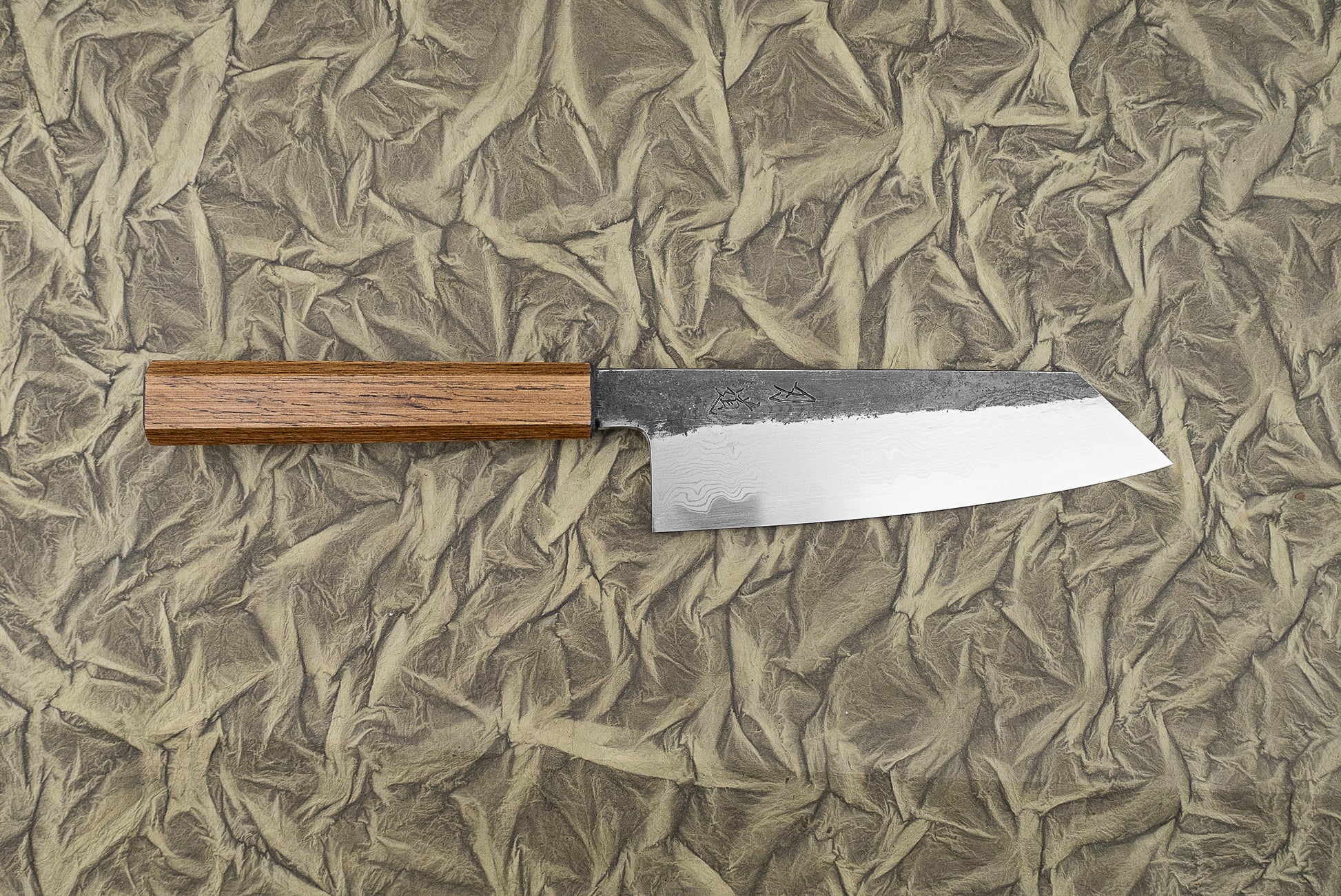
Proper cleaning stops stains and rust. These bunka knife care tips focus on right tools and gentle action.
Step-by-step cleaning:
- Rinse off loose food under running water.
- Apply a mild dish detergent with a soft sponge. Clean both sides gently.
- Rinse, then wipe dry immediately with a lint-free cloth.
- For sticky or sugary residues, soak only the food area briefly and rinse right away.
Deep-clean notes:
- For carbon steel, remove spots with a paste of baking soda and water. Rub gently and rinse.
- Avoid abrasive pads or steel wool that scratch and invite corrosion.

Source: sharpedgeshop.com
Sharpening and honing: maintain the edge
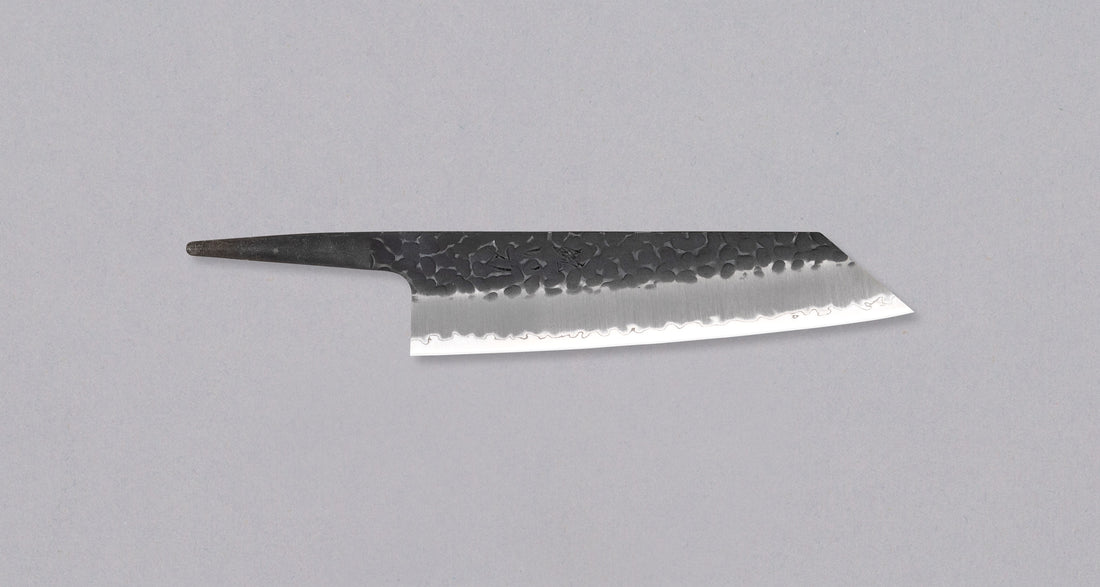
Sharpening restores the edge. Honing realigns it. These bunka knife care tips explain when to do each and how.
Key differences:
- Honing rod: use often to realign the edge between sharpens.
- Whetstone: use when the blade needs metal removed and a fresh bevel.
Practical sharpening guide:
- Use a 1000-grit stone for regular sharpening and 3000–6000 grit for polishing.
- Maintain about a 15-degree angle per side for typical bunka knives.
- Work slowly. Keep water or oil on the stone per manufacturer instructions.
- Finish with a leather strop to remove burrs and polish the edge.
When to sharpen:
- Hone weekly if you use the knife daily.
- Sharpen on a stone when honing no longer restores clean cuts.

Source: knifewear.com

Storage and protection
Good storage prevents chips and rust. These bunka knife care tips help keep the blade safe.
Safe storage options:
- Magnetic strip mounted on the wall for quick access. Place blade flat against steel to avoid tipping.
- Knife bank with individual slots to prevent rubbing.
- Saya or blade guard for drawers or travel.
Avoid these:
- Tossing a loose knife in a drawer. That chips the edge and risks injury.
- Storing in damp environments without silica packets or ventilation.

Source: japanese-food-craftsman.com

Avoiding damage and common mistakes
Simple errors shorten a knife’s life. These bunka knife care tips list common traps and fixes.
Common mistakes to avoid:
- Cutting bones or frozen food. That chips or bends thin edges.
- Using glass, stone, or metal boards. Use wood or plastic instead.
- Running the knife through a dishwasher. Heat and detergent dull and pit the blade.
- Over-sharpening. Remove only the metal you need to restore the bevel.
Quick fixes:
- Small chips can sometimes be smoothed on a coarse stone then refined.
- Persistent rust may require light sanding and immediate oiling.

Source: knifewear.com

Materials and maintenance schedule
A steady schedule keeps your bunka knife sharp and healthy. These bunka knife care tips match tasks to steel type.
Maintenance schedule:
- After each use: clean, dry, and store properly.
- Weekly: hone with a rod or fine stone if you use the knife often.
- Every 3–6 months: sharpen on a whetstone for home cooks. Sharpen sooner for heavy use.
- Annually: consider professional sharpening and inspection for high-end knives.
Carbon vs stainless:
- Carbon steel: oil lightly after cleaning and store dry to prevent rust.
- Stainless steel: less prone to rust but still needs regular honing and proper storage.
Source: sharpedgeshop.com
Buying maintenance tools
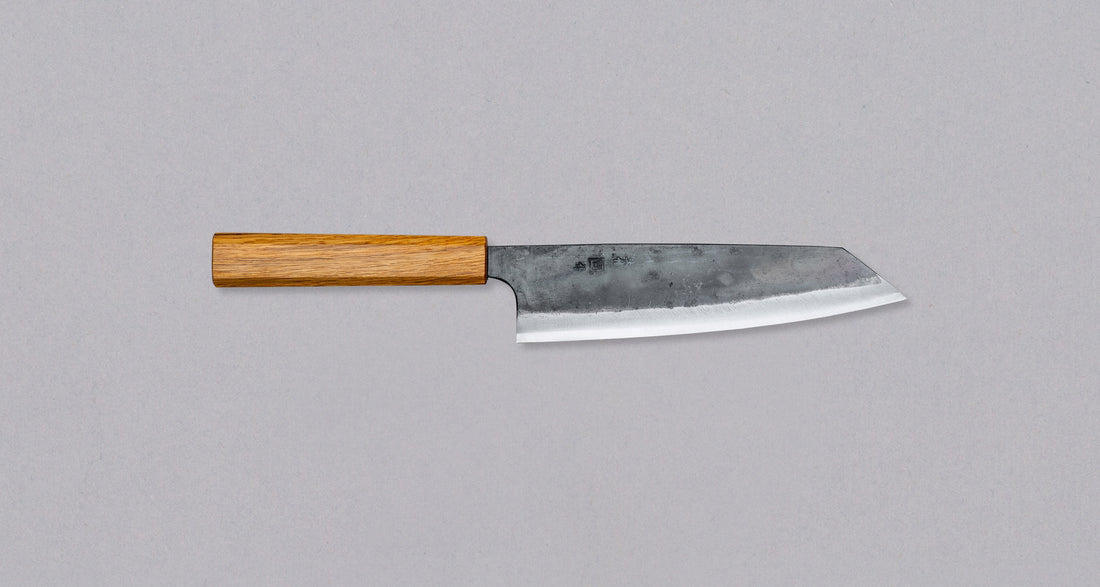
Invest in a few quality tools. These bunka knife care tips help you choose the right gear.
- Whetstones: a combo 1000/6000 grit set covers most needs.
- Honing rod: ceramic or tempered steel for quick realignment.
- Leather strop: polishes and removes burrs for a razor finish.
- Blade guard or saya: protects edge in drawers.
- Food-safe oil: for carbon steel protection.
Buying tips:
- Choose stones with a stable base to avoid slips.
- Avoid cheap pull-through sharpeners; they can remove too much metal or skew angles.

Source: knifewear.com
Personal experience and lessons learned
I once ruined a vintage bunka by leaving it wet in a sink overnight. The blade stained and required heavy sanding to restore. Since then I follow strict bunka knife care tips. I towel-dry immediately and oil carbon blades sparingly. Small daily habits prevented big repairs and kept my edge true.
Lessons you can use:
- Do small things every day. They add up.
- When in doubt, protect the edge and keep the blade dry.
Quick PAA-style questions
How often should I sharpen my bunka knife?
Sharpen when honing no longer gives clean cuts, typically every 3–6 months for home cooks. Heavy users may need monthly sharpening.
Can I use a pull-through sharpener on a bunka?
You can, but many pull-through devices remove too much metal and change the blade angle. A whetstone gives better control and a finer edge.
Is oiling necessary for all bunka knives?
Stainless steel needs less oil, but carbon steel benefits from light, regular oiling to prevent rust. Use food-grade mineral oil.
Frequently Asked Questions of bunka knife care tips
What is the best angle to sharpen a bunka knife?
Most bunka knives sharpen well at about 15 degrees per side. Keep the angle steady and use a stone for best results.
Can I store a bunka knife in a drawer?
You can if you use a blade guard or sheath. Avoid loose storage to prevent chips and injury.
How do I remove rust from a carbon bunka blade?
Make a paste of baking soda and water, rub gently with a soft cloth, rinse, dry, and oil. For heavy rust, use fine abrasive carefully and then re-oil.
Is honing enough for regular maintenance?
Honing realigns the edge and is good for daily upkeep. You still need to sharpen on a stone when the edge becomes dull.
Can I use the same care routine for stainless and carbon bunka knives?
The routines are similar but carbon needs more rust prevention like oiling and faster attention to dryness. Stainless is more forgiving but still benefits from proper sharpening and storage.
How long does a well-cared-for bunka knife last?
With proper bunka knife care tips, a quality knife can last for decades and even generations. Regular maintenance and correct use are the keys.
Should I oil the handle as well as the blade?
If your handle is wood, treat it occasionally with food-safe oil to prevent cracking. Synthetic handles usually only need cleaning.
Conclusion
Good bunka knife care tips are simple. Clean, dry, hone, and store correctly. Sharpen on a stone when needed and choose storage that protects the edge. Small daily habits keep your knife safe and sharp for years. Start a two-minute daily routine today and your bunka will reward you with cleaner cuts and long life. Share your tips, ask questions below, or subscribe for more knife care guides.

Maliha Khatun has spent 5 years hands-on testing Japanese knives for everyday home cooks. She has evaluated over 60 blades across nakiri, santoku, gyuto, and petty categories — scoring each on edge retention, steel quality, handle comfort, and value for money. She writes to help home cooks buy the right knife without the guesswork.
Expertise:Japanese Knives • Vegetable Knives • Product Reviews • Kitchen Efficiency • Knife Care
Leave a Reply