A simple bunka knife maintenance routine keeps the blade sharp, safe, and ready for daily use.
I have maintained and tested dozens of Japanese-style blades. This guide covers a full bunka knife maintenance routine from daily care to sharpening, storage, and common mistakes. Read on for clear steps, tools, and tips you can use right away to protect your investment and improve your cooking.

Why a bunka knife maintenance routine matters
A bunka knife maintenance routine protects the thin, sharp edge of the blade. Proper care keeps cuts clean and reduces food waste. It also prevents chips, rust, and unnecessary sharpening. Follow simple steps and your bunka will perform like new for years.
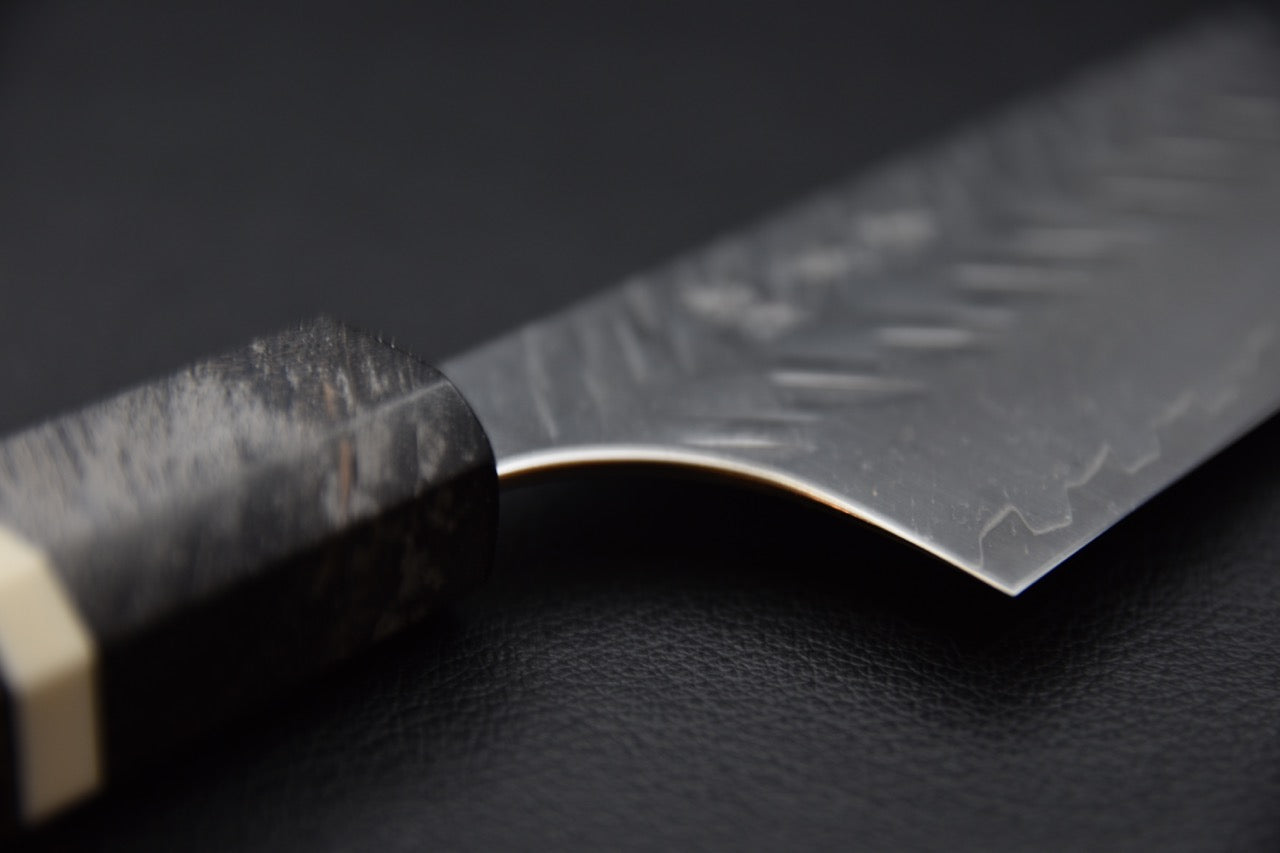
Daily bunka knife maintenance routine
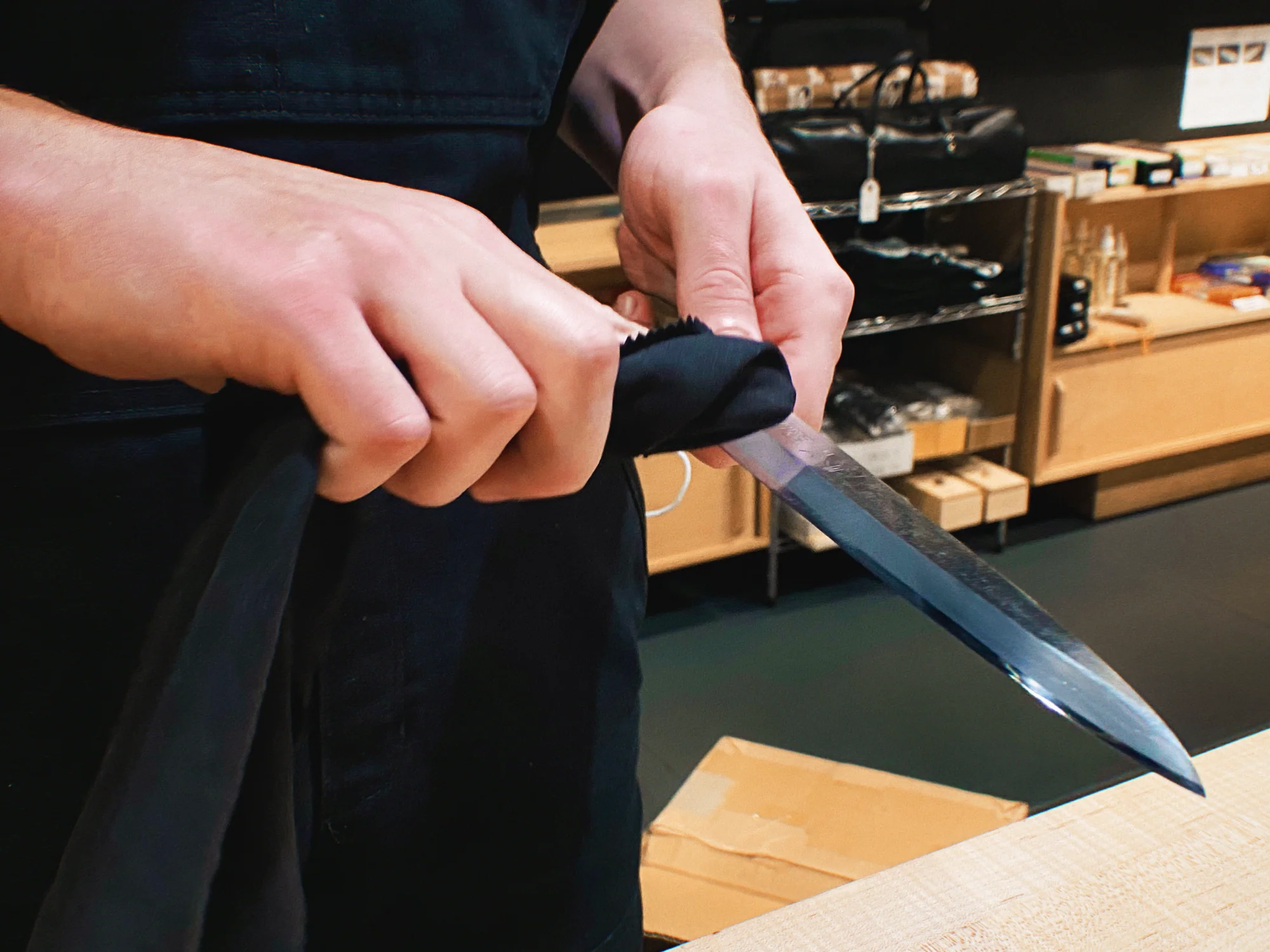
Daily care is quick and makes a big difference. Wipe the blade clean right after use with a soft cloth and warm water. Dry the knife fully to stop water marks and rust. Store safely in a block or on a magnetic strip.
- Rinse the blade with warm water immediately after cutting.
- Use mild soap only when necessary and rinse thoroughly.
- Dry the knife with a soft towel; do not air dry.
- Return to storage away from other metal items to avoid knocks.
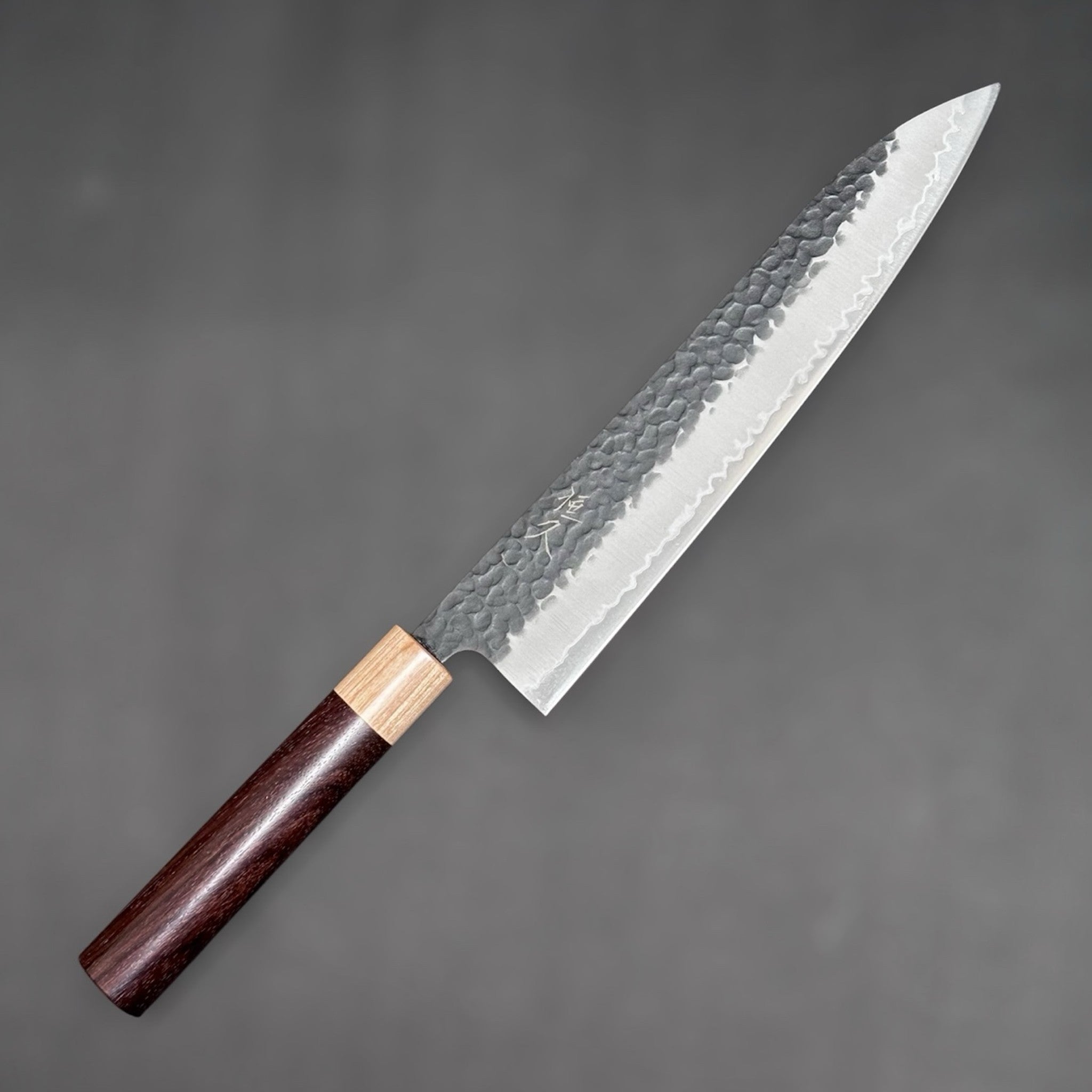
Weekly and monthly bunka knife maintenance routine steps
A weekly check keeps small issues from growing. Inspect the edge for burrs, nicks, and chips. Hone the edge weekly to realign it. Monthly, give the knife a more thorough clean and evaluate whether it needs sharpening.
- Weekly: Hone with a ceramic rod or fine steel every 5–10 uses.
- Monthly: Clean with a mild abrasive pad if needed, then oil lightly if the steel is high-carbon.
- Quarterly or as needed: Sharpen on a whetstone when honing no longer restores the edge.
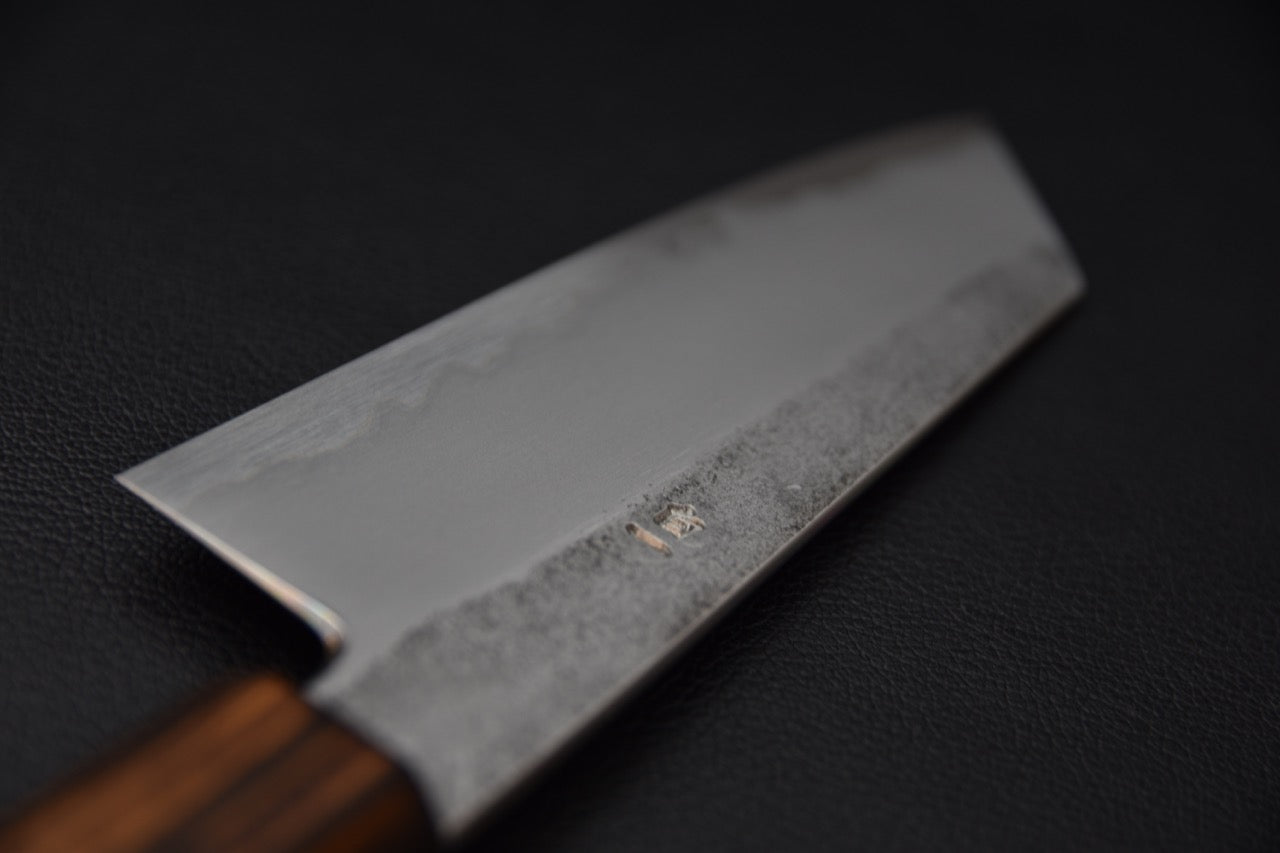
Sharpening and honing in a bunka knife maintenance routine
Honing straightens the edge. Sharpening removes metal to form a new edge. Use a whetstone for best control. Keep angles between 15° and 20° per side for most bunka knives. Test the edge on a tomato or by shaving a small hair to check sharpness.
- Hone before or after light use to keep the edge true.
- Sharpen on a 1000–3000 grit stone for everyday sharpening.
- Finish with a 4000–8000 grit stone for a polished edge if desired.

Cleaning and storage rules for bunka knife maintenance routine
Cleaning and storage prevent damage and rust. Never put a bunka in the dishwasher. The heat and detergents can warp and dull the blade. Use a protective sheath or block for storage and avoid stacking knives.
- Clean by hand with warm water and mild soap if needed.
- Dry immediately and completely on a soft towel.
- Use a saya or magnetic strip to store the knife safely.
- Keep the blade away from acidic foods during long rests to avoid discoloration.
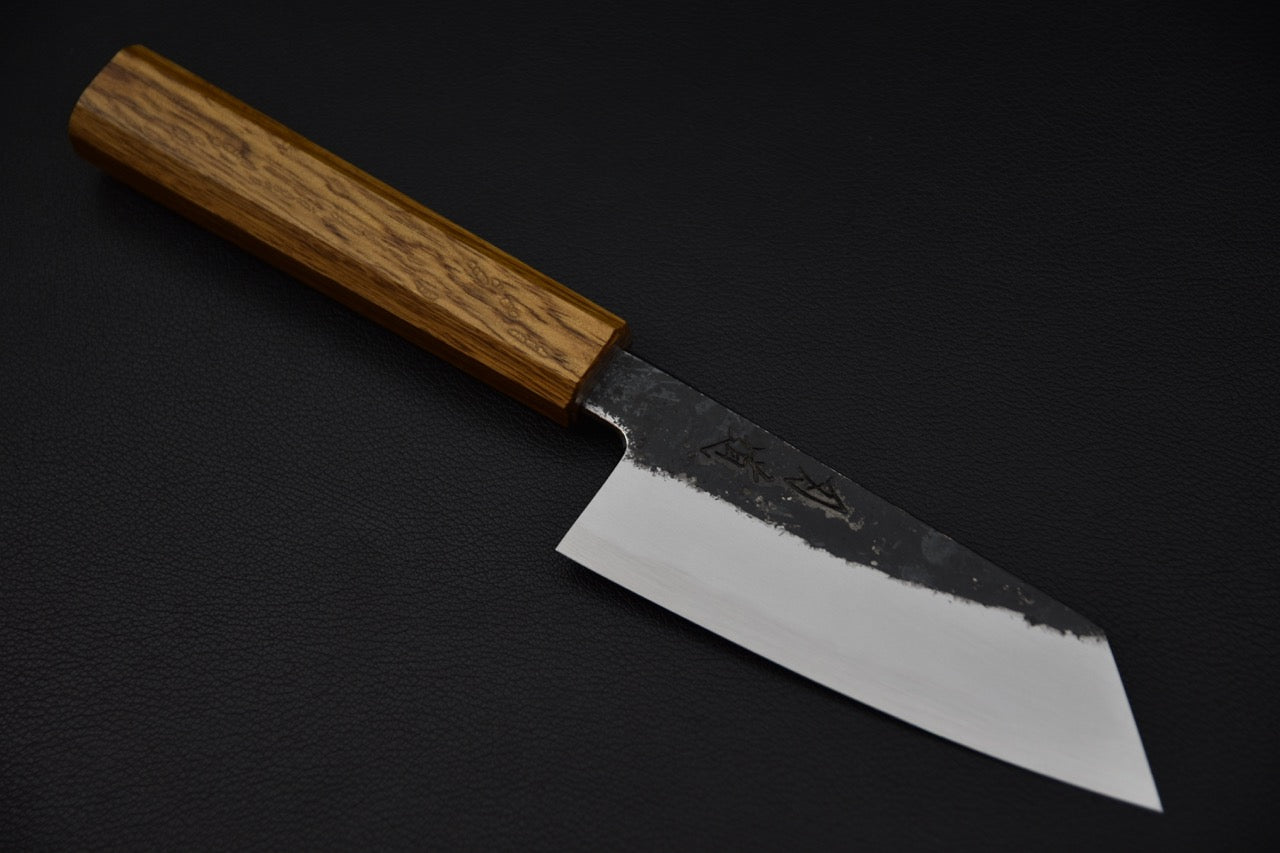
Common mistakes to avoid in your bunka knife maintenance routine
Avoid a few common errors that shorten blade life. Do not use the bunka as a pry bar or to cut bones. Avoid ceramic plates or glass boards that dull the edge quickly. Don’t skip drying after washing; moisture invites rust.
- Never chop on hard surfaces like stone or glass.
- Do not use excessive force; let the blade do the work.
- Avoid long exposure to acidic ingredients without rinsing.
Tools and supplies for a reliable bunka knife maintenance routine
A small kit covers most needs. Choose a quality whetstone, a ceramic honing rod, a soft towel, and a storage option. Add a light mineral oil if your bunka is high-carbon steel.
- Whetstones: 1000/3000 and 4000/8000 grit options.
- Ceramic honing rod for quick alignment.
- Soft microfiber towel for drying.
- Saya, knife block, or magnetic strip for safe storage.
- Food-safe mineral oil for occasional rust prevention on carbon blades.
Personal experience and practical tips from the kitchen
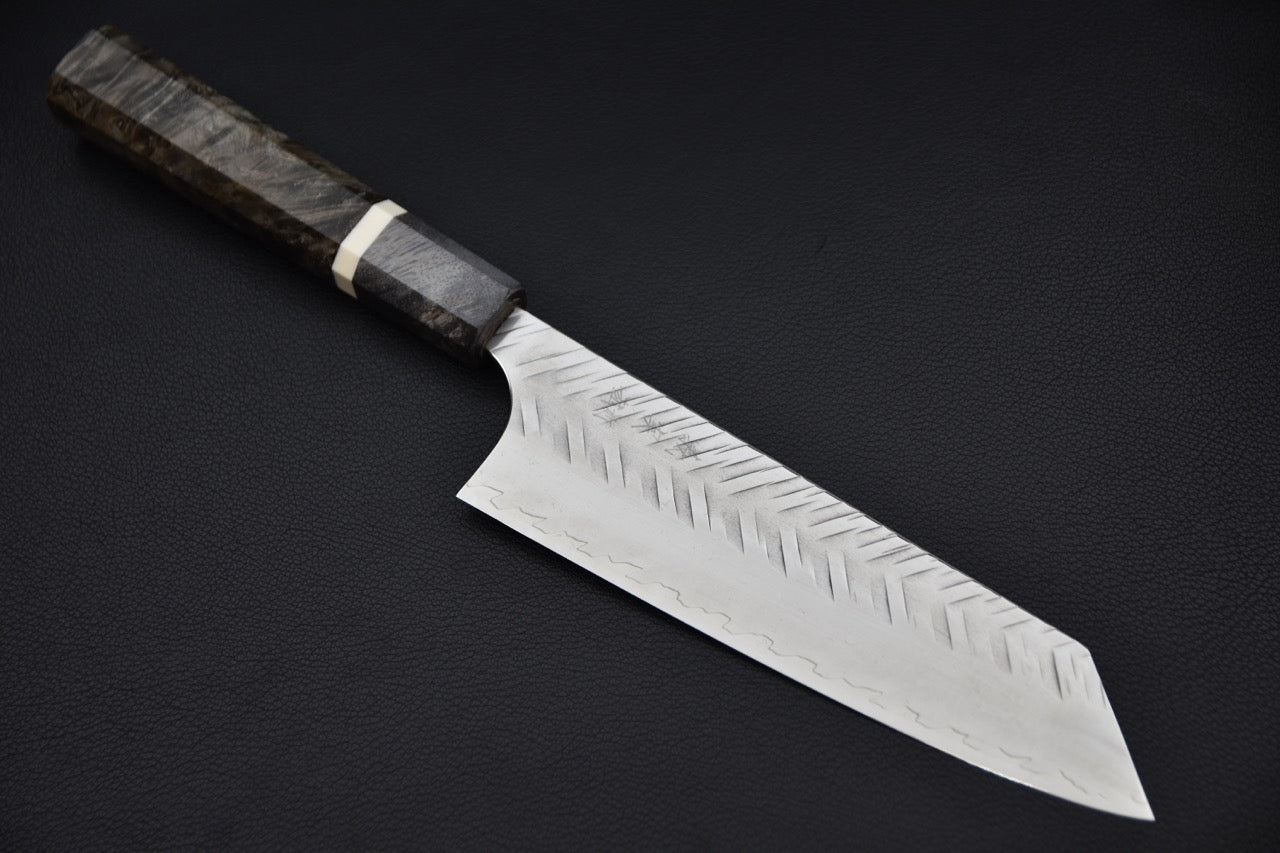
I sharpened my first bunka after a summer of heavy use. I learned that regular honing cut my sharpening sessions by more than half. A short five-minute routine after each use saved time and kept slices clean. My tip: hone often and sharpen only when you must.
- Keep a small stone nearby. It makes sharpening less of a chore.
- Track usage. Heavy prep requires more frequent honing.
- If you see rust, treat it quickly with a fine abrasive and oil.

Frequently Asked Questions of bunka knife maintenance routine
How often should I hone my bunka knife?
Hone every 5–10 uses or once a week with normal home cooking. Hone more often during heavy prep days.
How often do I need to sharpen the bunka knife?
Sharpen when honing no longer restores a keen edge. For many home cooks this is every 3–12 months.
Can I use a bunka on a ceramic cutting board?
Ceramic boards are very hard and will dull any blade fast. Use wood or plastic boards instead.
Is it safe to put my bunka in the dishwasher?
No. Dishwasher heat and detergent harm the blade and handle. Hand wash and dry immediately.
What angle should I use to sharpen my bunka knife?
Aim for about 15°–20° per side. Keep the angle steady for a cleaner edge.
Should I oil my bunka knife?
Oil lightly only if it is high-carbon steel or if you live in a humid climate. Use food-safe mineral oil.
Conclusion
A solid bunka knife maintenance routine is simple and effective. Daily wiping, regular honing, and mindful sharpening protect the blade and improve your cooking. Start small: hone regularly and sharpen only when needed. Try these steps this week and notice how much smoother prep becomes; leave a comment or subscribe for more knife care tips.

Maliha Khatun has spent 5 years hands-on testing Japanese knives for everyday home cooks. She has evaluated over 60 blades across nakiri, santoku, gyuto, and petty categories — scoring each on edge retention, steel quality, handle comfort, and value for money. She writes to help home cooks buy the right knife without the guesswork.
Expertise:Japanese Knives • Vegetable Knives • Product Reviews • Kitchen Efficiency • Knife Care
Leave a Reply