Use a whetstone, start coarse to fine, keep a steady angle, and finish with a strop.
I have sharpened knives for years as a home cook and pro kitchen helper. This guide on how to sharpen a knife pulls together hands-on tips, simple science, and step-by-step methods you can trust. You will learn which tools to pick, how blade geometry matters, exact motions to use on a whetstone, quick fixes with a honing rod, and safe maintenance habits that keep blades sharp longer. Read on to master how to sharpen a knife with confidence and keep your kitchen running smoothly.

Tools and materials you need to sharpen a knife
Start with the right tools. Choosing good gear makes sharpening faster and safer.
- Whetstones
- Use a two-sided water stone or oil stone with coarse (400–1000) and fine (3000–8000) grits.
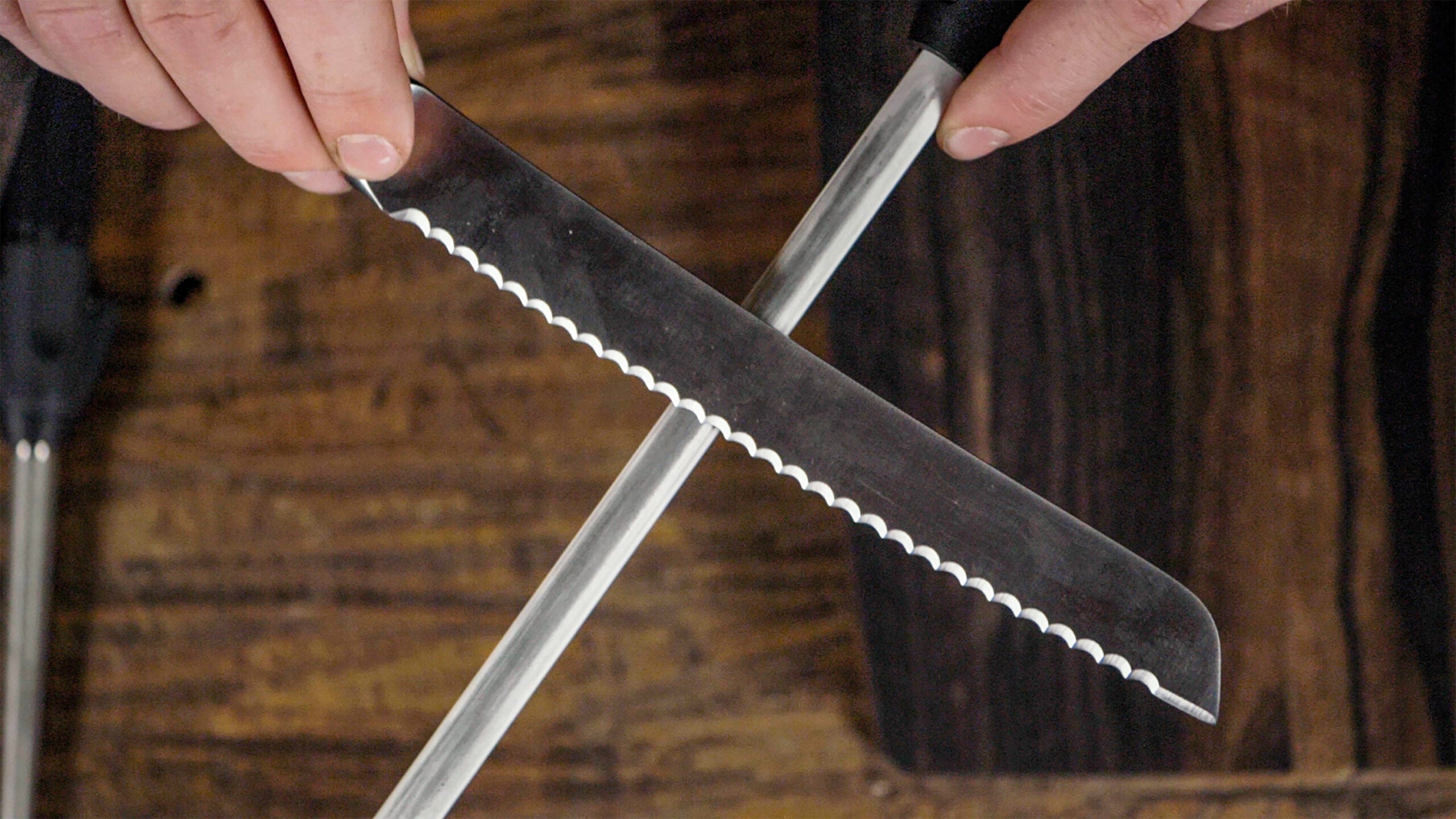
- Honing rod (ceramic or steel)
- Ideal for daily edge alignment; not a substitute for sharpening.
- Strop
- Leather strop with compound for final polishing.
- Clamp or knife guide
- Optional for beginners to hold a consistent angle.
- Lubricant
- Water for water stones, honing oil for oil stones.
- Safety gear
- Cut-resistant glove and a stable work surface.
I prefer a 1000/4000 water stone, a ceramic rod, and a leather strop. Those three cover daily care and deep sharpening. The tools above will help you learn how to sharpen a knife effectively and safely.
Understand knife geometry and why it matters
Blades have two key geometry features that affect how to sharpen a knife.
- Edge angle
- Lower angles (12°–15° per side) give a sharper edge but are less durable.
- Higher angles (18°–25° per side) increase strength for heavy use.
- Bevel type
- V-bevel: common, symmetric on both sides.
- Hollow, convex, or single-bevel: require specific techniques.
Match the angle to the knife’s use. A thin sushi knife gets a low angle. A heavy chef’s knife benefits from a higher angle. Understanding this is central to how to sharpen a knife well and to keep the edge performing how you need it.
Main methods: whetstone, honing rod, pull-through, and electric
You can learn how to sharpen a knife using several methods. Each method fits a need.
- Whetstone (recommended)
- Best control and best edge quality for most knives.
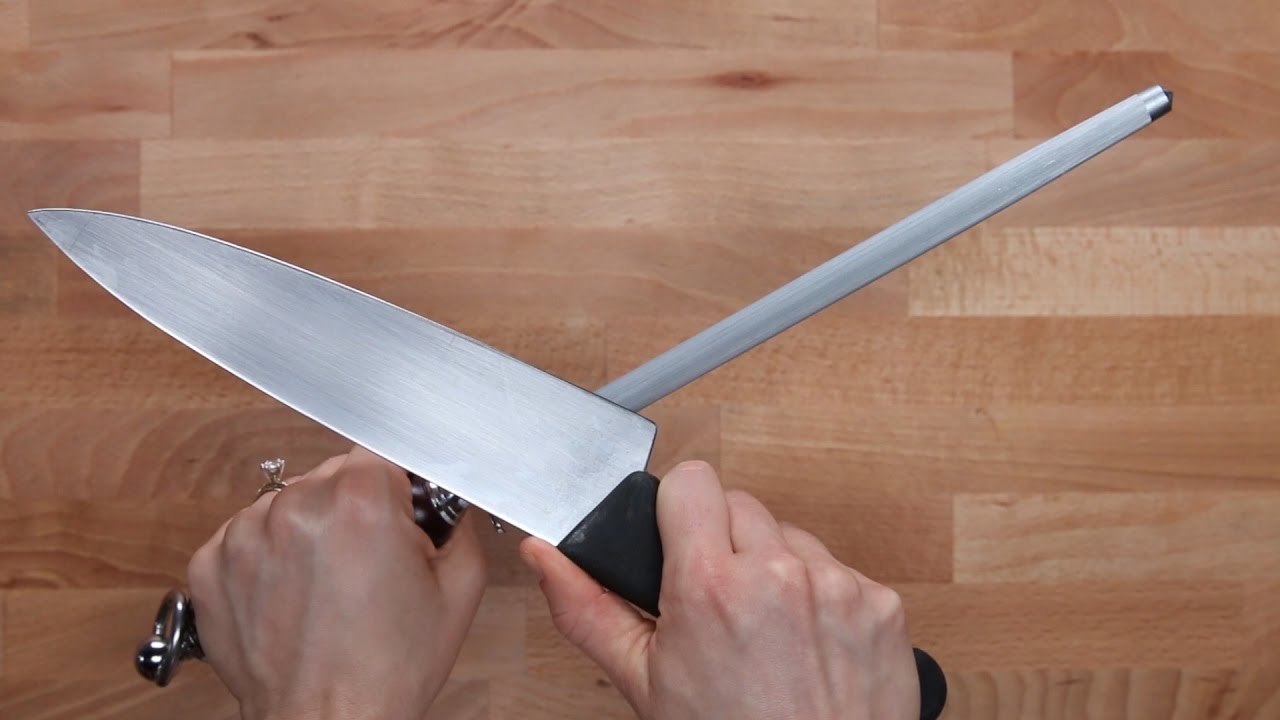
- Honing rod (daily care)
- Realigns the edge; does not remove much metal.
- Pull-through sharpeners
- Fast and easy; can remove metal unevenly if used often.
- Electric sharpeners
- Convenient; can be aggressive if you don’t monitor angle.
My experience: I use a whetstone for full sharpening, a rod for daily alignment, and a strop for finishing. Avoid pull-throughs for high-end knives unless you accept faster wear. Learning how to sharpen a knife on a whetstone yields the best results and long-term edge life.

Step-by-step: how to sharpen a knife on a whetstone
This is the core of how to sharpen a knife. Follow these steps slowly.
- Prepare the stone
- Soak a water stone for 5–10 minutes, or follow the manufacturer’s instructions.
- Secure the stone
- Put the stone on a non-slip mat or towel on your workspace.
- Establish angle
- Hold the blade at the correct angle (12°–20° per side). Use a guide if needed.
- Start with coarse grit
- Push the blade across the stone away from you, spine leading, so the edge scrapes the grit.
- Use even pressure and cover the full edge from heel to tip.
- Repeat 8–12 strokes per side until you feel a burr.
- Check for a burr
- Run your finger gently (perpendicular) to feel a tiny raised wire of metal on the opposite side.
- Move to finer grit
- Flip to the fine side (3000–8000 grit). Repeat strokes with lighter pressure to refine the edge.
- Remove the burr
- Use alternating single strokes on each side to remove the burr and polish the edge.
- Strop for polish
- Drag the edge backward along a leather strop, spine-first, to remove microscopic burrs and polish.
Tips from my experience:
- Keep strokes consistent. Small changes in angle ruin the edge.
- Count strokes at first to balance both sides.
- Use water on the stone to carry away metal particles and keep the surface flat.
Practicing these steps will teach you how to sharpen a knife to a professional-grade edge.

Honing, stropping, and maintenance between sharpenings
Regular care keeps sharpening sessions less frequent and simpler.
- Honing rod routine
- Use a ceramic or steel rod before each use or weekly. Do 3–6 light passes per side.
- Stropping routine
- Strop after sharpening or once a week to polish the edge.
- Storage and use
- Use a knife block, magnetic strip, or blade guard. Avoid tossing knives in a drawer.
- When to sharpen
- If a knife drags, presses rather than slices, or shows visible nicks, it needs sharpening.
In my kitchen, honing before each use keeps performance high. I sharpen on the whetstone only when honing and stropping no longer restore the edge. This approach reduces wear and teaches practical ways to manage how to sharpen a knife over time.

Safety tips and common mistakes to avoid
Sharpening is simple. Mistakes can cause injury or damage the blade.
- Safety rules
- Work slowly. Keep fingers away from the edge.
- Use a firm, non-slip surface and a cut-resistant glove if unsure.
- Common mistakes
- Using too much force: this removes metal too fast and chips the edge.
- Wrong angle: inconsistent angles make a dull or rounded edge.
- Skipping burr checks: you may think the blade is sharp when it is not.
- Knife damage risks
- Over-sharpening reduces blade life.
- Using the wrong grit can leave a rough, weakened edge.
Learning how to sharpen a knife safely reduces risks and gives better outcomes. I once chipped a thin blade by pressing too hard on a coarse stone—an easy lesson to remember.

Troubleshooting: fixes for common edge problems
If your blade has issues, here are quick fixes when learning how to sharpen a knife.
- Blade won’t take an edge
- Use a coarser grit and more strokes to reset the bevel.
- Blade chips or rolls
- Start with a very coarse stone to remove the damaged area, then refine.
- Uneven edge
- Count strokes per side and check the bevel visually under good light.
- Stiff or sticky edge
- Make sure you remove the burr fully and strop the blade.
These fixes come from practice. If a blade is badly damaged, a pro reprofiling service may be best.

People also ask: quick answers
Q: Can you sharpen a knife with sandpaper?
A: Yes. Use progressively finer grits glued to a flat surface, but it is slower than a whetstone and needs care.
Q: How often should I sharpen my kitchen knife?
A: Sharpen as needed—many cooks sharpen 2–4 times per year and hone weekly.
Q: Will an electric sharpener ruin my knife?
A: Frequent aggressive use can remove too much metal, but occasional, careful use is fine for many blades.
PAA-style questions like these reflect the real concerns people have when learning how to sharpen a knife.

Frequently Asked Questions of how to sharpen a knife
What angle should I sharpen my chef’s knife at?
Most chef’s knives do well at 15°–20° per side. Lower angles are sharper but less durable.
Can I use a sharpening steel to actually sharpen a dull knife?
No. A sharpening steel hones and realigns; it does not remove enough metal to fix a dull edge.
How long does it take to sharpen a knife on a whetstone?
A basic sharpening session takes 10–20 minutes for a single blade, depending on damage and skill.
Is professional sharpening worth it?
Yes, for high-end or damaged knives. Pros can reprofile and remove deep chips more quickly.
How do I test if a knife is sharp?
Slice paper, shave a tomato skin, or cut with minimal pressure. If the blade cuts cleanly, it is sharp.
Can I sharpen serrated knives at home?
You can, but serrated blades need a tapered ceramic rod or professional service for best results.
Does honing damage the blade over time?
No. Honing realigns the edge and is part of normal maintenance; it does not remove significant metal.
Conclusion
You can learn how to sharpen a knife with a clear plan, the right tools, and steady practice. Start by understanding angles and choosing a reliable whetstone. Hone and strop regularly to keep edges keen, and sharpen fully only when needed. Take safety seriously and avoid common mistakes like inconsistent angles or excess pressure. Try a short session today: pick a mid-grit stone, set a steady angle, and practice 10–15 strokes per side. Share your progress or questions below, subscribe for more practical guides, or test these steps on a spare blade to build confidence.
Maliha Khatun has spent 5 years hands-on testing Japanese knives for everyday home cooks. She has evaluated over 60 blades across nakiri, santoku, gyuto, and petty categories — scoring each on edge retention, steel quality, handle comfort, and value for money. She writes to help home cooks buy the right knife without the guesswork.
Expertise:Japanese Knives • Vegetable Knives • Product Reviews • Kitchen Efficiency • Knife Care
Leave a Reply