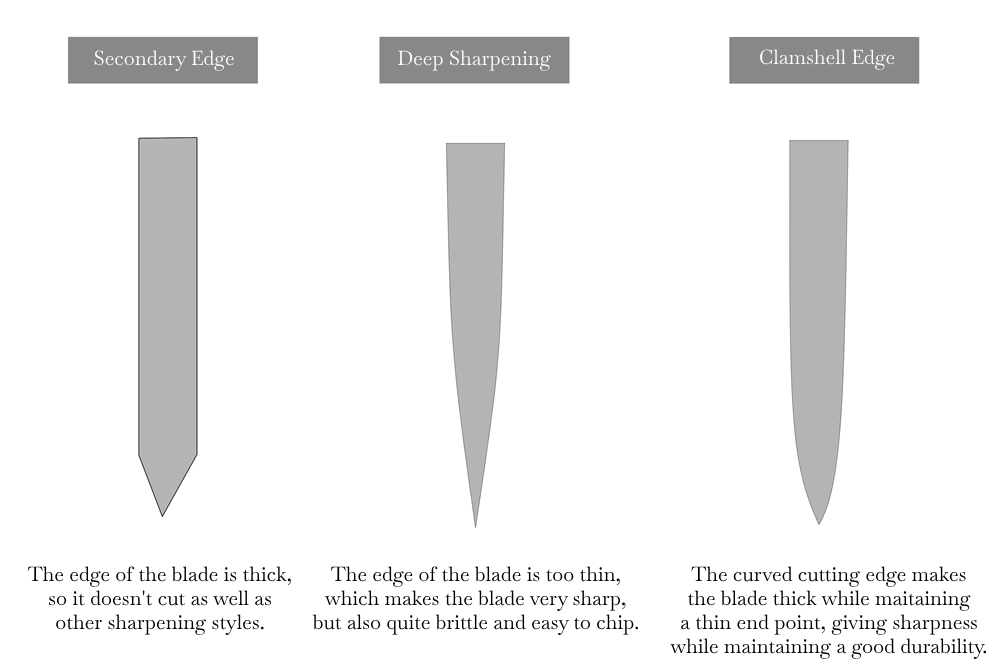
Sharpen knives with stones, steels, or guided systems to restore edge and improve safety.
I have spent years sharpening knives for chefs, campers, and home cooks. This guide on knife sharpening methods lays out clear choices, step-by-step techniques, and real-world tips. You will learn which method fits your skill, how to keep edges sharp longer, and common mistakes to avoid. Read on for practical, experience-based guidance that helps you sharpen safely and correctly.

Why sharpening matters
A sharp knife cuts cleaner, faster, and with less force. That lowers the chance of slips and injuries. Knife sharpening methods are not just about a sharp edge. They preserve metal, save money, and keep food healthy by preventing crushed cells in produce and meat.
Sharp tools also last longer when you use the right method. Learning basic methods gives control over edge angle, finish, and durability. I recommend mastering one method and learning a second for touch-ups.
Overview of common knife sharpening methods
Below are the main knife sharpening methods, with what they are, pros, cons, and typical users. These short summaries help match method to need.
Whetstones (water stones)
- What it is: Abrasive stones that use water to carry swarf and cool the blade.
- Pros: Great control, wide grit range, produces high-quality edges.
- Cons: Requires practice and time; stone maintenance needed.
- Skill level: Beginner to expert (progressive).
- Typical use: Culinary knives, high-end blades.
Diamond stones
- What it is: Metal plate with bonded diamond abrasive.
- Pros: Fast metal removal, flat, works dry or with water.
- Cons: Can remove metal quickly if misused, often more expensive.
- Skill level: Beginner to expert.
- Typical use: Very dull knives, hard steel blades.
Ceramic stones
- What it is: Hard ceramic abrasive used for fine finishing.
- Pros: Great for polishing and finishing edges, durable.
- Cons: Slower than diamond for heavy grinding.
- Skill level: Intermediate.
- Typical use: Final polish after coarse sharpening.
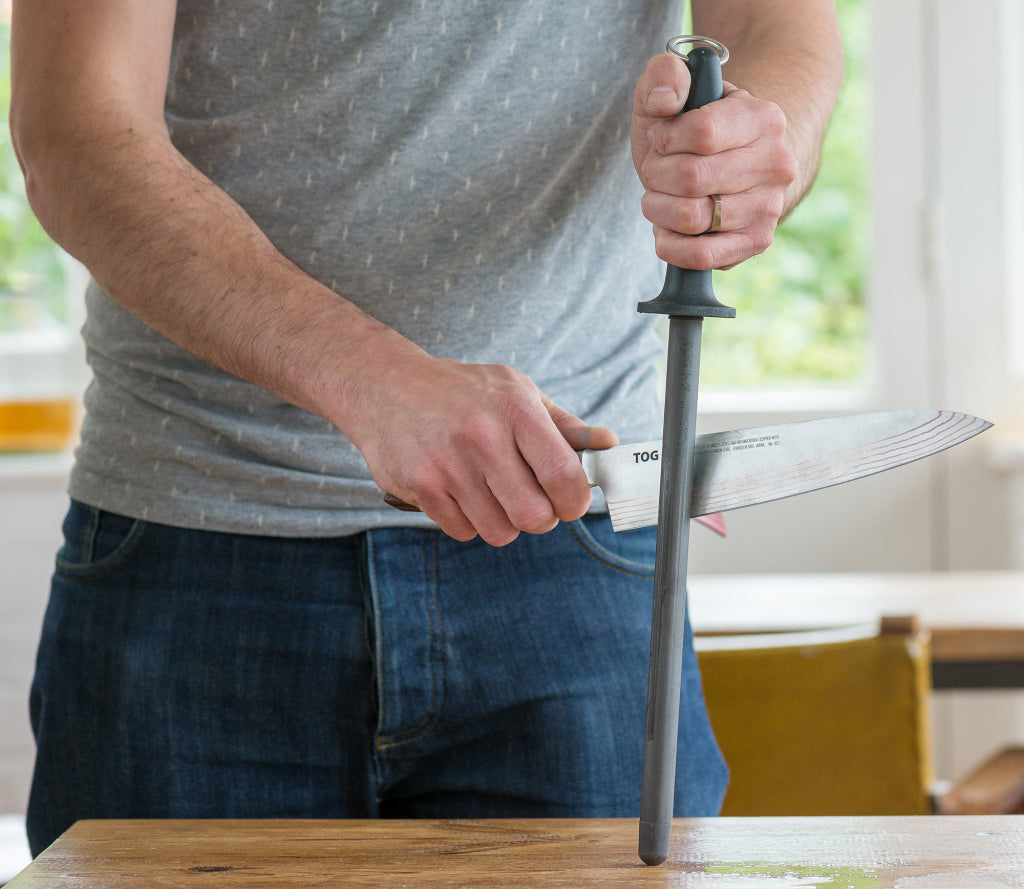
Honing rods (steels) and ceramic rods
- What it is: Rods used to realign microscopic edge folds.
- Pros: Quick maintenance, keeps edge between sharpenings.
- Cons: Does not remove metal; won’t fix a dull knife.
- Skill level: Beginner.
- Typical use: Daily kitchen upkeep.
Pull-through sharpeners
- What it is: Guided slots with abrasive wheels or stones.
- Pros: Fast and very easy to use.
- Cons: Fixed angle, can remove more metal than needed, variable quality.
- Skill level: Beginner.
- Typical use: Busy home kitchens, quick fixes.
Electric sharpeners
- What it is: Motorized abrasive wheels with guided angle settings.
- Pros: Fast, consistent angles, low skill needed.
- Cons: Expensive, can overheat or remove lots of metal if abused.
- Skill level: Beginner to intermediate.
- Typical use: Professionals who need speed.
Leather strop
- What it is: Leather surface used with or without compound for final polishing.
- Pros: Removes burr, polishes edge to razor finish.
- Cons: Needs companion abrasives for full sharpening process.
- Skill level: Intermediate.
- Typical use: Straight razors, fine kitchen knives.
Throughout, the phrase knife sharpening methods covers techniques that range from light maintenance to full edge reprofiling. I use whetstones most often for kitchen knives and a strop to finish. I keep a diamond plate for very dull edges and a ceramic rod for quick morning touch-ups.

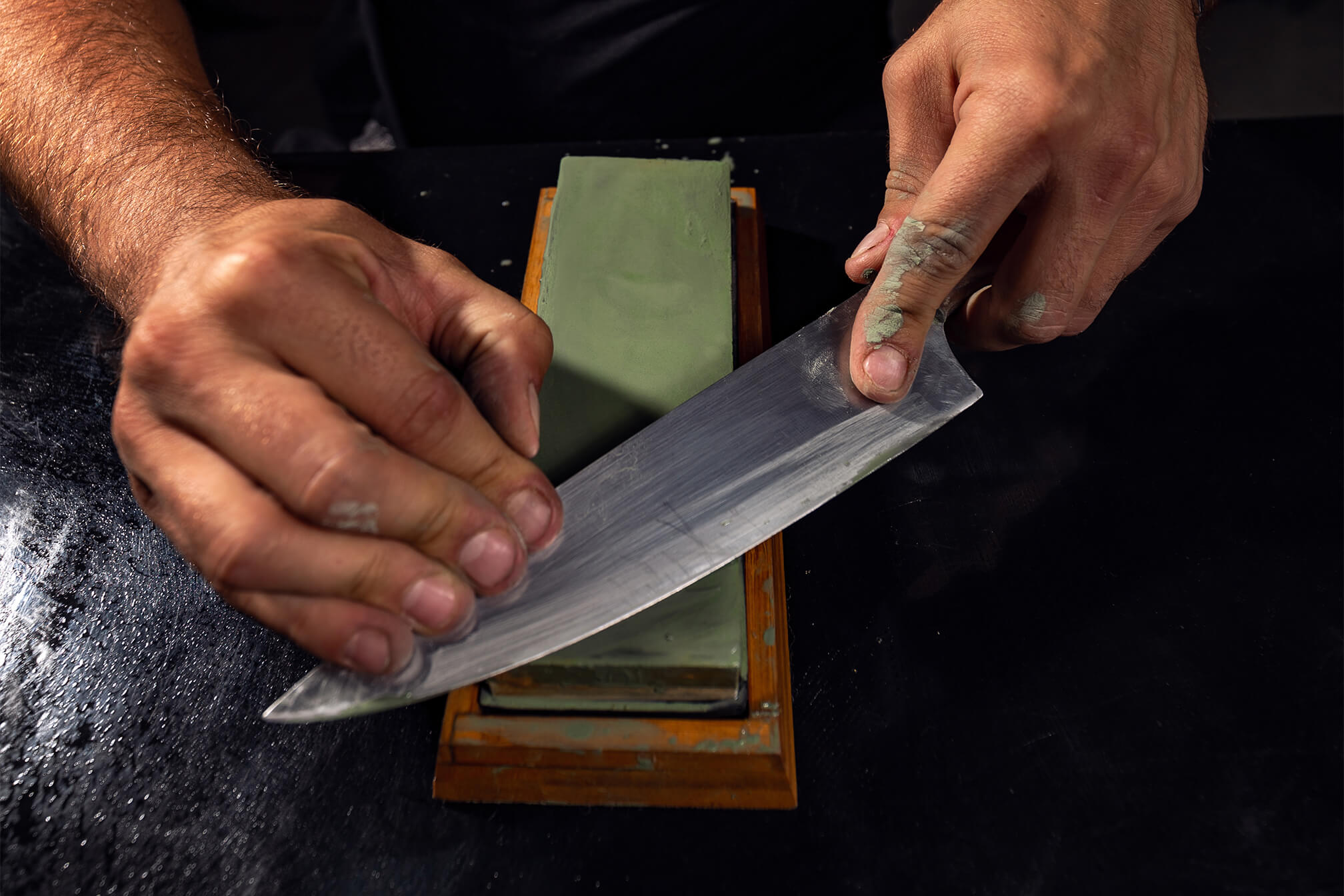
Step-by-step: How to sharpen with a whetstone
Whetstones give the best balance of control and finish. This is a clear routine that works for most kitchen knives.
- Soak or wet the stone if required by manufacturer. Some water stones need 10–15 minutes.
- Place the stone on a non-slip surface. Keep it steady with a towel or clamp.
- Select grits: start coarse (400–1000) for chips or dull edges, move to medium (1000–3000), then fine (4000–8000) for polish.
- Choose an angle. Common kitchen knives use 15–20 degrees per side. Marking the spine helps keep angle steady.
- Push the blade away along the stone with light pressure. Maintain angle. Cover full edge from heel to tip.
- Repeat evenly on both sides. Count strokes or use a timer for consistency.
- Check for a burr along the edge. A light burr indicates even metal removal.
- Switch to finer grit. Repeat steps until the burr disappears and edge is refined.
- Strop the edge on leather to remove the last burr and refine the polish.
- Clean the blade and stone. Dry and store properly.
Tips from experience:
- Practice angles with a cheap blade first.
- Keep strokes slow and steady. Rushing removes more metal than needed.
- If you feel heat, you used too much pressure or friction. Pause and cool.
Knife sharpening methods can vary, but using a clear step-by-step routine helps you learn faster and avoid mistakes.

Maintenance: honing, stropping, and sharpening frequency
Honing and sharpening are different actions. Honing realigns the edge. Sharpening removes metal to reform the edge. Stopping between them keeps edges functional longer.
Signs you need to sharpen:
- Knife tears rather than slices.
- It requires more force than usual.
- You can see a rounded edge under light.
How often to sharpen:
- For home cooks: sharpen 2–4 times per year and hone weekly.
- For heavy use or professional kitchens: sharpen monthly and hone daily.
- Knife type matters: soft steel dulls faster, hard steel holds edge longer.
I learned to hone before each use for mise en place. That kept edge life long and reduced full sharpen cycles.
How to choose the best method for you
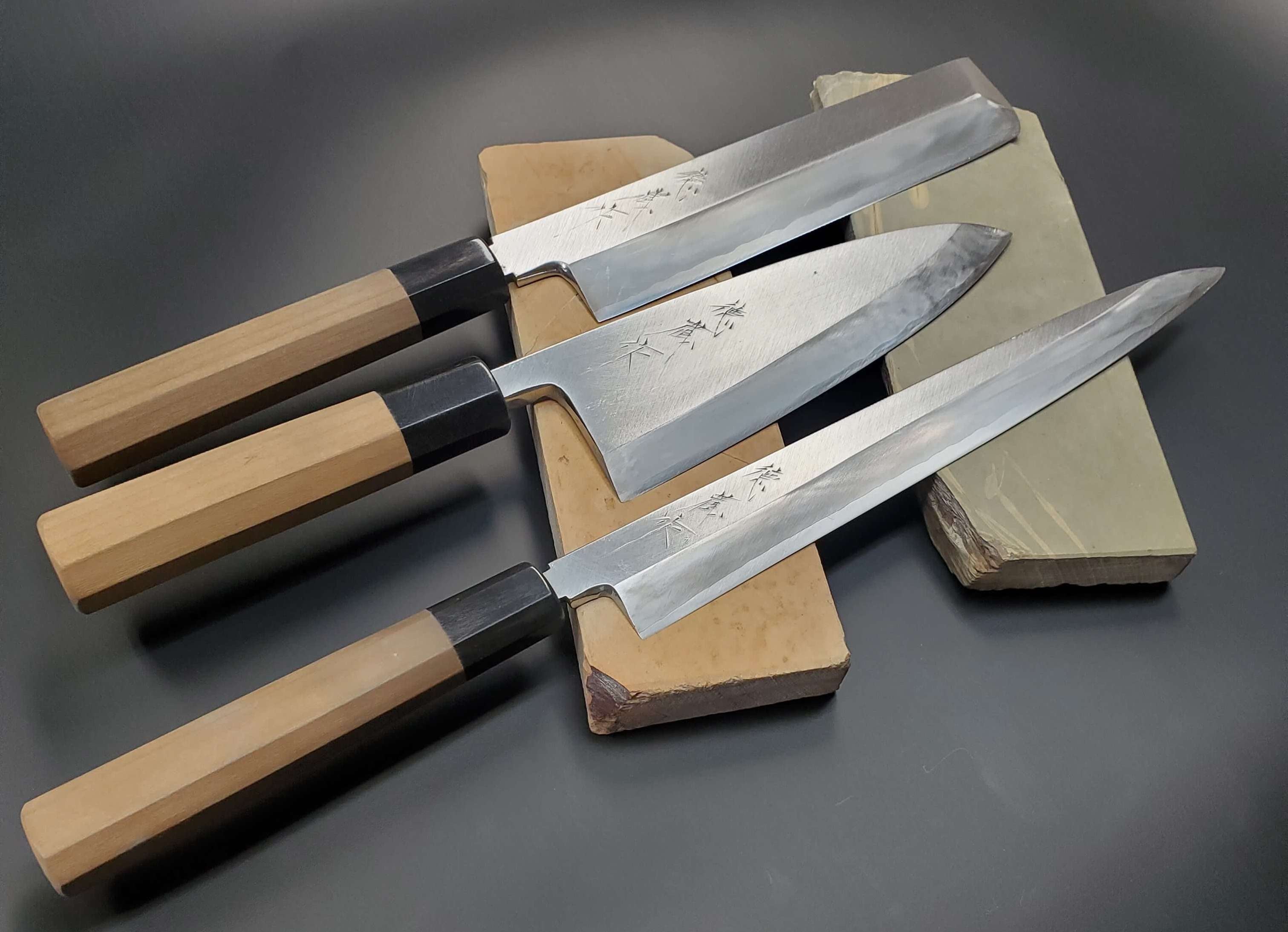
Pick based on skill, budget, and how sharp you need the knife to be. Consider safety, time, and the steel type.
Factors to weigh:
- Skill and patience: Whetstones need practice. Pull-throughs and electric units need less skill.
- Knife steel: Hard steels often need diamond abrasives. Softer steels polish well on water stones.
- Desired finish: A razor finish usually requires fine stones and stropping.
- Budget and space: Stones and a strop are low cost and compact. Electric sharpeners cost more.
People Also Ask
How often should I hone versus sharpen?
Hone daily or before each use to realign the edge. Sharpen when honing no longer restores cutting performance, usually every few months.
What angle should I sharpen at for kitchen knives?
Most western kitchen knives use 20 degrees per side. Japanese knives often use 15 degrees per side or less. Match the angle to the knife’s design.
Can I use a sharpening machine on expensive knives?
You can, but use care. Machines can remove metal quickly; choose a machine with adjustable angles and use light passes.

Personal experience, common mistakes, and lessons
I started sharpening with an electric grinder and ruined one fine blade. That taught me to learn hand methods first. Below are lessons from years of practice.
Common mistakes:
- Using too steep an angle and losing slicing ability.
- Overusing coarse grits and removing unnecessary metal.
- Skipping stropping and leaving a burr.
- Pressing too hard and creating heat or uneven bevels.
Practical tips:
- Practice on inexpensive blades.
- Progress grits logically: coarse to fine.
- Keep stones flat and clean them regularly.
- Use a marker on the bevel to check evenness.
These knife sharpening methods work best when you pay attention and take time. Sharpness lasts longer when you combine regular honing with correct sharpening.
Frequently Asked Questions of knife sharpening methods
What is the safest sharpening method for beginners?
A guided electric sharpener or a quality pull-through sharpener is safest for beginners. They set an angle and limit user error.
Can I sharpen serrated knives?
You can, but serrated knives need a narrow tapered rod or specialist tool. Sharpen each serration individually and avoid reshaping the serrations.
Will sharpening ruin knife temper or metal?
Proper sharpening does not ruin temper. Excessive aggressive grinding or heat from power tools can affect temper, so use light pressure and cooling.
How long does a sharpened edge last?
Edge life varies by steel, use, and maintenance. With proper honing and normal use, many kitchen knives stay sharp for weeks to months.
Is stropping necessary after sharpening?
Stropping refines the edge and removes the final burr. It is not required but improves cutting performance and edge feel.
Conclusion
Knife sharpening methods give you control over how a blade performs. Learn one reliable method well, and use a second for touch-ups. Start with a whetstone or a guided system, hone often, and strop for a fine finish. With practice you will save money, reduce waste, and enjoy safer, cleaner cuts. Try a short sharpening session this week and note the difference; leave a comment about what method you chose or subscribe to learn more sharpening tips.
Maliha Khatun has spent 5 years hands-on testing Japanese knives for everyday home cooks. She has evaluated over 60 blades across nakiri, santoku, gyuto, and petty categories — scoring each on edge retention, steel quality, handle comfort, and value for money. She writes to help home cooks buy the right knife without the guesswork.
Expertise:Japanese Knives • Vegetable Knives • Product Reviews • Kitchen Efficiency • Knife Care
Leave a Reply