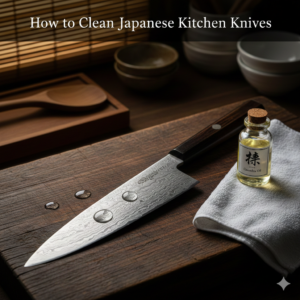
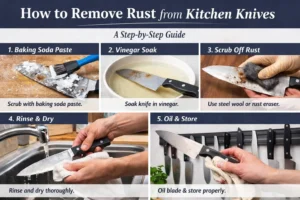
Good edge results from a proper angle, stones, and steady sharpening technique.
I have sharpened hundreds of kitchen, hunting, and pocket blades over the last decade. This guide explains knife sharpening techniques clearly and in depth. You will learn the tools, step-by-step methods, angles, common mistakes, and care routines that produce a sharp, safe edge. Read on to master practical knife sharpening techniques that work for home cooks and pros alike.

Why sharp knives matter
A sharp knife cuts with control. It makes food prep faster and safer. Dull blades slip and cause more accidents. Good knife sharpening techniques improve edge life and reduce stress on the blade. A sharp edge also gives cleaner cuts that preserve texture and flavor in food.

Essential tools for knife sharpening
Use the right tools before you start. Each tool fits certain knife sharpening techniques and skills.
- Whetstones
- Coarse, medium, and fine grits help shape and refine edges.
- Honing rods
- Ceramic or steel rods realign an edge between sharpenings.
- Pull-through sharpeners
- Easy and fast. Good for beginners, but can remove more metal.
- Electric sharpeners
- Fast and consistent. Best for certain knives; use with care.
- Strops and polishing compounds
- Remove burrs and polish the final edge for razor-like sharpness.
- Angle guides and clamps
- Help keep a steady angle for consistent results.
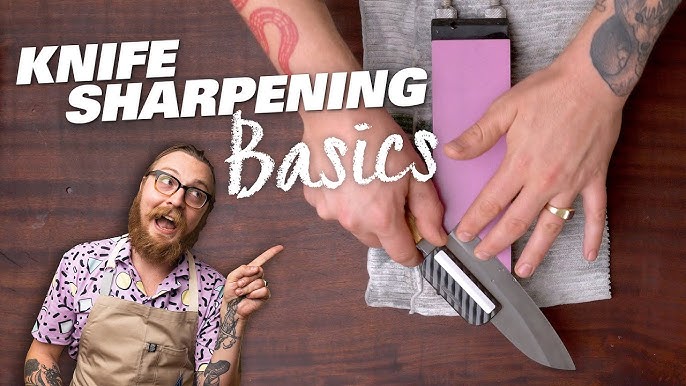
Core knife sharpening techniques
Below are the core knife sharpening techniques you will use most often. Each technique serves a purpose. Learn when to use each one.
Whetstone sharpening (stone sharpening)
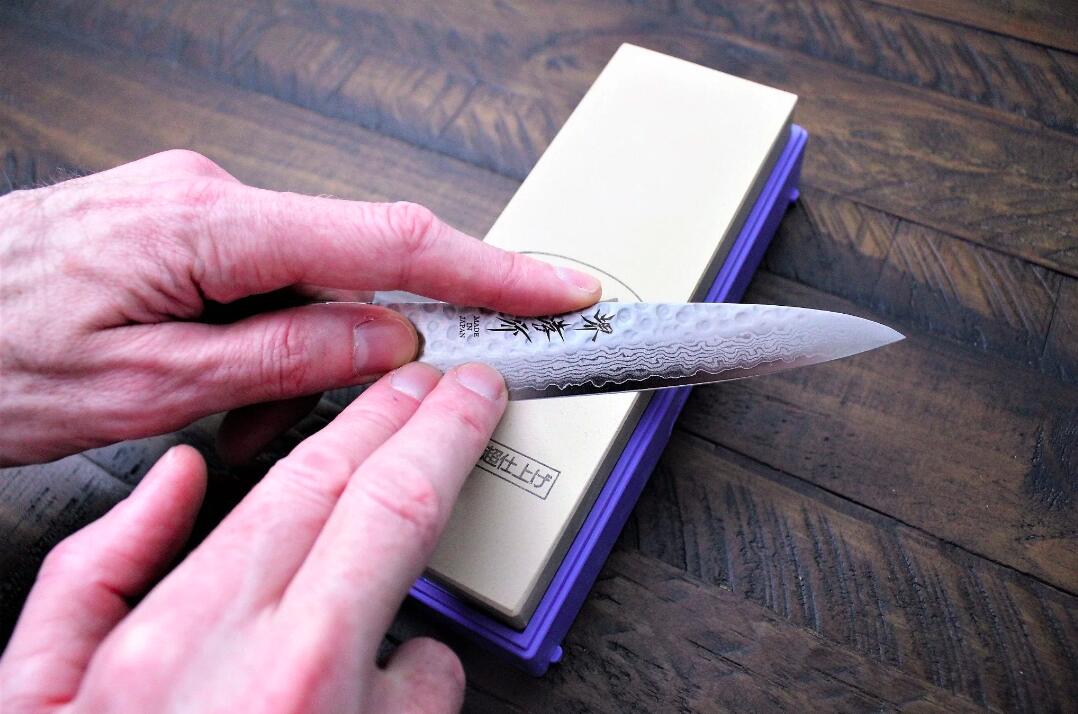
Whetstones give the best control and results for most blades. Start with a coarse grit to fix chips. Move to finer grits to refine the edge. Keep a consistent angle and use water or oil as the stone requires. Check for a burr to know when one side is ready.
Honing (using rods)
Honing does not remove much metal. It realigns the edge after normal use. Use a ceramic or steel rod. Keep the angle and make smooth, alternating strokes. Hone often to delay full sharpening.
Stropping
Stropping polishes and removes tiny burrs. Use leather with a polishing compound. Light, long strokes away from the edge finish the job. Stropping after stones can give a razor-like feel.
Guided systems and jigs
Guided systems hold the angle for you. They are ideal for beginners and for reproducing angles. They can be slower but reduce human error. Use good stones or abrasive plates with the system.
Electric and pull-through sharpeners
These are fast and easy. They grind the bevel using preset angles. Use them sparingly. They work well for very dull blades but remove more metal than stones or stropping.

Step-by-step: sharpening with a whetstone
Whetone sharpening is a core knife sharpening technique. The steps below give a repeatable process.
- Soak or prep the stone as needed.
- Set the knife at the chosen angle (commonly 15–20 degrees).
- Push the blade across the stone as if slicing a thin layer off the stone.
- Maintain the same angle on each stroke.
- Repeat on the other side until a burr forms along the edge.
- Move to finer grits and repeat until the burr is gone.
- Strop to polish and remove the final burr.
Keep strokes smooth and controlled. Count strokes or use a timer for consistency. A burr signals you progressed; remove it before finishing.
:max_bytes(150000):strip_icc()/__opt__aboutcom__coeus__resources__content_migration__serious_eats__seriouseats.com__2010__04__20200220-knife-sharpening-whetstone-vicky-wasik-5c825782502c4a429c08d0039d1df051.jpg "Knife Sharpening Techniques: Master Edge Methods 5")
Choosing angle and bevels
Angle affects sharpness and durability. Lower angles cut cleaner but are more fragile. Higher angles last longer but are less keen.
- 10–15 degrees per side
- Very sharp. Good for delicate kitchen knives.
- 15–20 degrees per side
- Balanced. Common for chef knives and pocket knives.
- 20–25+ degrees per side
- Durable. Good for heavy use, outdoor knives, and cleavers.
Match the angle to the knife’s purpose. Measure or use a guide if you struggle to hold a steady angle. Consistency beats perfection every time.

Common mistakes and how to avoid them
Learning from mistakes speeds progress. Here are frequent errors and fixes.
- Inconsistent angle
- Use an angle guide or practice with a slower rhythm.
- Skipping grits
- Progress through grits to avoid wasting time and metal.
- Overuse of pull-throughs or electric devices
- Reserve them for very dull blades or emergency use.
- Rushing strokes
- Slow, even pressure yields better edges.
- Not checking for a burr
- The burr confirms one side has been sharpened enough.
Fix these and your knife sharpening techniques will improve fast.
Maintenance and care after sharpening
After sharpening, care keeps that edge longer.
- Clean the blade and dry it well.
- Lightly oil carbon steel to prevent rust.
- Store knives properly in a block, magnetic strip, or sheath.
- Hone frequently to postpone major sharpening.
- Strop every few uses for a polished edge.
Regular little steps save you time and metal in the long run.

Safety tips for sharpening
Safety is essential when practicing knife sharpening techniques.
- Secure the stone or device on a flat surface.
- Point the edge away from your body.
- Use a towel or non-slip mat to stop sliding.
- Keep fingers clear of the edge path.
- Work slowly and stop if you feel unsafe.
These habits reduce accidents and help you focus on technique.

Personal experience and practical tips
I have sharpened kitchen knives, pocket knives, and hunting blades for over 10 years. Early on, I kept changing angles and wasted steel. I learned to pick one angle for each knife and stick to it. Small, frequent hones kept knives usable and reduced the need for coarse work. My best tip: practice with an old knife and a cheap stone before working on a favorite blade. That approach saved me from many mistakes.
How to choose a method based on knife type
Different knives need different knife sharpening techniques. Match the tool to the task.
- Thin chef knives
- Whetstones and stropping for fine edges.
- Outdoor and survival knives
- Coarser grits and higher angles for durability.
- Serrated knives
- Use tapered ceramic rods or professional service.
- Pocket knives
- Small stones, guided systems, or electric sharpeners for fast fixes.
Choose a method that fits the knife’s steel and use.
Indicators you need to sharpen now
Watch for signs that call for sharpening.
- Food tears instead of clean cuts.
- Increased force is needed to slice.
- The edge looks nicked or rolled.
- Light reflects off the edge, showing blunt spots.
Address these early. Regular attention keeps blades reliable.
Frequently Asked Questions of knife sharpening techniques
How often should I sharpen my kitchen knives?
Sharpening frequency depends on use. For regular home cooking, hone weekly and sharpen on stone every 6–12 months. Professional cooks may sharpen more often.
Can I sharpen serrated knives at home?
Yes, but use a tapered rod or a specialty tool. Work each serration gently and avoid removing too much metal.
What's the difference between honing and sharpening?
Honing realigns the edge and removes tiny bends. Sharpening removes metal to form a new edge. Both steps keep knives functional.
Are electric sharpeners bad for high-end knives?
Electric sharpeners can be rough on some steels. Use them sparingly and follow the knife maker’s guidance for high-end blades.
How do I remove a burr safely?
Light strokes on a finer stone or a strop will remove the burr. Finish with a few gentle passes and check with your thumb or paper.
Conclusion
Sharpening is a simple skill that makes a big difference. Mastering knife sharpening techniques saves time and keeps you safer in the kitchen and the field. Start with basic tools, practice the right angle, and learn to feel a burr. Take small steps each week: hone, strop, and sharpen when needed. Try the techniques here on a practice blade, and then move to your favorite knives. Share your results, ask questions, or subscribe for more hands-on sharpening tips.

Maliha Akter is a kitchen knife reviewer and food preparation specialist with over 6 years of experience testing Japanese kitchen knives and everyday cooking tools. She focuses on performance, safety, durability, and real-world usability to help home cooks choose the right knives for efficient and enjoyable cooking.
Expertise:Japanese Knives • Vegetable Knives • Product Reviews • Kitchen Efficiency • Knife Care