Knife care keeps blades sharp, safe, and long-lasting with simple, consistent habits.
I have worked with knives for years as a cook and a hobbyist sharpener. This guide on knife care draws on hands-on experience and proven best practices. Read on to learn clear, actionable steps to clean, sharpen, store, and protect your knives so they perform better and last longer.
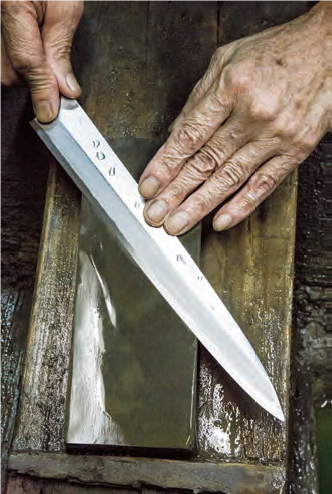
Why proper knife care matters
Good knife care improves safety and performance. A sharp blade cuts with less force. That lowers slips and injuries. Proper care also protects value and saves money over time.
Knife care matters for three main reasons:
- Safety. Sharp, well-maintained knives reduce accidents.
- Performance. Edge retention keeps cuts clean and predictable.
- Longevity. Proper cleaning, sharpening, and storage extend blade life.
Following basic knife care habits turns a set of tools into reliable partners in the kitchen or workshop. Treat knives like precision tools, not disposable items.
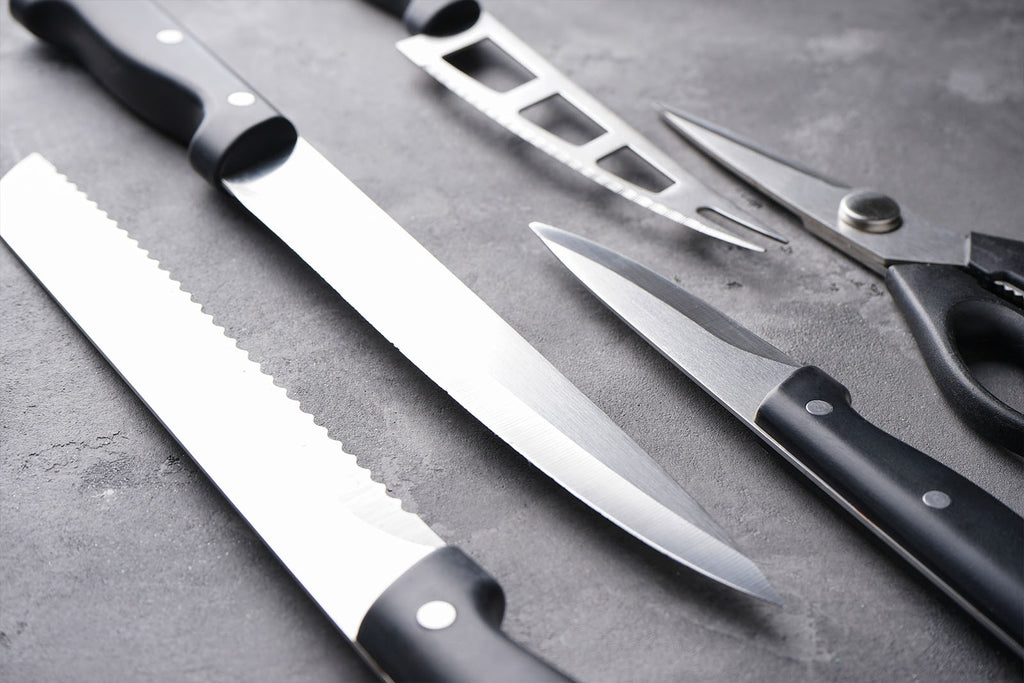
Essential tools for knife care
Having the right tools makes knife care simple and effective. Invest in quality items and store them where you will use them.
Key knife care tools:
- Whetstone or water stone for controlled sharpening.
- Honing rod (steel or ceramic) for regular edge maintenance.
- Soft cloths and microfiber towels for drying and polishing.
- Cutting boards made of wood or plastic to protect edges.
- Blade oil or mineral oil for carbon steel and rust prevention.
- Edge guards or blade covers for safe storage and transport.
- Kitchen gloves or cut-resistant gloves for safe handling when honing.
A basic kit covers cleaning, honing, and sharpening. Keep tools clean and dry to avoid cross-contamination.

Daily knife care routine
A short daily routine keeps edges healthy and reduces the need for heavy sharpening. Spend two to five minutes after each use.
Daily knife care steps:
- Clean the blade with warm water and mild soap right after use.
- Rinse and dry thoroughly with a soft cloth; never air-dry a carbon blade.
- Hone the blade lightly along its length to realign the edge if it feels dull.
- Use a proper cutting board; avoid glass, stone, or metal surfaces.
- Store the knife safely in a block, on a magnetic strip, or in a sheath.
These small steps make knife care sustainable. They prevent stains, rust, and premature edge wear.

Sharpening versus honing: when and how
Honing and sharpening serve different roles in knife care. Know when to do each.
Difference explained:
- Honing realigns the blade edge without removing much metal. Do it often.
- Sharpening removes metal to form a new bevel. Do it when the edge is noticeably dull.
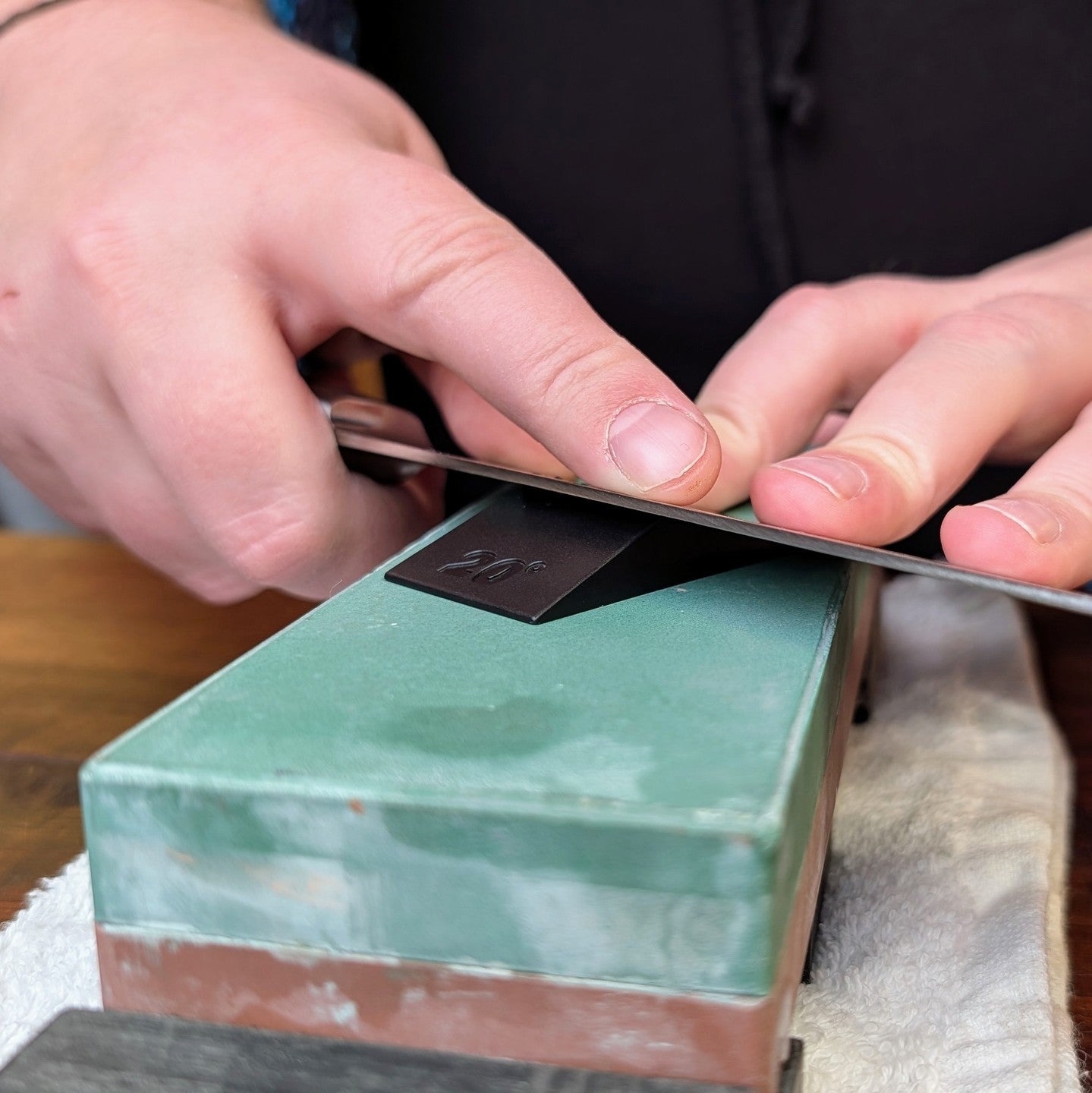
How to sharpen with a whetstone:
- Soak the stone if required, or wet a water stone per instructions.
- Set the angle between 15 and 20 degrees for most kitchen knives.
- Stroke the blade across the stone from heel to tip with steady pressure.
- Repeat evenly on both sides until you feel a burr, then polish the edge on a finer grit.
- Rinse and dry the blade, then hone lightly to remove any micro-burrs.
Quick PAA-style questions:
What is the best angle for kitchen knives?
Most kitchen knives sharpen well at 15–20 degrees per side depending on design and use.
How often should I sharpen my knives?
Sharpen when honing no longer restores the edge; many home cooks sharpen every 3–12 months depending on use.

Cleaning and rust prevention
Cleaning is central to knife care. The right cleaning routine prevents stains and corrosion.
Cleaning best practices:
- Hand wash knives with mild soap and warm water; avoid dishwashers.
- Rinse and dry the blade immediately and completely.
- For carbon steel, apply a thin coat of mineral oil after drying to prevent rust.
- Remove light rust with a paste of baking soda and water or fine steel wool, then oil the blade.
- Avoid leaving acidic foods on the blade for long; acids can pit the metal.
Simple habits prevent most rust. If you store knives in humid areas, check them regularly and oil carbon steel more often.
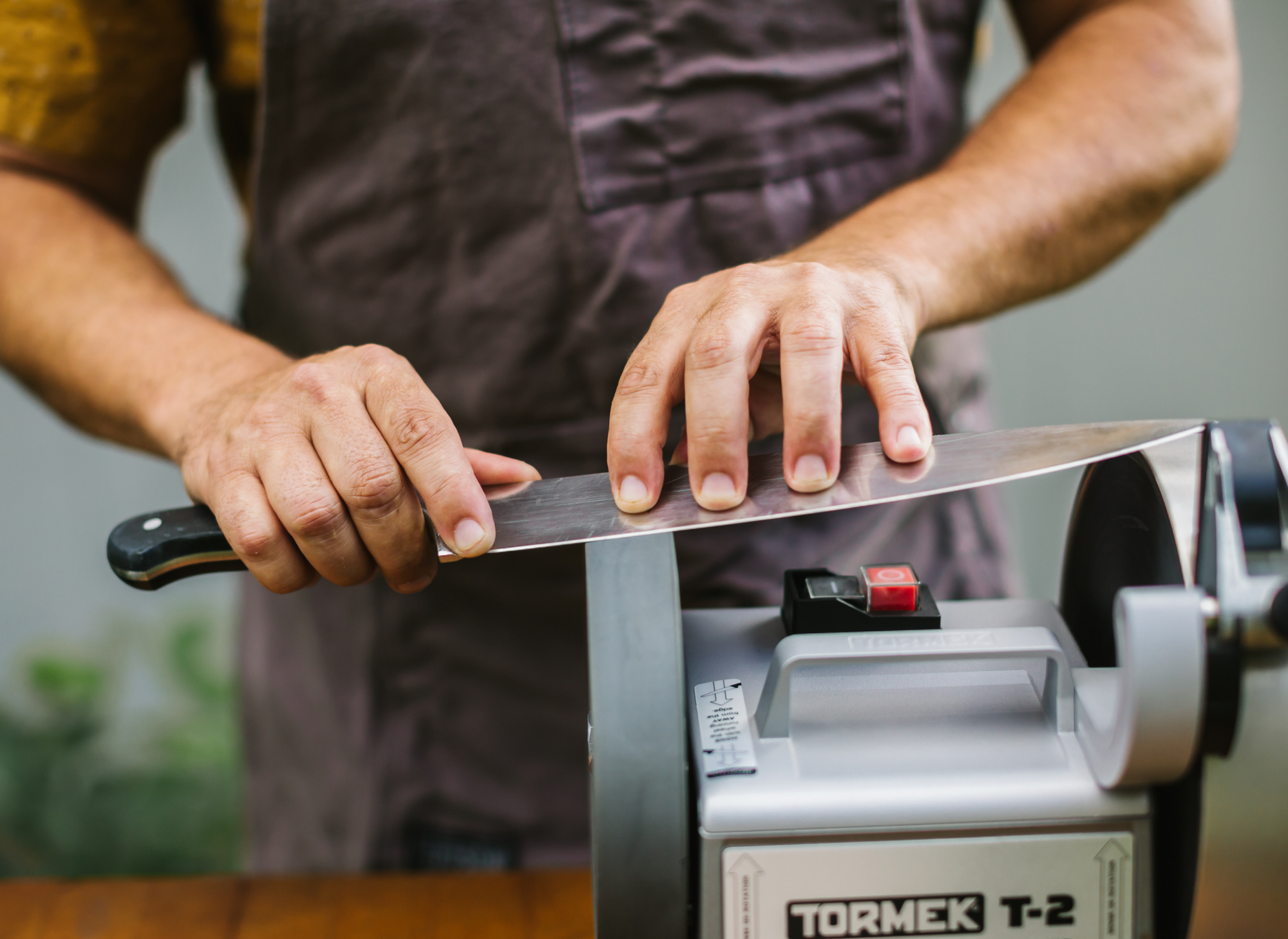
Safe storage and transport
Proper storage protects both the blade and people. Store knives where they won’t knock into other tools.
Safe storage options:
- Magnetic strips keep knives accessible and prevent edge contact.
- Knife blocks hold blades upright and cushion edges.
- In-drawer organizers or felt-lined trays prevent blade contact.
- Blade guards and sheaths are essential for transport and travel.
- Use knife rolls for chefs who carry knives to work.
Always point sharp edges away from hands when removing or returning a knife. Store knives out of reach of children.
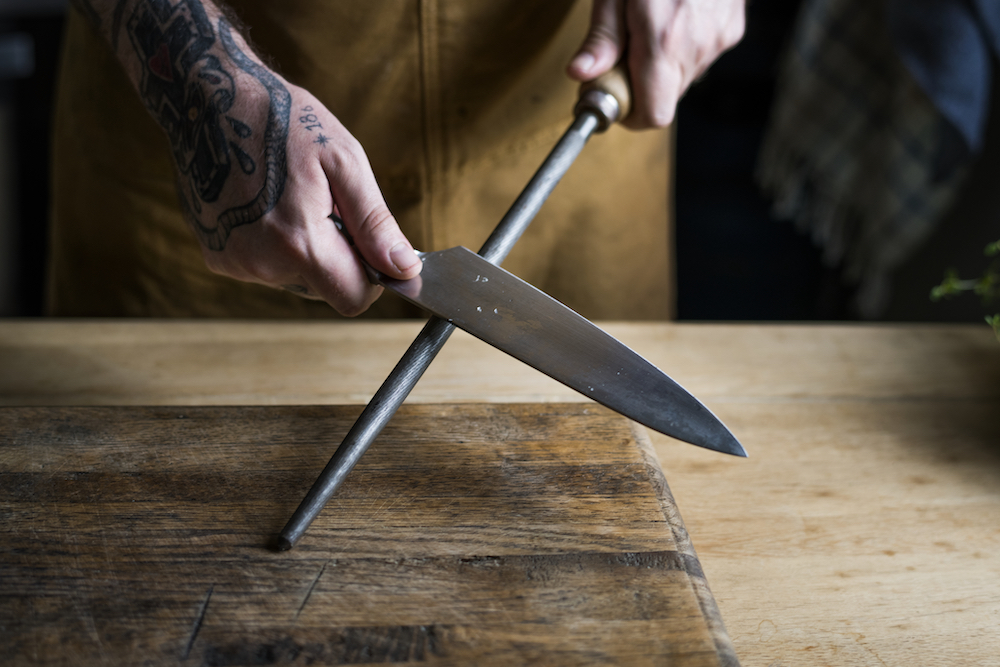
Care by blade material
Different blade metals need distinct knife care routines. Know your material and tailor care accordingly.
Stainless steel
- Resists rust but can still corrode if neglected.
- Clean and dry after use, and hone regularly to keep the edge.
Carbon steel
- Prone to rust and patina. Wipe dry and oil often.
- Patina can protect the metal but keep an eye on corrosion.
Ceramic
- Keeps a very sharp edge and resists rust.
- Fragile—avoid dropping, prying, or sharpening at home unless you have proper tools.
High-end alloys and powdered steels
- Often offer better edge retention but may need professional sharpening.
- Follow manufacturer guidance for angle and method.
Match your knife care routine to the blade type to avoid damage and maintain edge health.

Common mistakes and how to avoid them
Avoiding a few common errors saves time and preserves edges. Learn from mistakes I’ve made.
Frequent mistakes:
- Using the dishwasher. Heat and detergent damage handles and blades.
- Cutting on hard surfaces like stone or glass. These dull blades quickly.
- Using knives as pry bars or screwdrivers. That chips and bends edges.
- Skipping regular honing. Small misalignments become big problems.
- Over-sharpening freehand without a guide. You can ruin the bevel.
How to avoid them:
- Use dedicated tools for non-cutting tasks.
- Choose the right surface and clean knives promptly.
- Set a simple maintenance schedule and stick to it.
Maintenance schedule and checklist
A small schedule keeps knife care manageable. Here is a simple plan to follow.
Weekly
- Hand wash and dry after each use.
- Lightly hone before or after use if the blade feels off.
Monthly
- Check for rust, chips, and handle wear.
- Oil carbon steel blades and wooden handles as needed.
Every 3–12 months
- Sharpen on a whetstone or send to a pro based on use frequency.
- Replace worn edge guards or handle components.
Yearly
- Inspect full set for alignment and balance.
- Professional sharpening and handle maintenance if needed.
Use this checklist to keep knife care consistent. It reduces emergency repairs and improves safety.
Personal experience and lessons learned
I once ruined a good chef’s knife by running it through a dishwasher. The handle swelled and the edge pitted. I learned to hand wash and dry every blade.
Another time I over-sharpened my first expensive knife at the wrong angle. It lost its balance and became less useful. Now I use guides or a stone I trust. I also learned that honing before each use keeps knives usable for months.
These lessons taught me that knife care is routine. Small habits cut down on big problems. Treat knives with respect and they will serve you well.
Frequently Asked Questions of knife care
How often should I hone my knives?
Hone knives every few uses or daily if you cook a lot. Regular honing keeps the edge aligned and reduces the need for sharpening.
Can I use a dishwasher for knives?
Avoid dishwashers. High heat, detergent, and dishwasher movement damage blades and handles quickly.
How do I remove rust from a knife?
Use a baking soda paste or fine steel wool for light rust. Rinse, dry, and apply mineral oil to protect the metal afterward.
What is the best surface for cutting?
Use wood or plastic cutting boards. They are kind to edges and easy to sanitize.
When should I send a knife to a pro?
Send knives to a professional when you face deep chips, significant bevel damage, or when you prefer a precise factory-style edge. Professionals have tools and skills for complex repairs.
Conclusion
Good knife care is simple, practical, and rewarding. Clean, hone, sharpen, and store knives properly to improve safety and performance. Small daily steps prevent big repairs and keep blades ready for work.
Start today by choosing one habit like immediate drying or daily honing. Practice it for a month and you will notice the difference. Share your favorite knife care tip below, subscribe for more hands-on guides, or try a sharpening session this weekend.

Maliha Khatun has spent 5 years hands-on testing Japanese knives for everyday home cooks. She has evaluated over 60 blades across nakiri, santoku, gyuto, and petty categories — scoring each on edge retention, steel quality, handle comfort, and value for money. She writes to help home cooks buy the right knife without the guesswork.
Expertise:Japanese Knives • Vegetable Knives • Product Reviews • Kitchen Efficiency • Knife Care
Leave a Reply