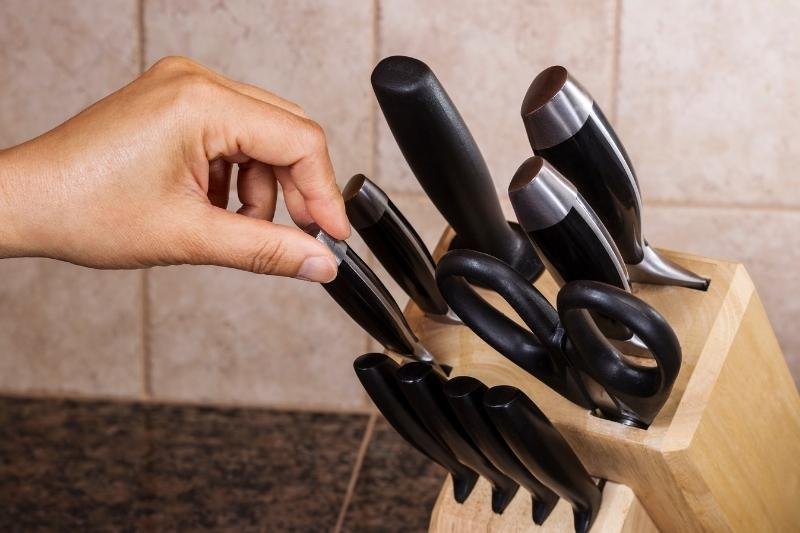
Good knife care and maintenance keeps blades sharp, safe, and rust-free for years.
I have spent over a decade working with knives in kitchens and workshops, and I know what works and what wastes time. This guide on knife care and maintenance explains cleaning, sharpening, storage, rust prevention, and repair in plain language. You will get clear steps, product suggestions, and real-world tips so you can protect your blades, save money, and cut with confidence.
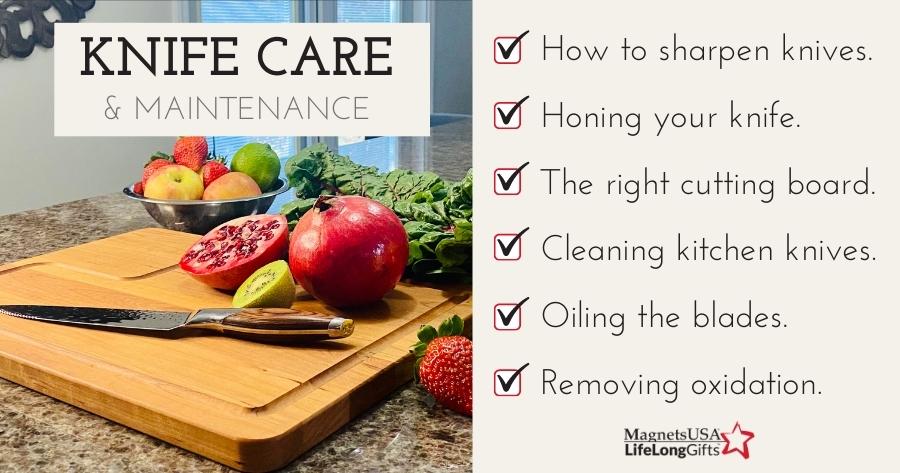
Why knife care and maintenance matters
Poor knife care shortens blade life and increases risk. A dull or rusty knife cuts poorly and is more dangerous than a sharp one. Regular knife care and maintenance keeps edges true, prevents corrosion, and preserves handle integrity.
Benefits of consistent care:
- Keeps cuts clean and safe.
- Extends blade life and performance.
- Saves money by avoiding early replacement.
- Preserves resale value and aesthetics.
Consequences of neglect:
- Rust and pitting that weaken steel.
- Chips, rolled edges, and broken tips.
- Handle swelling, cracking, or loosening.
- Higher risk of accidents from slips on dull blades.

Basic cleaning and drying routines
Clean after use. Rinse warm water and mild soap remove food and acids that harm steel. Use a soft sponge and avoid abrasive pads on finished blades.
Steps for daily cleaning:
- Rinse immediately after use to avoid stains.
- Wash with warm water and mild dish soap.
- Dry thoroughly with a soft towel right away.
- Never leave knives to soak in the sink.
Avoid the dishwasher. The high heat, harsh detergents, and movement can dull edges and damage handles. Hand washing improves both safety and longevity.
Handle care tips:
- Wipe wooden handles dry and oil them occasionally with food-safe mineral oil.
- For synthetic or metal handles, clean the same way as the blade and dry completely.
Sharpening, honing, and edge maintenance
Honing realigns an edge. Sharpening removes metal to create a new edge. Both are part of knife care and maintenance.
Honing:
- Use a honing rod regularly—before or after each use for home cooks.
- Match the rod type to your blade (ceramic or steel).
- Keep a consistent angle and use light strokes.
Sharpening:
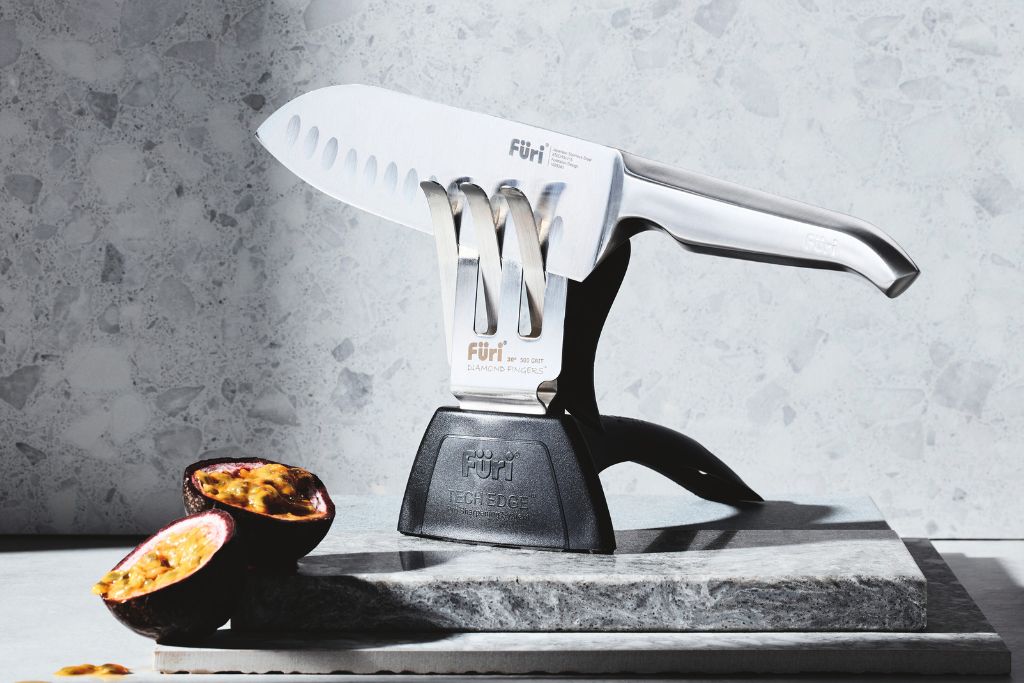
- Use a whetstone, guided system, or quality sharpeners.
- Start with coarse grit for damaged edges, then move to medium and fine.
- Maintain the correct angle (commonly 15–20 degrees per side for kitchen knives).
- Finish with light strokes and clean the blade.
Stropping:
- Stropping on leather polishes and refines a blade.
- It removes microscopic burrs for a razor finish.
Practical workflow:
- Inspect the edge.
- Hone for minor misalignment.
- Sharpen on stone if the blade resists cutting.
- Strop for a polished edge.

Rust prevention and dealing with corrosion
Rust is a surface reaction that can be stopped and often reversed. Knife care and maintenance includes prevention and careful remediation.
Prevention tips:
- Dry knives thoroughly after washing.
- Store in low-humidity areas or use silica packets in storage.
- Apply a thin coat of food-safe oil on high-carbon blades after drying.
- Avoid cutting acidic foods for long periods on carbon steel without cleaning.
Removing light rust:
- Rub with a paste of baking soda and water using a soft cloth.
- Use very fine steel wool or a brass brush for stubborn spots, working gently.
- Rinse and dry, then oil the blade.
For heavy corrosion, consult a professional if pitting is deep. Repairs may be limited and could change blade geometry.

Proper storage and transport
Correct storage is part of routine knife care and maintenance. Good storage protects the edge and prevents accidents.
Safe storage options:
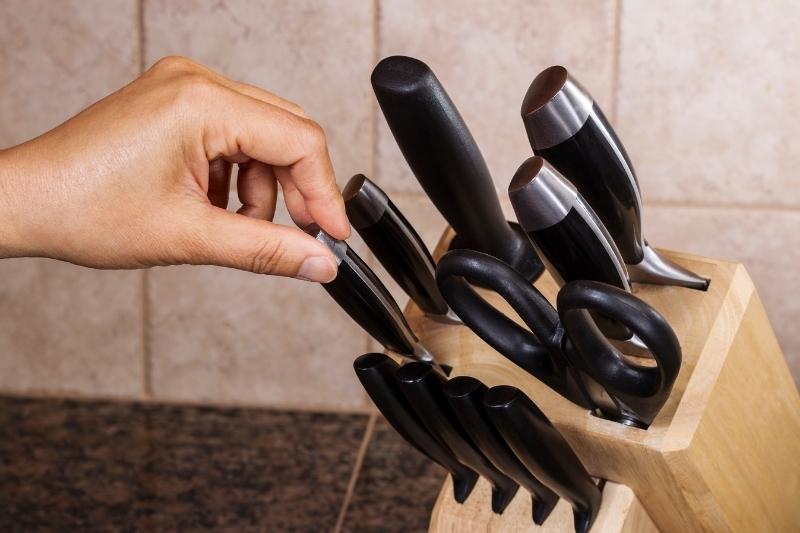
- Knife block for immediate access and edge protection.
- Magnetic strip mounted correctly to avoid dropping or edge damage.
- In-drawer rails or trays that hold blades securely.
- Individual sheaths or blade guards for transport or drawer storage.
Transport guidelines:
- Use a roll, sheath, or hard case when carrying knives.
- Keep blades covered and secured to prevent movement.
- Separate blades from other metal tools to avoid nicks.
Avoid loose drawers or piles. Blades touch and chip each other quickly.
Care by blade material and handle types
Different materials need different care in your knife care and maintenance plan.
Stainless steel:
- Resists rust but can still stain.
- Wash and dry promptly; occasional polishing keeps shine.
High-carbon steel:
- Sharper and easier to sharpen but needs oiling to prevent rust.
- Avoid long contact with acidic foods without cleaning.
Powdered and premium steels:
- Hold an edge longer but may be harder to sharpen.
- Use finer stones and be patient when restoring an edge.
Ceramic blades:
- Very hard and stay sharp long.
- Do not use on bones or frozen foods; prone to chipping.
- Sharpening usually requires a diamond sharpener or professional service.
Handle specifics:
- Wooden handles thrive with occasional oil and dry conditions.
- Micarta, G10, and stabilized wood are low maintenance.
- Metal handles require drying and occasional polishing to prevent corrosion.
Maintenance schedule and checklist
Create a routine to keep knife care and maintenance simple. Follow this schedule for consistent results.
Daily:
- Wash and dry after use.
- Hone lightly if used often.
Weekly:
- Inspect handles and rivets.
- Strop or use fine honing if needed.
Monthly:
- Sharpen as required by use.
- Oil high-carbon blades and wooden handles.
Annually:
- Full inspection and professional sharpening if edge is severely worn.
- Replace loose or damaged handles and sheaths.
Keep a small kit:
- Whetstones or guided sharpener.
- Honing rod and strop.
- Soft cloths and food-safe oil.
- Protective sheaths.
Common mistakes and troubleshooting
Avoid habits that undo your knife care and maintenance work.
Frequent mistakes:
- Using a knife on bones, frozen food, or glass.
- Stacking knives loosely in a drawer.
- Letting acidic residue sit on carbon steel.
- Relying on the dishwasher for cleaning.
Troubleshooting tips:
- Rolled edge: Use a honing rod or strop to realign small rolls.
- Chips: For minor chips, sharpen past the chip; for large chips, seek professional reprofiling.
- Wobbly handle: Tighten rivets or pins, or have the handle replaced by a professional.
PAA-style questions:
How often should I sharpen my kitchen knife?
Sharpen when the knife no longer slices cleanly, roughly every few months for home use. Frequency depends on steel type, cutting surface, and use intensity.
Can I use sandpaper to sharpen a knife?
You can in a pinch using fine grit and care, but sandpaper is not ideal for consistent angles or long-term knife care and maintenance.
Tools and products I recommend (from experience)
From years using and testing tools, I prefer simple, reliable items. These have helped me maintain edges and avoid damage.
Recommended essentials:
- A medium/fine whetstone for control and versatility.
- A ceramic honing rod for quick alignment.
- Leather strop loaded with polishing compound for a mirror edge.
- Food-safe mineral oil for high-carbon blades and wood handles.
- Blade guards and a magnetic strip for safe storage.
Personal notes:
- I learned to avoid cheap electric sharpeners. They remove too much metal and ruin angles.
- A 1,000/6,000 grit stone handled most of my kitchen knives for years.
- When traveling, a padded case and static blade guard prevented nicks and stress.
Frequently Asked Questions of knife care and maintenance
How do I sharpen a knife at home safely?
Use a whetstone or guided sharpener and keep a steady angle. Move slowly, count strokes, and finish with a strop for safety and a fine edge.
Is honing the same as sharpening?
No. Honing realigns the edge without removing much metal. Sharpening removes metal to restore a new edge.
Can I use my dishwasher for knives?
No. The dishwasher can dull edges and damage handles. Hand wash and dry knives to preserve them.
How do I remove rust from a knife blade?
Make a paste of baking soda and water and rub gently, or use very fine steel wool with oil. Rinse, dry, and oil the blade afterward.
How often should I oil my knives?
Oil high-carbon blades after cleaning or any time they may sit unused in humid conditions. Oil wooden handles once every few months.
Conclusion
Consistent knife care and maintenance keeps blades sharp, safe, and long-lasting. Follow simple daily cleaning, regular honing, periodic sharpening, and proper storage to protect both steel and handles. Start a small routine today: wash, dry, hone, and store correctly. Your knives will reward you with better performance and fewer replacements.
Try one change this week—like always drying knives immediately—and see how it improves blade life. If you found this useful, subscribe for more practical care tips or leave a comment with your knife questions.

Maliha Khatun has spent 5 years hands-on testing Japanese knives for everyday home cooks. She has evaluated over 60 blades across nakiri, santoku, gyuto, and petty categories — scoring each on edge retention, steel quality, handle comfort, and value for money. She writes to help home cooks buy the right knife without the guesswork.
Expertise:Japanese Knives • Vegetable Knives • Product Reviews • Kitchen Efficiency • Knife Care
Leave a Reply