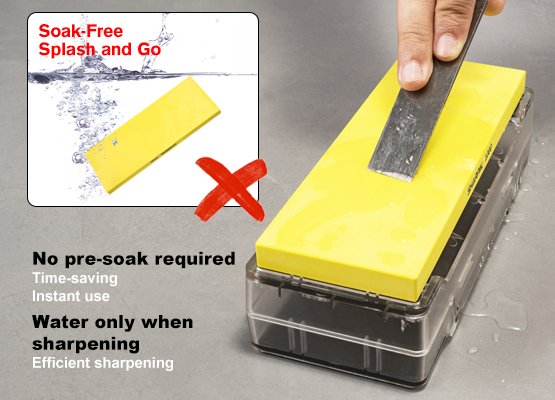
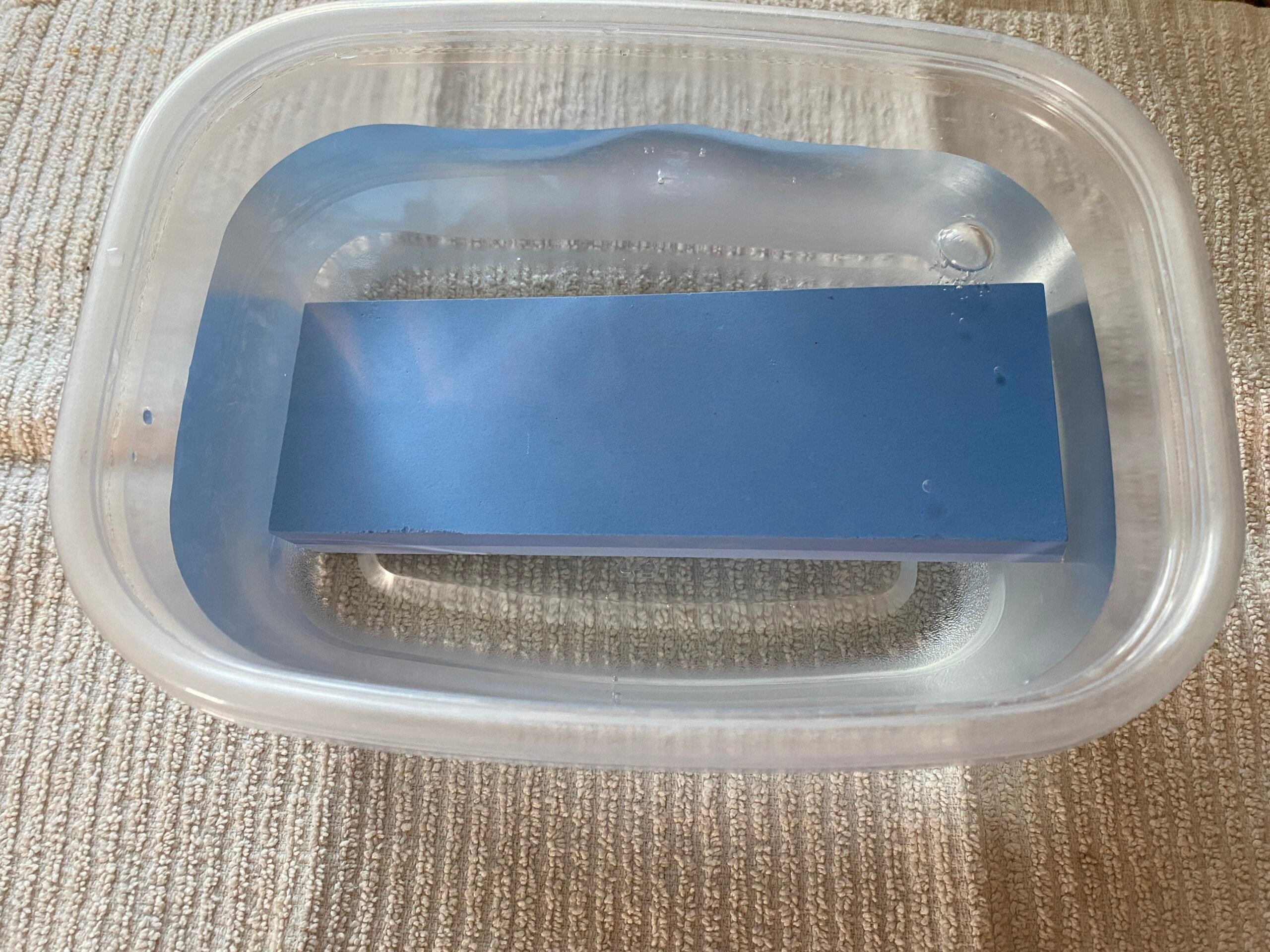
Soak a whetstone by fully submerging it in clean water until bubbles stop rising—usually 5–15 minutes.
I have sharpened knives and tools for over a decade and taught many people how to soak a whetstone properly. This guide explains why soaking matters, which stones need soaking, exact step-by-step timing, common mistakes, and real-world tips from my bench. Read on to master how to soak a whetstone and get faster, safer, and more consistent sharpening results.
:max_bytes(150000):strip_icc()/__opt__aboutcom__coeus__resources__content_migration__serious_eats__seriouseats.com__images__20100423-sharpening20-2002-33e38a77decc49cd93c7b9e1c32a73fc.jpg "How To Soak A Whetstone: Quick Guide For Sharp Blades 2")
Why soak a whetstone?
Soaking primes the stone to cut well. Water fills the pores. This makes a steady slurry and stops the stone from grabbing the blade too hard.
Soaked stones give a consistent cutting surface. You get a smoother edge and less chatter. That lowers the risk of chipping or uneven bevels.
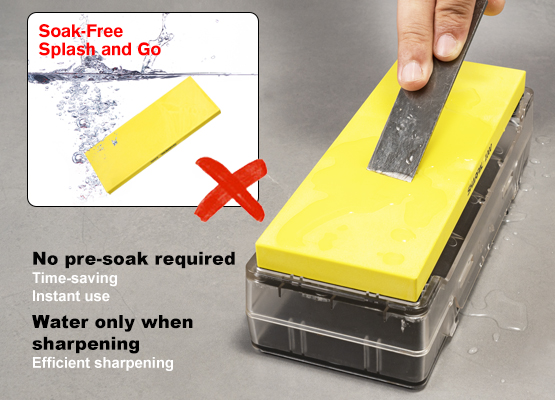
Not all stones need long soaks. Some only need a quick splash. Learning how to soak a whetstone helps you choose the right method for each stone type.
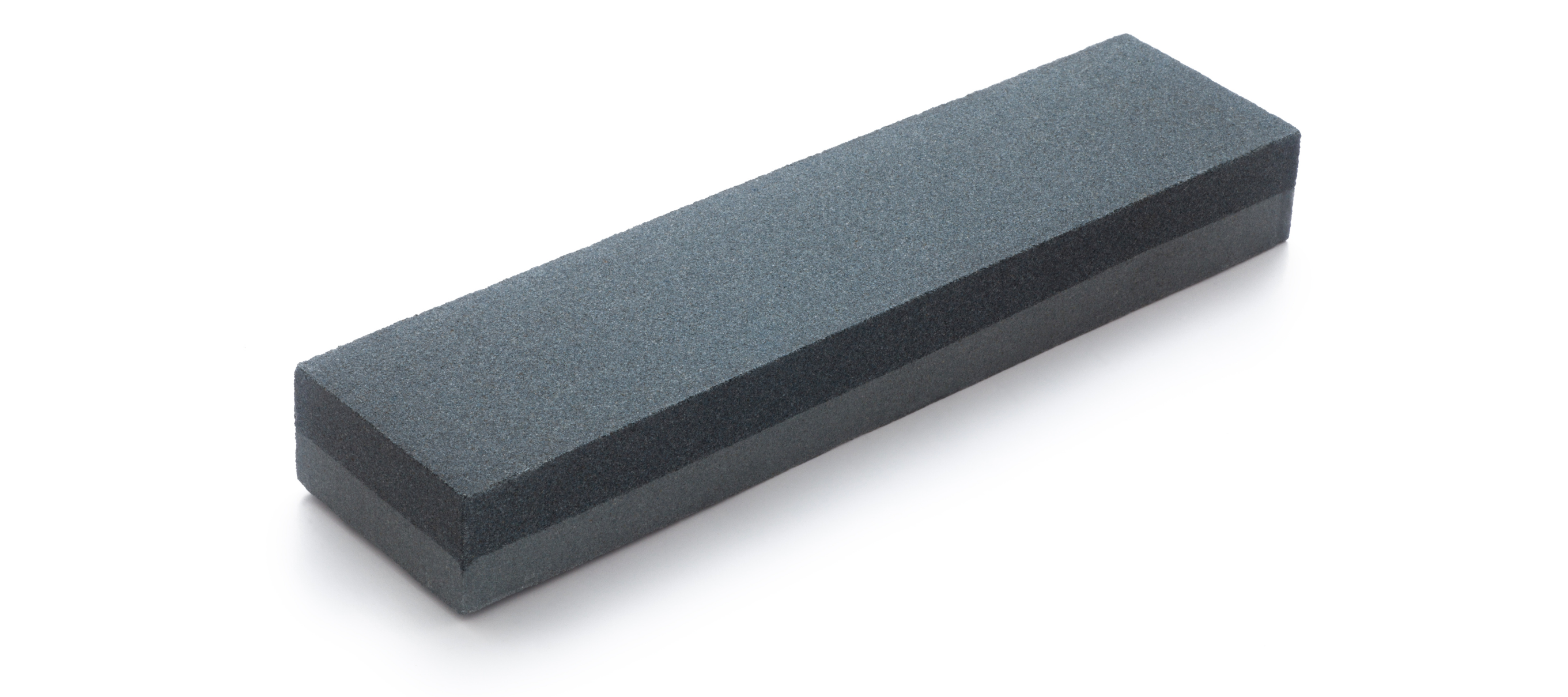
Types of whetstones and their water needs
Water stones
- Require soaking or at least a wet surface before use.
- Many synthetic water stones must sit in water until bubbles stop. That indicates full saturation.
Sponge-style stones
- These have a core that stores water.
- Pressing the surface wet is often enough.
Combination stones
- May have a softer side and a harder side.
- Soak the softer side longer if the manufacturer suggests it.
Oil stones
- Do not soak in water. Use oil instead.
- Using water on oil stones can damage them.
Natural stones
- Vary widely in porosity.
- Test by dropping a little water on the surface. If it absorbs, soak briefly.
Understanding the stone type helps you decide how to soak a whetstone and how long to leave it in water.
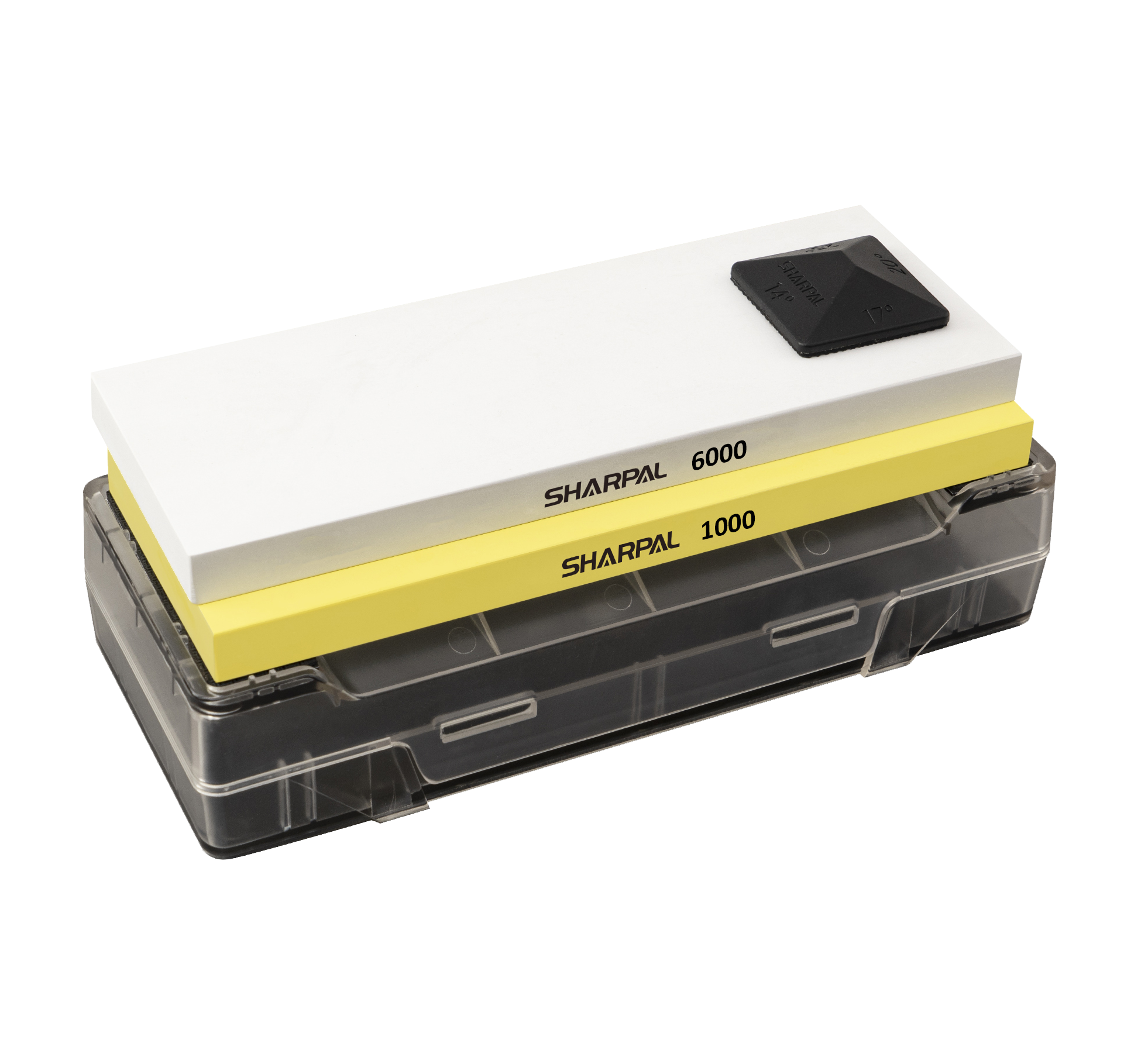
Step-by-step: how to soak a whetstone
Prepare a clean container
- Use a container large enough to fully submerge the stone.
- Tap water is fine. Avoid strong detergents.
Place the stone in the container
- Lay it flat to avoid air pockets.
- If the stone floats, press it down gently.
Watch for bubbles
- Tiny air bubbles will rise from the stone.
- Wait until bubble flow slows or stops.
Timing guidelines
- Soft 200–1000 grit stones: 10–15 minutes.
- Medium 1000–3000 grit stones: 5–10 minutes.
- Hard 4000+ grit stones: 1–5 minutes or just a splash.
- Combination or sponge stones: follow maker instructions; often 5 minutes.
Remove and drain
- Lift the stone and let excess water drip off for 10–30 seconds.
- Place the stone on a rubber base or towel before sharpening.
Keep the surface wet while sharpening
- Sprinkle water as needed to maintain a thin slurry.
- Do not flood the stone; a thin layer is enough.
These steps show the practical way to soak a whetstone and prepare it for consistent sharpening.
Tips, common mistakes, and maintenance
Tips to get it right
- Use room-temperature water. Very hot or cold water can stress some stones.
- Change the soaking water if it gets cloudy.
- Flatten stones regularly to keep the surface true.
Common mistakes
- Over-soaking oil stones or stones meant to be used dry.
- Sharpening on a dry stone that was never soaked; this can glaze the surface.
- Letting a stone dry too fast in direct sunlight. That can cause warping or cracks.
Maintenance after soaking
- Rinse slurry off with clean water.
- Let the stone air dry fully on a rack before storage.
- Store stones flat and away from direct heat.
Following these tips reduces errors and lengthens stone life while teaching you when and how to soak a whetstone.

Personal experience: lessons from the bench
I learned early that timing matters. I once left a soft 600 grit stone soaking for just 30 seconds. The stone skimmed water but stayed too dry. The blade caught and left deep scratches.
After that, I started timing soaks and watching bubbles. For years I sharpened cookware and chisels. When I soaked a stone correctly, edges formed faster and needed fewer passes.
A mistake to avoid is forcing a floating stone under water. Press gently. For large stones, weigh them down with a flat object. I keep a small ceramic tile for this. It works well and is safe.
These tips come from testing many stones and knives. They help you understand how to soak a whetstone and avoid common pitfalls.
Troubleshooting common soaking problems
Stone still floats
- Use a flat weight to hold the stone down. A ceramic tile or clean flat rock works well.
No bubbles after submersion
- The stone may already be saturated. Remove and dry slightly before use. If the stone is old, check for clogged pores; a light scrub can help.
Stone smells or has residue
- Rinse, scrub lightly with a nylon brush, and soak in clean water. If the smell persists, the stone may need deep cleaning.
Stone cracks or flakes
- Rapid temperature changes can cause damage. Soak at room temperature and avoid direct heat while drying.
Slurry not forming
- Add a bit more water and use moderate pressure while sharpening. If the surface is glazed, flatten the stone with a lapping plate.
Use these fixes when learning how to soak a whetstone so you can keep sharpening with confidence.
:max_bytes(150000):strip_icc()/Simply-Recipes-Whetstone-LEAD-2-V-05609399d60f403b8f7a5a3ab8c080b8.jpg "How To Soak A Whetstone: Quick Guide For Sharp Blades 8")
Frequently Asked Questions of how to soak a whetstone
How long should I soak a whetstone before sharpening?
Most soft water stones need 10–15 minutes; medium stones need 5–10 minutes; hard stones often need only a quick soak or splash. Always follow the stone maker’s guidance when available.
Can I over-soak a whetstone?
Too much soaking rarely harms synthetic water stones, but it can damage some natural or bonded stones and all oil stones. Let stones air dry fully before long-term storage.
Do all whetstones need soaking?
No. Oil stones and some hard natural stones do not need long soaks. Many modern water stones benefit from full submersion. Check your stone type first.
What water should I use to soak a whetstone?
Use clean tap or filtered water at room temperature. Avoid soaps, solvents, or very hot water that can damage the stone.
How do I know when a whetstone is ready?
Bubbling will slow or stop when the stone is saturated. The surface should look wet and form a light slurry while you sharpen.
Can I use oil instead of water?
Only use oil on stones made for oil. Using oil on water stones will ruin their cutting action. Use water stones with water for the best results.
Conclusion
Soaking a whetstone is simple but important. Proper soaking ensures better cutting, fewer mistakes, and longer stone life. Follow the steps above, watch for bubbles, and match soak time to stone type to sharpen faster and safer.
Try this on your next sharpening session. Time your soak, keep notes on results, and adjust by grit and stone type. Leave a comment with your experience, subscribe for more sharpening tips, or share a photo of your setup to get feedback.

Maliha Khatun has spent 5 years hands-on testing Japanese knives for everyday home cooks. She has evaluated over 60 blades across nakiri, santoku, gyuto, and petty categories — scoring each on edge retention, steel quality, handle comfort, and value for money. She writes to help home cooks buy the right knife without the guesswork.
Expertise:Japanese Knives • Vegetable Knives • Product Reviews • Kitchen Efficiency • Knife Care
Leave a Reply