1000 grit is best for most kitchen knives; 3000 6000 grit refines and polishes finer edges.
As a knife user and sharpening enthusiast with years of hands on experience in pro kitchens and at-home workshops, I know the difference the right grit makes. This guide dives deep into the best grit for kitchen knife care. You will learn which grits suit repair, daily maintenance, and high polish finishing. I’ll share clear steps, real tests I’ve run on chef’s knives and santokus, and practical tips to get a sharp, long-lasting edge every time. Read on to choose the right grit and sharpen like a pro.

Why grit matters for kitchen knives
Grit controls how much metal you remove. Coarse grit removes lots of metal fast. Fine grit smooths and polishes the edge. The grind you start with shapes the final sharpness and edge life.
A too-coarse grit can leave a rough edge that dulls fast. A too-fine grit alone can take too long to fix chips or heavy wear. Matching the grit to the job and the steel is the core skill of sharpening. That’s why knowing the best grit for kitchen knife use saves time and gives better results.

Source: sharpedgeshop.com
Grit ranges and recommended uses
Understanding common grit ranges helps you pick the right stone or system. Below are practical ranges and when to use them.
- 220–400 grit
- Best for: Repairing chips, re-profiling a blunt edge, heavy material removal.
- Use when the edge has visible damage or is very dull.
- 600–1000 grit
- Best for: Setting a new edge and everyday sharpening for many steels.
- 1000 grit is the sweet spot for most Western kitchen knives.
- 2000–4000 grit
- Best for: Smoothing and refining the edge after initial sharpening.
- Good for frequent maintenance and a cleaner cut.
- 5000–8000 grit
- Best for: Polishing, shaving-level finishes, and very fine Japanese steels.
- Use for pushing an edge to maximum finesse.
- Strops and compounds
- Best for: Removing the burr and micro-polishing the very tip of the edge.
- Helps with final bite and long-term edge feel.
If you want the single best grit for kitchen knife upkeep, 1000 grit is the most practical starting point. For a refined finish, follow with 3000–6000 depending on steel and feel.

Source: amazon.com
How to choose the best grit for your kitchen knife
Pick a grit by answering a few simple questions. This checklist will guide you.
- What is the steel type and hardness?
- Harder steels benefit from higher polish grits. Softer steels need more care after coarse grits.
- What is the current condition of the edge?
- Chips and nicks need coarse work. A slightly dull edge needs medium grit.
- What cutting feel do you want?
- A toothy edge for tomatoes and bread needs coarser finishing than a razor-smooth edge for sushi.
- How often will you sharpen?
- Frequent light maintenance uses finer grits. Infrequent heavy repairs need coarse stones.
- What tools do you have?
- Whetstones give the best control. Diamond stones cut fast but can overwork some steels.
Personal note: I used to only use 1000 grit stones for all repairs. That worked for heavy-duty chef’s knives but left thin Japanese blades feeling rough. Now I pair 1000 with a 3000 or 6000 follow-up for a smoother, longer-lasting edge.
Sharpening process and grit progression
A clear process saves time and gives repeatable results. Below are standard progressions for common scenarios.
Restoring a chipped or blunt edge
- Start at 220–400 grit to reshape and remove chips.
- Move to 600–1000 grit to refine the profile.
- Finish at 3000–6000 if you want a polished, long-lasting edge.
- Strop to remove the burr and improve bite.
Routine sharpening (dull but not damaged)
- Start at 1000 grit to re-establish the edge.
- Move to 3000 or 4000 for refinement.
- Strop or use a light 6000 grit pass for polish.
Polishing and final finishing
- Use 3000–8000 depending on desired sheen.
- Use a leather strop with compound for the last step.
What grit should I start with for a dull kitchen knife?
Start at 1000 grit for most dull kitchen knives. It removes enough metal to restore the edge without being overly aggressive.
Do I always need to use the finest grit?
No. Use fine grits to polish after you have fixed the edge with coarser stones. Finer grits alone won’t fix chips.
How many passes per side should I do?
Start with 5–10 even strokes per side for medium grits. For coarse work, increase passes until the burr forms, then move to finer stones.
Source: amazon.com
Tools, stones, and maintenance
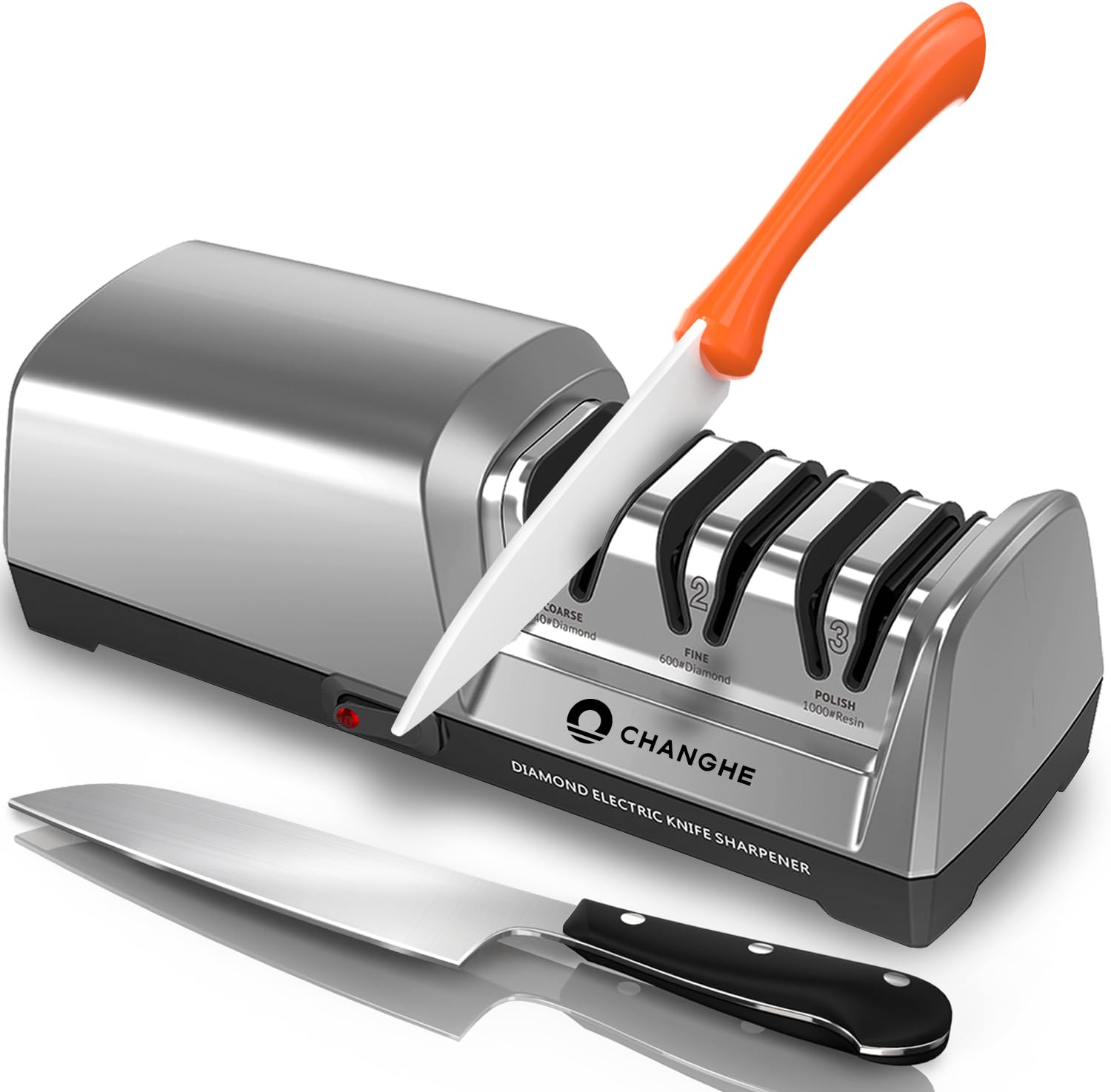
Choose the right tools for the best grit for kitchen knife results. Here’s how different stones compare.
- Water stones
- Fast cutting and common for 1000–6000 grits. Require flattening often.
- Oil stones
- Durable and steady-cutting. Often slower but stable for mid grits.
- Diamond stones
- Extremely fast and stay flat. Great for coarse work and hard steels.
- Ceramic stones
- Fine finishes with long life; often used for 3000–8000 work.
- Leather strops
- Final polishing and burr removal. Use after high grits.
Keep stones flat by lapping with a flattening plate. Clean stones after use. Use light pressure while sharpening. Store stones dry to prevent damage.
Personal tip: I keep a 1000 diamond plate for quick reprofiling, a 3000 water stone for refinement, and a leather strop for finish. It saves time and covers most kitchen tasks.

Source: federknives.com
Common mistakes and how to avoid them
Avoid these frequent errors to get the best grit for kitchen knife sharpening.
- Skipping coarse grit for damaged edges
- Trying to fix a chip with only fine stones wastes time and can overheat the edge.
- Using too high a grit first
- Fine stones remove little metal and won’t re-profile an edge.
- Wrong angle or uneven pressure
- This makes an uneven edge. Keep consistent angle and light pressure.
- Not flattening stones
- Worn stones produce poor contact and inconsistent edges.
- Over-polishing the wrong steels
- Some steels lose cutting grip when overly polished. Match finish to use.
I once ruined an edge by rushing straight to 8000 grit. The blade looked great but slid through vegetables less well. Matching finish to use is key.

Source: amazon.com
Cost, time, and expectations
Budget and time affect your grit choices. Here is a simple guide.
- Cost
- A basic kit with 1000 and 3000 stones plus a strop is affordable and effective.
- High-end multi-stone sets can be costly but save time and add grits.
- Time per sharpening
- Routine touch-ups: 10–20 minutes.
- Full reprofile and polish: 30–90 minutes depending on damage.
- Expected lifespan
- A properly sharpened edge lasts longer when you use the right grit sequence and strop regularly.
Realistic expectation: using the best grit for kitchen knife care means investing a little time up front. The payoff is cleaner cuts, safer prep, and less frequent full re-sharpening.

Source: biliknife.com
Frequently Asked Questions of best grit for kitchen knife
What is the single best grit for kitchen knives?
1000 grit is the most practical single grit for everyday kitchen knives. It restores the edge and is a good base before finer polishing.
Can I use only a fine grit to sharpen a dull blade?
No. Fine grit alone removes little metal and won’t fix major dullness or chips. Start with medium grit, then finish with fine grits.
How often should I sharpen with 1000 grit?
For home cooks, every 2–3 months of regular use is common. For heavy use, check the edge monthly and touch up as needed.
Is higher grit always better for sharpness?
Higher grit produces a smoother, often sharper edge but is not always better for all tasks. Coarser finishes can cut certain foods better.
Do all knives benefit from 6000–8000 grit polishing?
No. Very hard Japanese blades often benefit from high grits. Softer Western steels may not need extreme polishing and can lose bite.
How do I know when to strop?
Strop after your final stone when you feel a burr or the edge looks polished. Stropping removes the burr and improves bite in one to two minutes.
Conclusion
Choose grits based on the blade, damage, and desired feel. 1000 grit is the most useful starting point for the best grit for kitchen knife care, with 3000–6000 to refine and polish. Use coarse stones for repair, medium stones for upkeep, and fine stones to finish. Keep stones flat, use consistent angles, and finish with a strop for the best long-term results. Try a simple set and practice on an inexpensive blade to build confidence. Share your sharpening wins and questions below, subscribe for more guides, or test these grit sequences on your next kitchen cut.
Maliha Khatun has spent 5 years hands-on testing Japanese knives for everyday home cooks. She has evaluated over 60 blades across nakiri, santoku, gyuto, and petty categories — scoring each on edge retention, steel quality, handle comfort, and value for money. She writes to help home cooks buy the right knife without the guesswork.
Expertise:Japanese Knives • Vegetable Knives • Product Reviews • Kitchen Efficiency • Knife Care
Leave a Reply