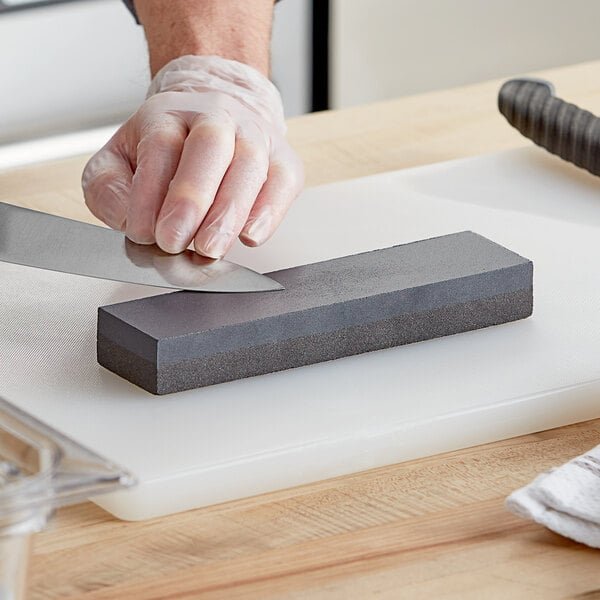
Sharpening knives on a whetstone restores a keen, long lasting edge through simple, controlled strokes.
I have sharpened hundreds of knives with stones over many years. This guide explains knife sharpening with stone from first principles to advanced tips. You will learn which stones to buy, how to set up, the step-by-step technique, common mistakes to avoid, and how to keep both knives and stones in top shape. Read on for a practical, experience-based guide that turns a dull blade into a reliable tool.

Why use a stone to sharpen knives?
A stone gives precise control over angle and abrasion. Knife sharpening with stone produces a thin, consistent edge that outperforms many pull-through or electric systems. Stones work on all steel types and let you fix chips, restore bevels, and polish edges to a razor finish.
Benefits of knife sharpening with stone:
- Precision control. You pick the angle and pressure.
- Versatility. Works on kitchen, pocket, and outdoor knives.
- Cost effective. One good stone lasts years.
- Edge quality. Stones can produce both very sharp and polished edges.
Limitations to know:
- Learning curve. Technique needs practice.
- Time. Proper sharpening takes longer than machines.
- Maintenance. Stones need flattening and cleaning.
:max_bytes(150000):strip_icc()/faw-product-king-whetstone-starter-set-1000-6000-nsimpson-4110-c9eb3efbdbed469693a44e3baedb3d2f.jpeg "Knife Sharpening With Stone: Quick Guide For Razor Edges 3")
Source: foodandwine.com
Types of sharpening stones
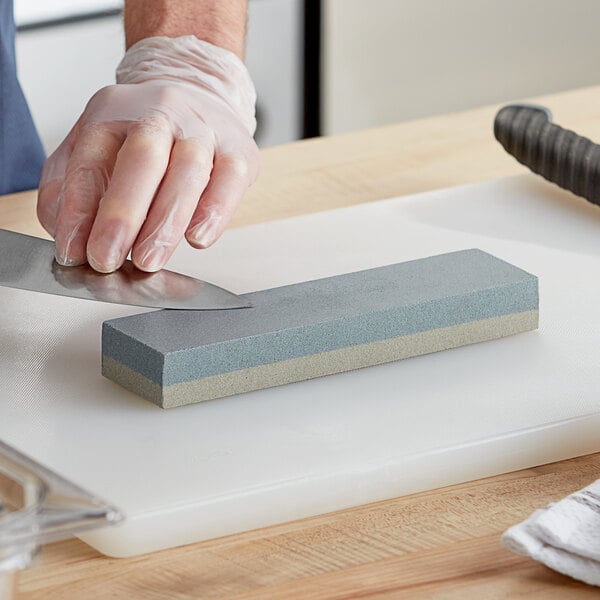
Understanding stones helps you pick the right one for your needs. Knife sharpening with stone depends on grit, material, and whether the stone is lubricated.
Common stone types:
- Water stones. Fast-cutting and popular. Require soaking or wetting.
- Oil stones. Durable and use oil as a lubricant.
- Diamond stones. Very fast, do not wear quickly, and work well for hard steels.
- Natural stones. Rare and prized for polish, but variable.
Grit ranges and uses:
- Coarse (120–400 grit) for chips and reshaping.
- Medium (800–2000 grit) for general sharpening and edge formation.
- Fine (3000–8000 grit) for polishing and razor edges.
Knife sharpening with stone means matching grit to the job. Start coarse if the edge is damaged. Move to medium and then fine for finish.
Source: webstaurantstore.com
How to prepare your stone and knife
Good prep makes sharpening easier and safer.
Steps to prepare:
- Clean the stone. Remove grit from previous sessions.
- Soak or wet water stones as instructed. Diamond and oil stones do not need soaking.
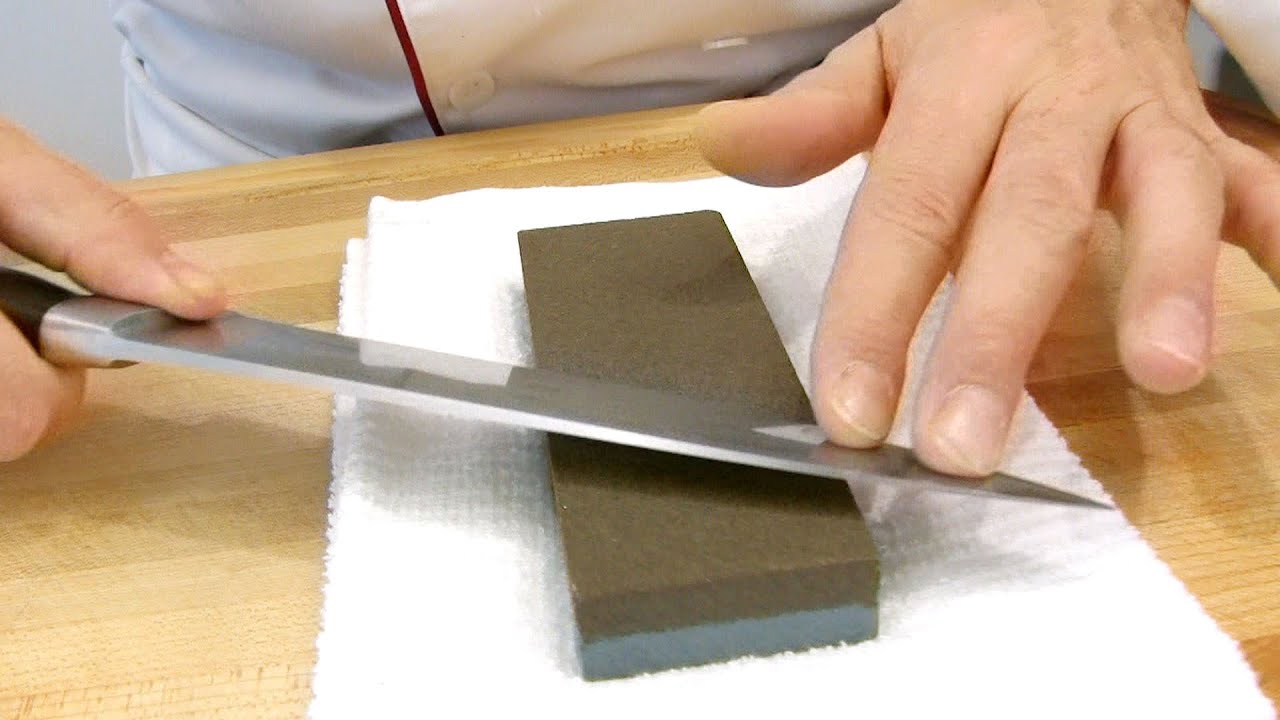
- Secure the stone on a non-slip base or towel.
- Clean the knife. Remove food, grime, and rust.
- Inspect the edge for chips or burrs.
A clear work area and steady lighting help you judge angles. Proper prep speeds up knife sharpening with stone and improves results.
Source: youtube.com
Step-by-step knife sharpening with stone
Follow this step-by-step routine to get consistent results when knife sharpening with stone.
h3 1. Choose your grit progression
Pick a grit sequence that fits the blade condition. For dull knives, use coarse → medium → fine. For maintenance, medium → fine is enough.
h3 2. Set the angle
Most kitchen knives sharpen well at 15–20 degrees per side. Pocket and outdoor knives may need 20–25 degrees. Hold the blade steady and visualize the angle.
h3 3. Create the first bevel
Place the heel of the blade on the stone. Keep the chosen angle. Push the knife forward and slightly across the stone so the entire edge contacts the abrasive. Use moderate pressure and cover the whole edge from heel to tip.
h3 4. Repeat on the other side
Work the same number of strokes on the opposite side. Count strokes or time to keep balance. A burr will form when you have established the bevel.
h3 5. Raise and remove the burr
After building a thin burr along the edge, switch to lighter pressure. Alternate single strokes on each side to remove the burr and align the edge.
h3 6. Polish the edge
Move to a higher grit. Use light pressure and smooth strokes. Finish with very light, alternating strokes to refine the edge.
h3 7. Test the edge
Use safe tests: slice a sheet of paper or shave a few hairs. The knife should cut cleanly without snagging.
Tips for consistent results:
- Keep strokes smooth and steady.
- Use the same number of strokes per side.
- Maintain angle with a simple guide or using steady hand practice.

Source: webstaurantstore.com
Common mistakes and troubleshooting
Even experienced people make errors when knife sharpening with stone. Here are solutions.
Mistake: Wrong angle
- Fix: Use an angle guide or practice with inexpensive knives. Small changes in angle affect edge life.
Mistake: Uneven bevels
- Fix: Count strokes and alternate sides from the start.
Mistake: Not forming a burr
- Fix: Apply slightly more pressure when forming the initial bevel and ensure full edge contact.
Mistake: Overheating the steel
- Fix: Stones do not usually heat steel, but rapid friction can. Use light pressure and slower strokes.
Mistake: Using wrong grit order
- Fix: Never move to finer grit before the coarse edge is properly formed.

Source: amazon.com
Maintaining your edge and stone care
Knife sharpening with stone includes caring for both tools.
- Wipe blade clean and dry.
- Use a honing rod occasionally to realign the edge between sharpening sessions.
- Store knives properly to avoid dings.
Stone care:
- Flatten water stones regularly with a flattening plate or coarse stone.
- Clean oil stones with solvent and surface oil.
- Store stones dry and avoid extreme temperatures.
A well cared-for stone gives consistent results and extends stone life. Replace or resurface stones when they become too hollow or uneven.
Choosing the right stone for your needs
Pick a stone based on budget, skill, and the type of knives you own.
Considerations:
- Use a mid-range water stone for home cooks. It balances speed and polish.
- Choose diamond for hard steels and fast material removal.
- Invest in a coarse and a fine stone to cover repair and finishing tasks.
- Think about a stone holder and flattening tool as part of the kit.
Knife sharpening with stone is a skill; a good starter setup includes one medium stone (1000–3000 grit) and one fine stone (4000–8000 grit).

Source: amazon.com
Personal experience and practical tips
I learned knife sharpening with stone the slow way. I started with cheap stones and ruined edges by pressing too hard. Over time I found a rhythm: slow, even strokes and a light touch on the final polish.
Lessons I learned:
- Practice on inexpensive blades first.
- Mark the edge with a felt tip to see where metal meets stone.
- Count strokes to keep both sides even.
- Use a towel under the stone to stop movement.
A real-world tip: when travelling, pack a small diamond stone. It’s compact, works on many steels, and needs no soak time. My best advice is to be patient. Sharpness improves with steady technique, not force.

Source: seidoknives.com
PAA-style questions
What grit should I use first for a very dull knife?
- Start with a coarse grit (around 220–400) to reprofile the edge, then move to medium and fine grits.
How often should I sharpen my kitchen knives?
- Sharpen deeply when they are dull, usually every few months for normal home use. Use a honing rod weekly to keep the edge aligned.
Can I use any water stone for all knives?
- Most water stones work on many steels, but very hard modern steels may benefit from diamond stones. Match stone choice to blade material.
Is it safe to sharpen serrated knives on a stone?
- Serrated knives require special care and often a tapered diamond rod. Full-stone sharpening can damage serrations unless done with proper tools.
Will sharpening remove a lot of metal?
- Sharpening removes small amounts of metal. Heavy reprofiling or frequent coarse sharpening removes more, so use finer grits for maintenance.
Frequently Asked Questions of knife sharpening with stone
How long does it take to sharpen a knife on a stone?
A basic sharpening session takes 10–30 minutes depending on the blade condition and your skill. Reprofiling a badly damaged edge can take longer.
Do I need oil or water on my stone?
Follow the stone maker’s instructions. Water stones need water, oil stones use oil, and diamond stones often work dry or with water.
Can I sharpen ceramic knives on a stone?
Most stones do not work on ceramic. Ceramic knives usually need diamond abrasives and special techniques.
How do I know I reached the correct angle?
You can use an affordable angle guide or mark the edge with a marker and check contact points during strokes. Consistent contact shows correct angle.
Will sharpening remove the knife’s temper?
Proper sharpening does not change the knife’s temper. Only extreme heat from grinding can alter temper. Hand sharpening on stones is safe for the steel.
Conclusion
Knife sharpening with stone delivers precision, long-lasting edges, and broad versatility when done correctly. Start with the right stones, practice steady technique, and care for both your knives and stones to get the best results. Try a simple grit progression on an inexpensive blade to build confidence, and then apply the same method to your best knives.
Take action: pick a basic stone pair, commit to a practice session, and share your results or questions below to keep improving.
Maliha Khatun has spent 5 years hands-on testing Japanese knives for everyday home cooks. She has evaluated over 60 blades across nakiri, santoku, gyuto, and petty categories — scoring each on edge retention, steel quality, handle comfort, and value for money. She writes to help home cooks buy the right knife without the guesswork.
Expertise:Japanese Knives • Vegetable Knives • Product Reviews • Kitchen Efficiency • Knife Care
Leave a Reply