Most common knife sharpening mistakes dull blades and shorten knife life quickly.
I have sharpened hundreds of knives for home cooks and chefs. I will walk you through the most damaging knife sharpening mistakes, why they happen, and exactly how to avoid them. This guide blends hands-on experience, clear technique, and practical tips so you can stop making avoidable mistakes and keep knives sharper, safer, and longer.

Why avoiding knife sharpening mistakes matters
Knife sharpening mistakes cost time, money, and safety. A bad edge can slip while cutting and cause injury. Poor technique removes too much steel and shortens a blade’s useful life. Knowing common errors helps you preserve edge geometry and keep knives performing well.
Experienced users know small errors add up. One wrong angle or grit jump can ruin a fine edge. This section explains the real impact of knife sharpening mistakes and why consistent technique matters for performance, durability, and safety.
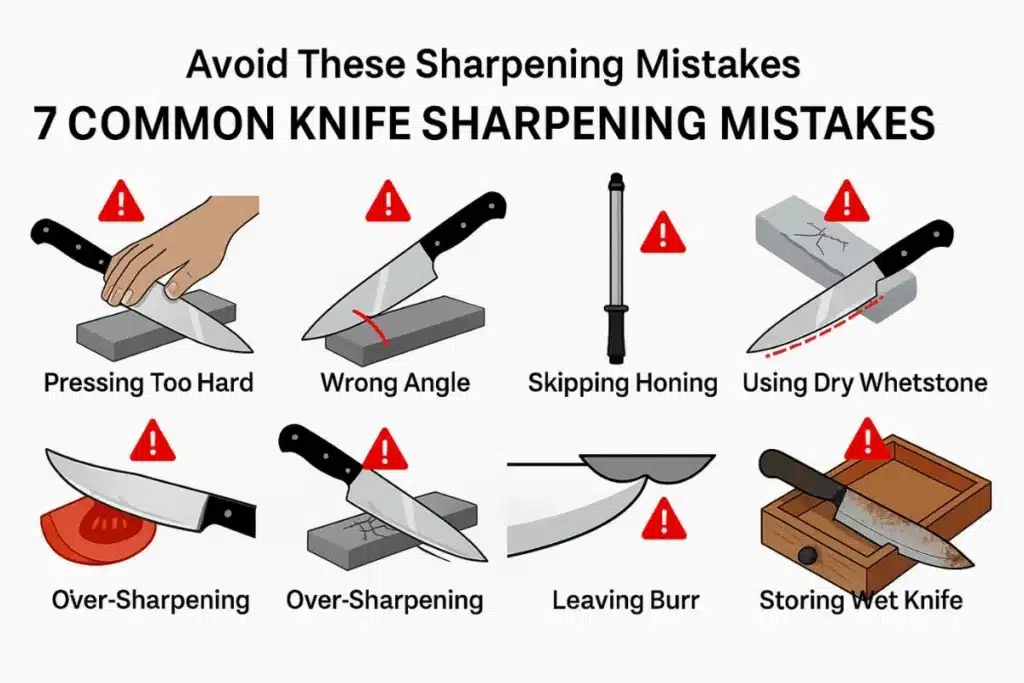
Top 12 common knife sharpening mistakes and how to fix them
Below are the most frequent knife sharpening mistakes I see. For each mistake I explain why it matters and give a practical fix you can apply today.
Rushing the process
- Why it matters: Fast sharpening leads to uneven edges and inconsistent bevels.
- Fix: Spend more time on coarse grit, then refine slowly on finer grits. Count slow strokes.
Using the wrong angle
- Why it matters: Wrong angle gives poor cutting or fragile edges.
- Fix: Learn your knife’s recommended angle (typically 15°–20°). Use an angle guide or practice with a marker to check bevel contact.
Skipping grits or jumping too far
- Why it matters: Skipping grits leaves coarse scratches that prevent a keen edge.
- Fix: Progress gradually through grits (for example 400 → 1000 → 3000 → 8000).
Over-grinding and removing too much metal
- Why it matters: You shorten blade life and change geometry.
- Fix: Remove only what’s needed. Stop when the burr forms, then switch to finer stones.
Failing to form a burr
- Why it matters: No burr means the apex is not aligned and the edge is weak.
- Fix: Use steady pressure on the first pass side until a burr is felt along the edge.
Using a dull or clogged stone
- Why it matters: A glazed stone doesn’t cut and worsens the edge.
- Fix: Clean or flatten stones regularly and soak or wet them as required.
Inconsistent pressure and motion
- Why it matters: Uneven strokes create irregular bevels.
- Fix: Use uniform pressure and consistent stroke length. Practice with slow, repeatable motions.
Not stropping after sharpening
- Why it matters: Leaving micro-burrs reduces cutting performance.
- Fix: Strop leather with light pressure to remove burr and polish the edge.
Sharpening the wrong side repeatedly
- Why it matters: Produces an offset edge and an uneven bevel.
- Fix: Alternate sides with equal strokes. Count passes to maintain balance.
Using the wrong tool for the job
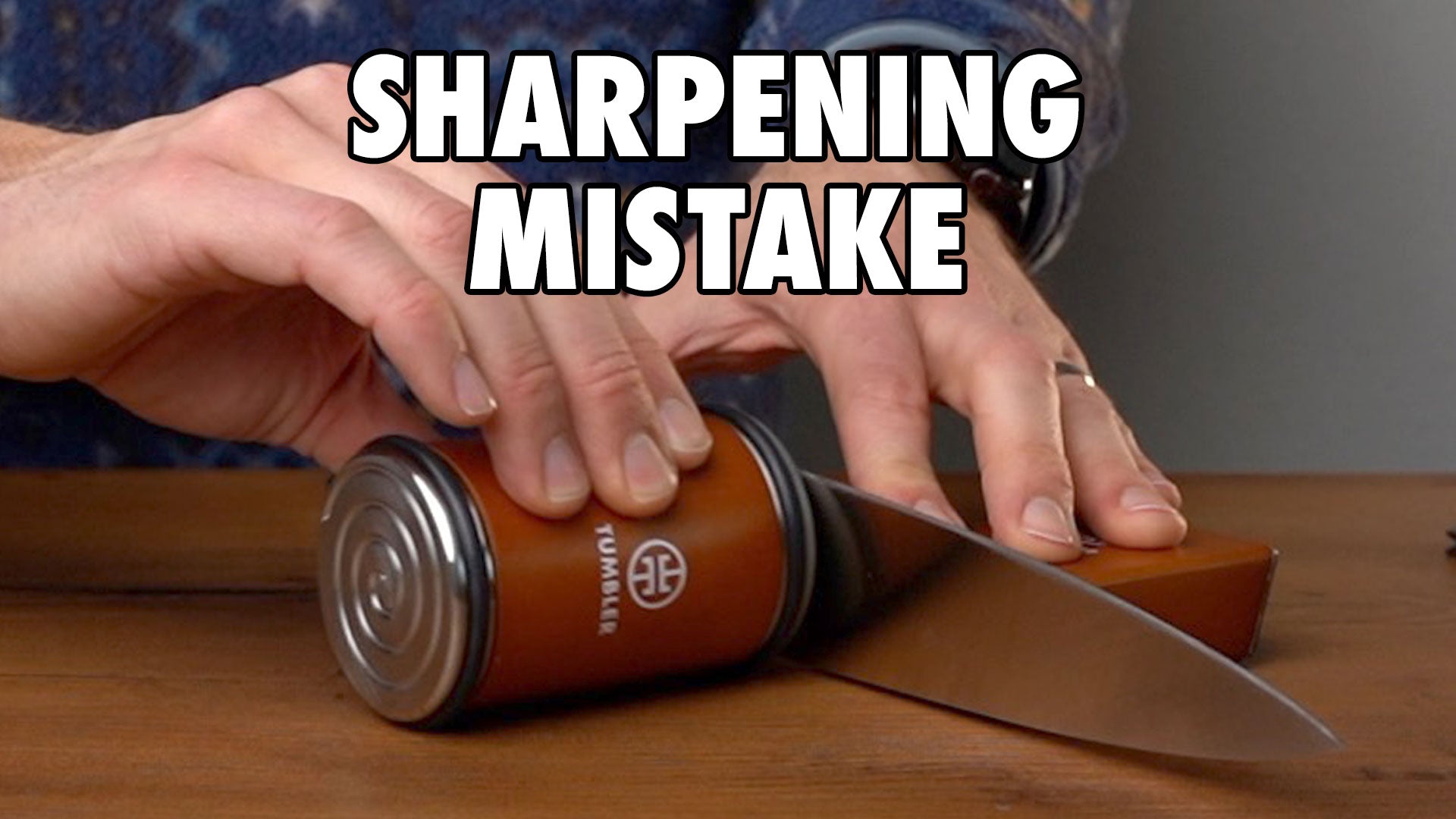
- Why it matters: Pull-through sharpeners and grinders can remove too much metal or heat the blade.
- Fix: Use whetstones for precision. Reserve pull-throughs for quick touch-ups only.
Ignoring knife type and steel
- Why it matters: Harder steels need different grit progression and care than softer steels.
- Fix: Learn your steel’s properties and tailor grit and pressure accordingly.
Poor ergonomics and unsafe setup
- Why it matters: Bad posture leads to mistakes and risk of injury.
- Fix: Secure the stone, use a non-slip mat, and keep fingers clear of the cutting edge.
I repeat: avoid the common knife sharpening mistakes by learning angles, forming burrs, progressing grits, and using the right tools. This prevents damage and extends blade life.
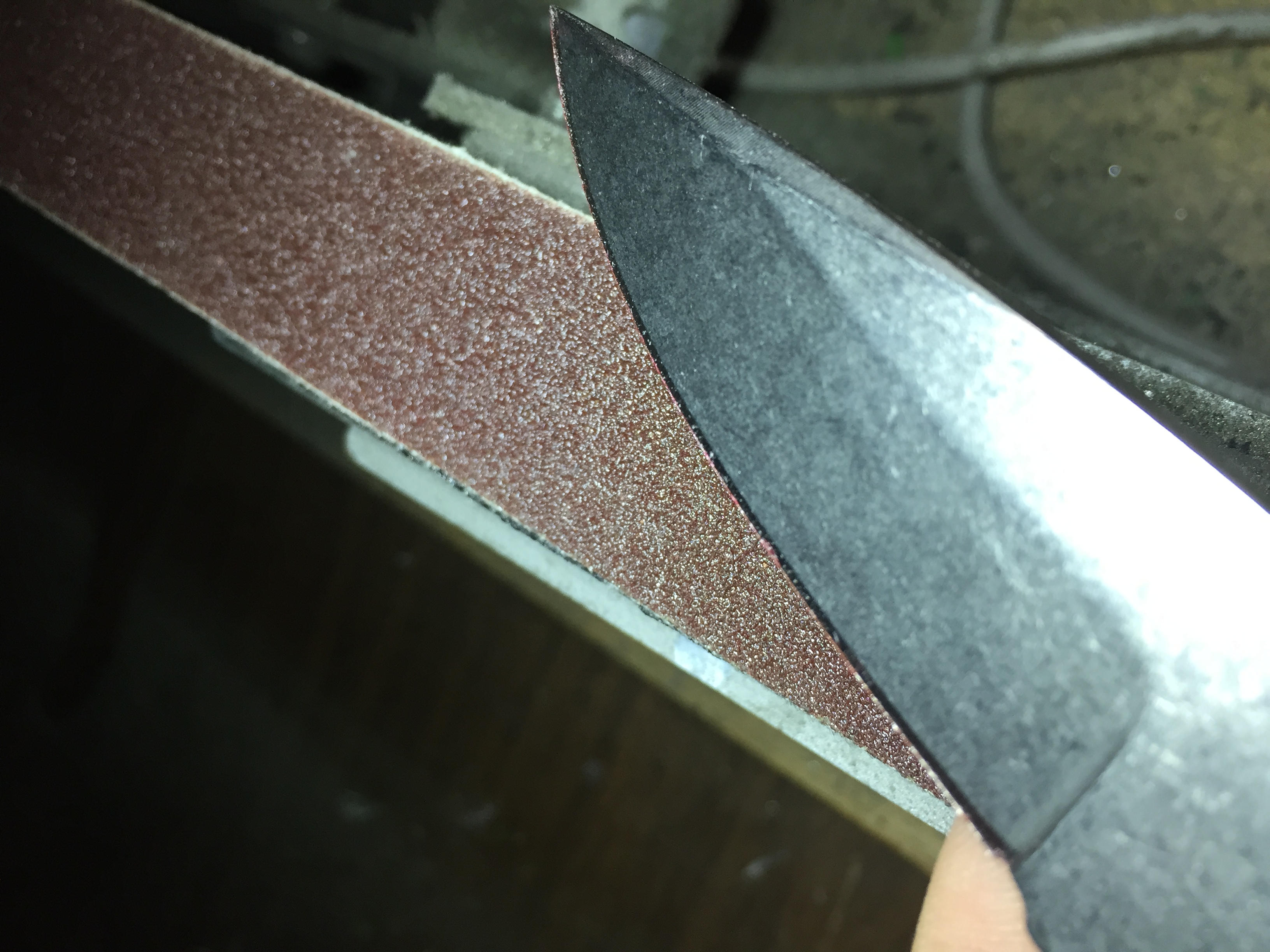
Tools and gear to prevent knife sharpening mistakes
Choosing the right gear reduces errors and speeds learning. Invest in good tools that match your goals.
- Whetstones
- Use a combo of coarse, medium, and fine stones. Ceramic and natural stones also work.
- Angle guides
- Helpful for beginners to hold a consistent angle.
- Leather strop and compound
- Polishes the edge and removes the burr for better cutting.
- Flattening plate
- Keeps your stones true and prevents glazing errors.
- Honing rod
- Realigns the edge between sharpenings; not a substitute for sharpening.
Practical tip from my bench: a 1000/3000 combo stone with a leather strop covers most kitchen knives. A cheap pull-through will not teach you edge geometry and often causes the very knife sharpening mistakes you want to avoid.
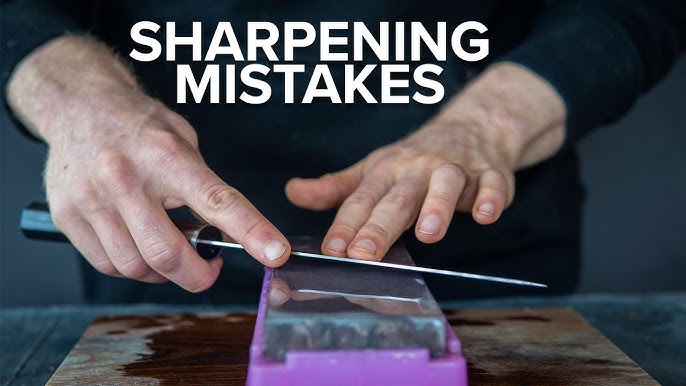
Step-by-step correct sharpening routine
Follow this routine to avoid common knife sharpening mistakes and get a reliable edge every time.
- Prepare the stone
- Soak or wet the stone if required.
- Place it on a flat, stable surface.
- Check and set angle
- Identify target angle (15°–20° for most kitchen knives).
- Use an angle guide or steady wrist position.
- Start on coarse grit
- Push or sweep the knife across the stone, tip to heel.
- Use even strokes and pressure.
- Work until a burr forms on the opposite side.
- Alternate sides and count strokes
- Make equal strokes on each side to keep geometry balanced.
- Move to finer grits
- Repeat process on progressively finer stones.
- Remove the burr by decreasing pressure on final passes.
- Strop and test
- Strop lightly to polish.
- Test on paper or produce to ensure real cutting performance.
I learned to count strokes and feel the burr early in my sharpening journey. That simple habit fixed many knife sharpening mistakes for me. It will help you too.

Maintenance, storage, and safety to avoid future mistakes
Small daily habits prevent big problems. Routine care reduces how often you must sharpen and lowers the chance of making knife sharpening mistakes.
- Clean and dry knives after use
- Moisture and acids can pit steel and complicate edges.
- Hone weekly
- Use a ceramic rod to realign the edge between sharpenings.
- Store safely
- Use a knife block, magnetic strip, or sheaths to protect edges.
- Avoid dishwashers
- Heat and agitation can nick and dull the edge.
- Use the right cutting surface
- Wood or plastic boards are kinder than glass or stone.
Safety first: always point the cutting edge away from you while sharpening. Keep fingers clear and steady the stone. Good setup prevents mistakes and injuries.
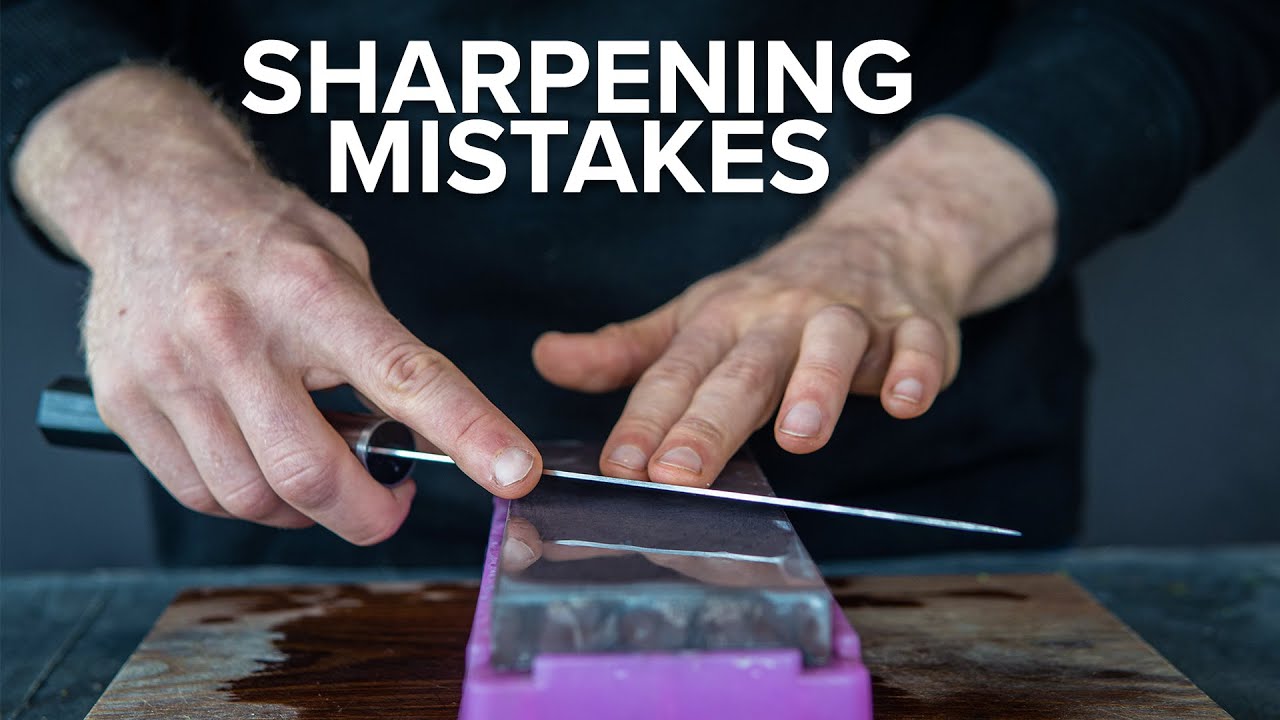
Troubleshooting: repairing damage from knife sharpening mistakes
If you’ve already made mistakes, here are repairs that restore the blade.
- Fixing chips
- Use a coarse stone or a grinding stone to remove the damaged area.
- Re-profile gradually and form a consistent bevel.
- Correcting an uneven bevel
- Re-establish geometry on a coarse grit, then refine evenly on finer grits.
- Removing a rolled edge
- Use a strop and light passes to align and polish the edge.
- Dealing with heat damage
- If a grinder overheated the edge, you may need professional re-heat-treat to restore toughness.
Real-world note: I once ground through a small kitchen knife with a powered sharpener. Re-profiling on a coarse stone and taking time at each grit saved the blade and taught me never to rely solely on machines.
People also ask (PAA-style questions)
How often should I sharpen my knives to avoid mistakes?
Sharpen as needed based on use; many home cooks sharpen every 3–6 months and hone weekly. Frequent light maintenance prevents the need for aggressive sharpening that often causes mistakes.
Can I fix a bad edge from a pull-through sharpener?
Yes, but it may take time. Re-profile the edge on a coarse stone and refine through finer grits to restore geometry and remove damage caused by incorrect pull-through angles.
What angle should I sharpen a kitchen knife at?
Most kitchen knives sharpen well at 15°–20° per side. High-performance or specialty blades may need different angles, so check manufacturer specs when possible.

Frequently Asked Questions about knife sharpening mistakes
What is the most common knife sharpening mistake?
The most common mistake is using the wrong angle or inconsistent angle during sharpening. This produces a weak or dull edge that cuts poorly.
Does skipping grits really harm the edge?
Yes. Skipping grits leaves coarse scratches that prevent a fine edge and reduce cutting performance. Always work progressively from coarse to fine.
Can I use a honing rod instead of sharpening?
A honing rod realigns the edge and is not a true sharpening method. It helps between sharpenings but will not remove enough metal to fix a dull blade.
How do I know when to strop?
Strop after you finish with the finest stone and have removed the burr. Stropping polishes and refines the edge for immediate cutting tests.
Will electric sharpeners ruin my knives?
Electric sharpeners can remove too much metal or change edge geometry if used improperly. They are useful for quick touch-ups but can lead to knife sharpening mistakes if relied on exclusively.
Is it okay to sharpen serrated knives on a stone?
Serrated knives require special techniques and tools because each serration needs attention. Use a tapered ceramic rod or seek professional sharpening to avoid damage.
Conclusion
Avoiding common knife sharpening mistakes saves you time, sharpens performance, and keeps your blades safer and longer-lived. Practice the right angle, progress through grits, feel for a burr, and finish with a strop. Start small: sharpen one knife carefully and repeat the routine. You will notice faster gains than you expect.
Put these tips to work today: pick one mistake you make and correct it on your next sharpening session. If this guide helped, subscribe, leave a comment with your sharpening experience, or share a question so I can help you refine your technique.

Maliha Akter is a kitchen knife reviewer and food preparation specialist with over 6 years of experience testing Japanese kitchen knives and everyday cooking tools. She focuses on performance, safety, durability, and real-world usability to help home cooks choose the right knives for efficient and enjoyable cooking.
Expertise:Japanese Knives • Vegetable Knives • Product Reviews • Kitchen Efficiency • Knife Care