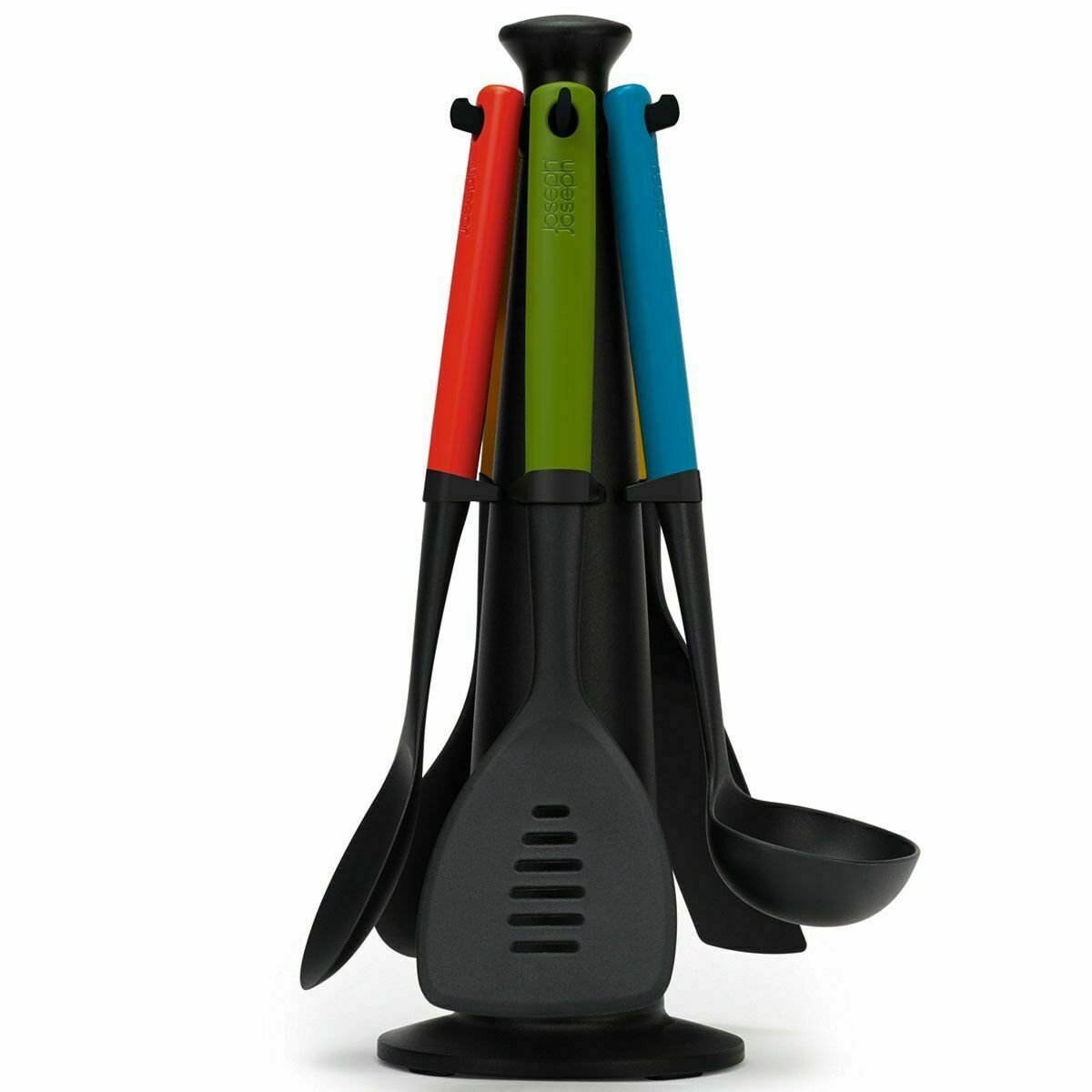
Knife block hygiene prevents bacterial buildup and cross-contamination in everyday kitchen use.
I have spent years testing kitchen tools and training cooks on safe food handling. This guide on knife block hygiene gives clear, practical steps you can use today. You will learn why knife block hygiene matters, how to clean different materials, a simple maintenance schedule, and real-life tips from my work in professional kitchens.

Why knife block hygiene matters
A dirty knife block is a hidden source of germs. Moisture, crumbs, and food residue collect inside slots. That creates a cozy spot for bacteria and mold to grow.
Good knife block hygiene lowers the risk of foodborne illness. It also protects your knives from corrosion and keeps cutting performance high. When you care for the block, you protect every meal you make.
Common goals for knife block hygiene:
- Prevent cross-contamination between raw and ready-to-eat foods.
- Reduce microbial growth in knife slots.
- Extend the life of blades and the block itself.
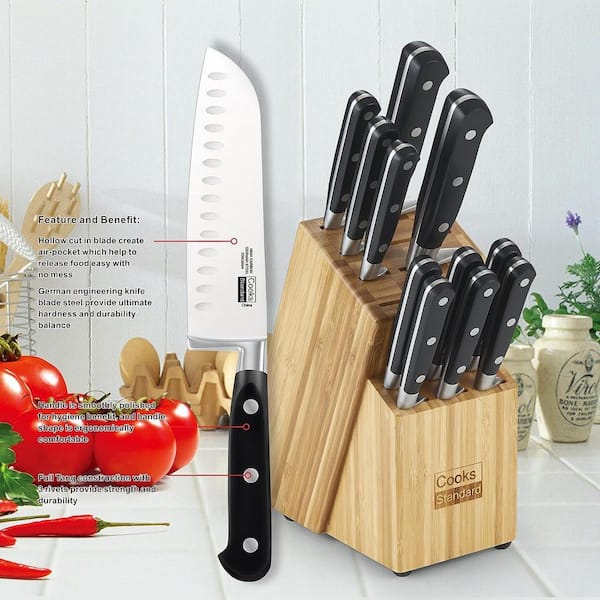
Risks and common contaminants
Knife block hygiene is about managing tiny risks that add up. The main issues you will face are bacterial growth, mold, and trapped food particles.
Bacteria to watch for:
- Common kitchen bacteria from raw meat and produce.
- Mold from persistent moisture.
- Odor-causing microbes that affect knife taste and smell.
Why they form:
- Wet knives placed back into the block carry moisture inside.
- Loose food crumbs fall into slots and feed microbes.
- Poor airflow lets damp areas stay wet, which encourages growth.
Signs your knife block needs attention:
- Musty or sour smell.
- Visible dark spots or mold.
- Sticky or grimy slots when you run a finger inside.

Cleaning and sanitizing your knife block: Step-by-step
Below are practical, safe methods for cleaning wood, bamboo, and plastic blocks. Follow these steps regularly to keep knife block hygiene high.
General tools you will need:
- Soft bottle brush or thin nylon brush.
- Mild dish soap.
- Distilled white vinegar or diluted bleach solution (optional).
- Clean cloths and paper towels.
- Compressed air or a hair dryer (cool setting).
- Food-safe mineral oil for wood.
Step 1 — Empty and inspect
- Remove all knives and accessories.
- Tip the block to check for crumbs and debris.
- Look inside slots for mold or stains.
Step 2 — Dry brushing
- Use a narrow bottle brush to dislodge particles from slots.
- Tap the block gently to release debris.
- Brush both vertical and angled slots.
Step 3 — Surface cleaning
- Wipe the exterior with warm soapy water.
- For stubborn stains, use a paste of baking soda and water.
- Rinse the cloth and wipe again to remove soap.
Step 4 — Deep slot cleaning
For plastic blocks:
- Fill slots with warm soapy water using a syringe or pour carefully.
- Scrub with a narrow brush, then rinse thoroughly.
- Air dry standing upside down for good airflow.
For wood and bamboo blocks:
- Avoid soaking. Instead, use a vinegar spray (1:1 vinegar to water).
- Spray into slots lightly, then brush and wipe.
- Dry with paper towels and finish with air drying.
- Apply food-safe mineral oil to the exterior quarterly to prevent cracking.
For heavy contamination:
- Use a diluted bleach solution (1 tablespoon bleach per gallon of water). Apply lightly, rinse well, and air dry.
- Alternatively, use a commercial food-safe sanitizer following the label.
Step 5 — Drying
- Always dry completely before returning knives.
- Place the block upside down on a dish rack in sunlight if possible.
- Use compressed air to speed drying for tricky slots.
Frequency:
- Quick slot brush once a week.
- Deep clean once a month for regular cooks.
- More often if you cook daily with raw proteins or notice odors.
.mp4/ik-thumbnail.jpg "Knife Block Hygiene: Effective Cleaning Tips 5")
Maintenance schedule and best practices
A simple routine keeps knife block hygiene consistent. Short habits beat occasional deep cleans.
Daily habits:
- Wipe knife blades clean and dry before inserting.
- Store knives only when fully dry.
- Empty crumbs from the countertop near the block.
Weekly tasks:
- Brush out slots and wipe exterior.
- Check for moisture or mold and act quickly.
Monthly tasks:
- Deep clean slots using the method for your block material.
- Oil wood blocks lightly to preserve the surface.
When to replace:
- Replace the block if cracks harbor mold you can’t remove.
- Replace if slots become warped and no longer hold knives safely.
Practical tips to reduce contamination:
- Store separate knives for raw meat and ready-to-eat foods.
- Use magnetic strips or in-drawer organizers for easier cleaning.
- Avoid placing the block next to the stove or sink where humidity is high.
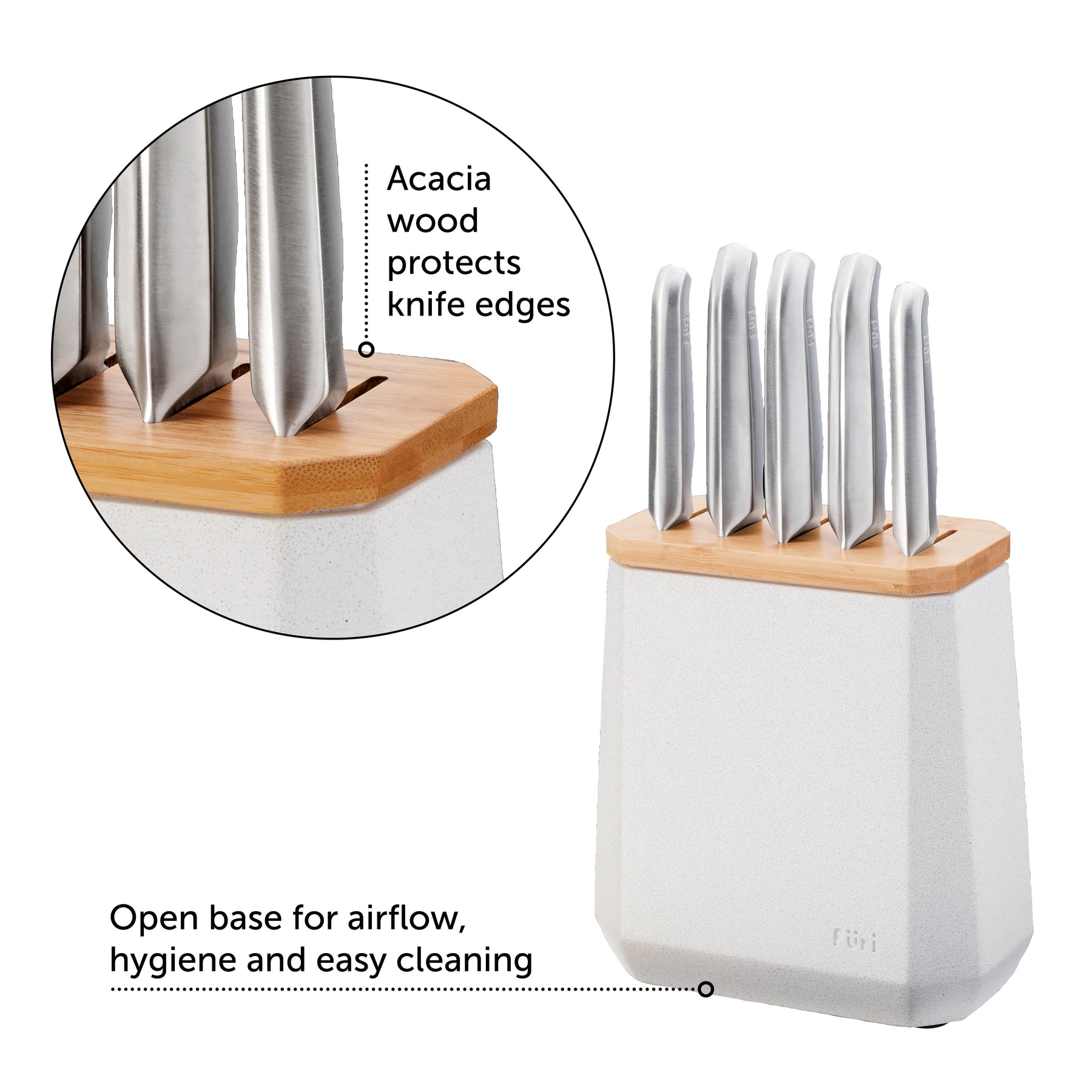
Knife block materials and design considerations
Different materials demand different care for knife block hygiene. Choose a block that fits your cleaning discipline.
Wood and bamboo:
- Pros: Attractive, gentle on blades, durable.
- Cons: Porous; can hold moisture and odor.
- Care tips: Avoid soaking, use vinegar cleaning, oil periodically.
Plastic and composite:
- Pros: Less porous, easier to sanitize, often dishwasher safe if the manufacturer states so.
- Cons: Can warp or discolor. May be less attractive.
- Care tips: Rinse and scrub slots, consider dishwasher only if rated.
Slot-less or open designs:
- Pros: Easier airflow, simpler cleaning, less bacteria buildup.
- Cons: Knives exposed, may collect dust.
- Care tips: Wipe blades before storage and dust block regularly.
Magnetic strips and in-drawer organizers:
- Pros: No slots to clean. Excellent for hygiene.
- Cons: Requires wall or drawer space. Magnetic strips expose blades to air.
- Care tips: Clean strip and wall behind it; keep magnets free of grease.
Material choice and hygiene:
- If knife block hygiene is a priority, favor non-porous materials or open designs.
- If you prefer wood, commit to regular oiling and drying routines.

Alternatives and storage best practices
If maintaining knife block hygiene feels like a chore, options exist that reduce risk and effort.
Alternatives:
- Magnetic wall strip: Easy to clean and quick to inspect.
- In-drawer tray: Keeps knives out of sight and slots out of the equation.
- Knife roll or sheath: Good for occasional use or travel.
Best practices for all storage:
- Always dry blades before storing.
- Separate knives used for raw meat from others.
- Position storage for airflow and minimal humidity exposure.
- Inspect stored knives and holders monthly.

My experience and practical tips
In professional kitchens I trained, knife block hygiene was more than housekeeping. It was a food-safety step that saved time and reduced contamination.
Lessons I learned:
- A quick brush before closing service prevents odors the next morning.
- Teams that store dry knives returned them with better blade life.
- Magnetic strips cut cleaning time and lowered microbial counts around blocks.
Mistakes to avoid:
- Never return a wet knife to any block or holder.
- Don’t rely on smell alone; visible spots can hide bacteria.
- Avoid harsh cleaners on wood—use food-safe options.
A few real-life tips:
- Keep a narrow bottle brush near the sink labeled for the block.
- Use a small spray bottle of vinegar for quick disinfecting.
- Teach family members to wipe blades dry before putting them away.
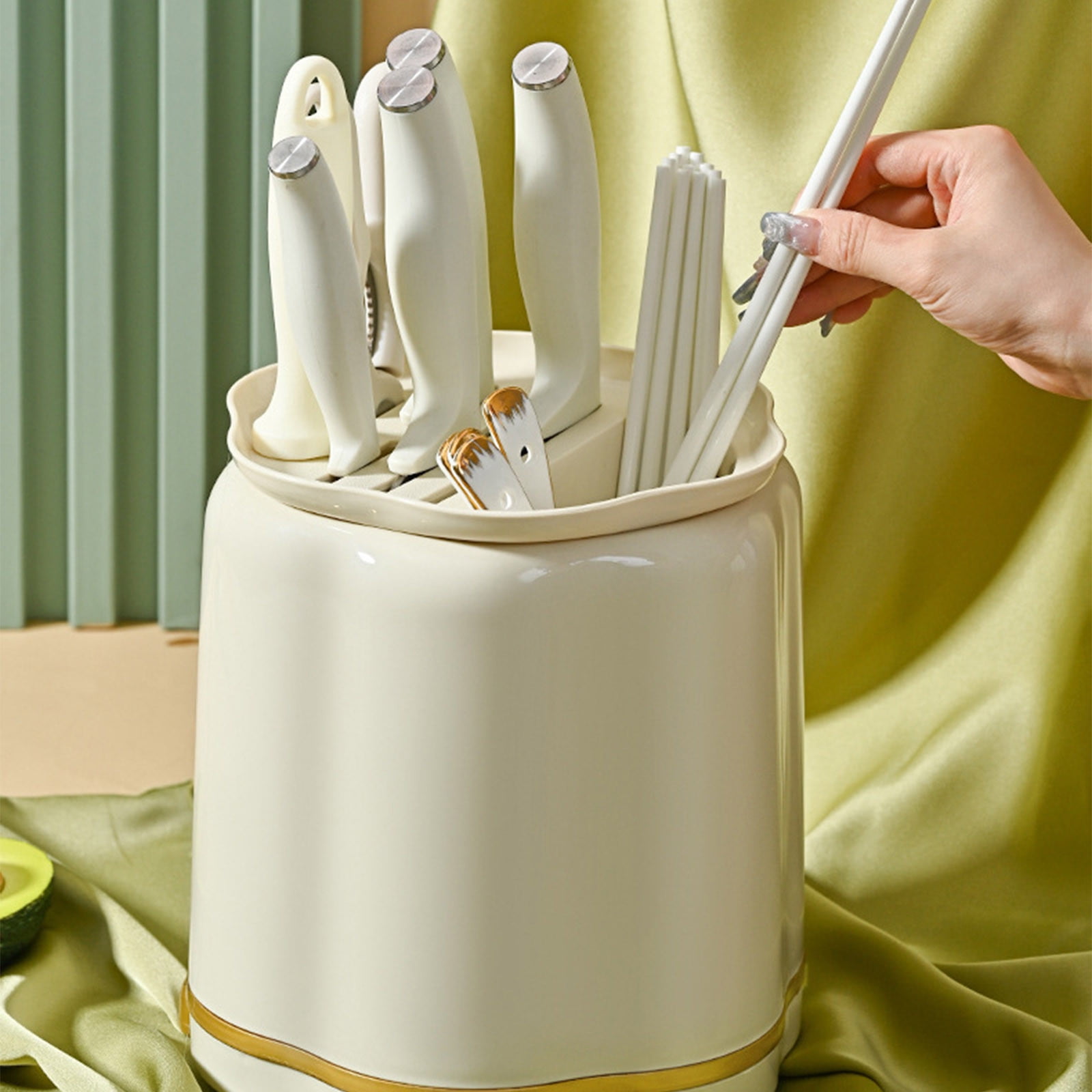
Frequently Asked Questions of knife block hygiene
How often should I clean my knife block?
Clean slots with a quick brush weekly and perform a deep clean monthly. Increase frequency if you cook daily or see odors.
Can I put my knife block in the dishwasher?
Only put plastic or dishwasher-rated blocks in the dishwasher. Wood and bamboo should never be soaked or washed in the dishwasher.
Will vinegar disinfect my knife block?
Vinegar helps reduce microbes and is safe for wood. For heavy contamination, use a diluted bleach solution then rinse and dry thoroughly.
Is a magnetic strip more hygienic than a block?
Yes, magnetic strips eliminate slots where crumbs and moisture collect, making them easier to keep clean and inspect.
How do I dry knife slots quickly?
Turn the block upside down, use compressed air or a cool hair dryer, and leave it in sunlight or a well-ventilated area until fully dry.
Can mold be removed from wood blocks?
Superficial mold can often be removed with a vinegar spray and scrubbing. Replace the block if mold persists in cracks or deep grain.
Should I oil my wooden knife block?
Yes. Apply food-safe mineral oil quarterly to seal the wood and reduce cracking. This helps maintain knife block hygiene by preventing moisture penetration.
Conclusion
Good knife block hygiene protects your food, your knives, and your peace of mind. Regular brushing, careful drying, and the right cleaning method for your block material are simple steps that make a big difference. Start with a weekly brush and a monthly deep clean, and consider alternatives like magnetic strips if you want a lower-maintenance option. Try one new habit this week — such as drying knives before storage — and notice the improvement in cleanliness and blade life. Share your results or questions below, or subscribe to learn more practical kitchen care tips.

Maliha Khatun has spent 5 years hands-on testing Japanese knives for everyday home cooks. She has evaluated over 60 blades across nakiri, santoku, gyuto, and petty categories — scoring each on edge retention, steel quality, handle comfort, and value for money. She writes to help home cooks buy the right knife without the guesswork.
Expertise:Japanese Knives • Vegetable Knives • Product Reviews • Kitchen Efficiency • Knife Care
Leave a Reply