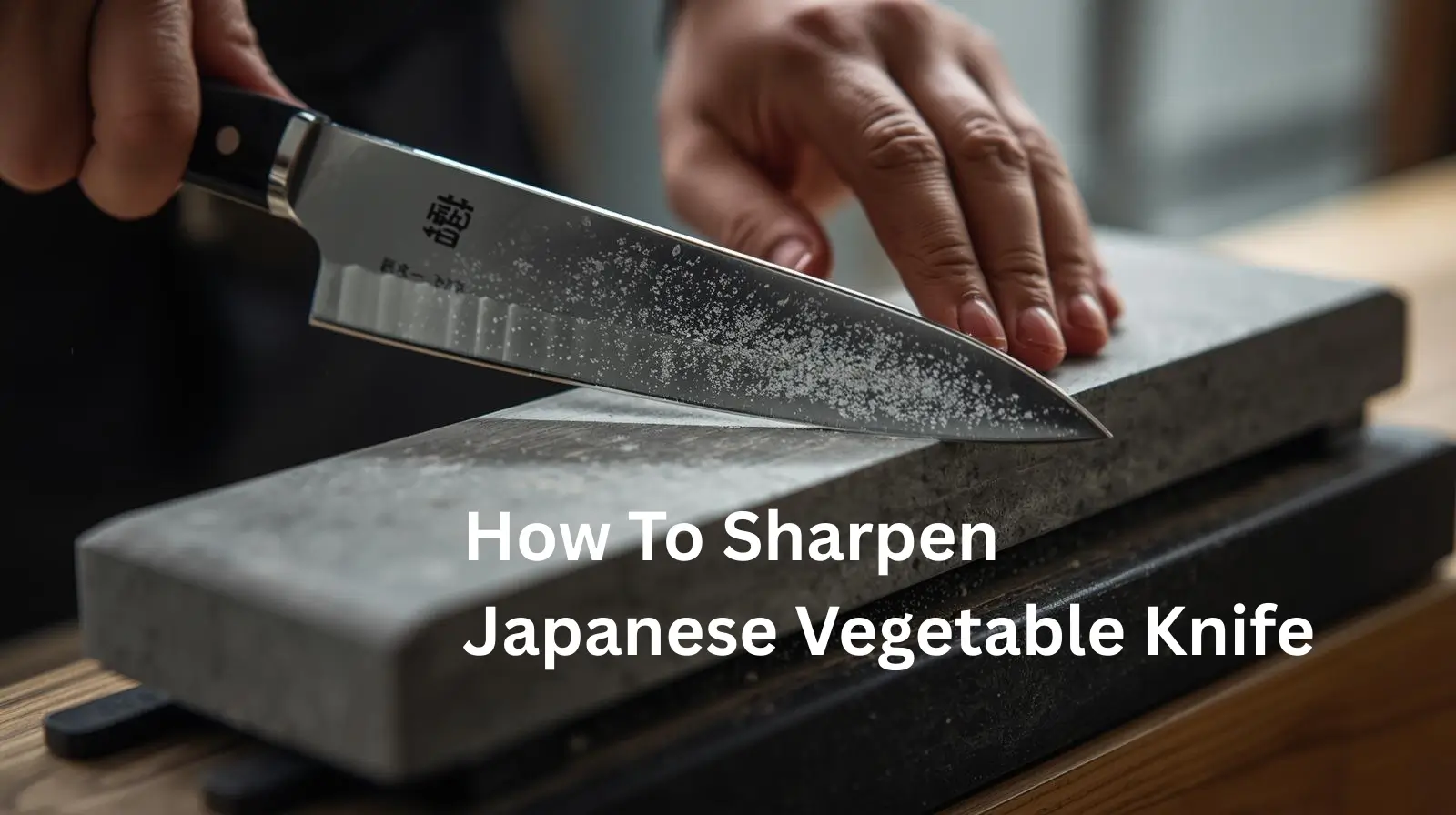
Use whetstones, keep a 12–15° angle, raise a burr, refine, then strop.
If you care about clean cuts and safe prep, learning how to sharpen japanese vegetable knife is worth it. I’ve spent years tuning nakiri and usuba edges for home cooks and pros. This guide shows how to sharpen japanese vegetable knife with simple tools, clear steps, and pro tips you can trust.

Tools and setup you need before sharpening
Sharpening is easy when your tools work for you. Japanese blades are hard steel, so water stones give the best control and finish. Set up a safe, steady station first.
Essential tools:
- Whetstones: 1000 grit for shaping, 3000–4000 for refining, 6000–8000 for polish
- Coarse stone (220–400) for chip repair or thinning
- Stone holder or damp towel for stability
- Flattening plate or coarse diamond plate to keep stones flat
- Water container and spray bottle for clean slurry
- Towel and non-slip mat for a safe, dry workspace
- Leather strop with compound for final deburr
- Permanent marker to track angle
- Small loupe (10x) to inspect the edge
Quick checks before you start:
- Soak soaking stones for 10–15 minutes. Splash-and-go stones do not need soaking.
- Draw a pencil grid on the stone. Flatten until the grid disappears.
- Wipe the blade clean. Mark the bevel with a marker.
If you want a strong start on how to sharpen japanese vegetable knife, build this kit and keep your stones flat.

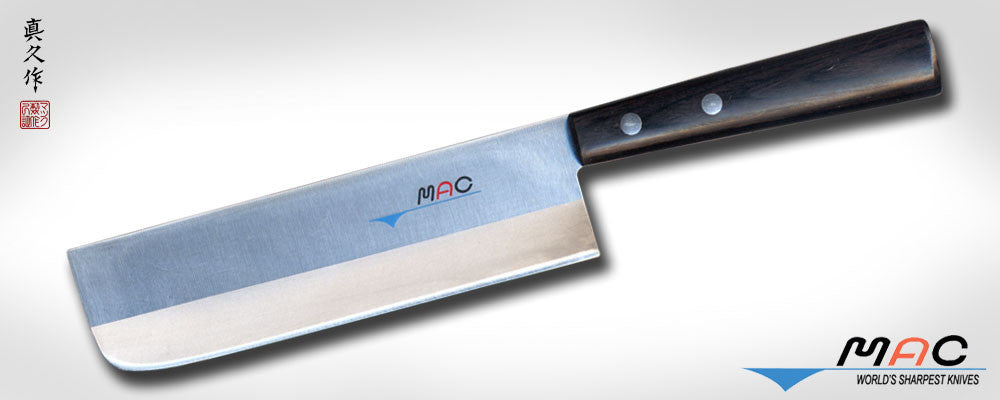
Know your knife: nakiri vs usuba and the right angle
Not all Japanese vegetable knives are the same. The geometry tells you how to sharpen japanese vegetable knife the right way.
Knife types:
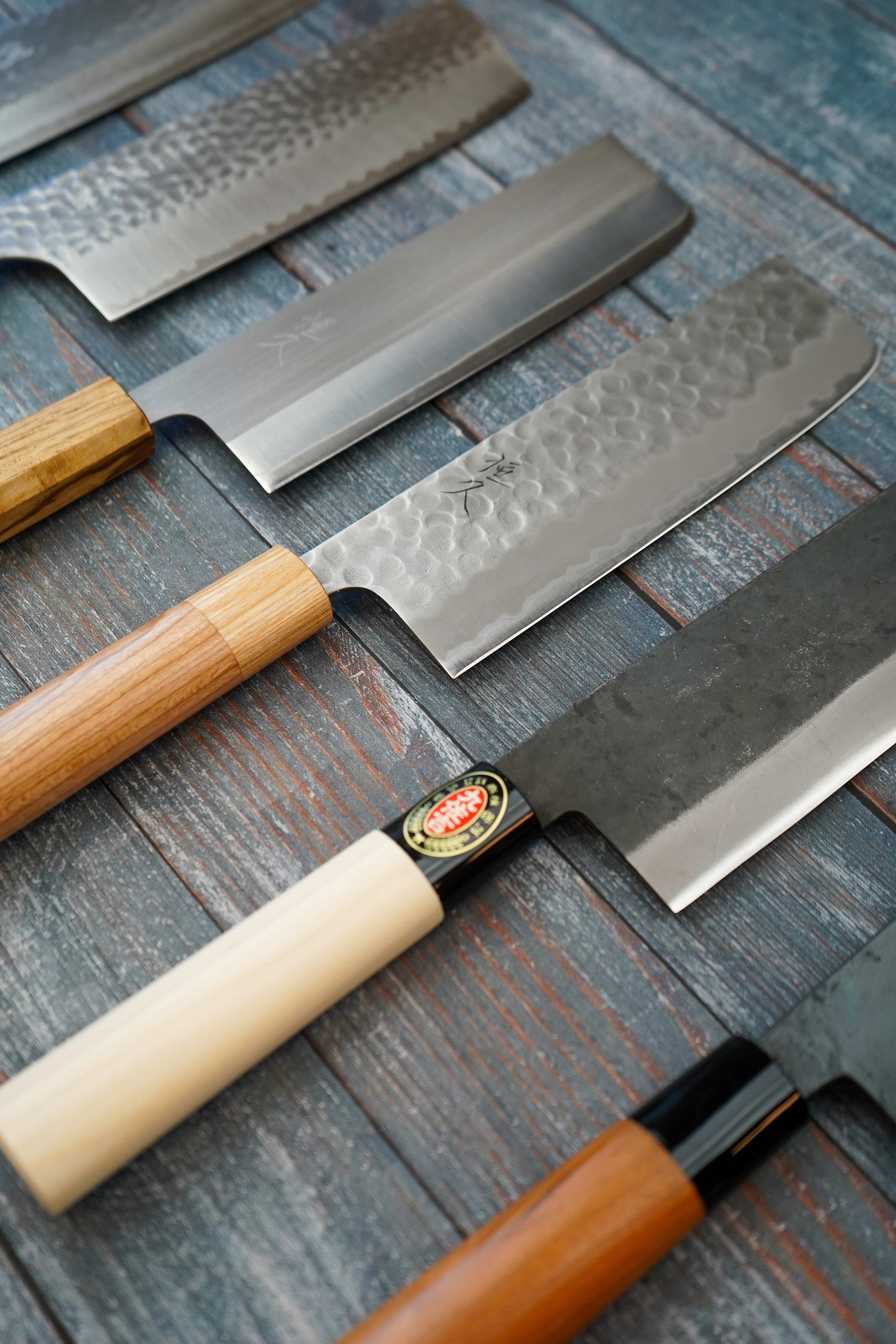
- Nakiri: Double-bevel. Symmetric or slightly biased. Great for home cooks. Angle per side is often 12–15°.
- Usuba: Single-bevel. One large bevel with a flat, slightly concave back (ura). Needs care and light touch.
Angle basics:
- Double-bevel nakiri: 12–15° per side. Think two or three stacked coins under the spine.
- Single-bevel usuba: Sharpen the large bevel around 10–12°. On the back, keep it flat to the stone for light laps (uraoshi).
- Harder steels hold low angles well. Do not force a German-steel angle.
Pro note from the bench:
- If the knife steers to one side in cuts, your bevels are uneven. Even them up on the next session.
Step-by-step: how to sharpen japanese vegetable knife
Follow this system, and you can repeat it anytime. This is exactly how I teach new cooks in my classes.
Prepare your station
- Soak or splash your stones as needed.
- Flatten the 1000 grit stone. Wet the work area.
- Mark the bevel with a marker line.
Set your angle
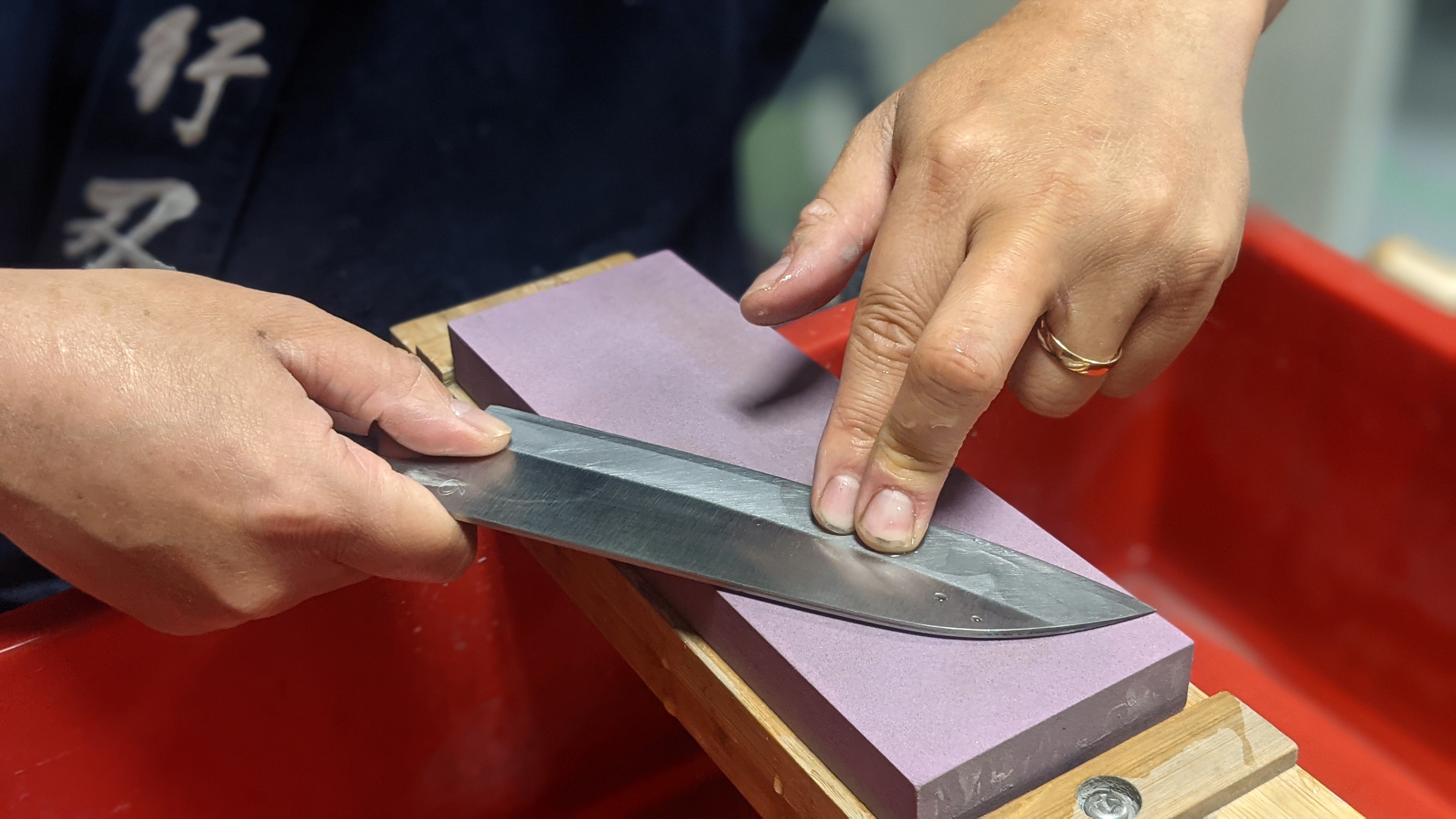
- Hold the handle with a relaxed grip. Support the blade with your fingers.
- Lift the spine to your target angle. Keep it steady.
- How to sharpen japanese vegetable knife starts with angle control. Do not chase speed.
Raise a burr on the first side
- Use the 1000 stone. Use edge-leading strokes, heel to tip.
- Light to moderate pressure. Let the stone cut.
- Work in short sections. Check often.
- Feel for a burr along the full edge. It should be even and continuous.
Switch sides or do the back
- Nakiri: Flip the blade. Match the angle. Repeat until a burr flips over the full length.
- Usuba: Lay the back flat. Do 3–5 light laps to bring the burr back and clean the ura.
Refine the edge
- Move to 3000–4000 grit. Use lighter pressure.
- Repeat the same pattern. Keep strokes even.
- The burr should shrink and become subtle.
Polish and align
- Move to 6000–8000 grit. Use whisper-light pressure.
- Do alternating strokes. One per side to chase and remove any wire edge.
- For usuba, finish with a few gentle ura laps.
Deburr and strop
- Rinse the blade. Wipe clean.
- Strop on leather with light pressure. 5–10 laps per side.
- If you see a wire edge in the light, go back to alternating strokes on the fine stone, then strop again.
Test and clean
- Slice paper or a tomato. The cut should be smooth and silent.
- Rinse, dry, and store safely.
When people ask how to sharpen japanese vegetable knife fast, I say slow is fast. Small, clean steps win.

Advanced techniques for a pro finish
Once your basics are strong, add these moves to boost performance and edge life.
Micro-bevel:
- Add two or three ultra-light strokes at a slightly higher angle on your finest stone.
- This stabilizes the apex and reduces chipping on hard steels.
Thinning:
- Over time, edges get thick. Use a medium stone (800–1200) to remove steel behind the edge.
- Keep the blade flat on its primary bevels. Blend the finish with higher grits.
Kasumi finish on usuba:
- Use medium and fine stones to create a misty contrast between the soft cladding and hard core.
- Keep pressure gentle to avoid streaks.
Stropping compounds:
- Use 1.0 to 0.5 micron compound for a keen but controlled bite.
- Avoid over-stropping. It can round the apex.
These upgrades matter if you practice how to sharpen japanese vegetable knife often and want that clean, glide feel on greens.
Common mistakes and how to fix them
Avoid these traps. I learned some the hard way.
Mistakes:
- Chasing speed before angle control. Fix by slowing down and using shorter strokes.
- Skipping burr formation. Fix by staying on the coarse stone until the burr is full length.
- Using too much pressure. Let the stone cut. Heavy hands cause scratches and convex edges.
- Not flattening stones. A dished stone gives a rounded edge. Flatten every session.
- Using a steel rod on hard Japanese blades. Use a fine ceramic rod or stones instead.
- Leaving water on the blade. Dry fully to prevent rust.
If your results drift, re-read how to sharpen japanese vegetable knife and reset to simple, repeatable steps.

How to test sharpness and keep it sharp longer
Sharpness tests:
- Paper slice: Clean cut with no snagging.
- Tomato skin: The blade should bite with zero pressure.
- Onion push-cut: Should start without sliding.
Edge care between full sharpenings:
- Touch up on a 3000–6000 stone for 10–20 light strokes when you feel drag.
- A fine ceramic rod works for micro touch-ups. Use gentle, low-angle passes.
- Use soft cutting boards like end-grain wood or quality plastic.
How to sharpen japanese vegetable knife is only half the story. Daily habits keep the edge alive.
Care after sharpening and safe storage
Treat the blade well after all that work.
Care steps:
- Rinse and dry at once. Wipe along, not across, the edge.
- Add a thin coat of camellia or food-safe mineral oil if storing for days.
- Store in a saya, edge guard, or on a magnetic strip with the edge up and clear.
If you master how to sharpen japanese vegetable knife, protect that edge so it stays crisp for weeks.

Frequently Asked Questions of how to sharpen japanese vegetable knife
How often should I sharpen a Japanese vegetable knife?
For home use, sharpen every 4–8 weeks. Touch up on a medium or fine stone whenever you feel drag.
What grits do I need to get started?
A 1000 and a 3000–6000 stone will cover most needs. Add a coarse stone for chips and an 8000 stone for polish.
Can I use an electric sharpener?
I do not recommend it for hard Japanese steel. It can overheat the edge and remove too much metal.
What angle should I use?
For nakiri, aim for 12–15° per side. For usuba, sharpen the large bevel around 10–12° and keep the back flat.
How do I know I raised a burr?
Feel gently from spine to edge for a tiny lip of metal. Use a loupe and good light to confirm it runs heel to tip.
Conclusion
You now have a simple, repeatable plan for a razor edge. Set your angle, raise a clean burr, refine, and protect the blade. With a little practice, how to sharpen japanese vegetable knife becomes second nature.
Pick one knife, one stone, and do a slow, careful session this week. Track your results and build from there. If this helped, subscribe for more sharpening guides, ask a question in the comments, or share your own tips with the community.
Maliha Khatun has spent 5 years hands-on testing Japanese knives for everyday home cooks. She has evaluated over 60 blades across nakiri, santoku, gyuto, and petty categories — scoring each on edge retention, steel quality, handle comfort, and value for money. She writes to help home cooks buy the right knife without the guesswork.
Expertise:Japanese Knives • Vegetable Knives • Product Reviews • Kitchen Efficiency • Knife Care
Leave a Reply