Handle it gently: hand-wash, dry fast, hone often, sharpen right, store safely.
If you love clean cuts and crisp veggies, learning how to care for nakiri knife is worth your time. I’ve used nakiri knives in busy pro prep and at home, and the difference proper care makes is huge. This guide breaks down exactly how to care for nakiri knife with simple steps, proven tips, and pro-level insights you can follow today.
What makes a nakiri different and why care matters
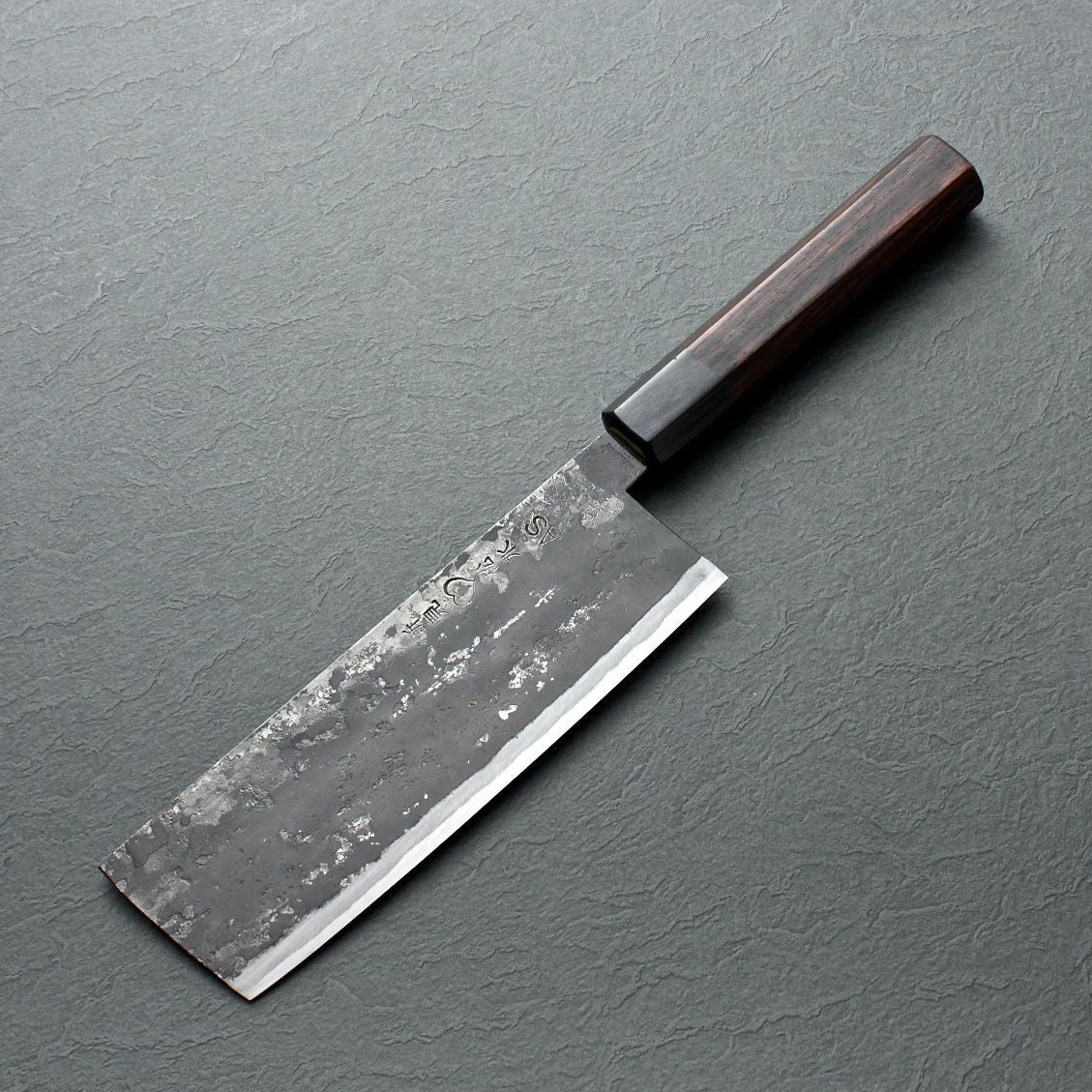
A nakiri knife is a thin, flat-edged Japanese vegetable knife. It excels at push cuts and straight slices. The blade is usually harder than Western knives, which helps it hold a sharp edge longer. But that harder steel can chip if you misuse it.
Giving it the right care keeps the edge crisp and safe to use. It also protects the steel from rust and staining. When you master how to care for nakiri knife, you get cleaner cuts, less waste, and a knife that lasts years.
Key traits that affect care:
- Thin edge geometry A thin edge cuts fast but chips if you twist or pry.
- Harder steel Hardness holds the edge but dislikes impact and steel rods.
- Flat profile It shines at push and pull cuts on a board, not bones or hard rinds.
Bottom line: how to care for nakiri knife starts with respecting its design and using gentle technique.
Daily care routine: cleaning, drying, storing
I treat my nakiri like a camera lens: clean fast, dry fast, store smart. Here is the daily routine I share with line cooks and home cooks.
After every use:
- Rinse right away Use warm water and a drop of mild soap.
- Wipe with a soft sponge Avoid scouring pads and bleach.
- Dry fully Use a lint-free towel. Wipe the spine, heel, and along the edge.
Never do this:
- No dishwashers Heat, steam, and detergent can warp and pit the edge.
- No soaking Water creeps under the handle and promotes rust.
- No metal-on-metal Avoid tossing it in a sink or piled with utensils.
Smart storage:
- Use a wooden saya, blade guard, or soft magnetic strip
- Drawer storage only with a guard to protect the edge and your hands
These habits are the core of how to care for nakiri knife and keep it sharp for more prep days.
Honing and sharpening a nakiri: step-by-step
Most nakiri knives are double-bevel and like a 12–15° angle per side. Many makers advise ceramic honing or stropping instead of steel rods. I follow that advice. It keeps the edge aligned without micro-chipping.
Honing between sharpenings:
- Use a fine ceramic rod or leather strop
- Light pressure, 5–8 passes per side at 12–15°
- Stop if you feel the edge catching or crumbling
- For dull edges Use 800–1000 grit to set the edge
- For refinement Move to 3000–6000 grit for bite and polish
- For chip repair Start at 320–400 grit, then progress up
Simple stone routine:
- Soak water stones if needed. Keep a splash bottle nearby.
- Set your angle. Lock your wrist and use smooth push-pull strokes.
- Sharpen one side until you raise a light burr along the edge.
- Flip and repeat. Match passes, pressure, and angle.
- Deburr on a finer stone, then strop on leather or newsprint.
Signs you are done:
- The edge bites gently into a tomato skin
- It shaves paper with no snagging
- It feels even and sharp tip to heel
Consistent sharpening is a big part of how to care for nakiri knife. It prevents heavy metal removal and extends life.

Rust prevention: carbon vs stainless nakiri
Stainless is stain-resistant, not stain-proof. Carbon steel will patina and can rust fast. I keep both. The trick is moisture control and a light oil coat when needed.
For carbon steel:
- Dry the blade in seconds, not minutes
- Wipe a thin coat of food-safe mineral oil before storage
- Expect patina It is normal and protective
For stainless steel:
- Dry fully and store clean
- Avoid acid sitting on the blade Lemon and tomato can stain over time
If you see orange spots:
- Use a rust eraser or a baking soda paste
- Rinse, dry, and add a light oil coat
Following these steps is key in how to care for nakiri knife made of any steel.

Cutting boards and proper use
Your board matters as much as your stone. Hard boards kill edges. Soft boards pamper them.
Best boards:
- End-grain wood Maple, walnut, or cherry
- Soft plastic Great for raw proteins, gentle on edges
Avoid:
- Glass, stone, ceramic These destroy edges on contact
- Very hard bamboo It can be harsh on thin edges
Use technique that fits the blade:
- Push-cut or pull-cut No rocking like a chef’s knife
- Lift straight up Do not twist in the cut
- Avoid bones, frozen food, and hard shells Save that for a heavier knife
Using the right board and cut is how to care for nakiri knife during every prep session.

Safe storage and travel
Storage is not just neatness. It is edge insurance. I learned this after a chipped nakiri took a ride in a busy drawer.
At home:
- Magnetic strip with wood face or felt guards
- Drawer tray with slots plus blade guards
On the go:
- Use a saya or guard
- Wrap in a towel and place in a dedicated knife roll
- Keep moisture packs out; keep the blade dry
This is a simple but vital step in how to care for nakiri knife and avoid surprise damage.
Troubleshooting and quick fixes
Even with care, things happen. Here is what I do when trouble pops up.
Common issues:
- Micro-chips Use a 1000 grit stone with light, even passes. Finish on 3000–6000.
- Flat spots Reprofile with consistent strokes, then finish at a fine grit.
- Patina Dark gray is normal on carbon. Don’t scrub it off.
- Orange rust Lift it with a rust eraser or baking soda paste, then oil lightly.
- Handle dryness For unfinished wood, rub food-safe mineral oil or board butter.
Knowing these fixes is part of how to care for nakiri knife under real-world use.

Maintenance schedule and checklist
Consistency beats intensity. This schedule keeps your knife sharp and safe without guesswork.
After every use:
- Hand-wash, dry, and store with a guard
Weekly:
- Hone on a ceramic rod or strop 5–8 light passes per side
Monthly:
- Sharpen on 1000 grit, then 3000–6000 if needed
Quarterly:
- Deep clean, de-stain, and oil the blade if carbon
- Oil unfinished wood handles
Before big prep days:
- Check the edge with paper
- Touch up on a fine stone or strop
This simple cadence is my proven way for how to care for nakiri knife all year long.

Frequently Asked Questions of how to care for nakiri knife
How often should I sharpen a nakiri?
Light home use needs sharpening every 1–2 months. Heavy prep may need monthly or even biweekly sharpening.
Can I use a steel honing rod on a nakiri?
Avoid traditional steel rods on hard Japanese blades. Use a fine ceramic rod or a leather strop instead.
What cutting board is best for a nakiri?
End-grain wood is ideal, and soft plastic is good too. Avoid glass, stone, and very hard bamboo.
Is patina on a carbon nakiri bad?
No, a gray-blue patina is normal and protective. Remove only active orange rust, then dry and oil.
Can I put my nakiri in the dishwasher?
No. Heat, detergent, and banging will harm the edge and handle. Hand-wash and dry right away.
What angle should I use when sharpening?
Aim for 12–15 degrees per side for most double-bevel nakiri knives. Keep pressure light and strokes even.
How do I prevent rust on stainless nakiri?
Dry the blade right after washing and avoid long contact with acids. Stainless resists rust, but it is not immune.
Conclusion
Caring for a nakiri is simple: clean fast, dry fast, use the right board, and sharpen with care. When you master how to care for nakiri knife, you get safer prep, cleaner cuts, and a tool that lasts for years.
Start today. Pick one habit to lock in this week, like drying right away or honing every Sunday. Want more tips on sharpening and storage? Subscribe and drop your questions in the comments so we can sharpen your routine together.

Maliha Khatun has spent 5 years hands-on testing Japanese knives for everyday home cooks. She has evaluated over 60 blades across nakiri, santoku, gyuto, and petty categories — scoring each on edge retention, steel quality, handle comfort, and value for money. She writes to help home cooks buy the right knife without the guesswork.
Expertise:Japanese Knives • Vegetable Knives • Product Reviews • Kitchen Efficiency • Knife Care
Leave a Reply