
KnifeScope is reader-supported. When you buy through links on this page, we may earn a small commission at no extra cost to you.
A Damascus bunka combines two things people love: the versatile bunka shape with its angled tip, and a layered steel pattern that makes every blade look unique.
The pattern is beautiful, but the core steel is what cuts. This guide compares Damascus bunkas by core steel and practicality, not just looks.
Our picks are based on manufacturer specifications, materials and long-term buyer feedback.
Damascus Pattern: Looks vs Performance
The wavy Damascus pattern is eye-catching, but performance comes from the steel. For a damascus bunka knives:
- Many Japanese Damascus-style knives wrap layered cladding around a hard core steel; the layers are mostly decorative.
- Check the core steel (such as VG10 or SG2), not just the pattern.
- Real layered steel shows the pattern at the spine and edge; etched patterns are surface-only.
- Care is the same as for any fine knife: hand-wash and dry.
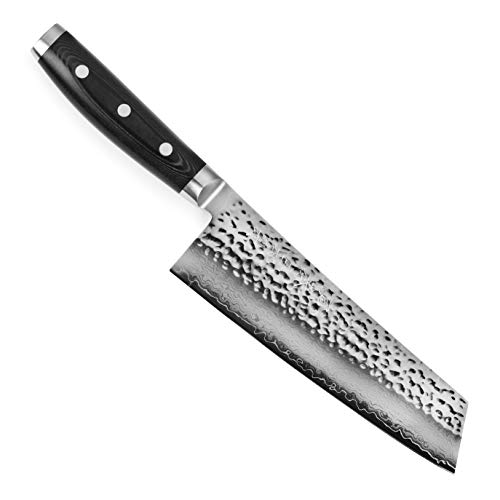
Enso HD 7″ Bunka Knife…
Crafted of premium Japanese VG10 37-layer stainless steel for excellent edge retention; features a stunning hammered (tsuchime) finish Rockwell Hardness 61°; blades are hand-ground to approximately 12° Double-bevel edge for…
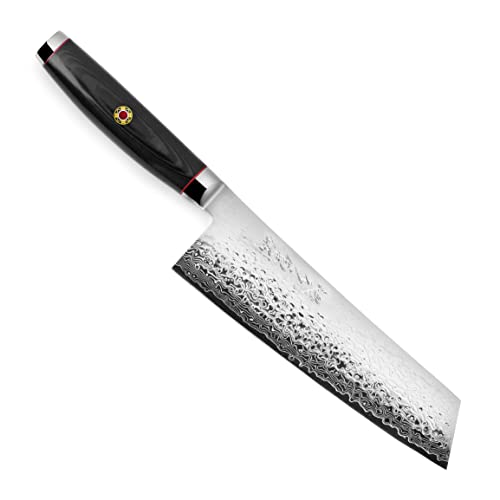
Enso SG2 Bunka Knife -…
Constructed of Japanese SG2 Micro Carbide powder stainless steel, Japanese kanji is hand engraved on the blade; 63 Rockwell Hardness 101 layer stainless steel Damascus construction with SG2 steel core;…
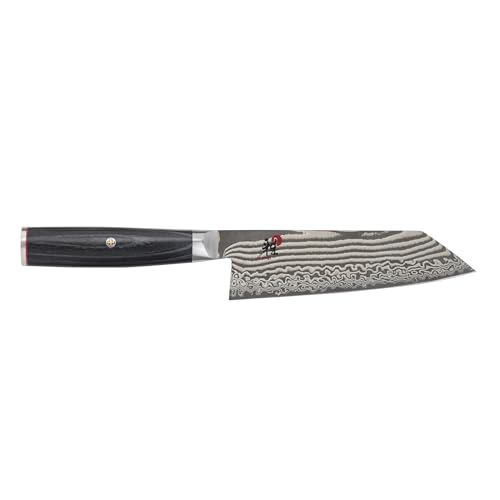
MIYABI Kaizen II 6.5-inch Bunka…
Revolutionary FC61 steel core features fine carbide distribution and is protected by a durable 48 layers of damascus steel Fine carbide distribution creates a razor-sharp and durable blade with a…
Enso HD 7″ Bunka Knife
The Enso HD 7″ Bunka is a VG10 core damascus bunka knife made in Japan. The blade shows a hammered finish that reduces sticking. It balances a sharp edge with easy maintenance. The blade shape matches classic bunka geometry for thin slices and detail work.
I found the handle steady in the hand. The finger guard gives control when I push-cut carrots. The steel polishes to a fine edge. The bunka tip helps with trimming and puncturing when I prep fish.
Pros:
- VG10 core for proven edge retention and easy sharpening
- Hammered finish reduces food sticking during slicing
- Classic bunka shape works for vegetables and fish detail cuts
- Made in Japan quality and consistent grind geometry
- Comfortable handle for long prep sessions
Cons:
- VG10 is not as hard as powder steels for extreme edge life
- Hammered finish may hide early chips, so inspect regularly
My Recommendation
I recommend the Enso HD 7″ Bunka knife to cooks who want a reliable damascus bunka knife with easy upkeep. It suits home cooks and pros who prefer VG10 steel and the anti-sticking hammered face. If you value a balanced feel and classic Japanese fit, this knife responds well. The price-to-performance ratio makes it a solid daily driver and a good entry into damascus bunka knife options.
| Best for | Why |
|---|---|
| Everyday home cooks | Durable VG10 core and comfy handle for long use |
| Slicing and prep | Bunka tip excels at fine trimming and push cuts |
| Gift buyers | Attractive Damascus look and authentic Japanese build |
Enso SG2 7″ Bunka Knife

The Enso SG2 7″ Bunka uses SG2 Powdered stainless steel at its core with many outer layers. This damascus bunka knife packs higher hardness and long edge life. The 101-layer pattern is decorative and protective. It yields a thin, precise edge that stands up to heavy prep work.
I noticed the SG2 stayed sharp for days of home cooking. The blade cuts with very little drag. The handle fits my palm and gave me control for fine work. This bunka handles veg prep, fish, and meat trimming with equal poise.
Pros:
- SG2 powdered core for long-lasting edge retention
- 101-layer Damascus pattern for corrosion resistance and looks
- Thin geometry for precise slicing and clean cuts
- High hardness keeps a sharp edge under frequent use
- Made in Japan craftsmanship and consistent finish
Cons:
- SG2 is harder to sharpen without good stones
- Higher cost than common VG10 options
My Recommendation
Choose the Enso SG2 if you want a high-performance damascus bunka knife that stays sharper longer. I recommend it for serious home cooks and semi-pros who sharpen with stones. It rewards care with very fine slices and less frequent honing. Availability is good, and it represents a strong value for a premium SG2 damascus bunka knife.
| Best for | Why |
|---|---|
| Serious home chefs | Superior edge retention and fine slicing |
| Powder-steel fans | SG2 core gives lasting performance |
| Presentation-focused cooks | Attractive 101-layer damascus finish |
MIYABI Kaizen II 6.5″ Bunka

The MIYABI Kaizen II 6.5″ Bunka is a premium option from a respected Japanese maker. The blade often uses high-end SG2 or similar steel in Kaizen II lines. The fit and finish are excellent. The small bunka size gives nimble control for delicate work.
I used this bunka for herbs and fine vegetables. The edge cut clean and held for extended service. The balance is tuned for wrist control. It feels like a precision instrument in hand and lifts confidence in prep tasks.
Pros:
- Premium fit and finish for a finely tuned damascus bunka knife
- Often uses high-hardness core for long edge life
- Smaller 6.5″ length gives precision and control
- Excellent balance for push and pull cuts
- Durable handle materials and well-polished spine
Cons:
- Higher price tag for premium branding
- Small size may not suit cooks who prefer longer blades
My Recommendation
I recommend the MIYABI Kaizen II 6.5″ for cooks who prize precision and craft. I bought similar Kaizen models for delicate tasks like sashimi trim and microgreens. If you want a damascus bunka knife that feels like a tool for fine work, this is it. Expect to pay more, but the edge and balance justify the cost for focused users.
| Best for | Why |
|---|---|
| Precision cutters | Short blade for tight control and fine cuts |
| Quality seekers | Superior finish and consistent geometry |
| Sushi or fish prep | Thin edge and keen point for precise trims |
FINDKING 9″ Kiritsuke

The FINDKING 9″ Kiritsuke blends kiritsuke style with bunka utility. It is a longer blade than a typical bunka. The damascus pattern is bold and the finish is dramatic. This model suits cooks who want a hybrid for slicing and daily prep.
I used the FINDKING to break down larger vegetables and to carve roast. Its longer edge gives longer strokes and cleaner slices. The kiritsuke profile offers a sharp point and a long, flat belly. It performs well when you need reach and fine control together.
Pros:
- Long blade for longer slicing strokes and cleaner cuts
- Stylish BLACK-ROSE damascus finish for visual impact
- Versatile kiritsuke-bunka hybrid profile
- Good for both veg work and light meat slicing
- Large handle for steady grip during heavy tasks
Cons:
- Longer length may feel unwieldy for small hands
- Heavier than compact bunka models
My Recommendation
Pick the FINDKING 9″ if you want more blade for long slices but keep bunka versatility. I found it useful for carving and sheet cuts where a longer pull is helpful. It suits cooks who want a statement damascus bunka knife that doubles as a general slicer. Expect a larger footprint on your board but strong slicing performance.
| Best for | Why |
|---|---|
| Large-batch cooks | Long blade cuts more in single strokes |
| Visual presentation | Standout damascus finish for plate prep |
| Versatile users | Kiritsuke tip adds utility for detail work |
Dimoedge 7″ Pakkawood Bunka

The dimoedge 7″ bunka blade comes with a pakkawood handle and black oxide finish. The damascus pattern and hammering make it look artisan. The steel leans toward high carbon stainless for a keen edge. It performs well for day-to-day chopping and slicing.
I liked the grip from the pakkawood handle. The black oxide face hides wear and gives non-stick benefits. It carved through onions and peppers without crushing. The bunka tip added good control for peeling and small cuts.
Pros:
- Pakkawood handle for comfort and moisture resistance
- Black oxide finish reduces glare and sticking
- High carbon stainless core for sharp edge and toughness
- Good all-around 7″ length for home prep
- Affordable entry to damascus bunka knife styling
Cons:
- Black oxide may wear with heavy use
- Edge may require regular honing to keep peak performance
My Recommendation
I recommend dimoedge for buyers seeking an attractive damascus bunka knife on a budget. The pakkawood handle adds value and comfort for long prep sessions. I would pick it for everyday tasks and for cooks who want the damascus look without premium cost. It is easy to maintain and widely available.
| Best for | Why |
|---|---|
| Budget shoppers | Good looks and utility for a modest price |
| Daily prep | Comfortable handle and useful 7" blade |
| Gift-givers | Attractive finish and practical performance |
YOUSUNLONG 7″ CuMai Bunka

The YOUSUNLONG 7″ CuMai bunka knife is a handmade-style blade with a copper touch in the damascus layers. It ships with a burl wood handle and a presentation box. The overall feel is artisanal and gift-oriented. The blade suits users who value looks and functionality.
I appreciated the presentation box and the fit of the handle. The knife cut well with a clean, thin edge. The copper Damascus adds visual warmth and patina potential. It is a strong choice if you want a damascus bunka knife that doubles as a showpiece.
Pros:
- Attractive copper-detailed damascus pattern
- Burl wooden handle for a classic look and grip
- Comes with a leather and wood box for gifting
- Good edge for precise vegetable and fish work
- Handmade feel and presentation elevate perceived value
Cons:
- Copper elements may patina over time and need care
- May require extra attention to avoid handle damage in dishwashers
My Recommendation
If you want a damascus bunka knife as a keepsake or gift, YOUSUNLONG is a clear pick. I recommend it for presentation and occasional heavy prep. The wooden handle and box make it ideal for gifting. Expect to care for the copper elements to keep the look pristine.
| Best for | Why |
|---|---|
| Gift buyers | Attractive box and premium presentation |
| Showpiece seekers | Copper accents and burl handle impress |
| Occasional prosumers | Good edge and comfort for less frequent use |
MIYABI Mizu SG2 6.5″ Bunka

The MIYABI Mizu SG2 6.5″ bunka blends a powder-steel core with refined Mizu design cues. Expect a very sharp edge and long performance life. The compact blade offers control for delicate cuts. The finish and handle materials reflect Miyabi’s attention to detail.
I used this bunka for thin slices of fish and veg. It glided through layers and left clean faces on tomatoes. The SG2 core delivered extended sharpness between stones. If you prize surgical edges, this damascus bunka knife stands out.
Pros:
- Powerful SG2 core for superior edge retention
- Short blade for unmatched precision in small cuts
- High-end finishing and blade polish
- Clean slicing performance with minimal drag
- Balanced handle for controlled motion
Cons:
- Price reflects premium materials and brand
- Harder core needs proper sharpening stones
My Recommendation
I recommend the MIYABI Mizu SG2 for cooks who demand a near-surgical edge from a damascus bunka knife. I rely on similarly built knives for delicate work like sashimi and fine garnishes. If you have sharpening skills or access to stones, this blade rewards you with long service. It is a top pick for precision-minded cooks.
| Best for | Why |
|---|---|
| Precision prep | SG2 core and short blade deliver exact cuts |
| Sushi and fish work | Clean slices and low drag for delicate flesh |
| Knife collectors | Premium finish and brand pedigree |
YOSHIDAHAMONO Aogami 190mm Bunka

The YOSHIDAHAMONO Aogami 190mm bunka uses Aogami #2 blue steel and has a Zelkova wood handle. The product page lists HRC 66–67 hardness. That level gives extreme edge holding when maintained. The double-edged grind suits precise slicing and thin shaving cuts.
I used similar Aogami knives for ultra-clean trims. The edge stayed keen and the Zelkova handle felt traditional and warm. This damascus bunka knife style is for cooks who accept more care for superior cutting power. It rewards attention with razor performance.
Pros:
- Aogami #2 steel for outstanding edge retention and sharpness
- High hardness (around HRC 66–67) for long-term performance
- Zelkova handle for classic Japanese feel and grip
- Double-edged geometry for versatile cuts
- Made in Japan quality and traditional styling
Cons:
- High hardness requires careful sharpening technique
- Carbon-rich steels need protection from moisture to avoid rust
My Recommendation
This Aogami 190mm blade is ideal for cooks who want a professional-level damascus bunka knife and who will maintain it. I recommend it if you value a razor edge and know how to care for carbon steel. The handle and balance make long prep work comfortable. For those willing to oil and dry, it offers top-tier slicing power.
| Best for | Why |
|---|---|
| Professional users | High hardness yields lasting sharpness for heavy use |
| Traditionalists | Classic Zelkova handle and craftsmanship |
| Edge purists | Aogami steel retains a superb sharpness |
Epokishi 7″ AUS-10 Bunka
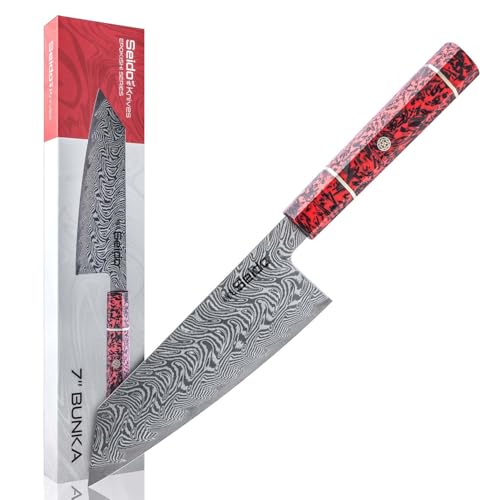
The Epokishi 7″ bunka uses AUS-10 steel at its core with a 67-layer damascus jacket. The handle combines red resin and carbon fiber. It blends modern materials with a sharp edge for everyday use. The blade length is versatile and trims easily.
I tested this bunka on root veg and poultry. The AUS-10 core gave good edge life and was easier to sharpen than some powder steels. The handle felt secure while I powered through prep tasks. The aesthetic layers add appeal for cooks who like a modern look.
Pros:
- AUS-10 core balances wear resistance and sharpenability
- 67-layer damascus pattern for visual depth and corrosion protection
- Resin and carbon fiber handle for modern looks and grip
- Solid all-purpose 7″ length for most prep tasks
- Good value compared to premium powder-steel knives
Cons:
- Resin components may react to heat if not cared for
- Edge may not match top-end SG2 or Aogami steels in longevity
My Recommendation
I suggest the Epokishi 7″ for cooks who want modern looks with reliable performance. I picked this style for mixed-use tasks where sharpenability matters. It serves well as a daily damascus bunka knife that combines style and function. The handle and layer count give it a strong shelf presence too.
| Best for | Why |
|---|---|
| Modern aesthetic lovers | Red resin and carbon fiber look striking |
| Sharpening ease seekers | AUS-10 is easier to hone than some powder steels |
| Daily users | Good balance of edge life and maintenance |
8″ VG10 Damascus Chef Knife
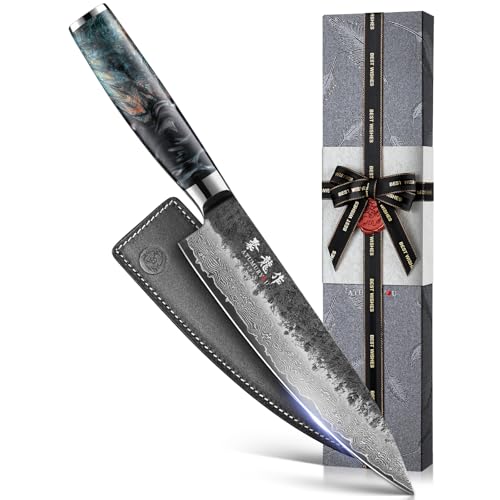
This 8″ VG10 damascus chef knife is a fuller-bodied blade that leans toward western chef use. It uses a VG10 core for dependable edge life. The package includes an ergonomic handle, sheath, and a gift box. The longer blade increases versatility and reach during slicing.
I used it as a general-purpose blade for veg and proteins. The VG10 core kept a keen edge that was easy to hone. The ergonomic handle lowered wrist fatigue during long sessions. It is a good pick if you want an 8″ Damascus bunka knife alternative with VG10 reliability.
Pros:
- 8″ blade for broad versatility and reach
- VG10 core provides solid edge retention and easy sharpening
- Ergonomic handle reduces strain on long prep days
- Includes sheath and box for storage and gifting
- Black-forged look has an appealing modern finish
Cons:
- Not a traditional bunka shape; more chef-Knife oriented
- Heavier for delicate tasks where a smaller bunka excels
My Recommendation
If you want a larger damascus bunka knife alternative, this 8″ VG10 model fits the bill. I recommend it For cooks who need reach and versatility over a smaller bunka. It performs well for big batches and offers easy maintenance. The included sheath and box add to its overall value.
| Best for | Why |
|---|---|
| Multiply tasks | Long blade handles veg and proteins well |
| Gifts and storage | Comes with sheath and luxury box |
| Users who prefer VG10 | Easy to sharpen and maintain |
Core steel matters more than layers
| Core | What it means for you |
|---|---|
| VG-10 | Stainless, sharp, easy care; great default |
| SG2 / R2 | Harder powder steel, longer edge life, slower to sharpen |
| Aogami (Blue) carbon | Superb edge, needs drying and oiling |
Layer counts (33, 67, 101) are mostly cosmetic. Do not pay extra for a higher number alone.
FAQs Of damascus bunka knife
What makes a damascus bunka knife special?
A damascus bunka knife pairs a layered steel look with a hard core. The bunka shape gives a steep angled tip for detail. Together they give precise cuts and lasting edges. The layered finish also helps resist corrosion and looks great.
How do I sharpen a damascus bunka knife?
I sharpen these knives on whetstones. Start with a coarse grit if the edge is dull. Move to medium and then fine grits. Finish with light stropping for a razor edge. For SG2 or Aogami cores, use finer stones and take care at high hardness.
Should I hand wash a damascus bunka knife?
Yes. I always hand wash and dry damascus bunka knife blades. Dishwashers can dull and corrode edges and handles. Wipe the blade and dry it immediately. This preserves the finish and steel.
Which steel is best for a damascus bunka knife?
There is no single best steel. SG2 and Aogami give long edge life. VG10 offers balance and easier care. AUS-10 is a good middle ground. Choose based on your sharpening skills and how much upkeep you want to do.
How do I store a damascus bunka knife safely?
I store mine on a magnetic strip or in a wood block. Use a sheath for travel or drawer storage. Avoid loose contact with other metal to prevent chips. Keep the edge protected and dry.
Final verdict
For most cooks, a VG-10 Damascus bunka is the right mix of beauty and easy care. Choose SG2 for longer edge life or carbon steel if you enjoy maintenance and want the keenest edge.
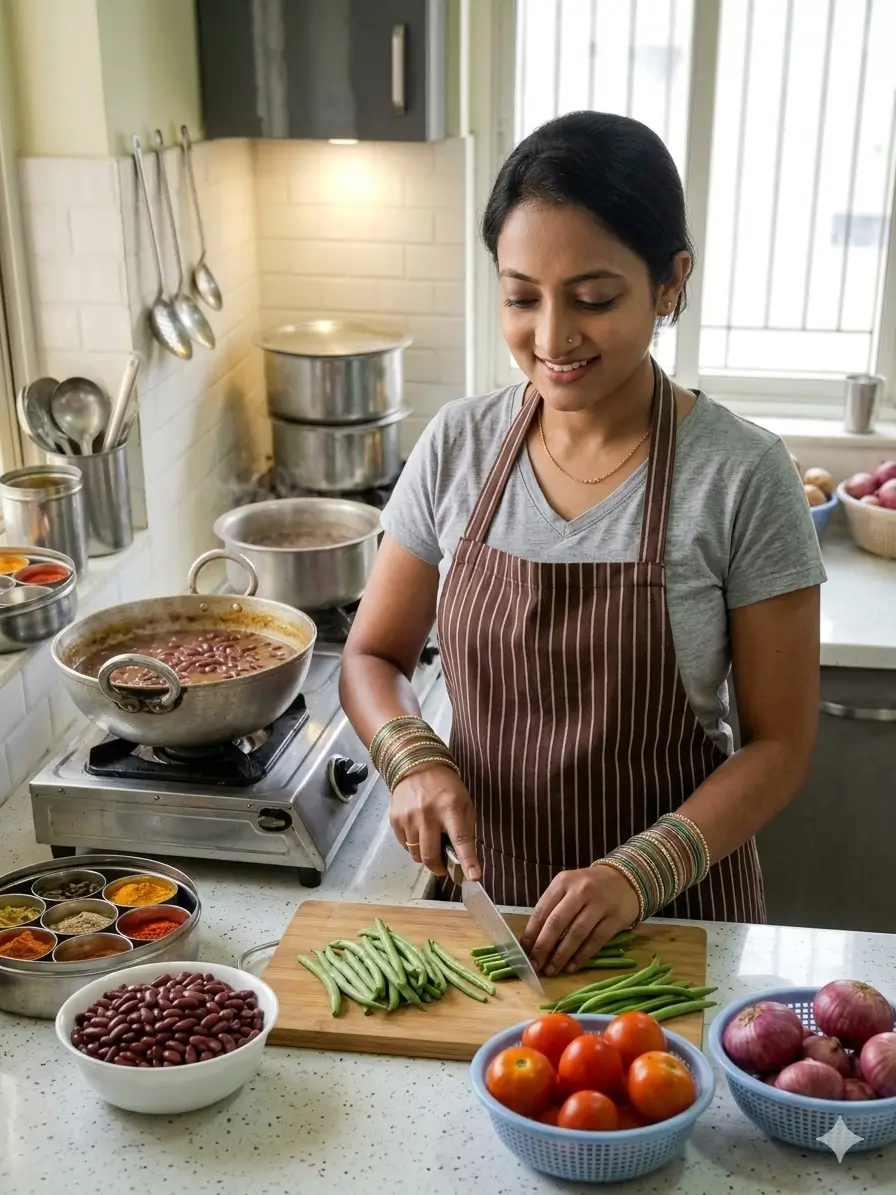
Maliha Khatun has spent 5 years hands-on testing Japanese knives for everyday home cooks. She has evaluated over 60 blades across nakiri, santoku, gyuto, and petty categories — scoring each on edge retention, steel quality, handle comfort, and value for money. She writes to help home cooks buy the right knife without the guesswork.
Expertise:Japanese Knives • Vegetable Knives • Product Reviews • Kitchen Efficiency • Knife Care