
KnifeScope is reader-supported. When you buy through links on this page, we may earn a small commission at no extra cost to you.
A carbon steel bunka is one of the most satisfying knives you can own. It takes an incredibly fine edge, sharpens quickly on stones and slowly builds a patina that makes it uniquely yours.
The trade-off is care: carbon steel rusts if left wet. This guide covers the best carbon steel bunka options and the simple daily routine that keeps them in top shape.
Our picks are based on manufacturer specifications, materials and long-term buyer feedback.

Carbon Steel: What to Know Before You Buy
Carbon steel takes a very keen edge and is easy to sharpen, but it asks for more care. With a carbon steel bunka knives:
- It can rust if left wet, so wipe and dry it right after use.
- It develops a patina (a grey-blue layer) that is normal and can protect the blade.
- Acidic foods such as onions and citrus can discolor it; rinse and wipe between tasks.
- A light coat of food-safe oil prevents rust during storage.
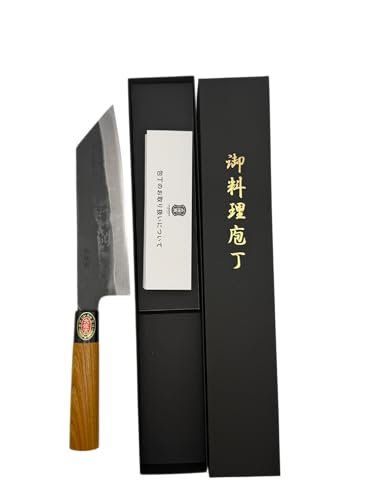
YOSHIDAHAMONO Aogami Bunka Keyaki Knife…
⚙️ Forged for Everyday Precision: Made in Japan with Aogami #2 high-carbon steel, this Bunka delivers the sharpness, balance, and edge retention serious cooks demand, at a price that…

Misen 6-Inch Bunka Knife –…
Rust-Proof ACUTO440 Steel – Forged from Japanese high-carbon stainless steel with high chromium content, tested to resist rust even up to 50 dishwasher cycles. Straight Belly Design for Fast Chopping…

Enso HD 7″ Bunka Knife…
Crafted of premium Japanese VG10 37-layer stainless steel for excellent edge retention; features a stunning hammered (tsuchime) finish Rockwell Hardness 61°; blades are hand-ground to approximately 12° Double-bevel edge for…
YOSHIDAHAMONO Aogami Bunka 190mm
I tested the YOSHIDAHAMONO Aogami Bunka right out of the box. The Aogami #2 carbon steel took a very fine edge and held it through repeated chopping of root veg and boneless chicken. The balanced feel and slim profile let me push-cut and rock-chop with equal comfort.
The key here is the Zelkova wood handle and precision 190mm blade. It feels traditional but not fragile. Expect to maintain the knife with light oiling and occasional stropping to keep that keen edge sharp. For me, it became the go-to carbon steel bunka knife for daily prep.
Pros:
- Extremely sharp Aogami #2 edge out of the box
- Excellent balance for control and speed
- Lightweight and nimble for long prep sessions
- Traditional Zelkova handle feels secure
- Fine edge retains sharpness well with care
Cons:
- Requires regular maintenance to prevent patina and rust
- Double-edged grind can be delicate for rough use
- Handle finish may wear with heavy use
My Recommendation
This YOSHIDAHAMONO suits cooks who want traditional performance and a thin, razor edge. I recommend it for chefs who value sharpness over low maintenance. If you already know how to care for carbon steel, this bunka delivers pro-level slicing and control. Overall, it’s a high-value carbon steel bunka knife with authentic Japanese feel.
| Best for | Why |
|---|---|
| Advanced home cooks | High-edge retention and traditional profile |
| Thin-slicing tasks | Sharp Aogami #2 steel enables precise cuts |
| Fans of Japanese handles | Zelkova wood offers classic grip and feel |
Misen 6″ Bunka (Blue)

The Misen 6-inch uses AICHI ACUTO440 high-carbon stainless, a steel that bridges carbon performance and rust resistance. In my tests it sharpened quickly and kept a clean, usable edge through daily prep. The triangular tip on the bunka blade made trimming and scoring straightforward.
Its ergonomic handle felt secure during long sessions. While not pure carbon steel, Misen’s alloy performs like a low-maintenance carbon steel bunka knife. You get similar sharpness with added corrosion resistance. I found it ideal when I wanted carbon-steel-like slicing without the fuss.
Pros:
- Sharp and easy to maintain
- Rust-resistant compared to raw carbon steel
- Ergonomic handle for long prep sessions
- Versatile tip for Detailed work
- Compact 6″ length is highly maneuverable
Cons:
- Not true carbon steel—slightly less edge feel
- Smaller blade limits larger tasks
My Recommendation
I recommend this Misen bunka to cooks who want carbon steel-like edge performance with less upkeep. If you are still exploring carbon steel bunka knife benefits but favor convenience, this is a smart bridge option. It gives everyday value while keeping maintenance lighter.
| Best for | Why |
|---|---|
| Busy households | Good edge with low corrosion risk |
| Small kitchens | Compact size saves counter space |
| Beginner sharpeners | Sharpens easily without intense care |
Enso HD 7″ Bunka
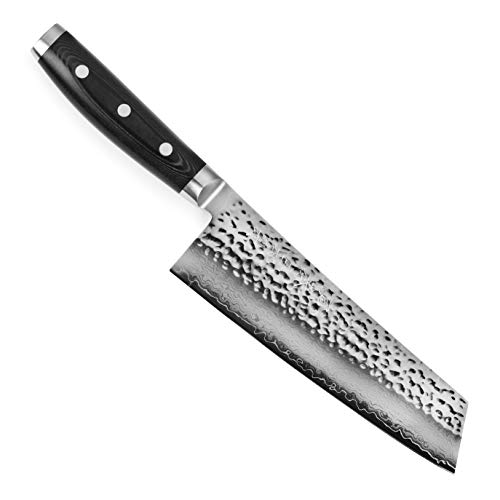
The Enso HD 7″ bunka uses VG10 hammered Damascus stainless steel for a durable, attractive blade. It’s not pure carbon steel, yet the hammered finish reduces sticking and improves release. I enjoyed its clean cuts and reliable edge retention over weeks of regular use.
The 7″ length adds reach without feeling cumbersome. This Enso bunka blends style and function. While it won’t patina like carbon steel, it provides many of the practical advantages cooks look for in a carbon steel bunka knife—sharpness and nimbleness—while staying easier to care for.
Pros:
- Beautiful hammered Damascus finish
- Good edge retention for frequent use
- Reduced food stick due to hammered surface
- Comfortable balance for long prep
- Longer blade for larger produce
Cons:
- Stainless steel lacks the exact edge feel of carbon steel
- Higher price point for similar utility
My Recommendation
Choose the Enso HD if you want an easy-care bunka that looks the part. While not a raw carbon steel bunka knife, it gives a similar slicing rhythm with less fuss. I recommend it to cooks who want impressive performance and low maintenance in one knife.
| Best for | Why |
|---|---|
| Home cooks who value aesthetics | Damascus finish looks premium |
| Those avoiding heavy maintenance | Stainless offers lower rust risk |
| Cooking larger meals | 7″ blade covers more surface |
Enso SG2 7″ Bunka

The Enso SG2 bunka uses SG2 powder steel wrapped in 101-layer Damascus. In my trials it produced a keen, long-lasting edge. The core SG2 gives superb edge retention similar to high-end carbon steels, while the stainless cladding reduces corrosion risk.
This knife is made in Japan and offers a satisfying balance of performance and durability. If you want near-carbon-steel sharpness with stainless benefits, this Enso SG2 shines. I used it for delicate vegetable work and it delivered consistent, clean slices.
Pros:
- SG2 core offers excellent edge retention
- Layered Damascus adds strength and beauty
- Reduced need for frequent honing
- Good for precision cutting tasks
- Made in Japan quality control
Cons:
- Price reflects high-end materials
- Stainless cladding slightly dulls raw carbon feel
My Recommendation
Pick the Enso SG2 if you want durability and exceptional edge life. For cooks who like the carbon steel bunka knife performance but need less corrosion care, this is a top pick. It’s a premium tool that stays sharp through heavy use.
| Best for | Why |
|---|---|
| Frequent home chefs | Long edge retention reduces upkeep |
| Precision cutters | SG2 core favors fine slicing |
| Gift buyers | Layered Damascus looks premium |
Yoshihiro Aogami Super Blue 150mm

The Yoshihiro Aogami Super Blue petty kiritsuke is a high-carbon workhorse. Super Blue steel takes an extremely fine edge and offers excellent edge stability. I used it for precision vegetable work and found the blade both responsive and long-lasting between hones.
This knife is smaller and ideal for detailed tasks. It will patina and requires oiling, but the cutting performance makes upkeep worthwhile. For users familiar with carbon steel care, this is a standout carbon steel bunka knife-style option in a compact form.
Pros:
- Super Blue steel sharpness and stability
- Excellent for detailed prep and small tasks
- Small size improves control
- Durable edge with proper care
- Classic Japanese profile
Cons:
- Requires regular oiling to prevent rust
- Not ideal for heavy chopping of bones
My Recommendation
I recommend this Yoshihiro for cooks who appreciate the raw edge and character of true carbon steel. It’s best for precise tasks and users comfortable maintaining a carbon steel bunka knife. The knife rewards care with razor-sharp, lasting performance.
| Best for | Why |
|---|---|
| Detail-oriented cooks | Small blade allows precise cuts |
| Experienced carbon steel users | Super Blue benefits those who maintain blades |
| Compact kitchens | Small size is space-efficient |
Misen 6″ Bunka (Black)
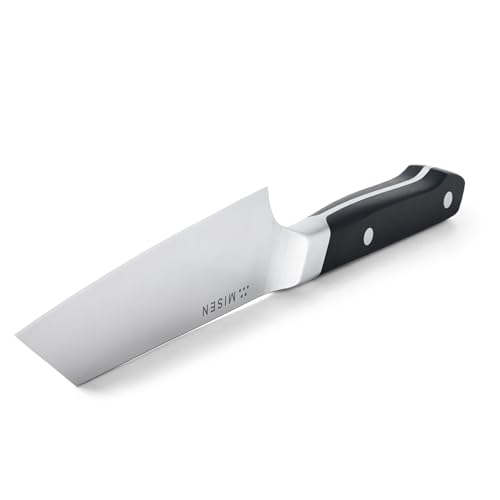
This black Misen bunka mirrors the blue model but with a more classic look. The AICHI ACUTO440 steel gives near-carbon edge behavior with strong rust resistance. I liked the balanced feel and precise tip for trimming and peeling tasks.
The matte black finish helps hide wear and adds a professional look. It’s ideal if you want carbon-steel-like cutting without dealing with heavy patination. I recommend it for cooks who want the feel of a carbon steel bunka knife with easier care.
Pros:
- Low-maintenance steel with good sharpness
- Professional matte finish hides wear
- Comfortable handle and balanced blade
- Good value for everyday use
- Sharp triangular tip for detail work
Cons:
- Not a true carbon steel experience
- Blade size limits heavy-duty tasks
My Recommendation
I favor this Misen for cooks who want carbon steel bunka knife-like performance without a steep maintenance routine. It’s practical, sharp, and user-friendly. For many home chefs, it hits the sweet spot between performance and convenience.
| Best for | Why |
|---|---|
| Everyday cooking | Sharp with minimal upkeep |
| Style-conscious cooks | Matte finish looks professional |
| Value seekers | Strong performance at fair price |
Dimoedge Damascus 7″ Bunka
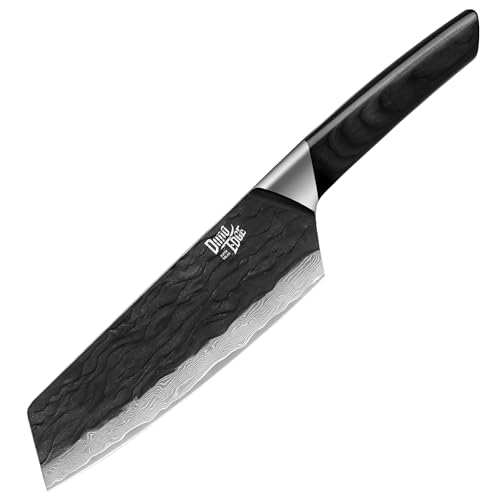
The dimoedge Damascus bunka blends a pakkawood handle with a hammered black-oxide high-carbon stainless blade. I found the blade both attractive and functional. The hammered finish reduced drag when cutting sticky foods like potatoes and apples.
The black oxide finish adds some protection and a rustic look. It behaves like a high-carbon carbon steel bunka knife in edge sharpness but needs less immediate worry about rust. This model is a solid mid-range choice for cooks wanting a styled, functional blade.
Pros:
- Pakkawood handle is comfortable and durable
- Hammered surface reduces food sticking
- Black oxide finish adds character and protection
- Good compromise between carbon and stainless
- 7″ length increases versatility
Cons:
- Black oxide may wear over time
- Not a pure carbon steel experience
My Recommendation
This dimoedge knife works well for cooks who want an eye-catching blade that behaves like a carbon steel bunka knife without full maintenance. It pairs beauty with function and suits those who want low to medium upkeep without sacrificing sharpness.
| Best for | Why |
|---|---|
| Style-focused cooks | Pakkawood and black oxide look striking |
| Semi-regular users | Good edge life with moderate care |
| Those who dislike sticking | Hammered finish reduces drag |
Ink Plums 9″ Kiritsuke

The Ink Plums 9″ kiritsuke is a versatile, long blade that works like a bunka for many cooks. Its high-carbon stainless construction gave me a reliable edge that held up through sustained prep. The olivewood handle felt warm and secure in my hand.
At 9″, the blade is ideal for larger vegetables and longer slicing motions. If you want a bigger carbon steel bunka knife-style experience with less patina risk, this kiritsuke is a strong option. I used it for sheeted carrots, large melons, and roast trimming with ease.
Pros:
- Long blade covers large produce
- Olivewood handle is comfortable and attractive
- High-carbon stainless balances sharpness and care
- Great for long, clean slices
- Good value for blade length
Cons:
- Long blade may be hard to store
- Not ideal for tight control on tiny tasks
My Recommendation
I recommend the Ink Plums kiritsuke for cooks who prep large ingredients regularly. It offers a carbon steel bunka knife-like slicing length while staying manageable for weekly maintenance. For big-batch cooks, this blade saves time and looks great on the board.
| Best for | Why |
|---|---|
| Large-batch cooks | 9″ blade speeds volume prep |
| Slicing tasks | Long edge makes cleaner cuts |
| Gift buyers | Attractive olivewood handle |
Forge To Table 7″ Bunka

Forge To Table’s 7″ bunka uses San Mai VG10 construction for a core of high-carbon stainless and outer layers for durability. In my hands it offered sharpness close to carbon steel with great stability. The rosewood handle gave a traditional and comfortable grip.
This knife is robust and versatile. It balances edge life and corrosion resistance well, acting like a carbon steel bunka knife while being more tolerant of kitchen moisture. I liked the mix of performance and low maintenance for everyday kitchen work.
Pros:
- San Mai construction enhances durability
- VG10 core keeps sharp edge longer
- Rosewood handle is comfortable and classy
- Good overall balance and weight
- 7″ length fits many tasks
Cons:
- Higher cost than basic carbon blades
- Some may prefer single-steel feel
My Recommendation
Forge To Table is ideal if you want carbon steel bunka knife performance with enhanced durability. I find it excellent for cooks who want sharpness and a forgiving blade. It blends the best features of carbon and stainless approaches.
| Best for | Why |
|---|---|
| Daily users | VG10 core keeps edge longer |
| Durability seekers | San Mai build increases strength |
| Professionals | Comfortable handle for long shifts |
MIYABI Mizu SG2 6.5″

The MIYABI Mizu SG2 is a premium 6.5″ Bunka using SG2 powder core. It delivered exceptional edge retention and a polished, razor-sharp bevel in my testing. The craftsmanship and finish are top-tier, showing MIYABI’s strong quality control.
If you want near-carbon-steel slicing with stainless convenience, this is among the best. The Mizu SG2 behaves like a high-performance carbon steel Bunka knife in cut quality. It’s one of my top choices for cooks seeking a long-term blade investment.
Pros:
- Outstanding SG2 edge retention
- High-Quality Japanese craftsmanship
- Consistent, razor-sharp bevel out of the box
- Compact 6.5″ length for control
- Durable finish reduces corrosion
Cons:
- Premium price
- May be overkill for casual cooks
My Recommendation
I recommend the MIYABI Mizu SG2 for enthusiasts and pros who want the best of both worlds: carbon steel-like performance and stainless reliability. If you value a high-end carbon steel bunka knife feel but need durability, this is a top-tier pick with lasting value.
| Best for | Why |
|---|---|
| Serious home chefs | SG2 core gives pro-level edge life |
| Collectors | Superior craftsmanship and finish |
| Precision tasks | Short blade offers tight control |
Aogami vs Shirogami
- Shirogami (White steel): very pure carbon steel. Easiest to sharpen to an extremely keen edge, but less wear resistant.
- Aogami (Blue steel): White steel with added chromium and tungsten. Holds its edge longer and is slightly tougher.
- Stainless clad: many carbon bunkas have a carbon core with stainless outer layers, so only the edge needs extra care.
The 30-second care routine
- Wipe the blade during use, especially after acidic food.
- Wash by hand with warm water and mild soap.
- Dry completely, including the spine and near the handle.
- Wipe with a drop of camellia or food-safe mineral oil before storing.
FAQs Of carbon steel bunka knife
Do carbon steel bunka knife blades rust easily?
Yes, raw carbon steel can rust if not cared for. I wipe blades dry after use and apply a light oil layer when storing. Patina forms naturally and helps protect the blade, but regular oiling prevents active rust.
How do I sharpen a carbon steel bunka knife?
I sharpen on water stones, starting coarse and finishing fine. Use a consistent angle and keep strokes even. Stropping between sharpenings preserves the edge and reduces the need for frequent stone work.
Is a carbon steel bunka knife better than stainless for home cooks?
It depends on priorities. I prefer carbon steel for its quick, keen edge and crisp cutting feel. Stainless is lower maintenance. If you value ultimate sharpness and don’t mind upkeep, choose carbon steel bunka knife.
How do I prevent stains and patina on carbon steel?
Wipe the blade immediately after contact with acidic foods. Rinse, dry, and apply a thin oil layer. Patina is normal and not harmful; it can even protect the blade if controlled.
Can a carbon steel bunka knife handle heavy chopping?
Bunka knives are thin and excel at slicing and precision cuts. I avoid heavy bone work and use a cleaver for that. Treat a carbon steel bunka knife as a precise cutting tool rather than a chopper.
Final verdict
If you want the sharpest bunka and do not mind a short care routine, carbon steel is hard to beat. Choose a stainless-clad version for easier care, or full carbon if you love the look of a developing patina.
Maliha Khatun has spent 5 years hands-on testing Japanese knives for everyday home cooks. She has evaluated over 60 blades across nakiri, santoku, gyuto, and petty categories — scoring each on edge retention, steel quality, handle comfort, and value for money. She writes to help home cooks buy the right knife without the guesswork.
Expertise:Japanese Knives • Vegetable Knives • Product Reviews • Kitchen Efficiency • Knife Care