Polish Japanese knives by using fine stones, keeping angles steady, and finishing with gentle stropping.
You want a clean, bright blade that glides through food and resists rust. I have restored and finished many blades, from home gyutos to heirloom yanagibas. In this guide, I will show you how to polish Japanese knives the right way. We will cover tools, methods, finishes, and safe steps that work at home and in a small shop.
What Polishing Really Means For Japanese Knives
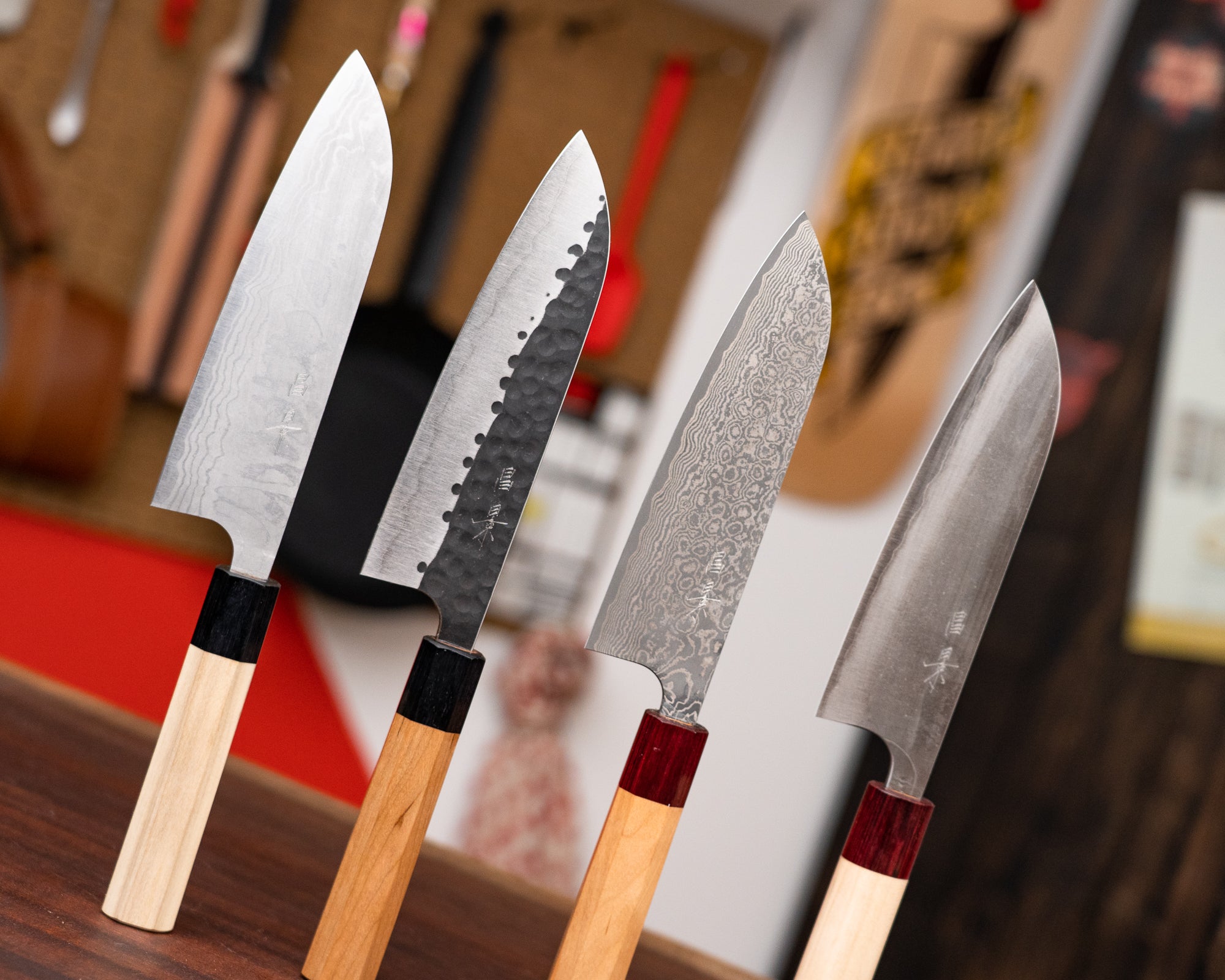
Polishing is not just making it shiny. It is about controlling scratch lines, revealing the steel, and lowering drag in food. On Japanese blades, it can also show the cladding line or hamon and protect the steel from stains.
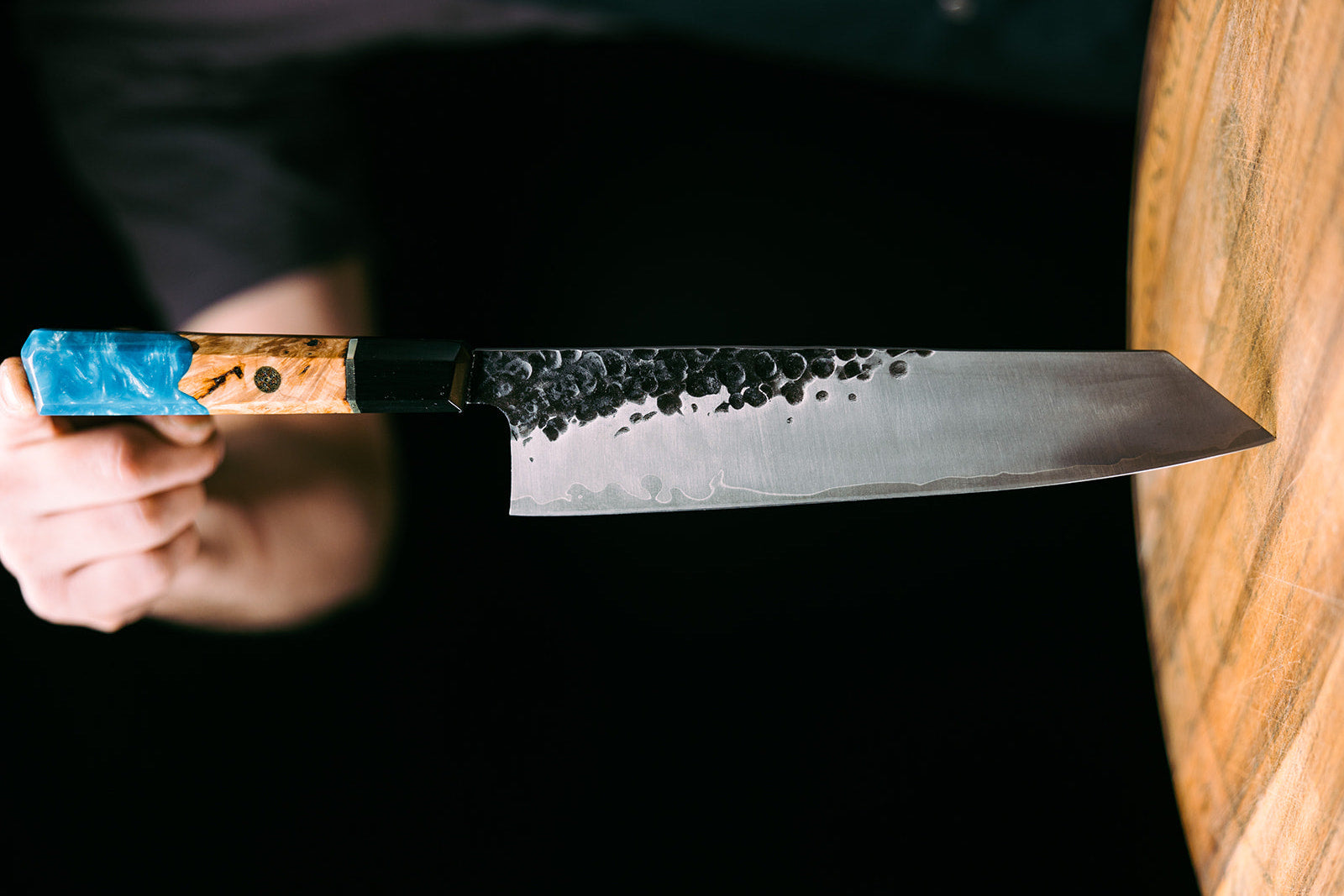
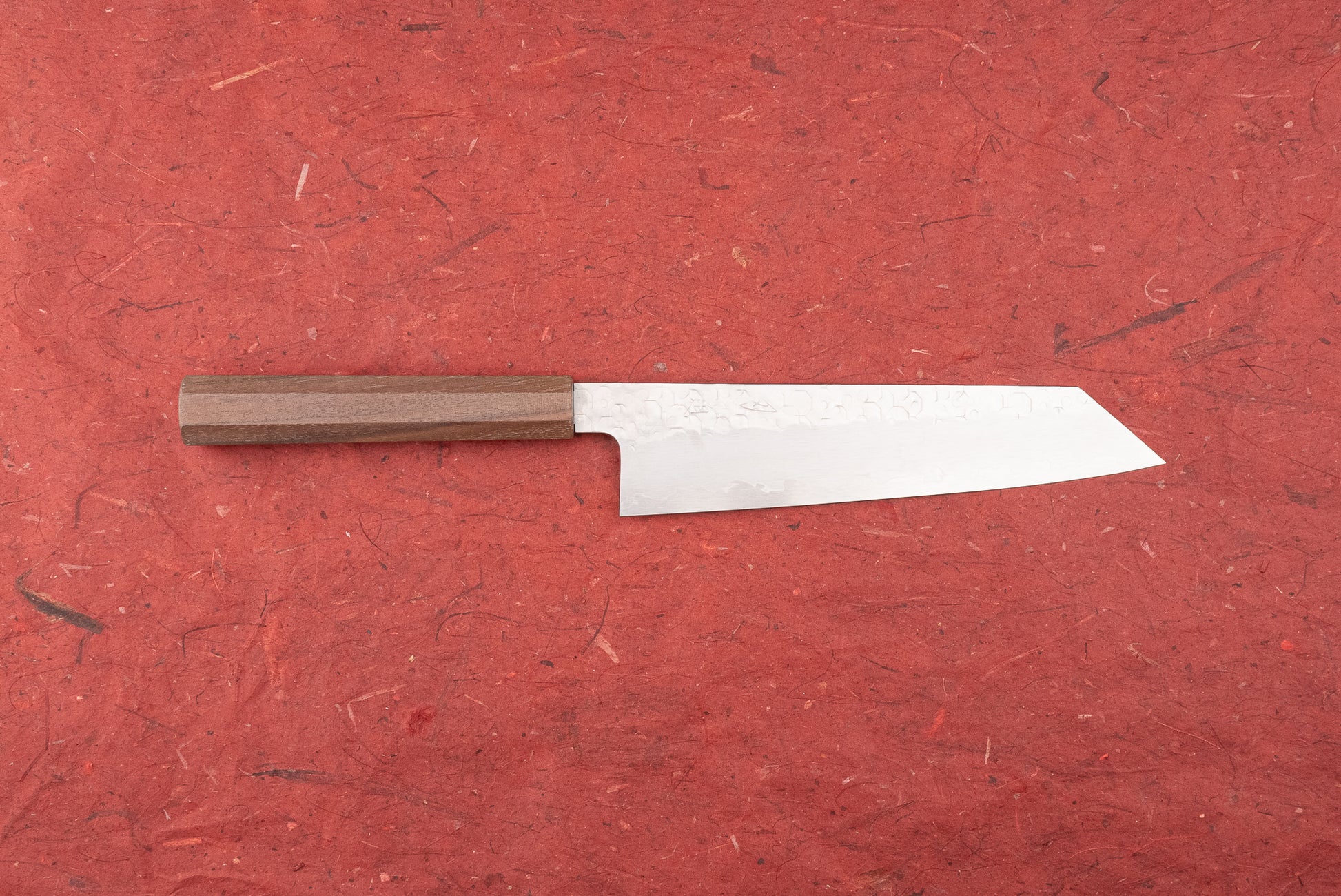
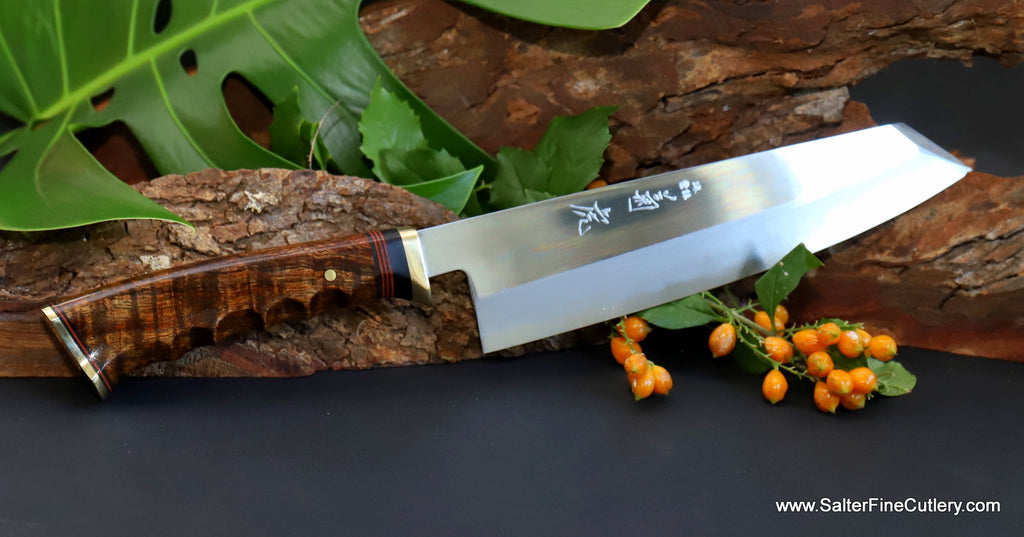
There are different finishes. Kasumi is a soft, cloudy look on clad blades. Migaki is a crisp, bright finish with clear lines. A mirror finish is very bright and reflective. Each choice changes how the knife feels on food.
Sharpening and polishing are linked but not the same. Sharpening shapes and refines the edge. Polishing refines the face and the wide bevels. Learn how to polish Japanese knives to boost performance and beauty at the same time.
Source: thejapanesefoodlab.com
Tools And Materials You Need
You do not need a full workshop to learn how to polish Japanese knives. Start simple and add tools as you grow. My base kit is below.
- Water stones from 800 to 3000 grit for general polish progression
- Optional finer stones at 4000 to 8000 for higher gloss control
- A coarse stone or sandpaper at 400 to 600 to reset scratches when needed
- Finger stones or small synthetic nagura to create a soft kasumi look
- Leather or balsa strop with 1 to 3 micron compound for the final touch
- Painters tape to mask the spine, choil, and logo
- A sharpie marker to track contact and angles
- A lapping plate or 320 grit wet dry sheet on glass to keep stones flat
- Microfiber towels, a water spray bottle, and a non slip mat
A loupe helps you see scratch depth and burrs. A rust eraser can blend small marks. Keep each abrasive in a bag to avoid grit transfer. This small habit saves hours later.
Source: koiknives.com
Setup, Safety, And Prep
Work on a stable bench with good light. Keep a towel under your stones to catch water. Soak soaker stones for the time the maker suggests. Splash and go stones need only a few drops.
Clean the blade with dish soap and dry it well. Tape the spine and choil so you do not cut your fingers. If the knife has a painted logo, mask it. Mark the bevel with a sharpie to show where you hit.
Always move with care. Use light pressure. Slow is fast here. Knowing how to polish Japanese knives starts with a safe setup that lets you focus.
Source: knifewear.com
Step By Step: How To Polish Japanese Knives
This is a simple flow that works on most clad gyutos and petty knives. Adjust grits and pressure to taste. Think in stages: set, refine, and finish.
- Set the base scratch. Use 600 to 800 grit. Work edge trailing, heel to tip, in long, straight strokes. Keep strokes in one direction along the blade for a clean look.
- Refine the scratch. Move to 1000 to 2000 grit. Keep the same stroke direction and angle. Use light, even pressure, and flood the surface with water to float swarf.
- Shape the kasumi. Use a fine stone or finger stones with a light slurry. Work in short, gentle strokes on the cladding. Avoid the hard core if you want a soft cloudy look.
- Brighten or mirror. If you want shine, step to 3000 to 6000 grit. Make a few light passes. Stop as soon as you see even tone. Too much pressure brings back haze.
- Seal the look. Wipe dry. Make 3 to 5 edge trailing passes on a clean strop with 1 micron compound. This snaps off micro burrs and adds a tiny gleam.
Tips that save time:
- Keep the shinogi or bevel line crisp by staying flat and using the marker as a guide
- Do not chase deep scratches at a high grit, drop back to the grit that made them
- Work wet, clean the stone often, and flatten when you feel it grab or dish
- Avoid powered buffers at home, they round lines fast and can burn steel
For monosteel knives, skip the kasumi step. Run a clean progression to 3000 to 6000 and stop when the face looks even. If you wonder how to polish Japanese knives with Damascus, test on a cheap blade first. Etching is risky at home and can blotch the pattern.
Source: koiknives.com
Edge Polish, Deburring, And Micro Bevels
A clean face is great, but food cuts at the edge. I like a 1000 to 3000 finish for most cooks. It grips tomato skin but still slides in meat.
Deburr with very light edge trailing strokes. Then strop on leather with 1 micron compound. If you want more life and strength, add a micro bevel. One pass per side at a slightly higher angle is enough.
This is part of how to polish Japanese knives that many skip. Do not. A clean, small burr and a tidy micro bevel boost both bite and glide.
Source: knifewear.com
Fixing Scratches, Stains, And Patina
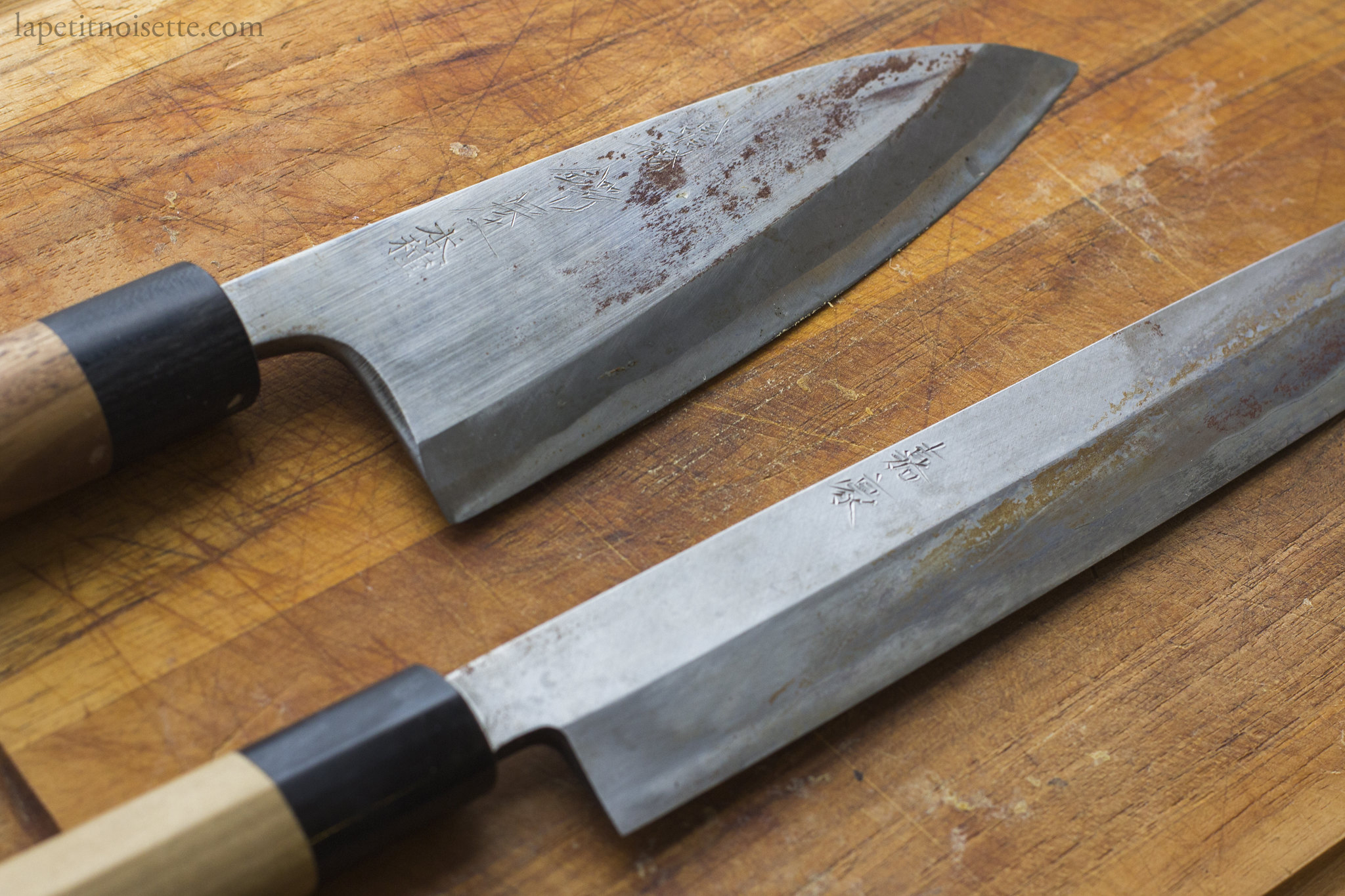
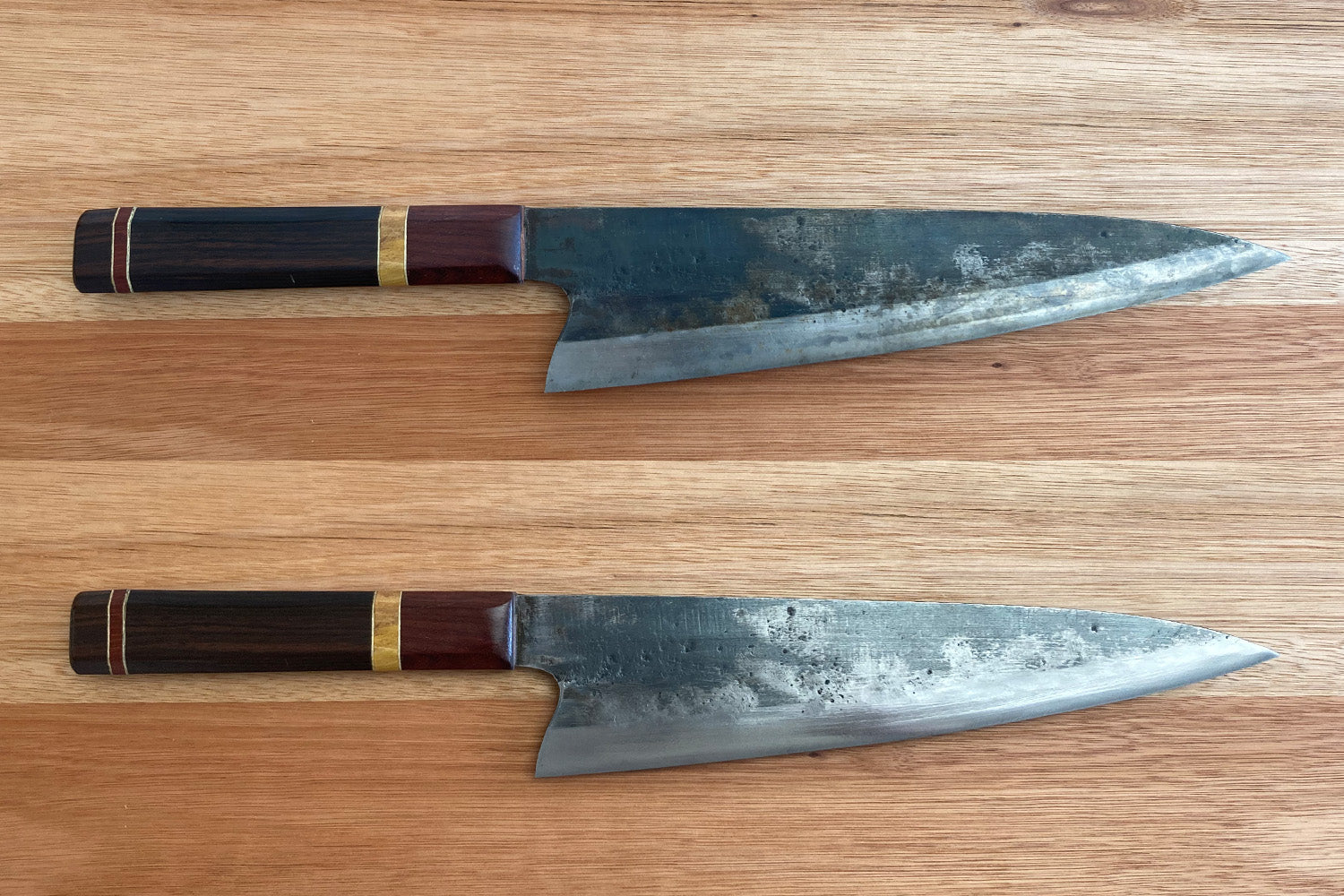
Kitchen life happens. You will see vertical scratches from scrubbing pads or a ring of patina from onions. Do not panic. Blend, do not dig.
- For fresh scratches, drop to the grit that matches or is slightly coarser, then rebuild the finish
- For mild rust, use a rust eraser or baking soda paste, then re polish the area
- For blotchy patina, even it out with a light 2000 to 3000 pass, then dry and oil
Wipe and dry your blade after use. Carbon steels build patina over time. A soft, even patina is a natural shield. As you learn how to polish Japanese knives, you will also learn when to leave a handsome patina in place.
Source: salterfinecutlery.com
Care After Polishing
After you finish, wash with mild soap and warm water. Dry with a soft towel. Add a thin coat of camellia or food safe oil if the knife is carbon steel.
Use a wood or rubber board. Hard boards raise scratches and dull edges. Store on a mag bar or in a saya to avoid drawer rash. A quick strop after each session keeps the face and edge fresh.
Keep your stones flat and clean. Label grits and store them dry. Small habits raise your success rate when you work on how to polish Japanese knives at home.

Source: knifewear.com
Common Mistakes And How To Avoid Them
I have made all the mistakes so you do not have to. These are the big ones I see.
- Rounding lines by pressing too hard or using soft pads near the shinogi
- Chasing one deep scratch at a high grit instead of stepping back to fix it
- Mixing grits on towels and stones, which adds random scratches
- Over polishing near the edge and dulling it
- Using power tools that grab the blade and change the geometry
Stay patient. Use light pressure. Check your work under a loupe. If you are stuck on how to polish Japanese knives at a certain step, reset with a lower grit and rebuild.

Source: carbonknifeco.com
When To DIY And When To Hire A Pro
Wide bevel single bevel knives are hard to do right. Yanagiba, deba, and usuba need flat, even contact and clear lines. If the bevel is wavy or the ura is thin, see a pro.
If the knife is rare or costly, get help. A good pro can do a full kasumi or mirror without losing geometry. Your time is money too. If a job would take you all weekend, a pro might be cheaper.
That said, most home cooks can learn how to polish Japanese knives on common gyutos and petty knives. Start with a budget blade. Practice your stroke until the finish looks even and calm.
Real World Workflow You Can Copy
Here is a fast, repeatable plan I use for most double bevel clad knives. It balances speed and safety.
- Clean and tape the knife, mark the bevel, flatten your 1000 stone
- 1000 grit, edge trailing, long strokes until scratches are even
- 2000 grit, same strokes, lighter pressure, even tone across the face
- Finger stones on cladding for soft kasumi, avoid the core
- 3000 to 5000 grit for a light bright pass if you want more pop
- Deburr on the finishing stone, then strop on 1 micron compound
This simple workflow covers how to polish Japanese knives for most home needs. With practice, it takes 20 to 30 minutes. Stop early rather than overdo it.
Personal Tips From The Bench
I learned three small habits that changed my results fast. They are easy to add to your routine.
- Draw a light pencil grid on your stone and lap until it is gone before each session
- Wipe the blade and your fingers every few minutes to avoid grit transfer
- Use a phone light at a low angle to spot high and low spots in the finish
These little checks will save you from big fixes later. They also build your feel for how to polish Japanese knives with control and care.
Frequently Asked Questions Of How To Polish Japanese Knives
How often should I polish a Japanese knife?
Only when needed. Light touch ups every few months are fine, but full face polishing is rare.
Can I polish a Damascus knife at home?
Yes, but keep it light. Avoid etching unless you have practice, as it can blotch the pattern.
What grit is best for a kasumi finish?
Start around 1000 to 2000 and use finger stones to soften the cladding. Stop when the haze looks even.
Is a mirror finish better for food release?
Not always. Mirror can stick to wet food, while a soft kasumi often slides better.
Do I need natural stones?
No. Good synthetic stones can make clean, even finishes. Natural stones add character but are not required.
Can I use metal polish paste?
Use with care. Many pastes round lines fast and can scratch if they carry grit.
Will polishing change the heat treat?
Hand polishing will not. Avoid power buffers and heat buildup to protect the temper.
Conclusion
Polishing is about control, not force. Choose a simple grit path, keep your strokes steady, and stop as soon as the finish looks even. When you know how to polish Japanese knives with light pressure and clean tools, the blade will cut smoother and stay bright longer.
Start on a low cost knife, follow the steps, and track your results. If this guide helped, share it with a friend, subscribe for more how to polish Japanese knives tips, or leave a question and I will help you dial in your finish.
Maliha Khatun has spent 5 years hands-on testing Japanese knives for everyday home cooks. She has evaluated over 60 blades across nakiri, santoku, gyuto, and petty categories — scoring each on edge retention, steel quality, handle comfort, and value for money. She writes to help home cooks buy the right knife without the guesswork.
Expertise:Japanese Knives • Vegetable Knives • Product Reviews • Kitchen Efficiency • Knife Care
Leave a Reply