Apply a thin coat of food safe oil after drying to prevent rust and stains.
If you love the bite of a sharp gyuto or the precision of a petty, this japanese knife oiling guide will keep your blades in peak shape. I’ve spent years sharpening, restoring, and caring for carbon and stainless Japanese knives in both home and pro kitchens. In this guide, I’ll show you proven, simple steps to oil your blade right, avoid rust, and make your knife last for decades.
Why Oiling Matters For Japanese Knives
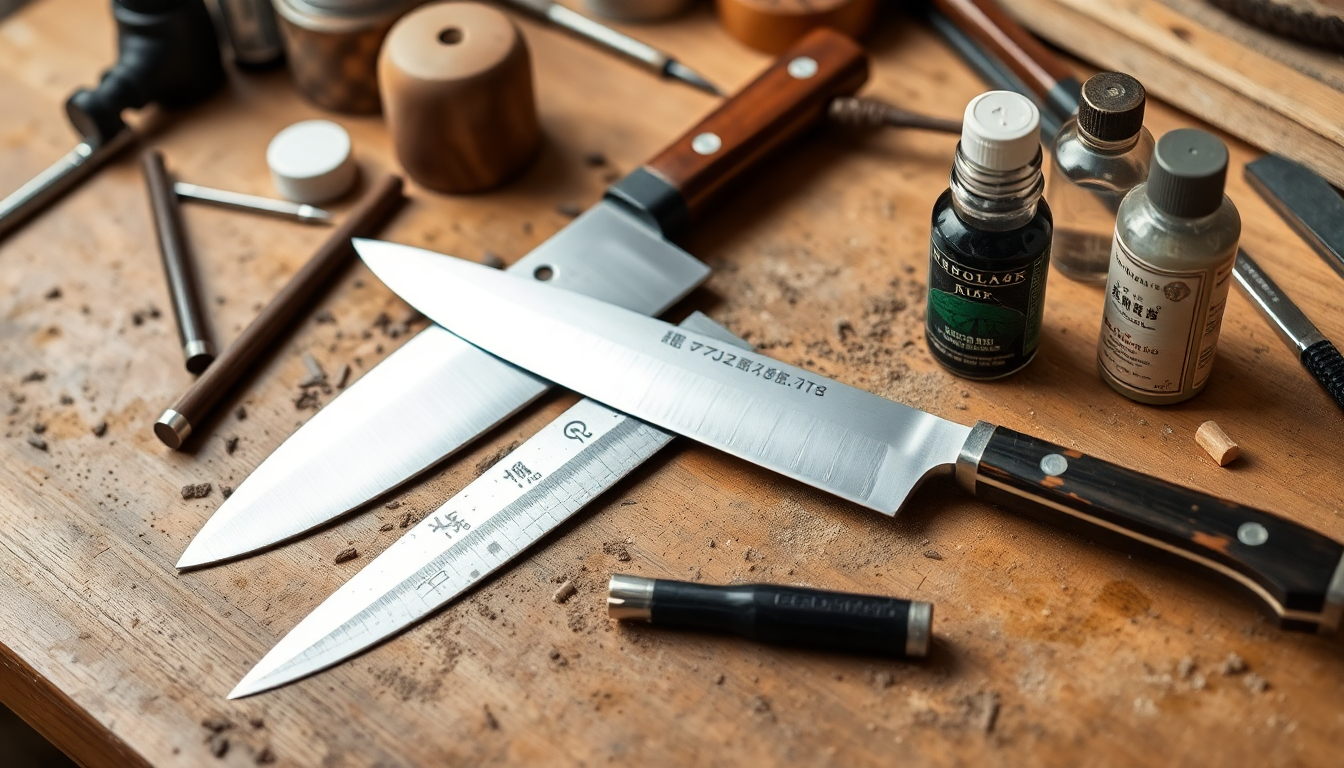
Japanese knives use high-carbon and hard stainless steels that slice like lasers. That fine edge is also more reactive. Moisture, salt, and acid can cause rust fast, especially on White and Blue steel. A thin film of oil blocks oxygen and water. It is like a raincoat for your blade.
Oiling supports a stable patina on carbon steel. It helps keep the line between patina and rust clear. It also slows micro-corrosion at the edge. This means better sharpness hold, fewer chips, and less time on the stones.
From my bench time, the knives that get a daily wipe of oil look new years later. The ones that do not get oil develop pits near the heel and spine. Those pits are hard to remove without losing metal.
Key benefits of this japanese knife oiling guide:
- Slows rust and staining on carbon and semi-stainless steels.
- Reduces micro-corrosion at the edge for better retention.
- Keeps kurouchi finishes from drying out and flaking.
- Protects during storage, travel, and humid seasons.
Source: japan-knifeshop.com
Choosing The Right Oil For Your Knife
You want oil that is food-safe, stable, and non-gumming. Some oils oxidize and turn sticky. Others have additives that are not food-safe. This japanese knife oiling guide favors oils that pros use for cutting tools and boards.
Best options
- Camellia (tsubaki) oil. Traditional in Japan. Light, food-safe, does not gum. Great daily oil.
- Food-grade mineral oil. Inert and cheap. Stable in heat and humidity. My default shop oil.
- Fractionated coconut (MCT) oil. Food-safe, stable, low odor. Good alternative if you avoid mineral oil.
Use with care
- Board creams with wax. Nice for long-term storage, but wipe off before use. Wax can feel tacky.
- Silicone-based sprays. Protective, but not for food-contact surfaces.
Avoid
- Olive, canola, or other cooking oils. They go rancid and gum up. They also trap grit.
- WD-40 or 3-in-1 oil. Not food-safe. Can affect taste and health.
Tip from the bench: if you live near the coast or in a humid zone, camellia or mineral oil works best. They stay thin and clean. That is why this japanese knife oiling guide leans on them.

Source: musashihamono.com
Step-By-Step Japanese Knife Oiling Guide
This is the core of the japanese knife oiling guide. Keep it simple. Do it the same way each time.
You’ll need
- Clean towel or paper towels.
- Food-safe oil (camellia or mineral oil).
- Soft microfiber cloth.
- Optional: isopropyl alcohol for deep clean, cotton swab for tight spots.
Before you start
- Wash the blade with mild soap. Rinse well. Dry fully.
- Let the blade air-dry for 2 minutes to clear hidden moisture.
- If you see water near the handle or ferrule, wick it out with a corner of towel.
Steps
- Put 2–3 drops of oil on a microfiber cloth. Less is more.
- Lay the knife flat on a towel. Keep fingers off the edge.
- Wipe the first side from spine to edge, heel to tip, in smooth strokes.
- Repeat on the second side. Cover the heel, choil, and spine.
- If the tang or machi is exposed, use a cotton swab with a tiny oil drop.
- Buff with a clean corner of the cloth. The blade should look dry, not wet.
- Store in a dry place. Use a saya or edge guard if you have one.
Before food prep, wipe the blade with a dry towel. If you applied a heavy coat for storage, wash and dry first.
Pro notes from this japanese knife oiling guide:
- After cutting citrus, tomatoes, or onions, rinse, dry, and oil right away.
- After sharpening, remove all swarf, then oil to seal the fresh steel.
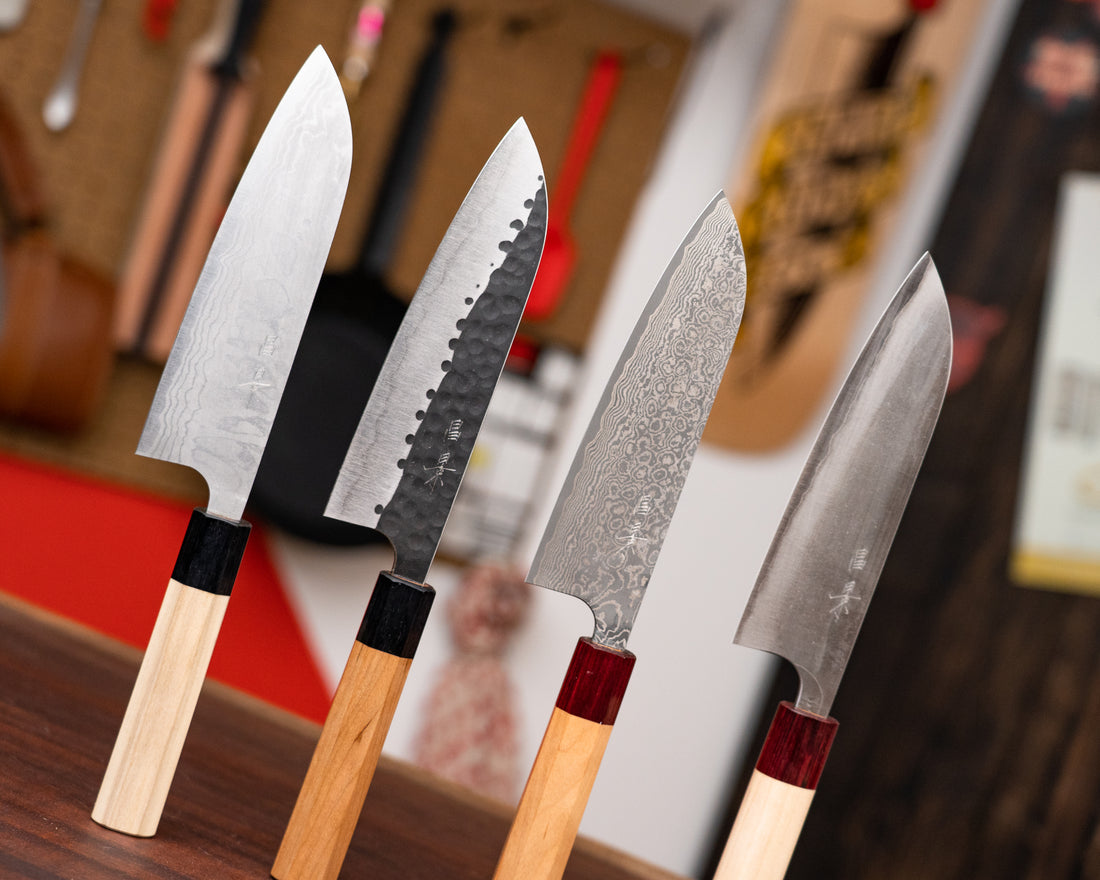
- For kurouchi finishes, one drop spread thin helps keep the look even.
Source: knifewear.com
Oiling Schedules By Steel, Climate, And Use
Your steel, kitchen rhythm, and climate set your oil plan. This japanese knife oiling guide keeps it practical.
Carbon steel (White, Blue, Super Blue)
- Home kitchen, dry climate: Light oil after each day of use.
- Home kitchen, humid climate: Light oil after each session and before storage.
- Pro kitchen: Rinse, dry, and oil during breaks and at close.
- After acidic foods: Rinse, dry, oil at once.
Stainless and semi-stainless (VG-10, AUS-10, SG2/R2, Ginsan)
- Home kitchen: Oil after washing if you will store more than a day.
- Humid climate or near the coast: Oil at the end of each day.
- Pro kitchen: Oil at close or before days off.
Long-term storage (weeks or more)
- Clean, dry, then apply a slightly heavier coat or a board cream.
- Wrap in paper or keep in a saya with a silica gel pack nearby.
- Check monthly. Wipe and refresh oil.
Travel or catering
- Wipe on a thin coat. Use a tight edge guard or saya.
- Keep a small oil bottle and cloth in your kit.

Source: zahocho.com
Handle Care For Wa-Handles And Yo-Handles
Your blade is safe, but do not forget the handle. This adds to the japanese knife oiling guide because dry wood can crack and swell.
Wa-handles (octagonal or D-shaped wood)
- Wipe dry after each use. Avoid soaking or standing water.
- Every few months, rub a tiny amount of board cream or tung/linseed blend. Wipe off the excess.
- Keep oil off the horn ferrule if present. It can soften over time.
Yo-handles (western style)
- Most are sealed. Just dry well and avoid dishwashers.
- If the wood looks dry, a small touch of board cream helps.
- Check rivets and bolster for trapped moisture. Dry, then a tiny oil wipe at the joint.
Never leave a damp knife in a leather sheath. Leather traps moisture and salts. That defeats the whole point of this japanese knife oiling guide.
Source: knifewear.com
Storage, Travel, And Long-Term Protection
Smart storage multiplies the effect of oil. Think airflow and dryness. This japanese knife oiling guide keeps storage simple.
Good storage habits
- Use a wooden saya or quality blade guard. Keep the inside clean.
- Store on a magnetic strip with standoffs to avoid wall moisture.
- Add silica gel packs in drawers or tool rolls to cut humidity.
For long breaks
- Apply a thin, even coat of oil or board cream. Buff off excess.
- Wrap in clean paper. Avoid plastic wrap that can trap moisture.
- For very humid zones, add VCI paper in the drawer or roll.
On the road
- Oil, then guard the blade. Keep a small cloth and oil bottle.
- Avoid leaving knives in hot cars. Heat shifts moisture and invites rust.

Source: zahocho.com
Troubleshooting: Spotting, Patina, And Rust Removal
Even with a careful japanese knife oiling guide, spots can show up. Do not panic. Fix it fast and move on.
Know the difference
- Patina: Blue, gray, or rainbow tint. It is normal and can protect.
- Rust: Orange or rough red-brown. It is active and must go.
Quick fixes
- For light rust: Make a paste of baking soda and water. Rub gently with a cork or soft cloth. Rinse, dry, oil.
- For stubborn rust: Use a fine rust eraser or powdered cleaner with oxalic acid. Go gentle, follow the grain. Rinse, dry, oil.
- For kurouchi: Avoid harsh scrubs. Use oil and a soft cloth first.
If pits form, sharpening may be needed to chase them out. Work the bevel evenly. Clean, dry, and oil per this japanese knife oiling guide after.

Source: musashihamono.com
Common Mistakes To Avoid
This japanese knife oiling guide would not be complete without the classic pitfalls.
Watch out for
- Over-oiling. A greasy blade attracts dust and grit. Use a thin film.
- Using cooking oils. They go rancid and glue debris to the steel.
- Skipping the spine, heel, and choil. Rust loves corners and seams.
- Storing damp. Dry first, then oil, then store.
- Leather sheaths for long storage. They trap salts and moisture.
- Forgetting to wipe before food prep. A quick dry wipe keeps flavors clean.
My Field Notes From The Sharpening Bench
I have restored many carbon blades with orange rust under the heel. In every case, the cooks washed well but skipped oiling. After I cleaned, refinished, and set a new edge, I gave them a tiny bottle and this japanese knife oiling guide. The rust never came back.
I also learned that less oil works best. Two drops, buffed thin, is all you need. Heavy coats look safe but pull lint and moisture. A light film plus smart storage beats a thick smear every time.
In a coastal kitchen, I tested camellia vs mineral oil over two weeks. Both worked. Camellia felt cleaner to the touch. Mineral oil lasted a bit longer on the spine. Use what you like. The habit matters more than the brand.
Frequently Asked Questions
How often should I oil a Japanese knife?
Carbon steel needs a light oil after each use, especially in humid areas. Stainless needs oil when stored for more than a day or two.
Which oil is best for food safety?
Camellia oil and food-grade mineral oil are both food-safe and stable. They will not turn rancid or sticky with normal use.
Do I need to wash the blade after oiling?
For a thin coat, a quick dry wipe is enough before prep. If you used a heavier coat for storage, wash and dry first.
Can I use olive oil or canola oil?
No. Cooking oils can oxidize and gum up on the blade. They also trap debris and can cause smells.
Will oil stop patina from forming?
Oil slows fast reactions but does not block a natural patina. You will still get a stable patina over time with carbon steel.
How do I oil a kurouchi finish?
Use one drop spread thin with a soft cloth. Do not scrub hard or you can wear down the black finish.
What if rust has already started?
Remove it gently with baking soda paste or a fine rust eraser. Rinse, dry, and follow the steps in this japanese knife oiling guide.
Conclusion
A thin, even coat of the right oil is the easiest way to protect your Japanese knife. Clean, dry, oil, and store smart. Follow this japanese knife oiling guide for a week and it will feel second nature.
Start tonight. Wipe your favorite knife, add two drops of oil, and put it to bed right. Want more care tips and sharpening tricks? Subscribe, share your results, or drop your questions in the comments.

Maliha Khatun has spent 5 years hands-on testing Japanese knives for everyday home cooks. She has evaluated over 60 blades across nakiri, santoku, gyuto, and petty categories — scoring each on edge retention, steel quality, handle comfort, and value for money. She writes to help home cooks buy the right knife without the guesswork.
Expertise:Japanese Knives • Vegetable Knives • Product Reviews • Kitchen Efficiency • Knife Care
Leave a Reply