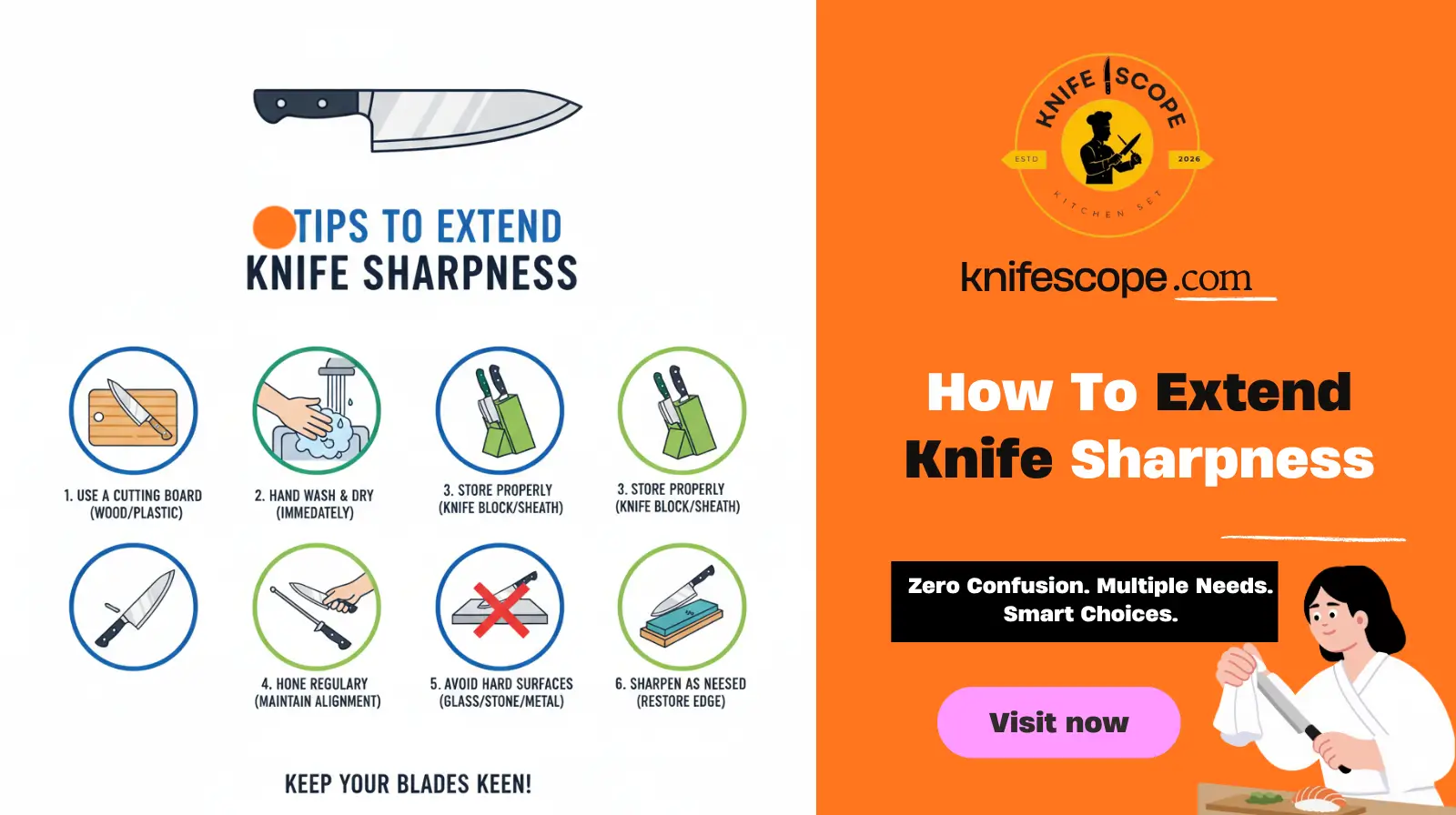
Hone before use, cut on wood, hand wash, dry fast, store safely, sharpen regularly.
If you want to know how to extend knife sharpness, you are in the right place. I have kept pro kitchen knives razor keen through long prep days and busy service. In this guide, I will show you clear steps that work in real life. You will learn what to do daily, what tools to use, and what mistakes to avoid.
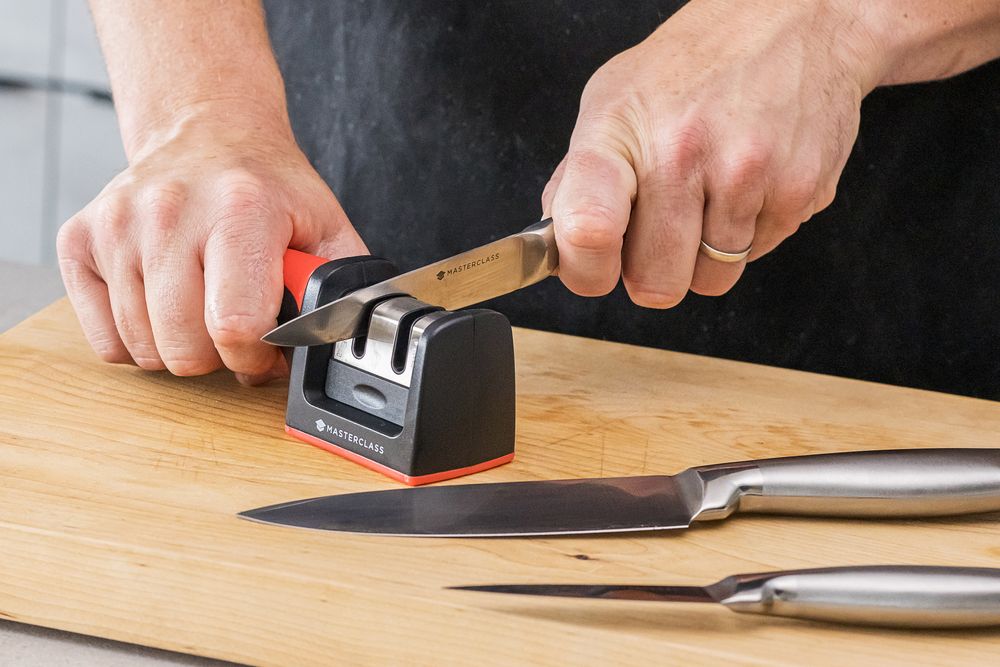
The core principles of edge retention
A knife gets dull in two ways. The thin edge can bend, or tiny bits can break off. Most home dullness comes from bending. That is why honing is so effective.
At the heart of how to extend knife sharpness is control. Control your cutting surface, your angle, your pressure, and your storage. Use the right board, the right touch, and a steady plan.
Keep the edge thin and clean. Remove tiny burrs before they grow. Use light strokes on a ceramic rod. Keep the blade dry. These simple habits stack up fast.

Source: worksharptools.com
Daily habits that keep blades sharp longer
Daily behavior decides how to extend knife sharpness more than any gadget. These habits are easy to add to your routine.
- Hone before prep with a ceramic or smooth steel. Use 5 to 8 light passes per side.
- Cut on end grain wood or quality plastic. Avoid glass, stone, or metal.
- Wipe the blade during prep. Acid and grit chew up the edge.
- Hand wash with mild soap at once. Dry with a towel right away.
- Store in a sheath, wooden block, or magnet with a soft face.
- Use the spine to scoop food off the board. Do not drag the edge.
These simple steps will extend the life of a sharp edge. If you ask how to extend knife sharpness without new tools, start here.
Source: dexteroutdoors.com
Honing vs sharpening: what, when, and how
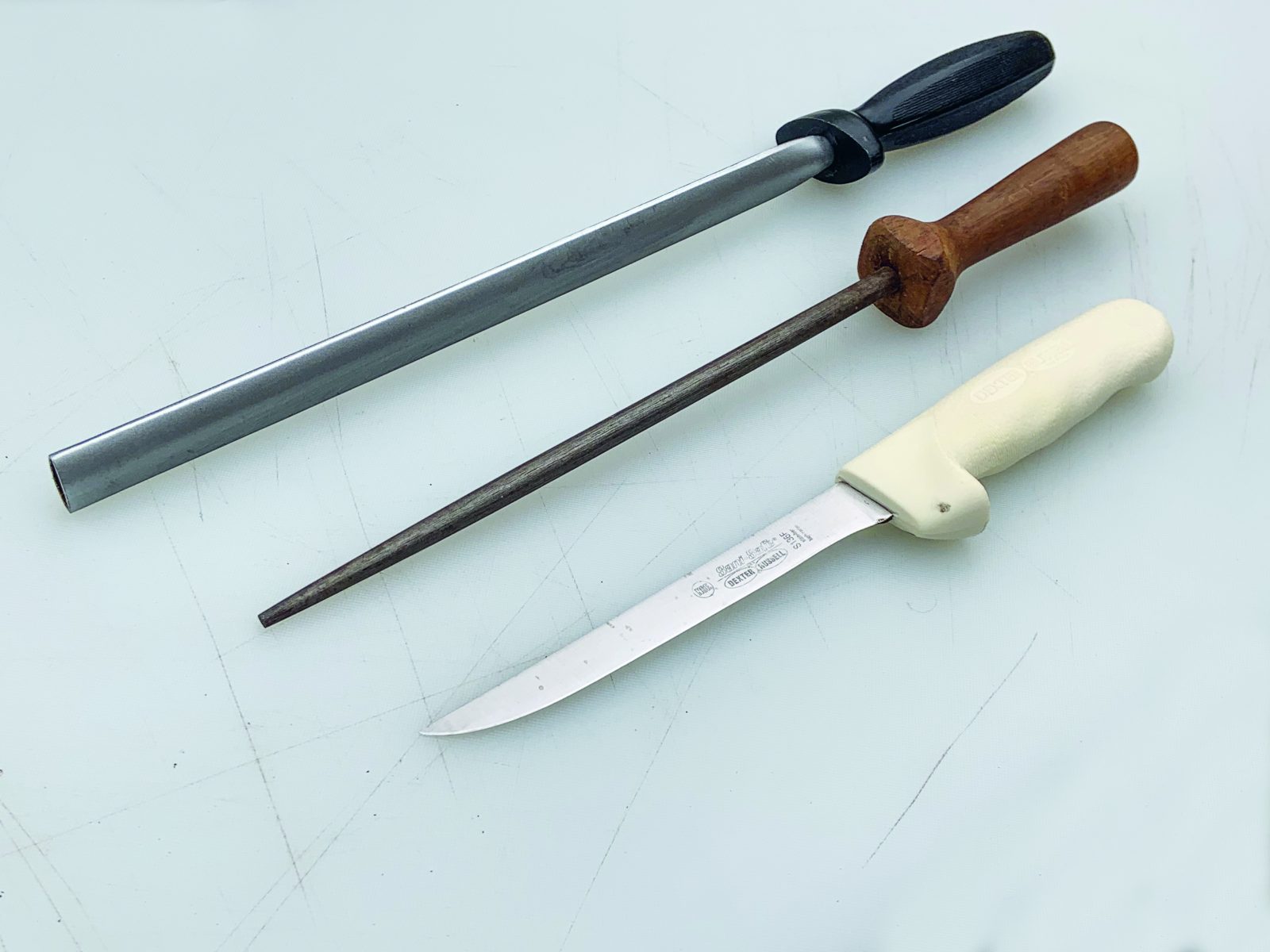
Honing straightens a rolled edge. Sharpening grinds new steel to form a fresh bevel. Both matter, and both have a right time.
- When to hone: Before each prep session or when the knife just starts to slide.
- How to hone: Hold 15 to 20 degrees. Use light, even strokes. Keep the angle steady.
- When to sharpen: When honing no longer restores bite. This can be every 1 to 3 months for home cooks, sooner in pro use.
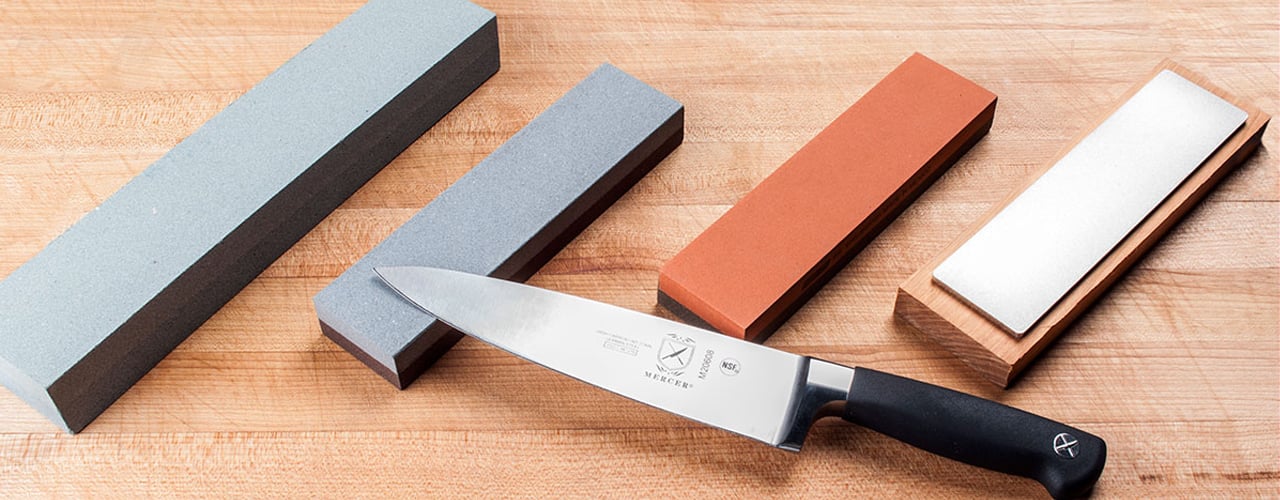
- How to sharpen: Use a 1000 grit stone for the main work. Follow with 3000 to 6000 for polish if you want more push-cut bite.
Tests with edge images show that good honing preserves the micro edge longer. This is key for how to extend knife sharpness between full sharpening.
Source: webstaurantstore.com
Proper cutting surfaces and techniques
Your board and your motion have a huge effect on edge life. Think of the board as a mattress for the edge.
- Best boards: End grain maple, walnut, or acacia. Soft plastic works well too.
- Boards to avoid: Glass, granite, marble, bamboo that is very hard and dry.
- Knife motion: Use smooth push or pull cuts. Avoid heavy rocking on a hard board.
- No twisting or prying: That will chip a thin edge fast.
- Safe scraping: Flip the knife and use the spine to move food.
If you wonder how to extend knife sharpness with no extra cost, choose a good board and fix your scraping habit. The gain is huge.

Source: gritrgear.com
Cleaning, drying, and storing your knives
Water, heat, and grit dull blades. So keep things gentle and fast.
- Hand wash only. Avoid the dishwasher. Heat and blast wear down the edge.
- Dry right away. Water marks can hide rust and make steel pit.
- A tiny bit of food-safe oil helps carbon steel stay fresh.
- Store in a wooden block, a saya, a blade guard, or a soft-face magnet.
- Keep knives apart. Edge-to-edge contact kills sharpness.
These steps are simple proof of how to extend knife sharpness through care. A clean, dry, safe home for your knife protects every minute you spent sharpening.

Source: amazon.com
Sharpening schedules and tools that work
Not sure when to sharpen? Let the food tell you. If a tomato skin slips, it is time.
- Stones: A 1000 grit stone handles most work. Add 3000 to 6000 for polish. Use light pressure and check your angle.
- Guided systems: Great for steady angles if you are new. They can be slow but very repeatable.
- Pull-through tools: Some are fine for quick touch-ups, but they can be harsh. Use with care on quality knives.
- Stropping: A leather strop with fine compound boosts bite and removes burrs.
- Pro service: Good for repairs or if you lack time.
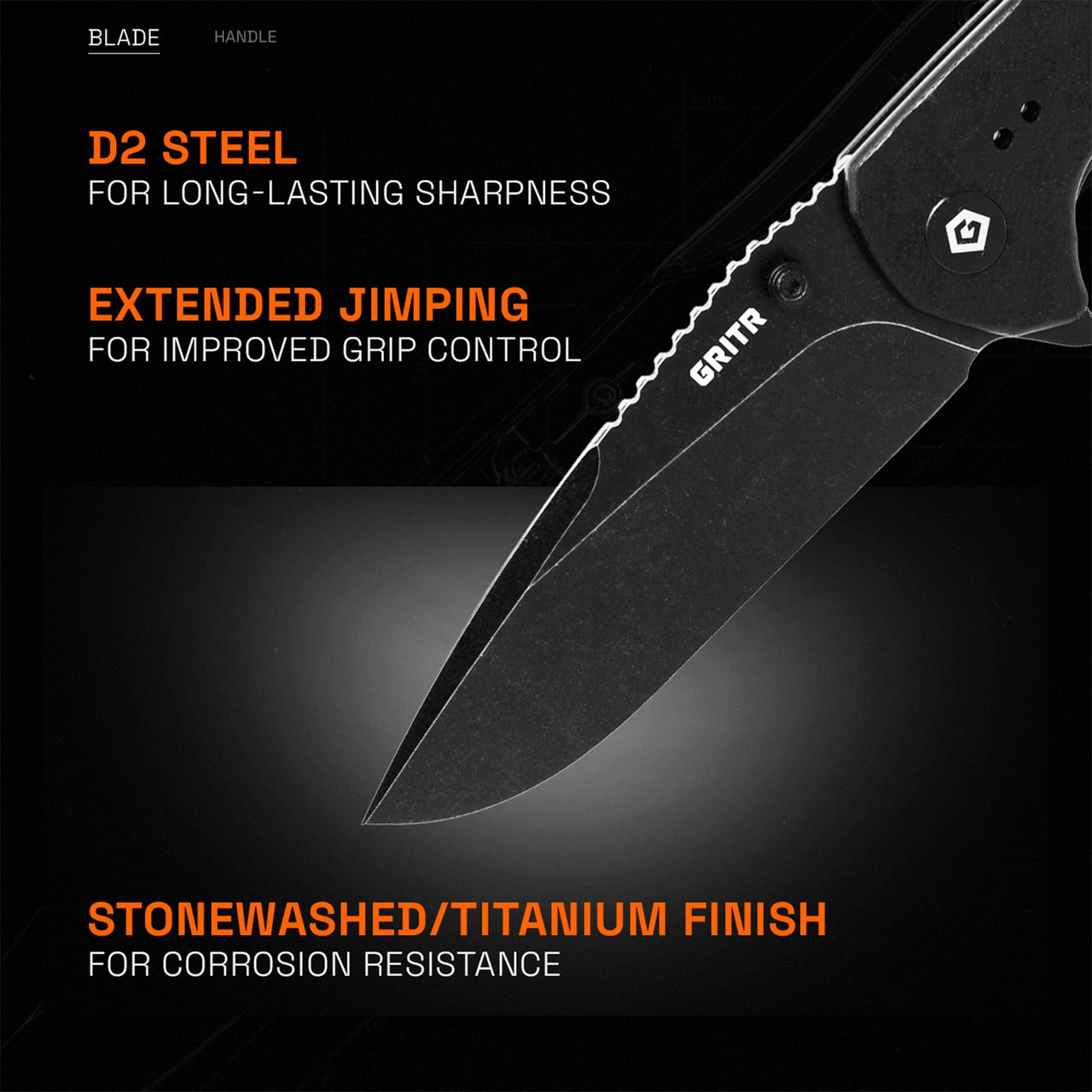
A repeatable schedule is the backbone of how to extend knife sharpness. Mark a calendar based on your use. A little care often beats a big fix later.
Source: gritrgear.com
Mistakes that kill sharpness fast
Avoid these edge killers. They undo hours of care in minutes.
- Dishwasher cycles blast grit, heat, and chemicals at the thin edge.
- Glass and stone boards act like sandpaper. They will round the edge.
- Twisting the blade in hard food chips the tip and edge.
- Cutting bones, frozen food, or metal caps will dent or chip the bevel.
- Heavy grooved steel rods can tear hard, thin edges. Use ceramic or smooth steel instead.
If you are serious about how to extend knife sharpness, stop these habits now. Your knives will thank you on the first cut.

Source: boroughkitchen.com
How to extend knife sharpness for different steels and uses
Not all steel is the same. Match your care to the blade.
Softer German style stainless
These run around mid-50s HRC. They roll more than chip. Hone often. Sharpen at 20 degrees per side for strength. This plan shows how to extend knife sharpness with very little effort.
Harder Japanese style steel
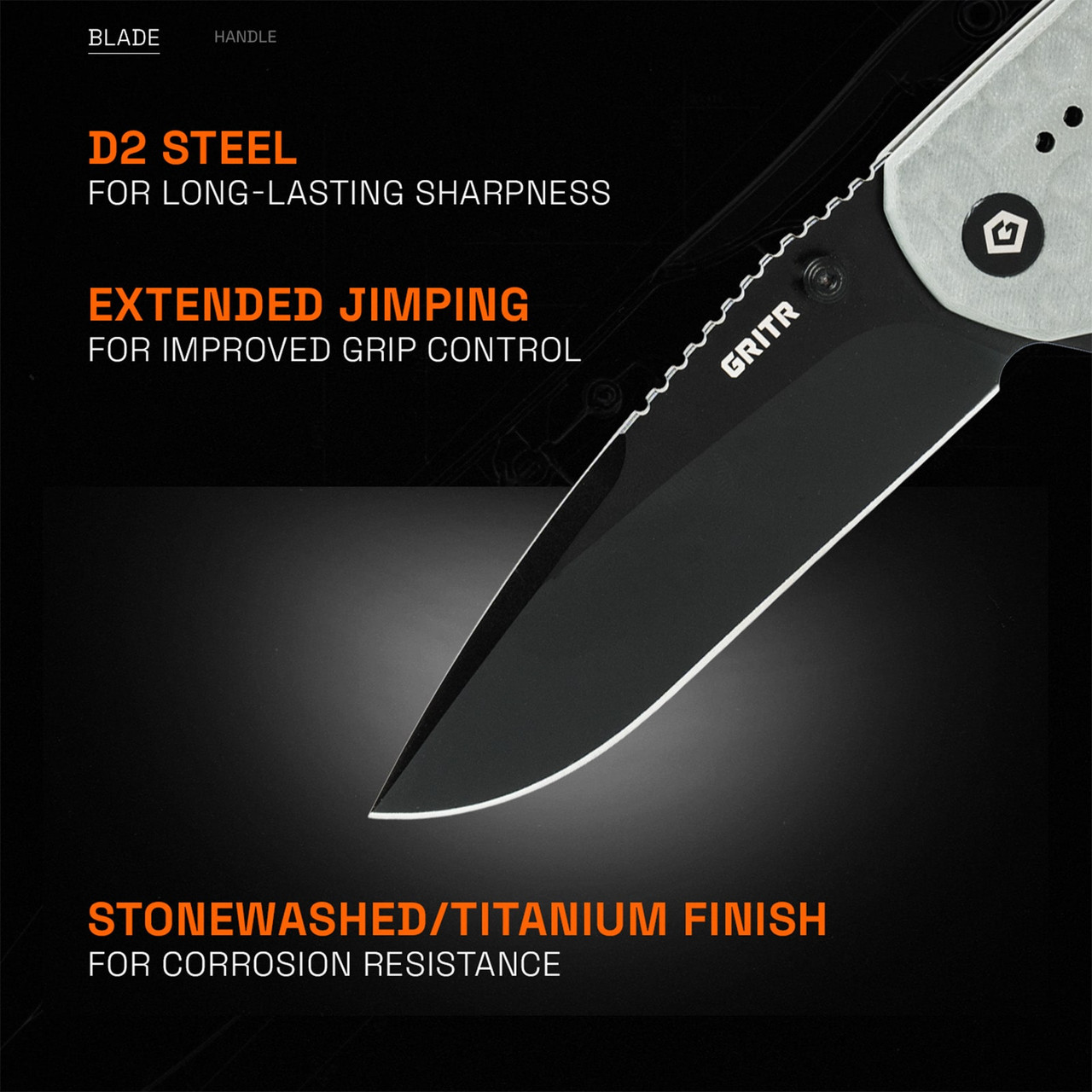
These run around 60 HRC or more. They hold a keen edge longer but can chip. Use a ceramic hone with a gentle touch. Sharpen at 12 to 15 degrees per side. Avoid hard boards.
Carbon steel knives
They take a scary sharp edge fast. But they rust. Wipe often. Dry right away. Add a very light oil coat if you will store them. This habit is key in how to extend knife sharpness for reactive blades.
Serrated knives
Do not hone. Use a tapered rod on each scallop when dull. Cut on soft boards to keep the points sharp.
Outdoor or utility knives
They see dirt and grit. Wash after use. Strop in the field. A small ceramic rod is gold in your pack.
Source: gritrgear.com
A simple plan for how to extend knife sharpness
Here is a plan I use at home and in busy prep. It is fast and it works.
- Before each session: 5 to 8 light passes on a ceramic rod per side.
- During prep: Wipe the blade, keep the board clean, and use the spine to scoop.
- After use: Hand wash, dry, and store in a guard or block.
- Weekly: Strop 10 passes per side with fine compound.
- Monthly: Do a light touch-up on a 1000 to 3000 grit stone.
- Every 3 to 6 months: Full sharpen if honing no longer helps.
Follow this, and you will feel how to extend knife sharpness without stress. Your edge will stay crisp, and your cuts will stay clean.
Frequently Asked Questions of how to extend knife sharpness
How often should I hone my knife?
Hone before each cooking session or when the edge starts to slip. Light, regular honing keeps the edge straight and delays full sharpening.
What angle should I use when sharpening?
Most Western chef’s knives do well at about 20 degrees per side. Many Japanese knives do well at 12 to 15 degrees per side.
Are bamboo cutting boards bad for sharpness?
Some bamboo boards are very hard and can dull edges fast. If you love bamboo, pick a softer, well-made board and use a gentle touch.
Can I use a pull-through sharpener?
Good models can work for quick fixes, but they can remove more steel than needed. Use them lightly and switch to stones for best results.
Do I need a strop?
A strop is a fast way to boost bite and remove tiny burrs. It is an easy add if you want that extra pop on tomatoes and herbs.
Conclusion
Sharp knives are safer, faster, and more fun to use. Build small habits, like honing, soft boards, and fast drying. Use a simple schedule for touch-ups and full sharpening. That is the real secret of how to extend knife sharpness for the long run.
Start today. Pick one habit to fix first, then add the next. If this helped, subscribe for more hands-on kitchen tips or leave a question below.
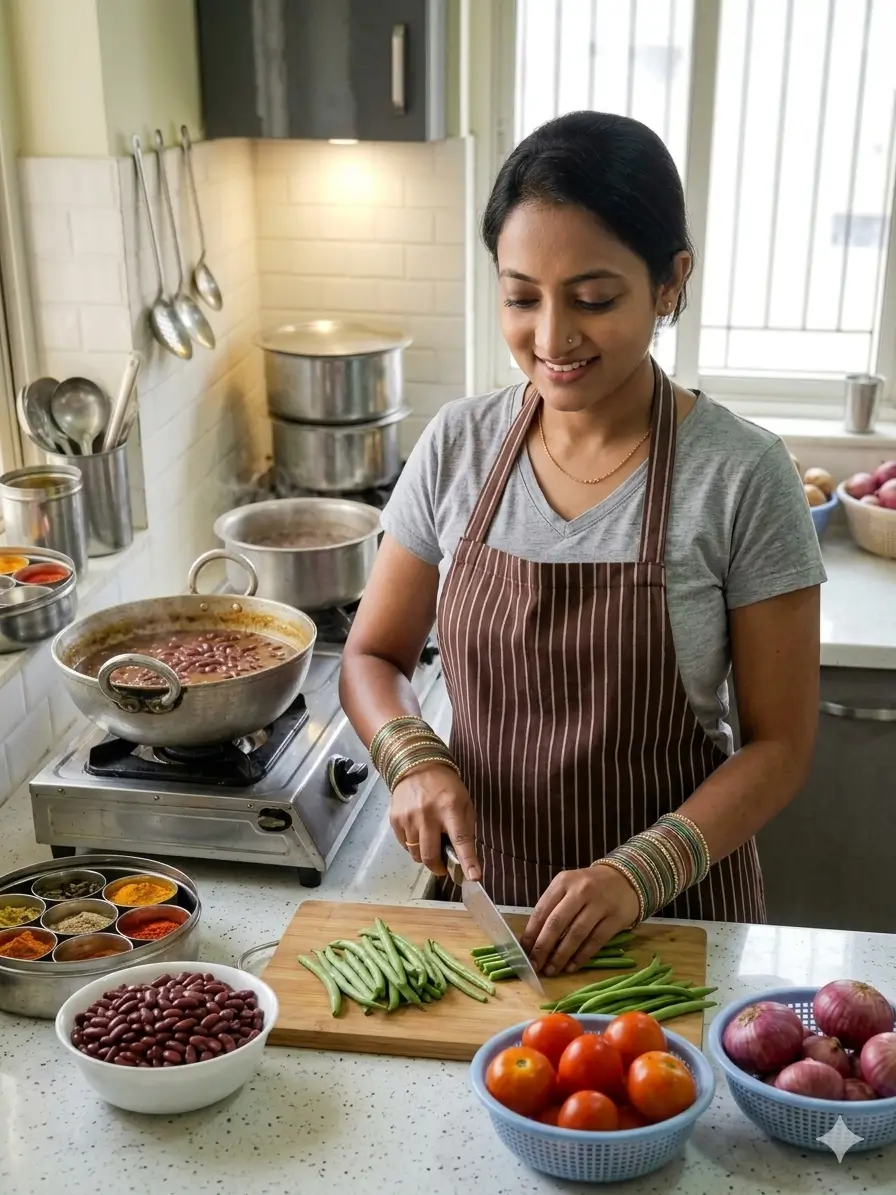
Maliha Khatun has spent 5 years hands-on testing Japanese knives for everyday home cooks. She has evaluated over 60 blades across nakiri, santoku, gyuto, and petty categories — scoring each on edge retention, steel quality, handle comfort, and value for money. She writes to help home cooks buy the right knife without the guesswork.
Expertise:Japanese Knives • Vegetable Knives • Product Reviews • Kitchen Efficiency • Knife Care
Leave a Reply