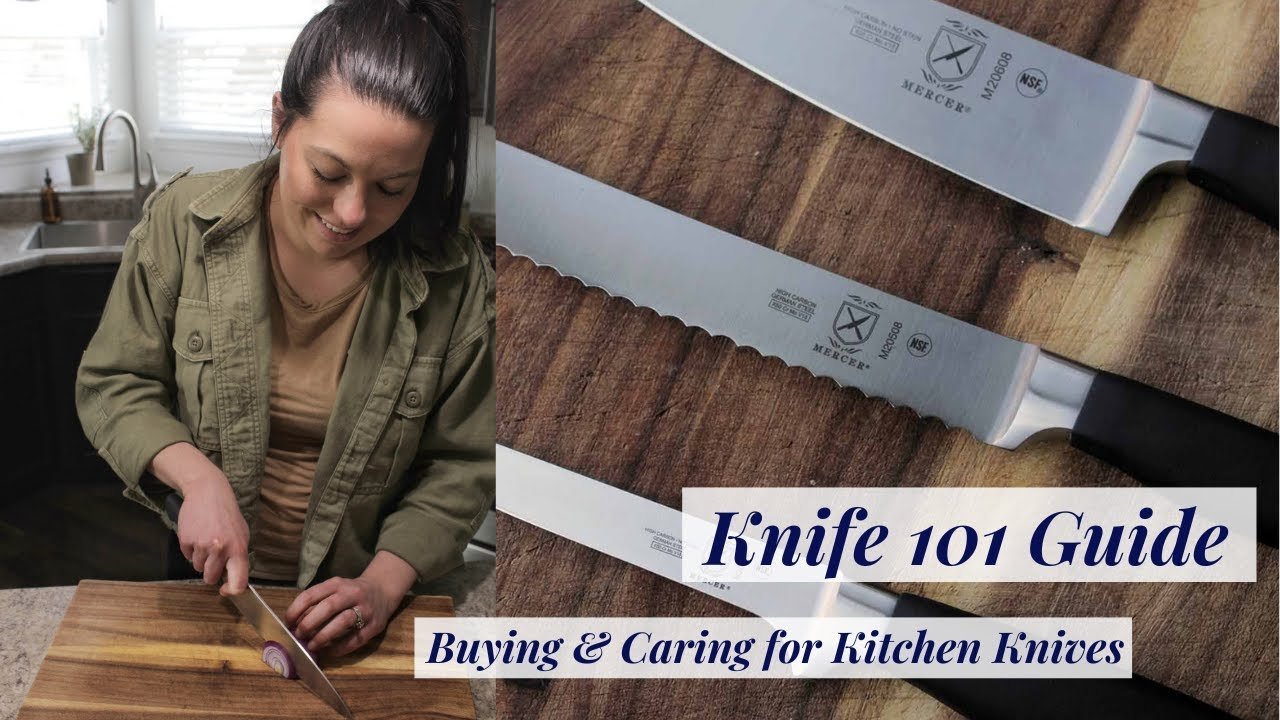
Kitchen knife buying guide: Choose sharp, well-balanced knives that match your cooking style and budget.
I have spent years testing knives in busy home kitchens and restaurant settings. This kitchen knife buying guide gives you clear, expert steps to pick the right blade for your needs. Read on for a practical roadmap that covers types, materials, construction, maintenance, budgets, and real-world tips to buy knives that last and perform well.

Why a proper kitchen knife buying guide matters
A good knife speeds prep, boosts safety, and improves results. Cheap or poorly chosen knives slow you down and can be dangerous. This kitchen knife buying guide helps you avoid costly mistakes and pick tools that fit your cooking habits. I combine hands-on testing and industry knowledge to give reliable advice you can trust.

Key knife types and what each does
Knowing knife roles makes buying easier. Match blade shape and size to tasks you do most.
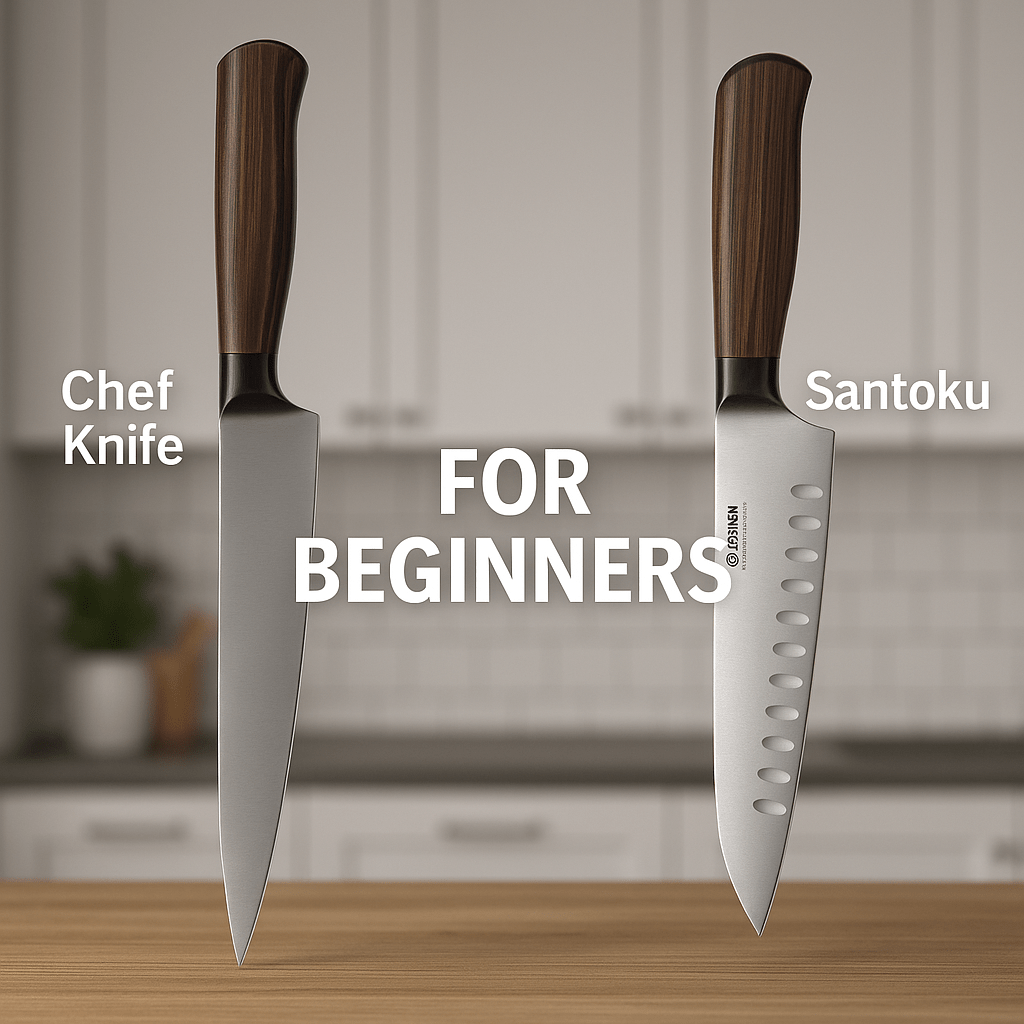
- Chef's knife: 8- to 10-inch all-rounder for chopping, slicing, and dicing.
- Paring knife: 3- to 4-inch for peeling, trimming, and small precision work.
- Serrated knife: 8- to 10-inch for bread and soft-skinned produce.
- Santoku: 6- to 7-inch Asian-style all-purpose knife, good for slicing and push-cutting.
- Utility knife: 5- to 6-inch for sandwiches, small cuts, and light prep.
- Boning knife: Narrow, flexible blade for deboning meat and fish.
I recommend starting with a chef's knife and a paring knife, then adding a serrated knife. Buying this set covers most home-cooking needs.
Blade materials and what they mean for performance
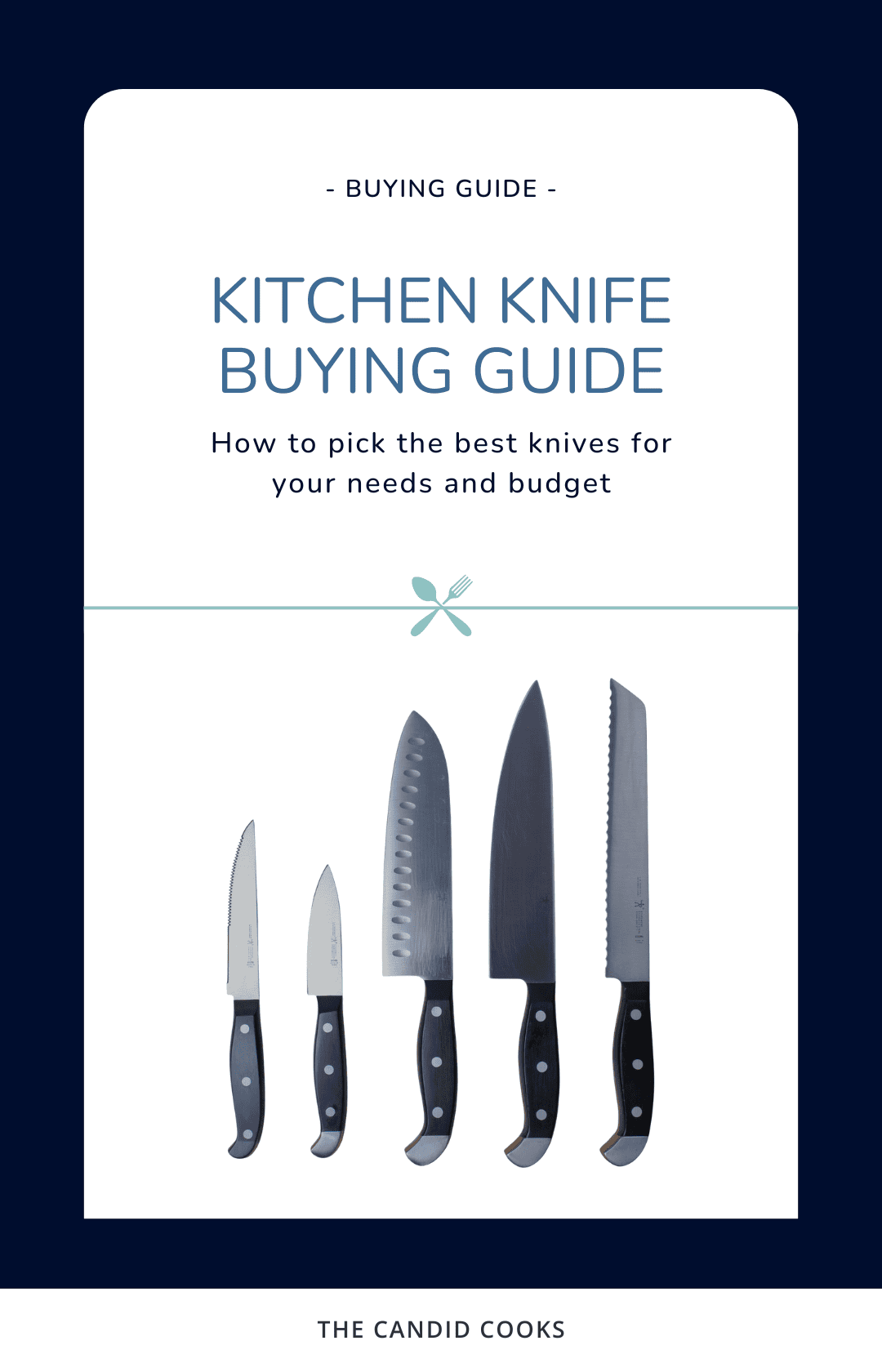
Blade steel affects sharpness, edge retention, and maintenance. Here are common categories.
- Carbon steel: Very sharp and easy to sharpen, but prone to rust and discoloration if not cared for.
- Stainless steel: Corrosion resistant and low maintenance, but some grades dull faster.
- High-carbon stainless steel: Balances sharpness and rust resistance; a common choice for quality knives.
- Powdered metallurgy steels: Offer excellent edge retention and toughness in premium knives.
Harder steels hold edges longer but can be brittle and harder to sharpen. Softer steels are forgiving and easy to sharpen but need more frequent maintenance.

Knife construction: forged vs stamped and full tang
Construction affects balance, strength, and feel.
- Forged knives: Made from a single billet and shaped under heat; usually heavier and well balanced.
- Stamped knives: Cut from sheet steel and often lighter and less costly.
- Full tang: Blade steel extends through the handle; adds strength and balance.
- Partial tang: May reduce cost but can feel less durable.
I prefer forged, full-tang knives for daily heavy use. For casual cooks, a well-made stamped knife can be a fine and budget-friendly option.
Handles: materials, ergonomics, and safety
A handle impacts comfort, grip, and hygiene.
- Wood: Warm and classic, but needs care to avoid swelling and bacteria buildup.
- Composite (e.g., pakkawood, micarta): Durable, water resistant, and comfortable.
- Plastic or polymer: Low maintenance and affordable, but can feel cheap on higher-end knives.
- Stainless steel: Sleek and durable but can slip when wet.
Try knives in hand to judge balance and comfort. A handle should fit your grip and cooking style to reduce wrist fatigue and improve control.
 sharpening basics”
style=”max-width: 100%; height: auto; border: 2px solid black; border-radius: 10px; display: block; margin: 0 auto;”
loading=”lazy”
/>
Blade profile, edge angle, and sharpening basics
How a blade is ground matters for cutting style and edge life.
- Blade profile: Curved blades favor rocking cuts, straighter blades favor push-cutting or slicing.
- Edge angle: Narrow angles (12–15° per side) cut extremely well but need more care; wider angles (20° per side) are tougher and low maintenance.
- Sharpening tools: Whetstones give best results, pull-through sharpeners are easy but can remove more metal, and honing rods realign edges between sharpenings.
Learn to use a whetstone or find a trusted sharpener. A dull knife is more dangerous than a sharp one.
How to choose based on cuisine and cooking habits
Match knives to how you cook to get the best value.
- Home cook who makes soups, salads, and simple meals: Start with a chef's knife and paring knife.
- Baker and sandwich maker: Add a serrated bread knife and a utility knife.
- Meat and fish cook: Include a boning knife and a carving/slicing knife.
- Precision and plating: A smaller utility or petty knife is useful.
Think about prep time and common tasks. Buy tools that reduce the most time spent on the tasks you do daily.

Budget guide: where to invest and where to save
Set realistic expectations for price vs. performance.
- Under $50: Good for beginners; look for respected brands or well-reviewed stamped knives.
- $50–$150: Sweet spot for durable stainless and high-carbon options; many great chef's knives here.
- $150–$300: Premium steels and forged construction; often full tang with better balance.
- $300+: Professional-grade and specialty knives, artisanal forging, and high-end steels.
Invest most in your primary chef's knife. Secondary knives can be mid-range and still perform well.
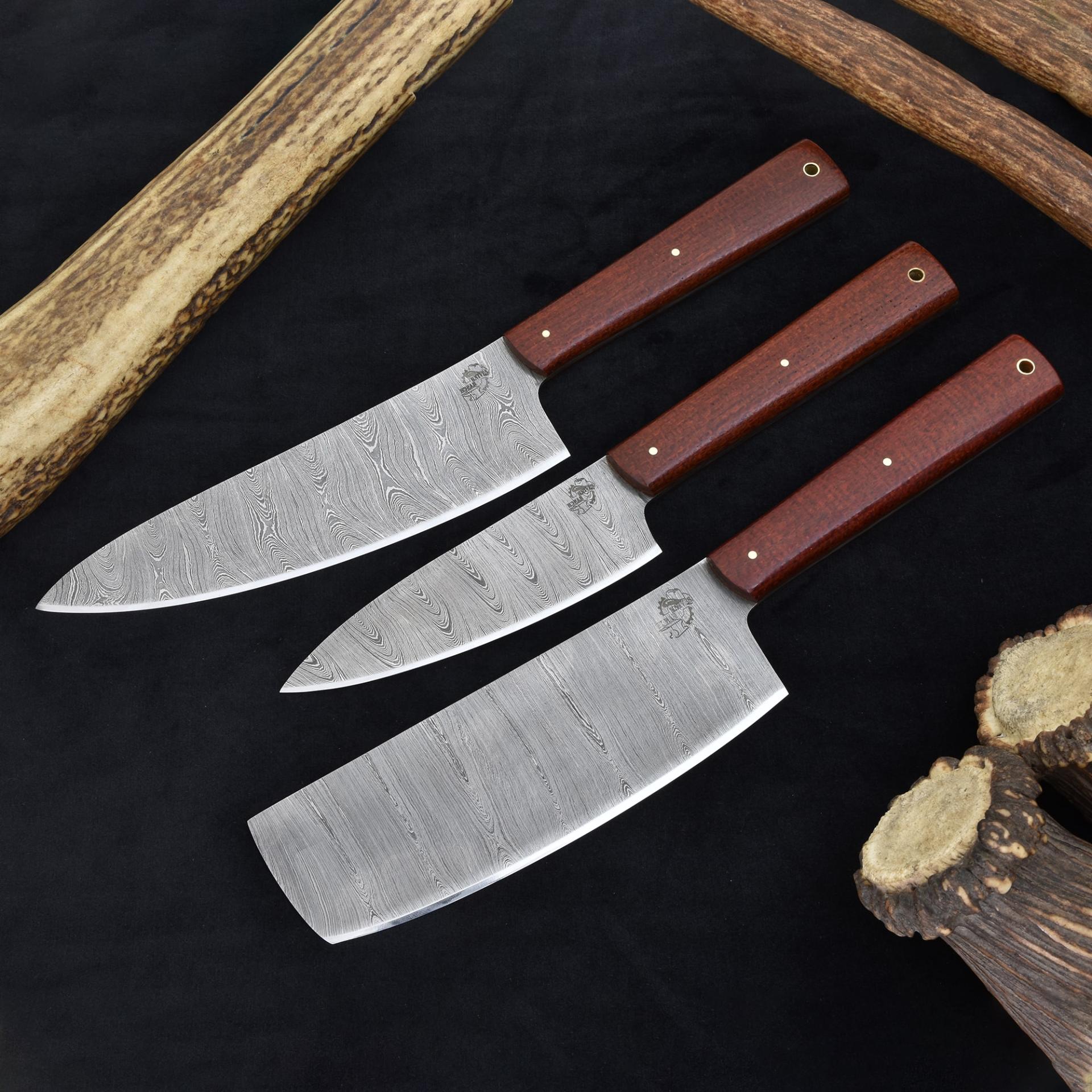
Care, maintenance, and storage to extend knife life
Proper care keeps knives safe and performing.
- Hand wash and dry immediately; avoid dishwashers.
- Store knives in a block, magnetic strip, or blade guards to protect edges.
- Hone regularly and sharpen when needed; frequency depends on steel and use.
- Avoid cutting on glass or stone; use wooden or plastic cutting boards.
I learned the hard way that leaving knives in a sink ruins edges and safety. A simple routine extends life and performance.
How to test and try knives before you buy
Testing builds confidence and ensures fit.
- Hold the knife: Check weight, balance, and handle comfort.
- Simulate cuts: Try a gentle rocking motion and slicing through a tomato if allowed.
- Ask about return policies: Many retailers let you return within a window if the knife doesn't fit.
- Read reviews and watch cut tests from credible sources.
Buying online can work if the seller has a good return policy. I often demo in-store when possible before purchasing high-end pieces.
My personal experience and lessons learned
I have used dozens of knives in home and pro kitchens. Here are real lessons.
- A balanced chef's knife cut prep time and reduced wrist pain.
- I once bought an expensive blade that I couldn't sharpen at home; know your tools before investing.
- Rust from poor drying cost me a favorite carbon-steel knife; maintenance matters.
- Mid-range knives often give the best value for serious home cooks.
These experiences shaped my approach in this kitchen knife buying guide: prioritize fit, steel, and care over brand hype.
Quick buying checklist: final step before purchase
Use this checklist to decide with confidence.
- Choose a primary chef's knife first and a paring knife second.
- Pick steel and construction that match your willingness to maintain the blade.
- Test the handle for comfort and balance.
- Check sharpening and return policies and warranty.
- Buy from reputable dealers or brands with clear specs.
This checklist helps you avoid common buyer’s remorse and pick knives that stay useful for years.
Frequently Asked Questions of kitchen knife buying guide
What is the best first knife to buy?
Start with a chef's knife around 8 inches. It covers most prep tasks and gives the best value for learning technique.
How often should I sharpen my kitchen knives?
Sharpen based on use and steel; most home cooks sharpen every 6–12 months and hone weekly. Harder steels need sharpening less often but require more skill when they do.
Are expensive knives worth it for home cooks?
Not always. Mid-range knives often offer the best mix of performance and value. Spend more on your main chef's knife rather than a full set.
Can I use a single knife for everything?
You can, but performance and safety improve with the right tool for the job. At minimum, add a paring and serrated knife to your chef's knife.
How should I store my knives safely?
Use a block, magnetic strip, or individual blade guards. Good storage protects edges and reduces the risk of accidents.
Is carbon steel better than stainless steel?
Carbon steel sharpens easily and cuts well but needs more care to prevent rust. Stainless steel resists corrosion and is lower maintenance.
Conclusion
A well-chosen knife saves time, improves safety, and makes cooking more joyful. Use this kitchen knife buying guide to pick blades that match your food, budget, and care habits. Start with a quality chef's knife, test for comfort, and commit to simple maintenance to keep edges sharp. Now take one step: try a trusted mid-range chef's knife in hand or order from a seller with a clear return policy. Share your experiences or questions below and subscribe for more practical kitchen gear advice.

Maliha Khatun has spent 5 years hands-on testing Japanese knives for everyday home cooks. She has evaluated over 60 blades across nakiri, santoku, gyuto, and petty categories — scoring each on edge retention, steel quality, handle comfort, and value for money. She writes to help home cooks buy the right knife without the guesswork.
Expertise:Japanese Knives • Vegetable Knives • Product Reviews • Kitchen Efficiency • Knife Care
Leave a Reply