A knife has a blade, edge, spine, tang, handle, bolster, tip, and sometimes a guard or pommel.
I’ve spent years testing and using knives in kitchens, workshops, and outdoors, and I’ll walk you through every important part of a knife with clear definitions, real world tips, and buying and care advice. This guide covers the parts of a knife in plain language, explains how each piece affects performance, and shares practical lessons from hands-on experience so you can choose, use, and maintain knives smarter.
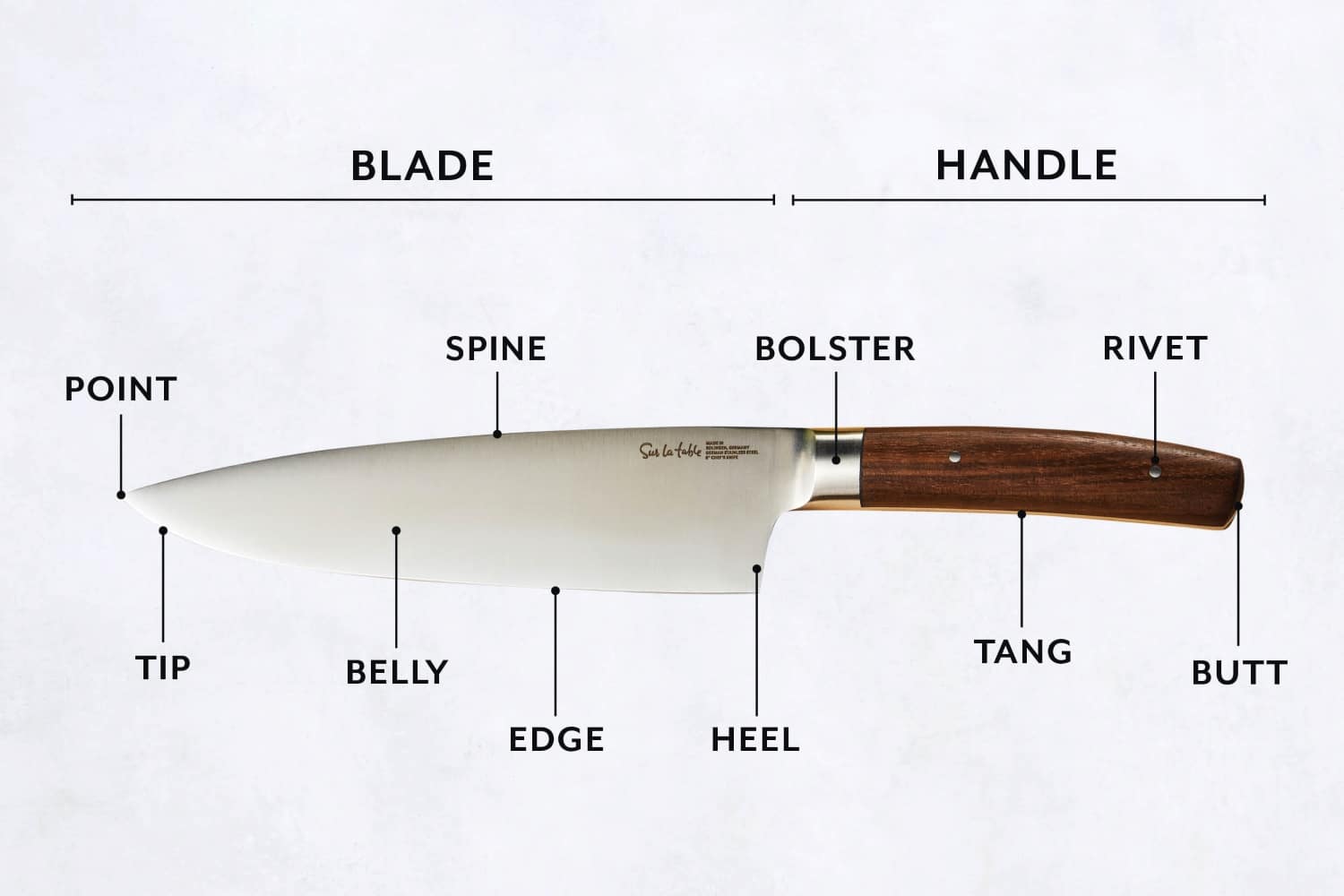
Understanding the basic parts of a knife
A knife is more than a blade and a handle. Each part has a role that affects cutting, balance, safety, and durability. Knowing the parts of a knife helps you pick the right tool for a task and maintain it correctly.
Key terms to know:
- Blade: the cutting portion.
- Edge: the sharpened surface that cuts.
- Spine: the top, unsharpened back of the blade.
- Tang: the extension of the blade into the handle.
- Handle: the part you grip for control.
When you understand the parts of a knife, you can judge quality, spot wear, and sharpen or repair effectively. This section lays the groundwork for more detail below.

Source: sharpeningsupplies.com
Blade components: edge, spine, tip, point, belly, choil, and ricasso
The blade is the heart of a knife. Breaking it down helps you understand how shape and features influence function.
Edge
- Description: The sharpened line along the blade that does the cutting.
- Types: Straight, serrated, scalloped, or granton (hollowed).
- Impact: A fine edge slices cleanly; serrations grip and cut fibrous material well.
Spine
- Description: The thick, unsharpened top edge of the blade.
- Function: Adds rigidity and can be used for thumb pressure or striking a ferro rod.
- Note: Thicker spines increase strength but reduce finesse.
Tip and Point
- Description: The front part of the blade used for piercing and precision.
- Shapes: Drop point, clip point, spear point, tanto.
- Impact: Tip shape affects stabbing strength and control.
Belly
- Description: The curved cutting area between tip and handle.
- Function: Good for slicing, rock chopping, and food prep.
- Example: Chef knives have a pronounced belly to rock-cut vegetables.
Choil
- Description: The unsharpened or rounded notch near the handle.
- Uses: Provides a safe place to choke up on the blade for fine control and protects the handle during sharpening.
Ricasso
- Description: The flat, unsharpened section just above the handle on some knives.
- Function: Lets the user place a finger safely near the blade and can improve control on large knives.
Understanding these blade parts helps you match tool to task and choose appropriate sharpening angles for the edge.
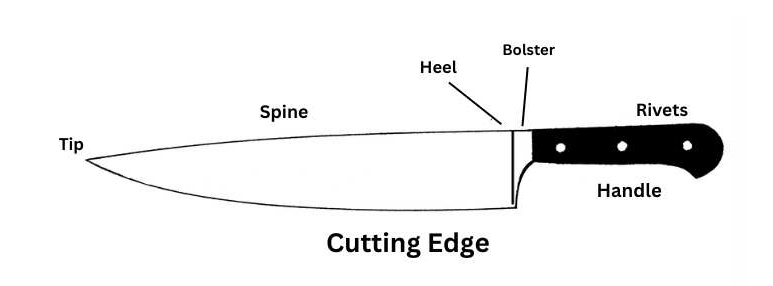
Source: ciafoodies.com
Handle and tang: grip, balance, and strength
The handle and tang determine comfort, safety, and how the knife feels in your hand.
Tang
- Description: The metal extension of the blade into the handle.
- Types: Full tang, partial tang, hidden tang, rat-tail tang.
- Importance: Full tang knives offer the best strength and balance. Hidden tangs are lighter but can be less durable.
Handle (scales)
- Materials: Wood, micarta, G10, plastic, metal.
- Considerations: Grip texture, moisture resistance, heat resistance, and ergonomics.
- Fit: Good handles reduce fatigue and prevent slipping.
Bolster and Guard
- Bolster: A thick junction between blade and handle which adds balance and finger protection.
- Guard: A pronounced barrier that prevents the hand from sliding onto the edge; common on hunting knives.
Pommel
- Description: The butt or end of the handle.
- Uses: Can act as a counterweight, hammer surface, or lanyard anchor.
A properly designed tang and handle make the knife safe and extend its useful life.

Source: fnsharp.com
Secondary parts and fasteners: rivets, liners, scales, and pins
These smaller parts hold everything together and influence repairability.
Rivets and Pins
- Purpose: Secure handle scales to the tang.
- Tip: Tight, flush rivets are signs of good craftsmanship.
Liners
- Description: Thin sheets between the tang and scales for strength and aesthetics.
- Function: Help stabilize the handle and can prevent moisture migration.
Scales
- Description: The outer pieces of the handle.
- Materials and care: Wood scales need oiling; synthetic scales need rinsing and drying.
These parts are easy to overlook but often determine whether a knife can be refurbished or needs replacement.

Source: lansky.com
How parts of a knife affect performance and intended use
Each part shapes how a knife performs for a task.
Balance
- Where balance sits (toward blade, handle, or center) affects control.
- A chef knife balanced toward the blade helps slicing.
Strength and durability
- A full tang and robust spine resist twisting and breakage.
- Thin blades cut finely but can chip on hard materials.
Control and safety
- A pronounced choil or bolster gives safe finger placement.
- Ergonomic handles reduce wrist strain during repetitive use.
Think of the knife like a car: the blade is the engine, and the handle and tang are the chassis. Both must be right for a smooth ride.

Source: sharpedgeshop.com
Materials and construction: how choices change each part
Material selection changes appearance and performance across parts of a knife.
Blade materials
- Carbon steel: Easy to sharpen, holds edge well, but rusts without care.
- Stainless steel: Corrosion resistant, lower maintenance, varying edge retention.
- High-end alloys: Offer specific trade-offs between toughness, hardness, and edge retention.
Handle materials
- Wood: Warm and classic, but requires care.
- Synthetic composites: Durable and low-maintenance.
- Metal: Extremely durable, but can be slippery and cold.
Heat treatment and construction
- Heat treatment changes blade hardness and toughness.
- Full-tang vs. stamped blades affects durability and repair options.
Material choices in the parts of a knife dictate maintenance, intended use, and long-term value.
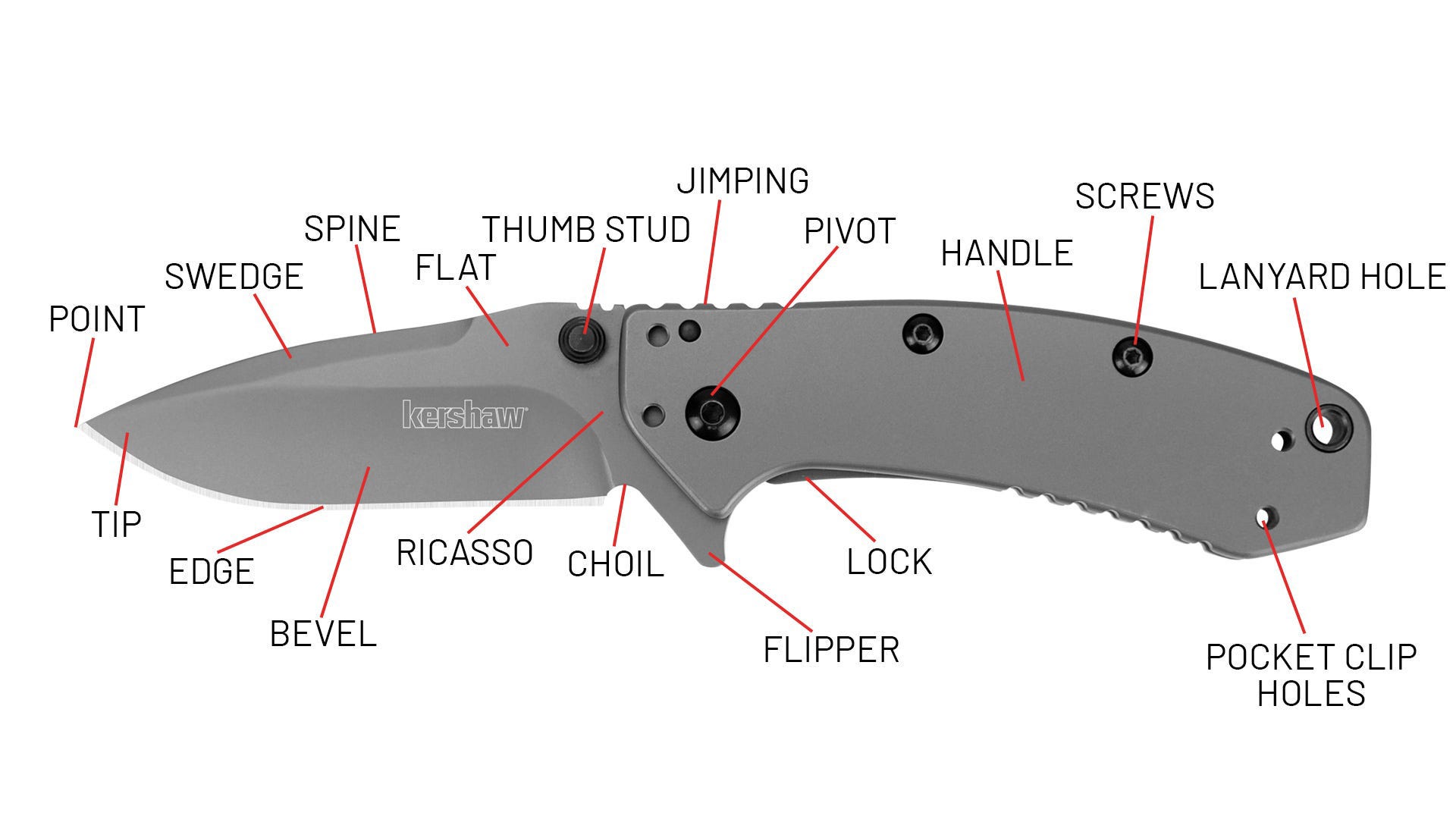
Source: kaiusa.com
Maintenance, sharpening, and caring for each part
A knife’s longevity depends on care for each part.
Blade care
- Clean after use and dry immediately.
- Sharpen at the correct angle for the steel and edge type.
- Use a honing rod frequently to realign the edge.
Handle care
- Wooden handles: oil periodically and avoid prolonged soaking.
- Synthetic/metal: clean and dry, inspect fasteners.
Bolster, rivets, pivots
- Check for loosening and corrosion.
- Tighten or replace pins and pivot screws before they fail.
Personal tip: I once ignored a loose pivot on a folding knife and lost the handle scales during a field repair. Regular quick checks prevent small issues from becoming safety hazards.

Source: sharpedgeshop.com
Choosing the right knife: match parts to tasks
Match parts of a knife to what you need.
Kitchen chef knife
- Look for a pronounced belly, full tang, and comfortable handle for long prep sessions.
Pocket/EDC knife
- Prioritize a sturdy tip, secure locking mechanism, and a strong tang; lighter scales help carry comfort.
Hunting and survival knives
- Favor thick spines, full tangs, reliable guards, and durable handle materials.
When testing a knife, hold it as you would use it. The parts should feel natural and safe.
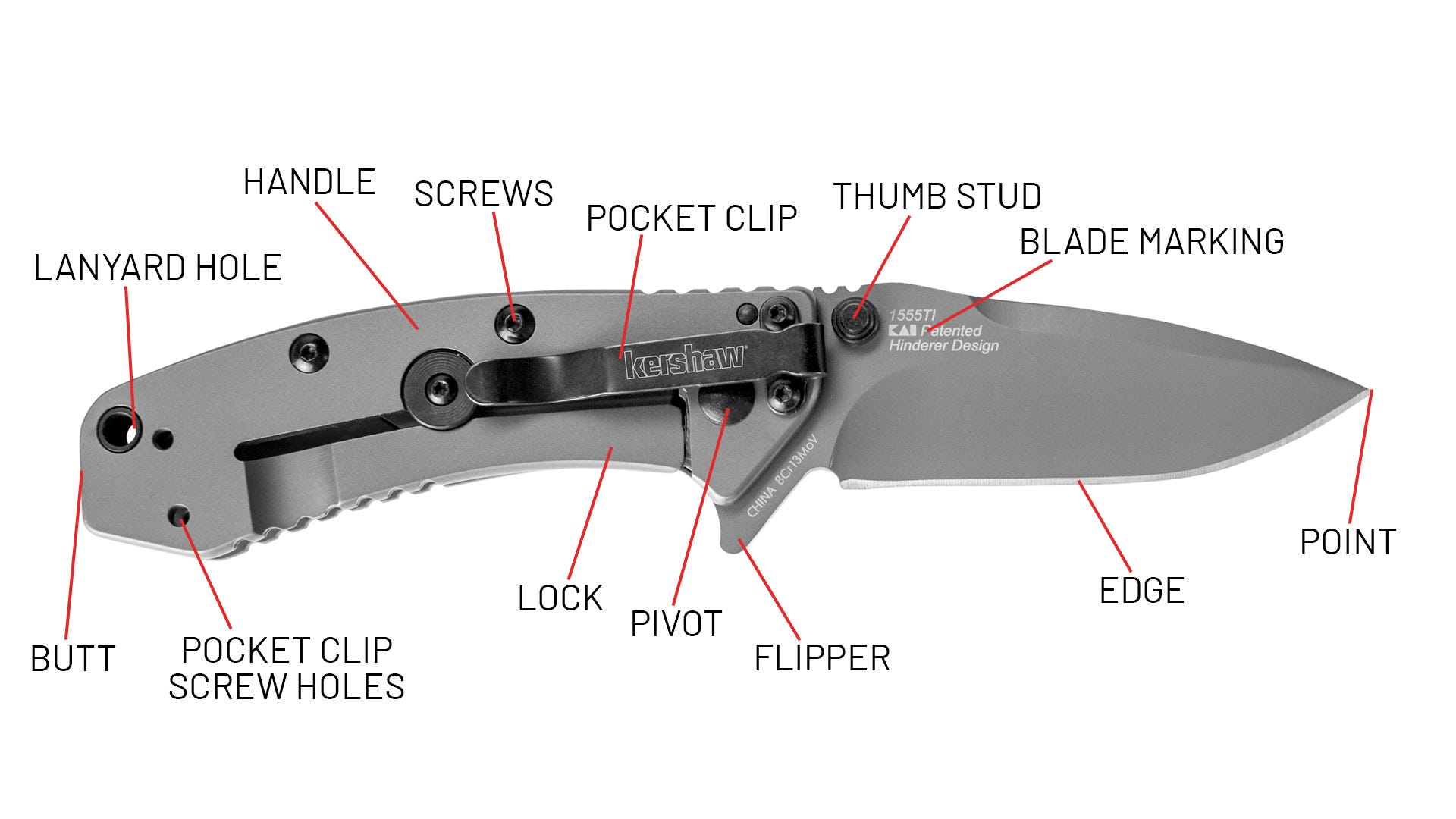
Source: kaiusa.com
Common mistakes, personal tips, and lessons learned
I’ve learned a few consistent lessons from years using knives.
Mistake: Choosing only on blade steel and ignoring handle and tang.
- Lesson: A great blade on a poor handle makes a poor tool.
Mistake: Sharpening at inconsistent angles.
- Lesson: Use a guide or marker to keep consistent edge geometry across the parts of a knife.
Mistake: Ignoring small fastener corrosion.
- Lesson: Tighten and replace pins early to keep repair costs low.
Practical tips:
- Test balance by holding the knife at the bolster; a balanced knife reduces fatigue.
- Carry a small sharpening stone or diamond rod for field touch-ups.
- For kitchen knives, avoid dishwashers; hand-wash and dry to protect blade and handle parts.
Common quick questions
What is the most important part of a knife?
The blade is the most critical for cutting, but the tang and handle are equally important for safety and control. A well-balanced combination of parts matters more than any single component.
How does tang type affect durability?
Full tangs offer superior strength and balance. Hidden or partial tangs can be lighter but may fail sooner under heavy use.
What blade part dulls fastest?
The edge dulls fastest because it contacts surfaces, food, and cutting boards. Proper sharpening and honing protect the edge and reduce wear.
Frequently Asked Questions of parts of a knife
What is a choil and why does it matter?
A choil is the small notch between the blade edge and the handle. It provides a safe place to choke up for precision cuts and protects the handle during sharpening.
How do I know if a knife has a full tang?
You can often see the tang running through the handle scales or feel the metal at the handle ends. Full tangs typically have visible rivets or continuous metal along the handle.
Should kitchen knives be full tang?
Full tangs are preferred for kitchen knives used heavily because they offer better balance and durability. However, some high-quality stamped blades perform well when properly constructed.
Can I replace a handle or rivets on a knife?
Yes, many knives can be refurbished by replacing scales or rivets. Full-tang knives are easier to repair, and skilled workshops can restore handles safely.
What is the difference between a bolster and a guard?
A bolster is a smooth thickening between blade and handle that adds balance and finger protection. A guard is a protruding piece that prevents the hand from sliding onto the edge, often used in outdoor knives.
Conclusion
Understanding the parts of a knife changes how you buy, use, and care for your tools. Each part from the edge and spine to the tang and handle—affects performance, safety, and longevity. Try handling knives with attention to balance and tang type, and apply simple maintenance routines to protect the blade and handle. If you found this guide useful, try inspecting your own knives now, subscribe for more practical gear advice, or leave a comment with questions or your favorite knife tips.
Maliha Khatun has spent 5 years hands-on testing Japanese knives for everyday home cooks. She has evaluated over 60 blades across nakiri, santoku, gyuto, and petty categories — scoring each on edge retention, steel quality, handle comfort, and value for money. She writes to help home cooks buy the right knife without the guesswork.
Expertise:Japanese Knives • Vegetable Knives • Product Reviews • Kitchen Efficiency • Knife Care
Leave a Reply