Most kitchen knives use stainless, carbon, or powdered steels with different edge and care traits.
I’ve spent years testing and using many kitchen knife steel types, from simple carbon blades to exotic powdered super steels. This guide breaks down what each type means, how it performs, and which kitchen knife steel types fit your cooking style and budget. Read on to choose blades that stay sharp, resist rust, and feel right in your hand.
Understanding kitchen knife steel types
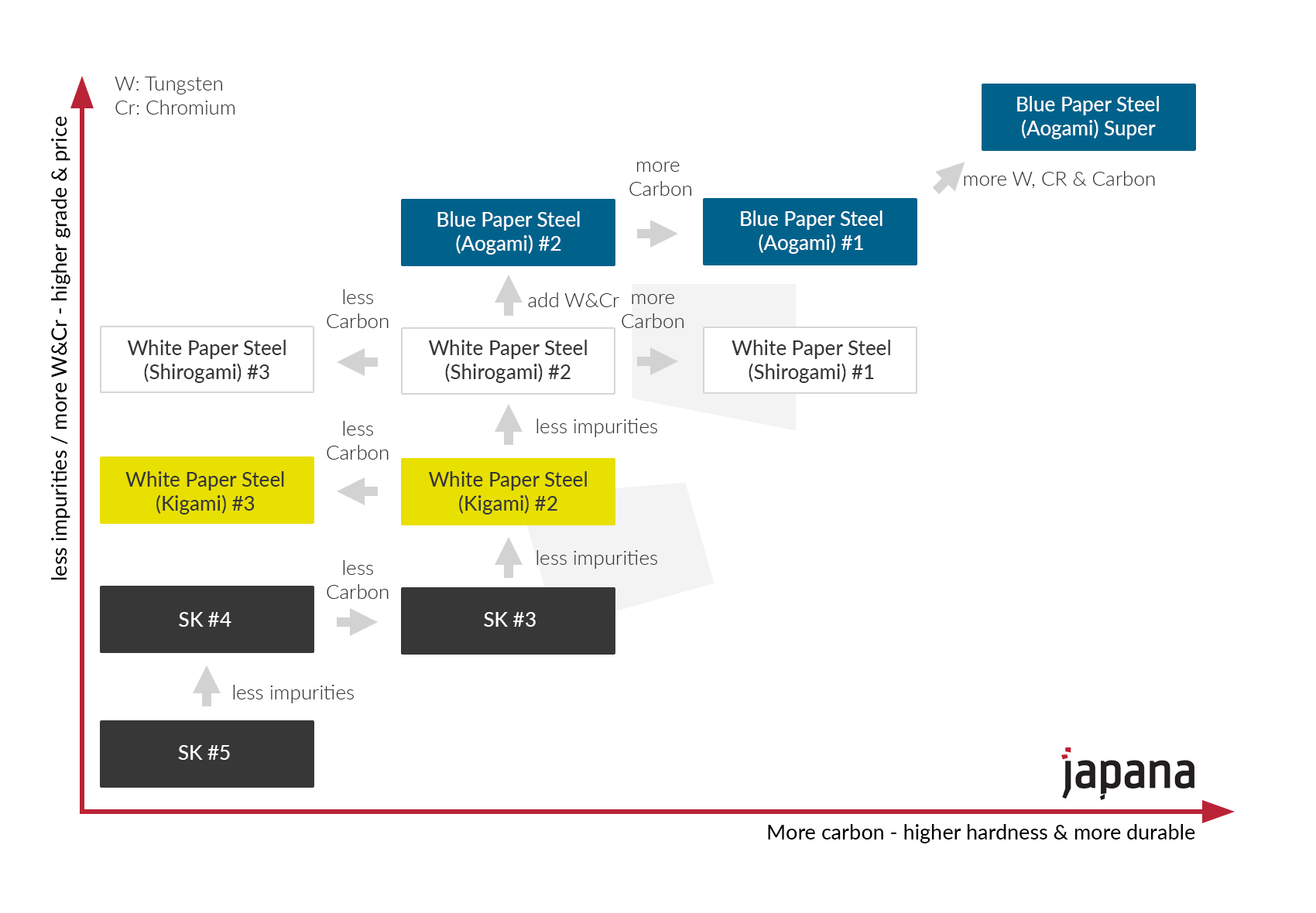
Kitchen knife steel types describe the alloy and treatment used to make a blade. That mix determines hardness, edge retention, corrosion resistance, and toughness. Simple steels can be easy to sharpen. Advanced steels hold an edge longer but may need special care.
Key performance factors to know:
- Hardness measured on the HRC scale affects edge retention and ease of sharpening.
- Toughness tells how well a blade resists chipping or breaking.
- Corrosion resistance shows how much rust protection the steel has.
- Wear resistance determines how long the edge stays sharp under use.
Knowing these factors helps match kitchen knife steel types to your cooking needs. For most home cooks, balance matters more than “best” steel.
People also ask
What makes one kitchen knife steel type better than another?
Performance depends on the alloy, heat treatment, and intended use. No single steel is best for every chef.
Do higher HRC numbers always mean a better kitchen knife steel type?
Higher HRC usually means harder steel and better edge retention, but it can reduce toughness and make sharpening harder.
Common kitchen knife steel types and examples
Below are the main categories and common examples. Each entry highlights strengths and trade-offs.
Carbon steels
- 1095 and W2: Very sharp and easy to sharpen. Great edge but rusts easily. Best for careful users who oil blades.
- Pros: Excellent sharpness and toughness.
- Cons: Poor corrosion resistance; needs maintenance.
Stainless steels
- 420, 440C, 14C28N, Sandvik 13C26: Good corrosion resistance and easy care. Edge retention varies.
- VG-10 and AUS-10: Higher-end stainless steels used in Japanese knives. Good balance of sharpness and rust resistance.
- Pros: Low maintenance and reliable for everyday use.
- Cons: Some stainless steels trade off edge retention for corrosion resistance.
Powder metallurgy and “super” steels
- CPM-S30V, S35VN, CPM-S90V, ZDP-189: Made by powder metallurgy. Very high wear resistance and edge life.
- Pros: Exceptional edge retention and uniform microstructure.
- Cons: Often expensive and harder to sharpen.
High-carbon tool steels and specialty mixes
- 154CM, X50CrMoV15 family: Bridge the gap between carbon and stainless. Good edge retention with fair corrosion resistance.
- H1: Highly corrosion-resistant (near rust-proof) and often used on marine knives.
- Pros: Specialized performance for specific tasks.
- Cons: May require expert sharpening and sometimes higher cost.
Ceramics and coated blades are not steel but are sometimes compared to kitchen knife steel types for their edge and care differences.

What the alloy elements mean for kitchen knife steel types
Knowing common alloy elements helps you read steel names and predict performance.
- Carbon: Increases hardness and edge potential. Too much carbon reduces corrosion resistance.
- Chromium: Adds stainless properties when above ~12%. It also enhances toughness slightly.
- Vanadium: Improves wear resistance and helps form fine carbide structures for sharpness.
- Molybdenum: Boosts hardness and corrosion resistance when combined with other elements.
- Tungsten: Increases wear resistance in tool steels.
- Nitrogen: Used in some modern steels to improve corrosion resistance and hardness without high chromium.
Heat treatment and microstructure also shape final performance. A well-heat-treated mid-tier stainless can outperform a poorly treated premium steel.

How to choose the right kitchen knife steel types for you
Decide by how you cook, how you care for tools, and your budget.
Considerations:
- If you want low maintenance: Choose stainless steels like 14C28N or VG-10.
- If you want ultimate edge life and don’t mind cost: Powder metallurgy steels are good choices.
- If you value ease of sharpening and toughness: Carbon steels like 1095 or W2 work well.
- If you often work near saltwater or with acidic foods: H1 or high-chromium stainless steels are smart.
Practical tips:
- Match blade choice to daily tasks, not just specs.
- Start with a well-balanced stainless if you are a beginner.
- Invest in sharpening tools if you choose high-hardness kitchen knife steel types.
Care, sharpening, and maintenance by steel type
Different kitchen knife steel types require different care routines. Follow these short guides.
Carbon steels
- Clean and dry after use.
- Apply a thin oil film for storage to prevent rust.
- Sharpen with coarse to fine stones; they take a keen edge quickly.
Stainless steels
- Rinse and dry; periodic polishing helps.
- Use stones or ceramic rods; some stainless steels are harder to sharpen but hold an edge longer.
Powder metallurgy steels
- Use diamond stones or high-quality stones for maintenance.
- Be patient when sharpening and use light angles for long-lasting edges.
General maintenance best practices:
- Hand wash and dry; avoid dishwashers.
- Store blades in a block, sheath, or magnetic strip.
- Hone regularly and sharpen when needed.

Heat treatment, hardness, and why it matters
Heat treatment turns metal into a blade. It sets hardness, refines grain, and stabilizes structure.
Key points:
- Hardness is given on the Rockwell C scale (HRC). Typical kitchen knives range from 55 HRC to 65+ HRC.
- Higher HRC often improves edge retention but can reduce toughness.
- Quality heat treatment can make a modest steel outperform a premium steel with poor treatment.
When comparing kitchen knife steel types, check reported HRC and the maker’s reputation for heat treatment.

My hands-on experience and lessons learned
I’ve used many kitchen knife steel types over years in home and professional kitchens. Here are honest takeaways.
Real-world observations:
- A mid-range stainless blade sharpened well often outperforms a cheap “supersteel” with poor geometry.
- Carbon steel gave me the best initial sharpness but I had to oil it daily when prepping acidic food.
- Powder metallurgy blades kept sharp far longer during heavy prep but needed diamond stones and time to sharpen properly.
Mistakes to avoid:
- Choosing a steel purely for specs without testing ergonomics and edge angle.
- Neglecting maintenance for carbon steels.
- Assuming higher cost always equals better daily performance.
Tips from the field:
- Try a loaner or budget option before investing in an expensive steel.
- Learn basic sharpening; it vastly improves your knife experience regardless of steel.

Frequently Asked Questions of kitchen knife steel types
What is the best kitchen knife steel type for beginners?
For beginners, mid-range stainless steels like 14C28N or AUS-8 offer good balance between care and performance. They are forgiving, resist rust, and are easier to maintain.
How do I stop carbon steel knives from rusting?
Clean and dry the blade after each use, store in a dry place, and apply a light coat of food-safe oil for longer storage. Avoid acidic foods for long periods on the blade.
Are powdered steels worth the price for home cooks?
Powdered steels give excellent edge retention but can be harder to sharpen and cost more. They are worth it if you want low-frequency sharpening and premium performance.
Can I sharpen any kitchen knife steel type at home?
Yes, but the tools vary. Soft and medium steels use regular whetstones or ceramic rods. Harder and powdered steels benefit from diamond stones or higher-grade sharpening systems.
Will a higher HRC rating always give better edge retention?
Higher HRC usually improves edge retention, but it can reduce toughness and make sharpening harder. Heat treatment and blade geometry also play major roles.
Conclusion
Understanding kitchen knife steel types helps you choose blades that match your cooking, care routine, and budget. Focus on balance: hardness, toughness, and corrosion resistance matter together. Try knives in hand, learn basic sharpening, and maintain blades to get the best long-term value. Explore more on specific steels, test a blade, and leave a comment sharing your favorite kitchen knife steel types or questions.
Maliha Khatun has spent 5 years hands-on testing Japanese knives for everyday home cooks. She has evaluated over 60 blades across nakiri, santoku, gyuto, and petty categories — scoring each on edge retention, steel quality, handle comfort, and value for money. She writes to help home cooks buy the right knife without the guesswork.
Expertise:Japanese Knives • Vegetable Knives • Product Reviews • Kitchen Efficiency • Knife Care
Leave a Reply