A knife angle guide defines the correct bevel for sharpness, strength, and cutting performance.
I have sharpened knives for years in kitchens and workshops. This knife angle guide condenses that hands-on knowledge. You will learn why angle matters, how to measure it, common angles for different knives, step-by-step sharpening tips, and real-world mistakes to avoid. Read on to turn confusion into confidence with every edge you touch.

What a knife angle guide is and why it matters
A knife angle guide explains the bevel angle on each side of a blade. It tells you how steep the edge is. The angle affects sharpness, edge life, and durability. A lower angle cuts cleaner but chips easier. A higher angle lasts longer but cuts less finely. This knife angle guide helps you choose the right trade-off for your use.
 included angle”
style=”max-width: 100%; height: auto; border: 2px solid black; border-radius: 10px; display: block; margin: 0 auto;”
loading=”lazy”
/>
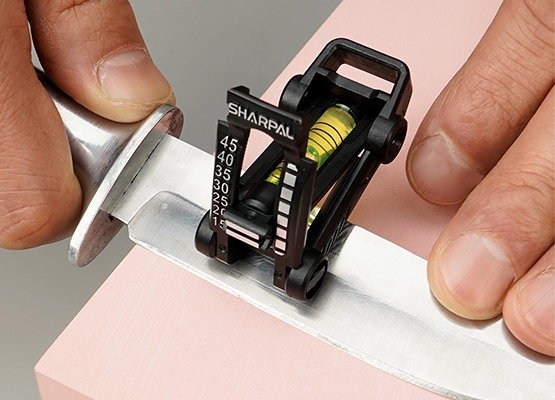
Core concepts: bevels, edge angle, and included angle
Bevel
- The sloped surface ground into the blade. Single-bevel knives have one face ground, double-bevel knives have both.
Edge angle
- The angle of a single bevel measured from the flat face to the edge.
Included angle
- The sum of both edge angles on a double-bevel blade. For example, two 15° edge angles make a 30° included angle.
Microbevel
- A small secondary bevel that strengthens the edge. It is often 0.5°–2° steeper than the main bevel.
This knife angle guide uses these terms. Learn them once. Then the rest is easy.
Why the right angle changes performance
Angle controls three main factors:
- Sharpness: Lower angles cut with less force.
- Durability: Higher angles resist impacts and wear.
- Use case: Hard tasks need strength. Fine tasks need thin edges.
Choose an angle that matches how you use the blade. A wrong angle wastes effort and shortens edge life. This knife angle guide helps you match angle to task.
Common angles and recommended uses
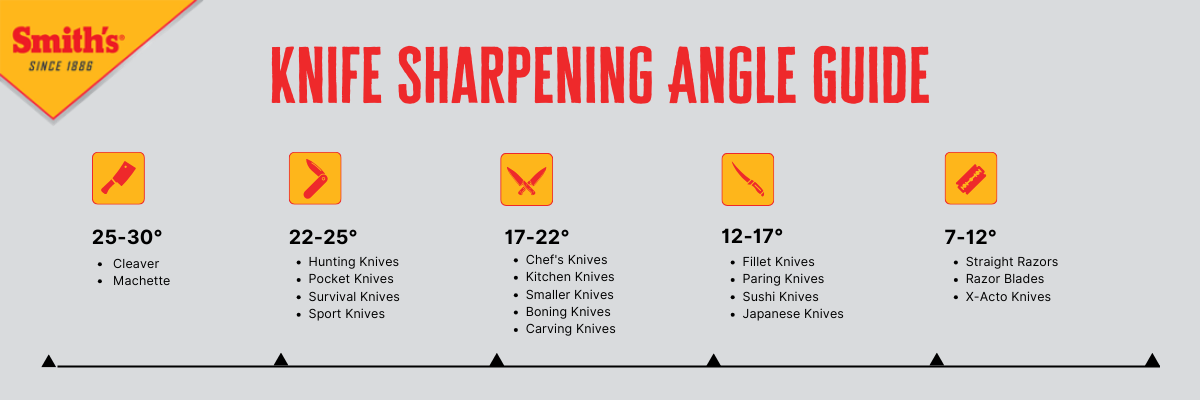
Kitchen chef knives
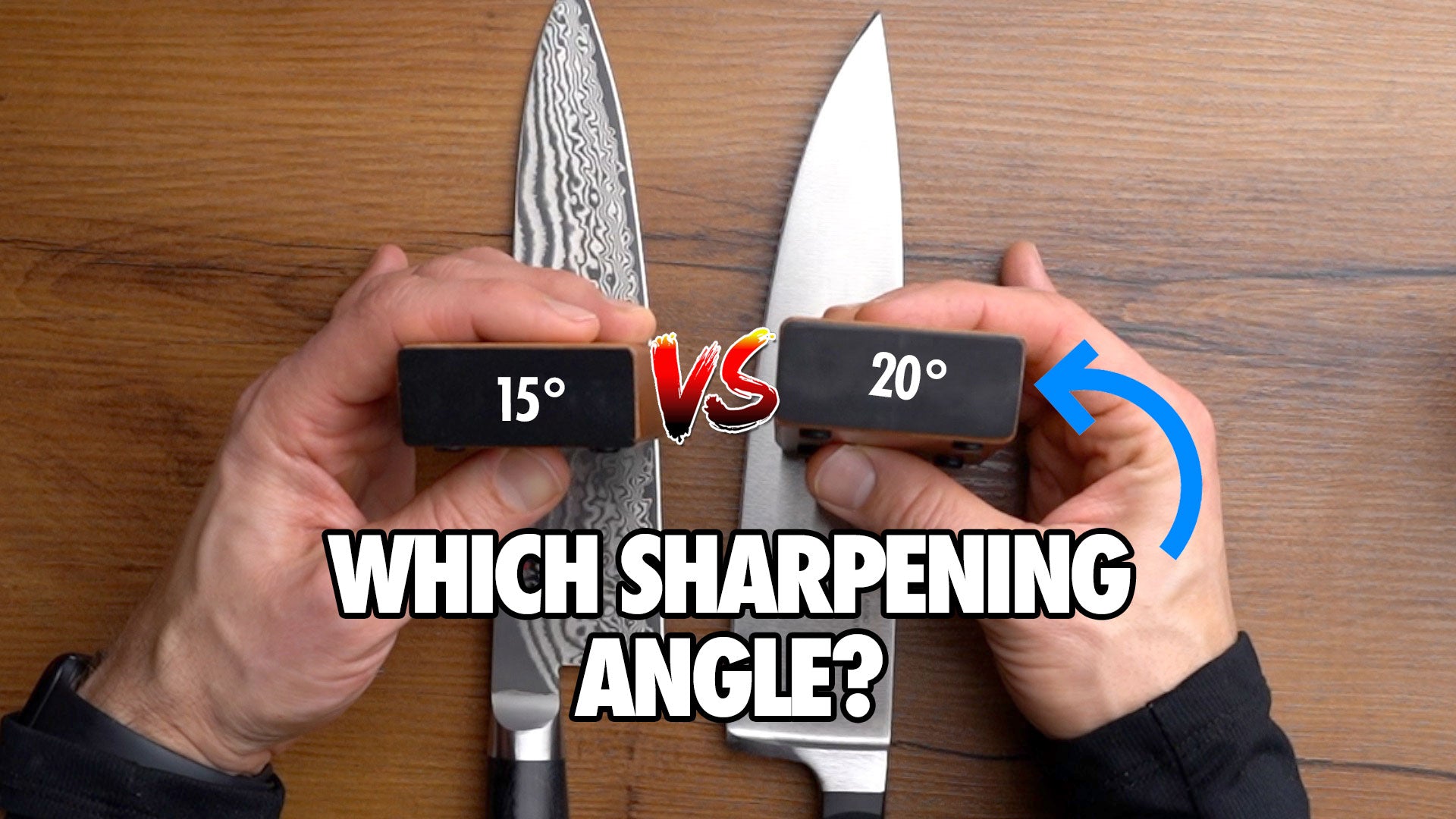
- 15°–20° per side (30°–40° included) for a balance of sharpness and durability.
Japanese-style knives
- 10°–15° per side (20°–30° included) for ultra-fine slicing and light work.
Pocket knives and outdoors
- 20°–25° per side (40°–50° included) for toughness and edge retention.
Heavy-duty survival and chopping knives
- 25°–30° per side (50°–60° included) for impact resistance.
Razors and straight-edge tools
- 5°–10° per side for extreme cutting. Use with care and specialized stropping.
This knife angle guide lists practical ranges. Use the numbers as a starting point. Then tune to your feel.
How to measure and set angles accurately
Tools to measure angle
- Angle guides that clamp to the spine.
- Digital angle meters for precise readings.
- Protractors or printable templates for rough checks.
Hand methods
- Use the "finger-width" trick as a quick guide. It is rough but useful in the field.
- Practice holding the blade and stone at the same posture every pass.
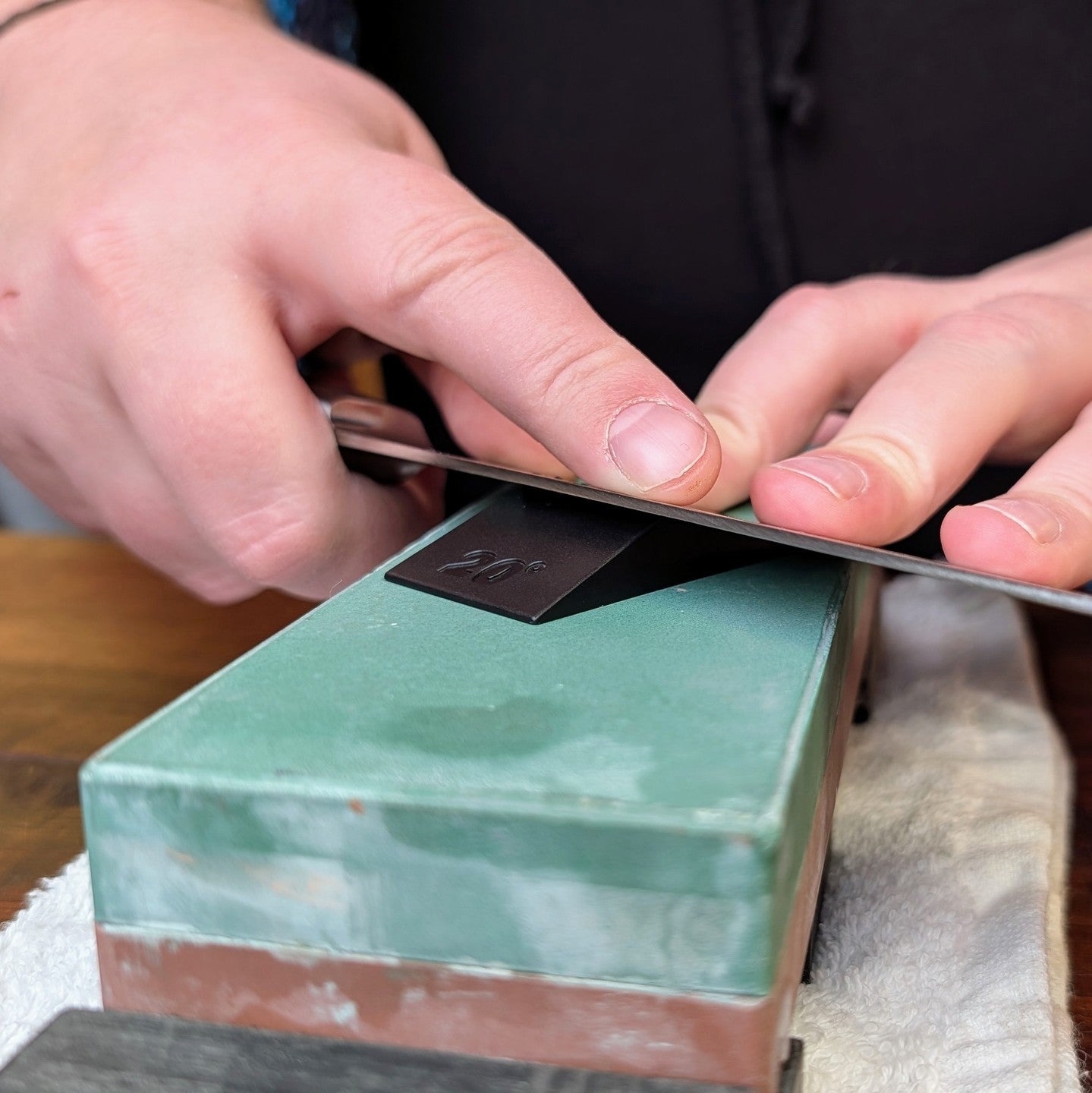
Setting angle with a stone or sharpener
- Rest the spine lightly on the stone. Raise the handle until you hit the desired angle.
- Use a guide jig to lock the angle if you need repeatability.
This knife angle guide helps you pick the right tool for accuracy and speed.
People also ask
How do I estimate a 20° angle without a tool?
- Hold the blade so the spine and stone form a shallow slope. Visualize half of a 40° included angle. Use small, consistent motions.
Is a lower angle always better for cutting?
- Not always. Lower angles cut better but chip faster. Choose based on the blade steel and task.
Can I change my knife angle permanently?
- Yes. Reprofiling a blade changes the primary bevel. It takes time and removes metal, so plan carefully.
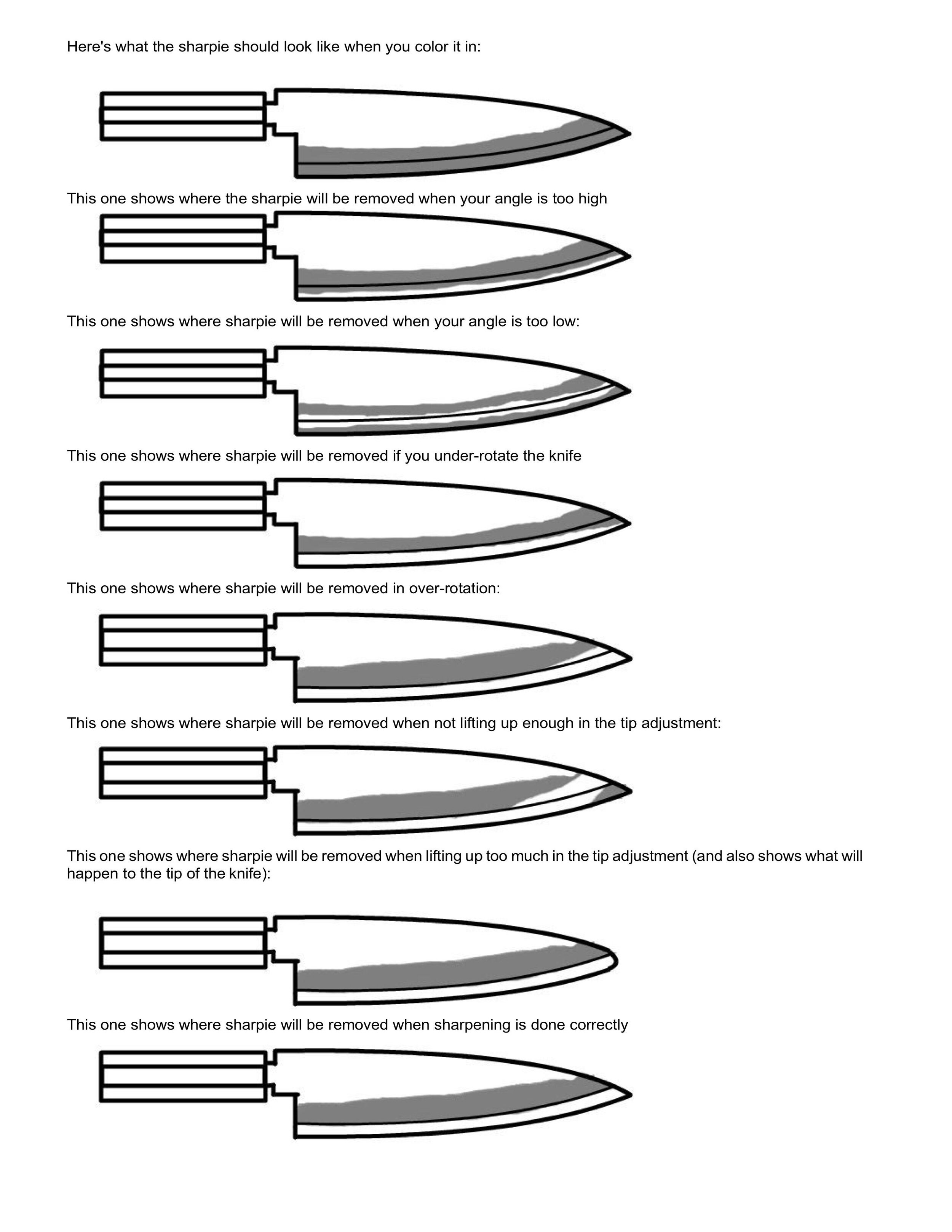
Step-by-step sharpening using a knife angle guide
Preparation
- Clean the blade and stone. Secure the stone on a non-slip pad.
- Decide the target angle based on this knife angle guide.
- Start with a coarse grit to set the bevel.
- Maintain the chosen angle on both sides with even strokes.
- Work until you feel a burr along the edge.
- Move to finer grits to refine and polish the edge.
- Finish with a strop for micro-bevel refinement.
Tips for even sharpening
- Count strokes per side. Switch often to balance wear.
- Keep pressure light on finishing grits.
- Inspect the edge often under light.
This knife angle guide gives steps that work for most blade types.
Tools, jigs, and sharpeners explained
Bench stones
- Offer control and grit progression. Great for custom angles in this knife angle guide.
Guided sharpening systems
- Use fixed clamps and angle rods. They give consistent results.
Electric sharpeners
- Fast and easy but less forgiving. Use correct angle slots and test on scraps.
Honing rods and strops
- Hone daily with a rod. Strop before use for razor-like sharpness.
Angle jigs and templates
- Help beginners hold steady. They also teach muscle memory.
Choose tools that match your skill and the knife angle guide’s recommendations.

Maintenance: how to keep the angle consistent
Daily care
- Hone with a rod at your working angle to realign the edge.
Periodic maintenance
- Reprofile only when the edge is too worn. Use coarse stones for reprofile.
Storage and use
- Avoid hard surfaces that chip a thin angle.
- Match cutting board hardness to your blade.
This knife angle guide stresses small habits. They prevent big fixes later.

Troubleshooting common angle mistakes
Edge is dull too fast
- Angle too low or steel too soft. Raise the angle a few degrees.
Edge chips frequently
- Angle too acute for the task. Increase angle and add a microbevel.
Uneven edge
- Inconsistent angle during sharpening. Use a jig or slow down.
Over-sharpened and thin
- You removed too much metal. Consider a higher angle when re-profiling.
Follow this knife angle guide to diagnose and fix issues quickly.
Personal experience and practical tips from the field
I sharpened hundreds of knives in home and pro kitchens. Early on I set angles by feel. That taught me to trust consistent posture. A single clamped jig saved me hours of guesswork. My main lessons:
- Start with conservative angles on expensive blades.
- Use progressive grits; rushing removes metal.
- Keep a small strop; it transforms a decent edge to excellent.
This knife angle guide reflects hands-on mistakes and fixes. Treat it as advice from a practicing user.
Related concepts and advanced options
Bevel types
- V-bevels, hollow grinds, and convex grinds change how the angle behaves.
Edge geometry trade-offs
- Thin edges slice well. Thick edges survive impacts.
Coatings and steels
- Hard steels hold thin angles longer. Softer steels need thicker angles.
Microbevel tuning
- Add a microbevel to increase strength without losing cut quality.
This knife angle guide encourages exploring these ideas for advanced results.
Frequently Asked Questions of knife angle guide
What is the best knife angle for kitchen knives?
For most kitchen knives, 15°–20° per side offers a good balance of sharpness and durability. Adjust slightly higher for softer steels.
How do I check my knife angle while sharpening?
Use an angle guide, digital meter, or visual templates. Practice with a jig until muscle memory takes over.
Can I sharpen all knives at the same angle?
No. Match angle to knife type, steel, and use. This knife angle guide recommends ranges for common knives.
How often should I hone versus sharpen?
Hone weekly or before use to realign the edge. Sharpen only when honing no longer restores the cut, usually after weeks to months.
Will a lower angle make my knife better?
A lower angle improves slice quality but reduces toughness. Choose lower angles for precise tasks and higher angles for hard work.
Is it safe to change the edge angle myself?
Yes, with care and the right tools. Reprofiling removes metal, so work slowly and test often.
Conclusion
A clear knife angle guide saves time and improves results. Use the angle ranges here as a starting point. Measure with tools, practice steady techniques, and protect your edges with regular honing and stropping. Start small, track what works, and adjust based on feel and task. Try one new angle this week and note the difference—then sharpen more confidently. Share your results or ask a question below to learn more.
Maliha Khatun has spent 5 years hands-on testing Japanese knives for everyday home cooks. She has evaluated over 60 blades across nakiri, santoku, gyuto, and petty categories — scoring each on edge retention, steel quality, handle comfort, and value for money. She writes to help home cooks buy the right knife without the guesswork.
Expertise:Japanese Knives • Vegetable Knives • Product Reviews • Kitchen Efficiency • Knife Care
Leave a Reply