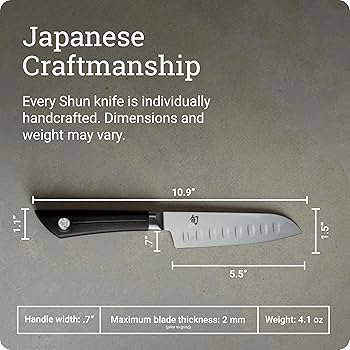
Knife weight guide: Choose weight by task, hand size, and balance for best control.
I have spent years testing knives in workshops and kitchens. This knife weight guide draws on hands-on experience and technical know-how. I will explain how weight affects performance, comfort, and safety. Read on to learn practical rules, clear ranges, and simple tests to pick the right knife weight for any use.
Why knife weight matters
Knife weight shapes how a blade feels and performs. A heavier knife gives power and momentum. A lighter knife gives speed and fine control. This knife weight guide helps you match weight to tasks like slicing, chopping, or carry.
Weight also affects fatigue and safety. The wrong weight can cause wrist strain or poor cuts. Knowing typical ranges saves money and time when choosing a knife.

Common weight categories and measurements
Knife weight is measured in grams and ounces. Use these simple categories to start. This knife weight guide lists practical ranges you will find in shops and online.
- Lightweight knives: 40 to 120 grams. Good for paring, EDC folding, and precision work.
- Midweight knives: 120 to 240 grams. Versatile; common for chef knives and daily carry.
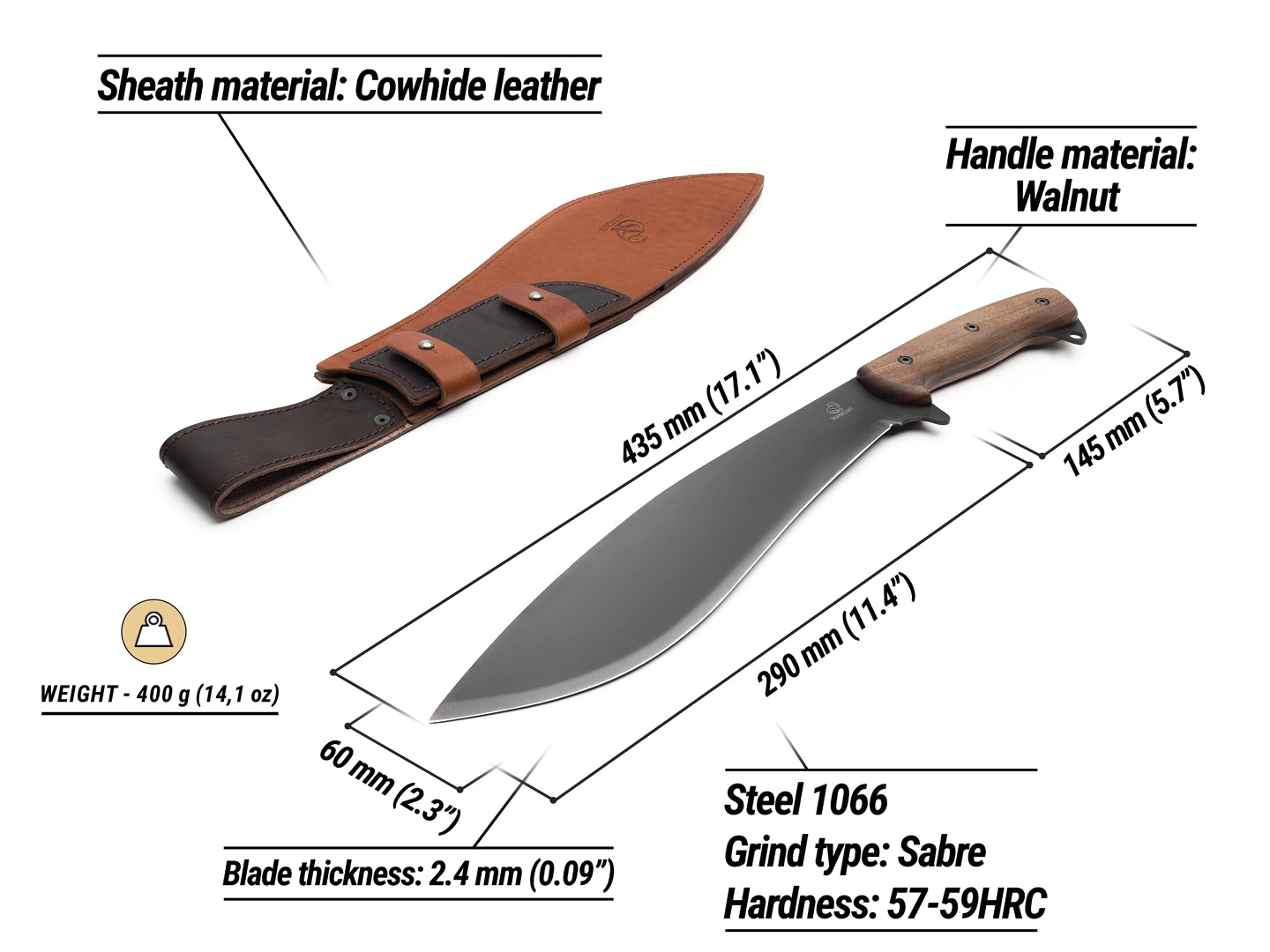
- Heavyweight knives: 240 grams and up. Best for cleavers, chopping, and rugged outdoor use.
Blade length and handle materials change these numbers. Full-tang steel blades with metal handles are heavier. Hollow or composite handles lower weight.

How to choose the right knife weight
Choose weight by task and your body. This knife weight guide gives a clear checklist.
- Define the primary use.
- Precision tasks favor light knives.
- Cutting dense material favors heavier knives.
- Consider hand size and strength.
- Small hands often prefer lighter knives for control.
- Stronger hands can handle heavier blades for power.
- Test balance and comfort.
- Hold the knife at the handle. See if it feels steady.
- If the tip drops or the handle feels too heavy, try another model.
- Think about carry and legal rules.
- For everyday carry, lighter and smaller knives are practical and lawful in many places.
Try a few models in store if possible. If you buy online, check the weight specs and compare them to knives you already own.

Balance and weight distribution
Weight alone is not the whole story. Balance is where weight sits. This knife weight guide stresses center of gravity and how it changes feel.
- Tip-heavy (forward-balanced) blades add cutting force. They are good for chopping and batoning.
- Handle-heavy blades feel more controllable and are better for detailed tasks.
- Neutral balance sits near the bolster. This feels stable for general use.
To test balance, rest the knife on your finger at the handle junction. If it tilts forward, it is tip-heavy. Try the same with different knives to compare feel.
 examples by use case”
style=”max-width: 100%; height: auto; border: 2px solid black; border-radius: 10px; display: block; margin: 0 auto;”
loading=”lazy”
/>
Practical examples by use case
Match knife weight to real tasks with these examples from this knife weight guide.
- Kitchen chef knife: 180 to 280 grams for a 8–10 inch blade. This gives power and control.
- Paring knife: 40 to 80 grams for precision peeling and trimming.
- Folding EDC: 50 to 150 grams depending on blade and handle. Lighter for pocket carry.
- Hunting/skinning knife: 120 to 300 grams; balance depends on cutting or chopping needs.
- Cleaver: 500 grams and up for heavy chopping and bone work.
These ranges are a starting point. Personal preference and knife design will change what feels best.

Maintenance, materials, and how weight changes over time
Materials influence weight and how it ages. This knife weight guide covers common factors that change weight.
- Steel type and thickness add weight. Thicker blades and full-tang builds are heavier.
- Handle materials matter. Wood and composite scales are lighter than solid steel.
- Sharpening removes steel and can slightly change balance. Heavy rust or buildup can add weight.
- Modifications like adding liners or scales change mass and balance.
Proper maintenance keeps weight and balance predictable. Clean, dry, and sharpen blades as needed. If balance shifts, a professional can adjust scales or liners.

Personal experience and practical tips
I have tested many knives over years. This knife weight guide reflects lessons from hands-on use.
- Tip: Always try an in-hand feel if you can. Online specs help, but feel wins.
- Mistake I made: Buying a heavy utility knife for precision work. It slowed me down.
- Adjustment trick: Small spacers or lighter scales can reduce handle weight without changing blade feel.
- Carry advice: For EDC, aim for weight that you forget in your pocket after a day.
Trust your hands. If a knife feels right in the first minute, it will likely stay comfortable.

Frequently Asked Questions of knife weight guide
What is the ideal weight for a chef knife?
Ideal chef knife weight varies by user, but 180 to 280 grams is common for an 8–10 inch blade. This range balances power and control for most cooks.
Does heavier mean better cutting?
Heavier knives add momentum and make chopping easier, but they are not always better. Lighter knives offer speed and precision for fine tasks.
How do I measure my knife’s balance point?
Rest the knife on your finger at the handle junction and move until it balances. The spot where it sits level is the balance point.
Can I change my knife’s weight?
Yes. You can change handle scales, add liners, or remove material to shift weight. Have a maker or experienced knifemaker do major changes.
Is knife weight important for self-defense knives?
Weight matters for control and speed in self-defense. Lighter knives favor quick deployment, while heavier blades add force. Check local laws before carrying any defensive knife.
How much does blade length affect weight feeling?
Longer blades often feel heavier even at similar mass. They change leverage and balance, so a longer knife may need less actual weight to feel heavy.
Final thoughts and next steps
Key takeaways: weight affects power, control, fatigue, and balance. Use this knife weight guide to match weight to task, hand size, and carry needs. Test knives in hand when possible and prefer neutral balance for general use.
Try one change at a time. Swap scales or test a new weight range for a week. Share your experience or questions below and subscribe for more hands-on knife advice.
Maliha Khatun has spent 5 years hands-on testing Japanese knives for everyday home cooks. She has evaluated over 60 blades across nakiri, santoku, gyuto, and petty categories — scoring each on edge retention, steel quality, handle comfort, and value for money. She writes to help home cooks buy the right knife without the guesswork.
Expertise:Japanese Knives • Vegetable Knives • Product Reviews • Kitchen Efficiency • Knife Care
Leave a Reply