Choose a chef's knife of good steel, a comfortable handle, right size, and easy maintenance.
I have spent years testing knives in home and professional kitchens. This guide explains how to choose kitchen knife with clear, practical advice. I blend hands-on experience with industry knowledge so you can pick the right blade fast. Read on to learn the steps, the trade-offs, and the things most reviewers miss.

Why the right knife matters
A good knife speeds prep, improves safety, and makes food taste better. Choosing the wrong blade leads to frustration, dull edges, and more kitchen accidents. Learning how to choose kitchen knife helps you cook with confidence and save money over time.
- Faster prep: a sharp, well-balanced knife cuts food in fewer strokes.
- Safer handling: the right grip and balance reduce slips and wrist strain.
- Better results: proper knives protect food structure and texture.
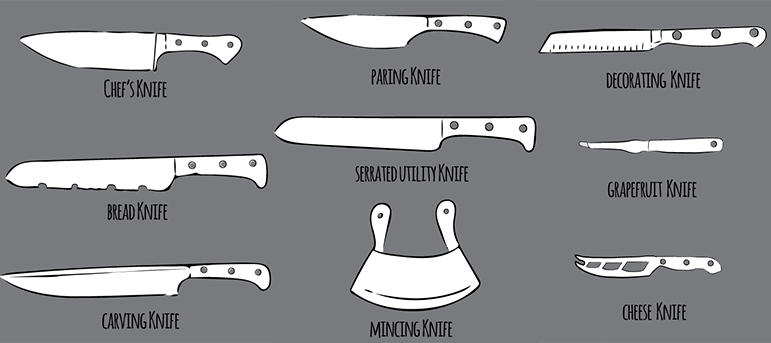
Knife types and when to use them
Understanding knife roles is the first step in how to choose kitchen knife. Match the blade to tasks to get the best result.
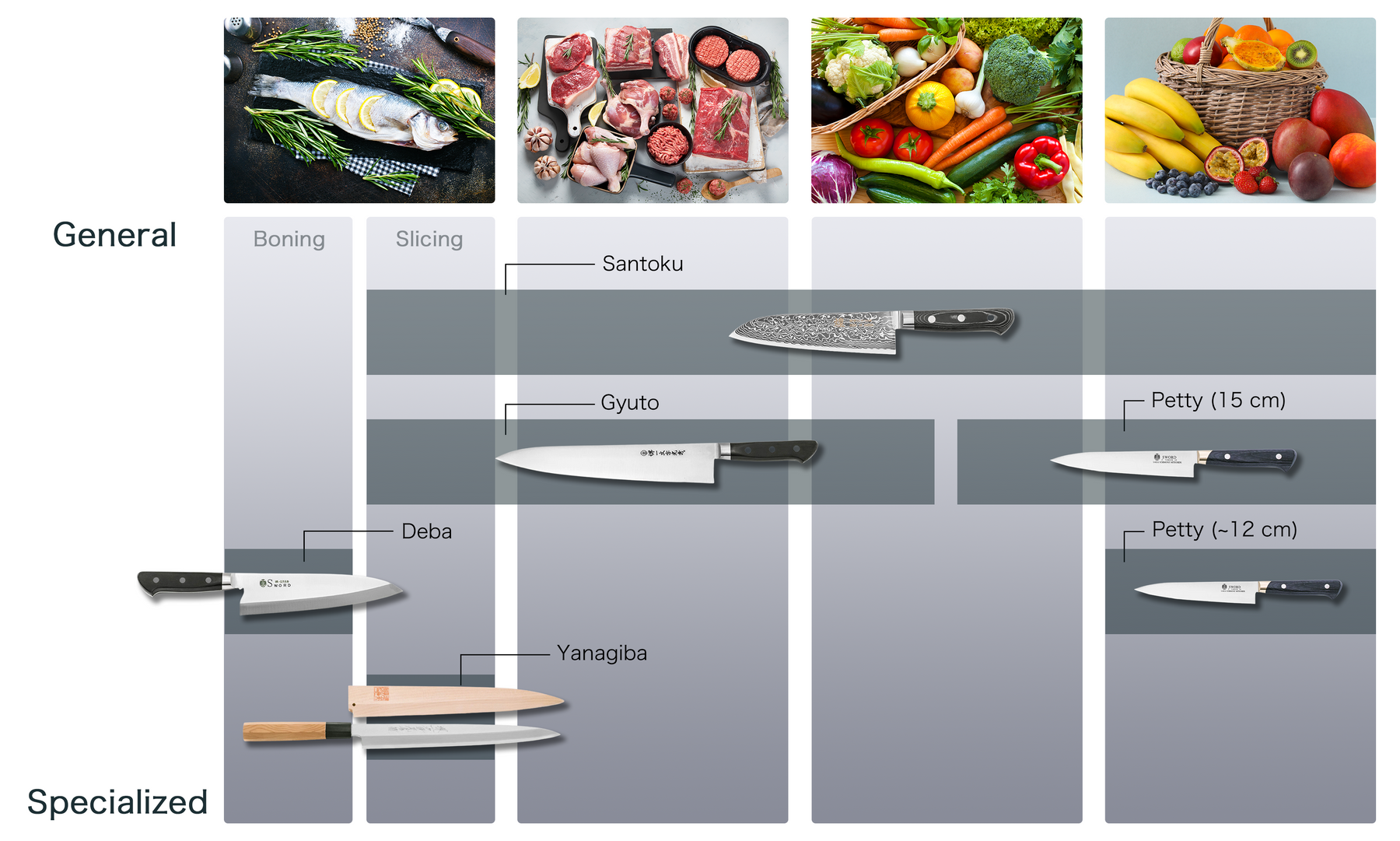
- Chef's knife: versatile, 8–10 inches, for chopping, slicing, and dicing.
- Paring knife: small, 3–4 inches, for peeling and detail work.
- Santoku: Japanese all-rounder, flatter edge for push cuts and thin slicing.
- Serrated/utility: for bread and tomatoes, or delicate crusts.
- Boning/deboning: narrow, stiff or flexible blades for meat and fish.
I kept just three knives for years: chef's, paring, and serrated. That simple set handled 95% of my meals. When you know how to choose kitchen knife by task, you buy less and use more.
Blade materials and construction
Blade steel and construction affect edge life and care. This is a central part of how to choose kitchen knife.
- Stainless steel: resists rust, low maintenance, may need frequent sharpening.
- High-carbon steel: sharpens easily and holds an edge, needs care to avoid stains.
- Powdered steels and alloys: high performance, longer edge life, often pricier.
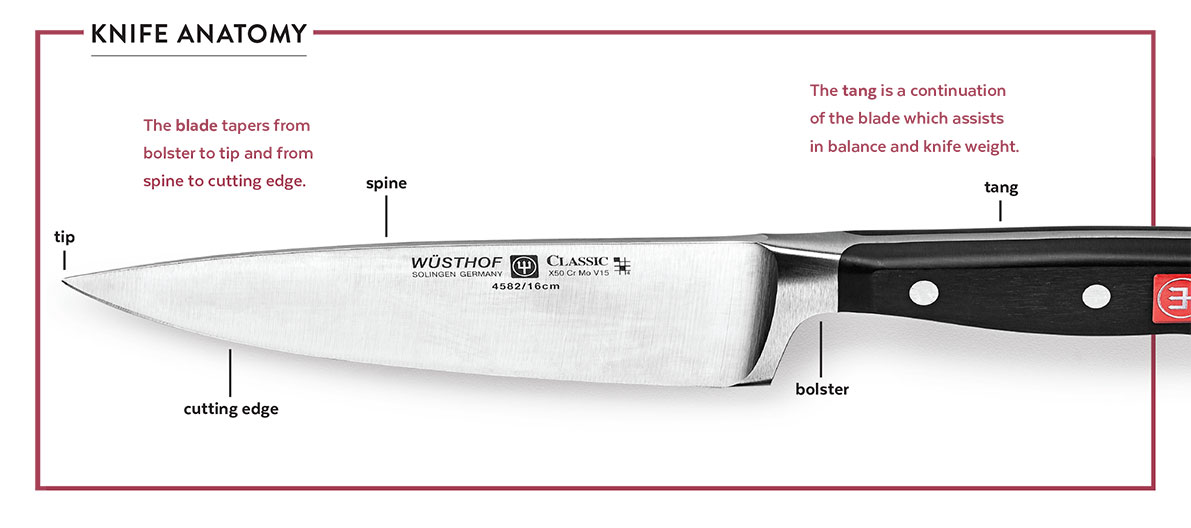
- Forged vs stamped: forged blades often feel heavier and more balanced; stamped blades are lighter and usually cheaper.
Look for full-tang construction for balance and durability. Heat treatment and blade hardness determine how long the edge stays sharp. I once tested two knives of the same brand; the one with better heat treatment stayed sharper twice as long. That taught me to value construction over looks.
Handle design and ergonomics
Comfort matters in how to choose kitchen knife as much as steel. A good handle reduces fatigue and improves control.
- Materials: wood feels warm; composite and resin are low-maintenance and sanitary.
- Shape: ergonomic contours support natural grip and reduce slippage.
- Balance: the center of balance should be near where the blade meets the handle for control.
Try knives in hand before buying when you can. I had a high-rated knife that cut poorly for me because the handle hit my palm wrong. Personal fit matters.

Size, weight, and balance
Size and weight influence speed and control. These factors are key when you learn how to choose kitchen knife.
- Blade length: 8-inch chef's knife fits most home cooks; shorter for small hands, longer for large prep.
- Weight: heavier knives cut with momentum; lighter knives give nimble control.
- Balance: look for a knife that feels even in hand, not blade-heavy or handle-heavy.
If you do long prep sessions, favor comfort over flash. I prefer a balanced 8-inch chef's knife. It cuts fast and rarely makes my wrist sore.

Maintenance: sharpening, honing, and care
Care routine affects long-term value and is essential when deciding how to choose kitchen knife.
- Honing: realigns the edge; use a steel or ceramic rod regularly.
- Sharpening: removes material to form a new edge; use stones or professional services.
- Washing: hand wash and dry immediately to protect steel and handle.
Plan a care routine you will follow. A top-tier steel is wasted if left blunt. I sharpen my knives monthly and hone daily; this keeps prep fast and safe.

How to choose kitchen knife: step-by-step guide
Follow these steps to pick a knife that fits your needs and budget.
- Assess your cooking style and tasks.
- Cook for two, then start with chef's and paring knives.
- Set a realistic budget.
- Mid-range knives often offer the best value for home cooks.
- Choose steel type based on care willingness.
- If you hate maintenance, pick stainless; if you love edge performance, choose high-carbon.
- Test the handle feel and balance in hand.
- If you cannot test in person, read multiple hands-on reviews.
- Evaluate warranty and sharpening services.
- Brands that offer sharpening or good warranties reduce long-term cost.
I used this exact method when buying my last knife. It led me to a solid mid-range forged blade that outperformed a flashy, expensive alternative. That real-world win proves the process works.

Buying tips and budget
Smart buying saves money and improves results. These tips help when you compare options.
- Avoid impulse buys based on looks alone.
- Prioritize construction and fit over brand name.
- Consider a test set or local kitchen store demo days.
- Buy from sellers with clear return policies and warranties.
- If new to sharpening, factor in stone or professional service costs.
A mid-priced knife from a reputable maker will often outperform an expensive showpiece. I recommend buying one reliable blade and learning to care for it well.
Frequently Asked Questions of how to choose kitchen knife
What knife should a beginner buy first?
A beginner should buy an 8-inch chef's knife and a small paring knife. These cover most prep tasks and help you learn knife skills safely.
How do I know what size knife fits me?
Size depends on hand size and cooking habits; try different lengths in hand. If buying online, choose 8 inches for general use or shorter if you have small hands.
Is stainless or high-carbon better for home cooks?
Stainless is easier to maintain and resists stains; high-carbon holds an edge longer but needs care. Choose based on how much maintenance you will do.
How often should I sharpen my kitchen knives?
Sharpening frequency depends on use and steel; many home cooks sharpen every 1–3 months. Hone lightly before each use to extend sharpness between sharpenings.
Can I put my kitchen knife in the dishwasher?
No; the dishwasher can dull edges, damage handles, and cause corrosion. Wash knives by hand and dry them immediately to preserve the blade.
Conclusion
Choosing the right knife changes how you cook. Focus on task fit, blade steel, handle comfort, and realistic care needs to make a smart choice. Start with the steps here, try a few in hand, and commit to simple maintenance habits. Take action: test a knife at a local store, pick one reliable blade, and practice proper care to get the most from your purchase. Leave a comment about your knife choice or ask a question below.

Maliha Khatun has spent 5 years hands-on testing Japanese knives for everyday home cooks. She has evaluated over 60 blades across nakiri, santoku, gyuto, and petty categories — scoring each on edge retention, steel quality, handle comfort, and value for money. She writes to help home cooks buy the right knife without the guesswork.
Expertise:Japanese Knives • Vegetable Knives • Product Reviews • Kitchen Efficiency • Knife Care
Leave a Reply