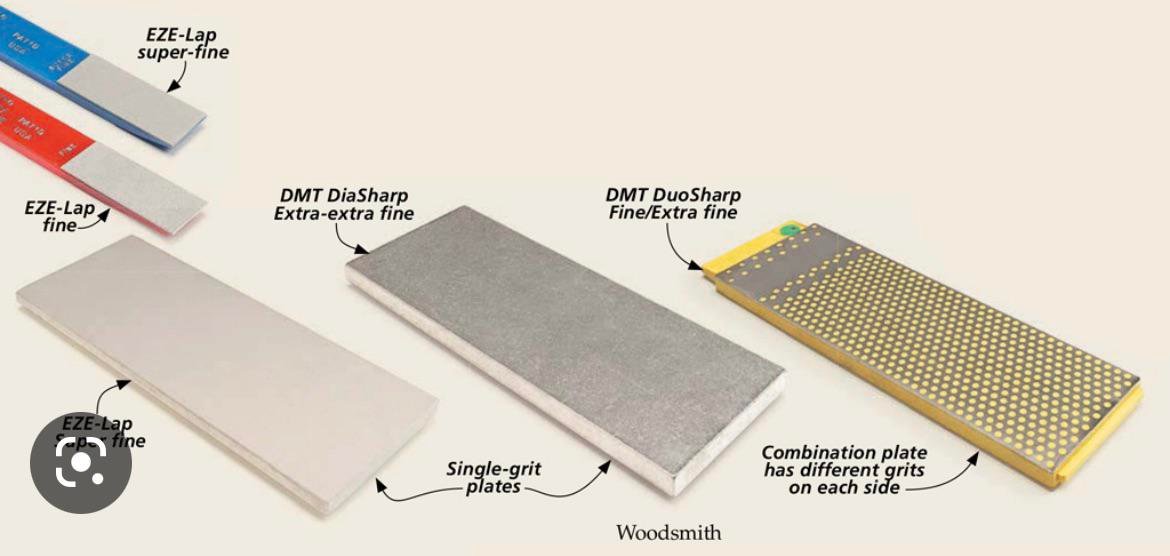
Ceramic is fast and simple; whetstones give finer control and better edges.
If you want a sharp edge that lasts, you need to understand ceramic vs whetstone sharpening. I’ve sharpened hundreds of knives for home cooks, chefs, and outdoor folks. In this guide, I break down both systems, share what actually works, and help you pick the right path for your knives and skills. Read on for clear steps, real tests, and pro tips you can trust.
-1602-p.jpg?v=26102022-154219 "Ceramic Vs Whetstone Sharpening: Which Wins In 2026 2")
How ceramic sharpeners work
Ceramic sharpeners use very hard ceramic. They cut steel by abrasion with fine grit. You often see them as rods or fixed-angle tools. They shine for quick touch-ups and fast results.
Ceramic can refresh a dull edge in a few minutes. It is clean and dry, with no soak or slurry. But ceramic loads with metal fast. You must clean it to keep it cutting well.
Ceramic vs whetstone sharpening comes down to control. Ceramic is simple and quick. Whetstones offer more options and a finer finish.
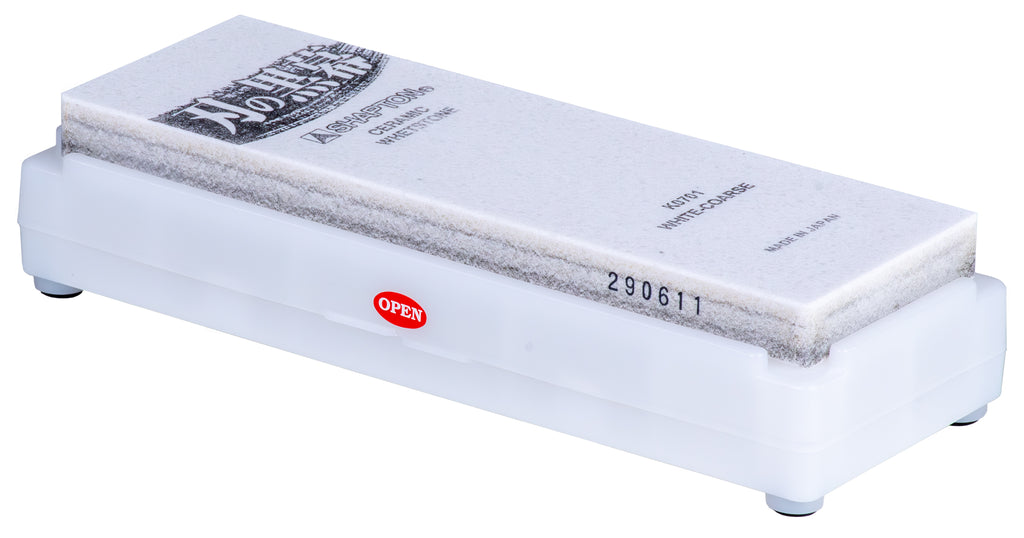
How whetstones work
Whetstones are flat stones with grit. They can be water stones or oil stones. They form a slurry that cuts and polishes the edge. You set the angle by hand on the stone.
Stones range from coarse to ultra fine. Coarse fixes chips and sets the bevel. Medium grits refine and sharpen. Fine grits polish and boost push-cut power.
Ceramic vs whetstone sharpening differs in feedback. Stones give a clear feel and sound. That feedback helps you hold a steady angle and read the burr.
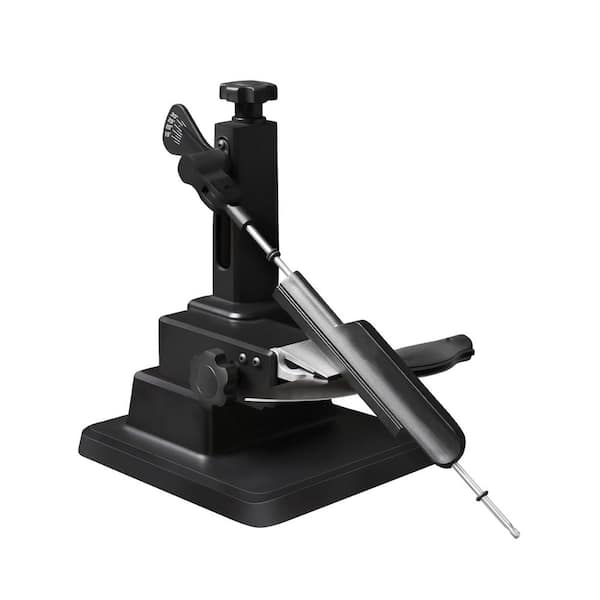
Ceramic vs whetstone sharpening: key differences
Speed and setup:
- Ceramic is grab-and-go. No soak. Fast touch-ups.
- Whetstones need water, flattening, and more time.
Control and finish:
- Ceramic rods often lock you into one radius and grit.
- Stones let you pick any grit and angle, with a flat surface.
Edge quality:
- Ceramic can leave a crisp, toothy edge.
- Stones can give both toothy and mirror edges.
Steel match:
- Ceramic works well on common kitchen steels.
- Stones handle tough steels and full regrinds better.
From my bench tests, ceramic vs whetstone sharpening shows a clear split. Ceramic wins for quick maintenance. Stones win for full edge work and top performance.
Which should you choose?
Choose ceramic if:
- You want fast upkeep between cooks.
- You prefer simple tools with little mess.
- Your knives are soft to mid-grade steel.
Choose whetstones if:
- You want max sharpness and control.
- You need to fix chips or change angles.
- You own premium steels or thin Japanese blades.
A mix often works best. I use ceramic for mid-week touch-ups. I use stones for full sharpening. That blend makes ceramic vs whetstone sharpening a smart, flexible plan.

Grits and edge goals
Common ceramic grit is fine to extra fine. It suits maintenance. It does not set bevels well.
Whetstone grits:
- 200–400 for repairs.
- 800–1000 for sharpening.
- 2000–3000 for refining.
- 6000–8000 for polishing.
Match grit to task. If your knife slips on tomato skins, use 1000 grit. If you want paper-slicing push cuts, go 3000–6000. This is where ceramic vs whetstone sharpening shows its range.
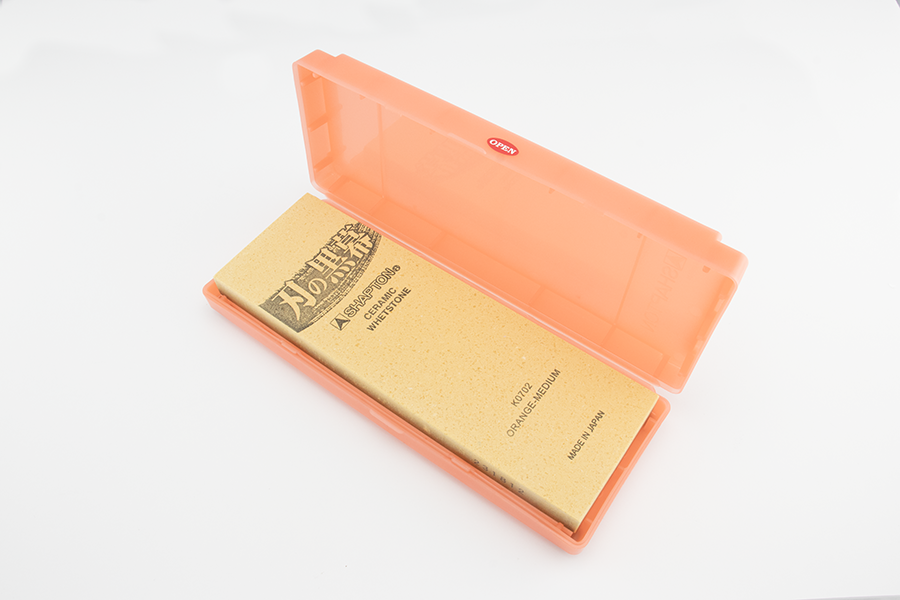
Step-by-step: ceramic vs whetstone sharpening
Ceramic rod touch-up:
- Hold the rod vertical. Keep a steady 15–20 degrees.
- Make light strokes, 6–10 per side. Use the same count.
- Test. Repeat if needed. Clean the rod after.
Whetstone session:
- Soak water stones if needed. Secure on a base.
- Set angle. Use even strokes, light to medium pressure.
- Raise a burr along the edge. Flip and repeat.
- Progress grits. Finish with very light strokes.
- Strop on leather or newsprint if you like.
I teach students to slow down and count strokes. That builds muscle memory. It also makes ceramic vs whetstone sharpening more repeatable.
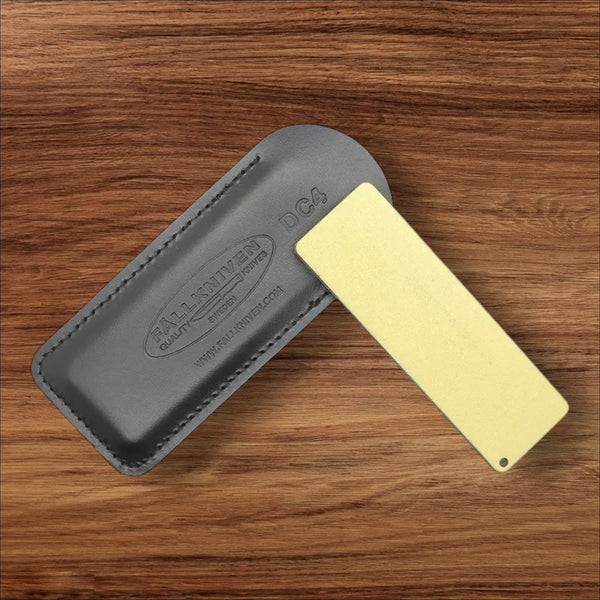
Burr control and edge types
A burr is a thin lip of steel at the edge. You must raise it, then remove it. This is the key step most users skip.
For a toothy edge, stop around 1000–2000 grit. It bites into skins and ropes. For a polished edge, go higher and strop. That glides through soft produce and protein.
Ceramic vs whetstone sharpening affects burr feel. Stones give strong feedback. Ceramic gives less feel, so be gentle and test often.
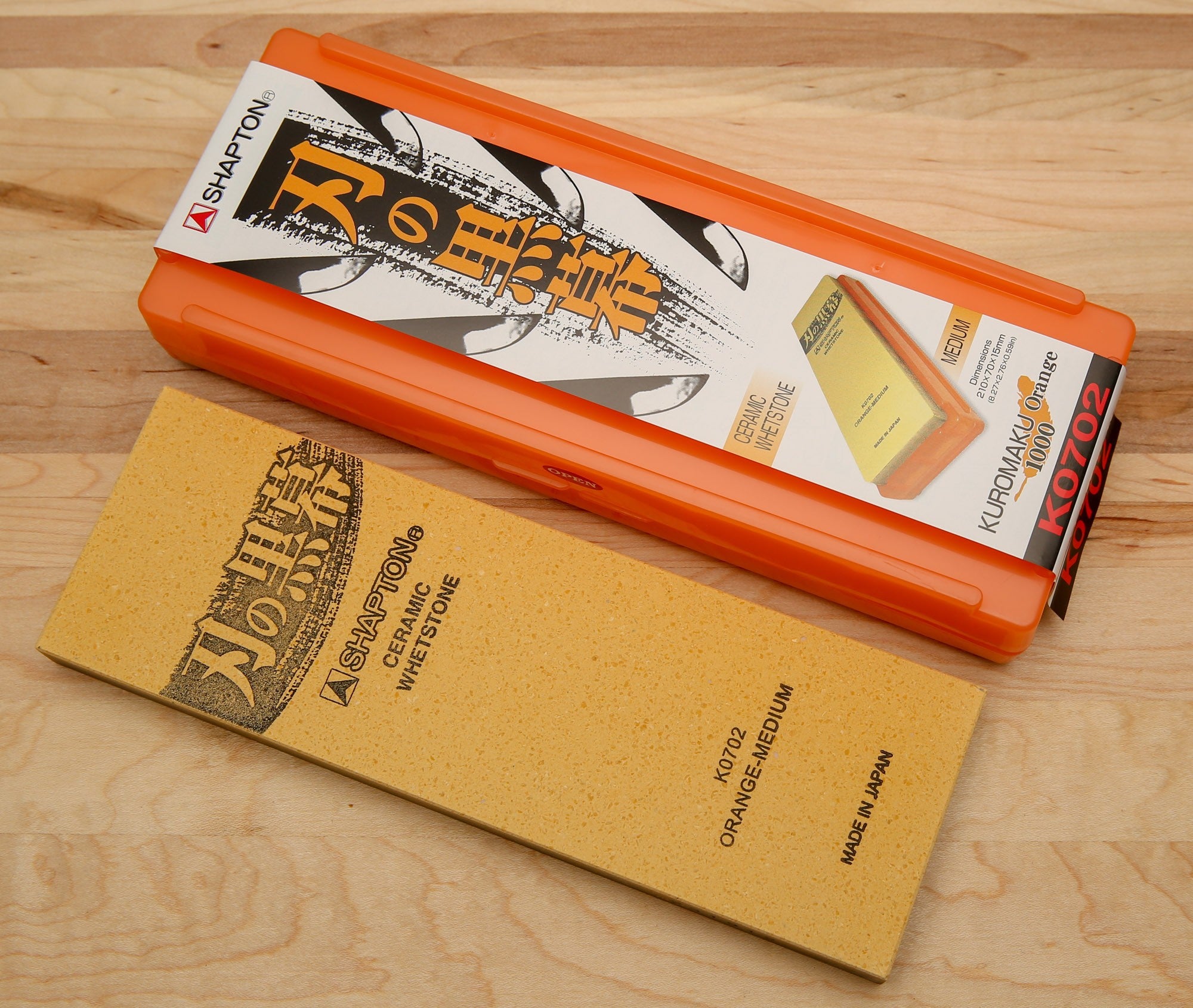
Common mistakes and how to avoid them
- Using too much pressure. Let the grit cut. Heavy force kills the apex.
- Wobbling the angle. Lock your wrist. Use shorter strokes at first.
- Skipping coarse work. Do not jump to fine grit before a burr forms.
- Not cleaning or flattening. A loaded rod or dished stone will not cut.
I once tried to “save time” by jumping grits. The edge looked shiny but failed on onions. Lesson learned. In ceramic vs whetstone sharpening, process beats speed.
Care and maintenance of tools
Ceramic:
- Scrub with an eraser block or Bar Keeper’s Friend.
- Rinse and dry. Store with a guard.
Whetstones:
- Flatten with a lapping plate or coarse stone.
- Keep stones clean. Rinse the slurry when needed.
- Dry fully to avoid cracks. Store flat and cool.
Good care keeps cuts clean and fast. It also makes ceramic vs whetstone sharpening cheaper over time.
Matching tools to steel and tasks
Soft European knives:
- Ceramic for weekly upkeep.
- 1000 grit stone each month for a reset.
- Stones from 1000 to 3000 or 6000.
- Minimal ceramic use to avoid chipping.
Outdoor and serrated:
- Ceramic rods reach small gullets and curves.
- Stones shape and reset the edge before field use.
If you slice a lot of crusty bread or rope, keep some tooth. If you prep fish or sushi, chase polish. That is the heart of ceramic vs whetstone sharpening choice.
Cost, time, and portability
Ceramic rods are low cost and light. They travel well in a roll or pack. They shine for camp or catering gigs.
Whetstones cost more if you add bases and flatteners. They take time and a stable space. But they do more jobs and last for years.
I track sessions in a log. For me, ceramic vs whetstone sharpening time splits 15 minutes vs 45 minutes. The extra time pays off when I need show-piece edges.
Safety tips
- Slow, steady strokes. Do not swing the blade.
- Keep fingers clear of the edge path.
- Dry handles and stones to prevent slips.
- Use a base that does not move.
A safe setup builds good habits. It also keeps your edge even and clean. That alone improves results in ceramic vs whetstone sharpening.
Frequently Asked Questions of ceramic vs whetstone sharpening
Is ceramic or whetstone better for beginners?
Ceramic is easier to start with and quick to use. Whetstones need more practice but deliver better control and results.
Can ceramic replace a full whetstone setup?
Not for heavy work like chips or bevel resets. It is best for touch-ups between stone sessions.
What angle should I use for kitchen knives?
Most western kitchen knives work well at 15–20 degrees per side. Thin Japanese blades often prefer 12–15 degrees.
How often should I sharpen on stones?
For home cooks, every 4–8 weeks is common. Use a ceramic rod or strop for weekly touch-ups.
Do I need to strop after ceramic or stones?
Stropping helps remove the last burr and smooth the edge. It is optional but adds a nice boost to sharpness.
Conclusion
Ceramic vs whetstone sharpening is not a fight. It is a toolkit. Use ceramic for fast touch-ups. Use stones when you want full control, longer life, and a custom edge. Mix both and you will get sharp, safe, and repeatable results.
Pick one knife today and try a short session. Log your angle, strokes, and grit. Then test on paper or tomato skins. Want more guides like this? Subscribe for weekly tips and ask your questions in the comments.
Maliha Khatun has spent 5 years hands-on testing Japanese knives for everyday home cooks. She has evaluated over 60 blades across nakiri, santoku, gyuto, and petty categories — scoring each on edge retention, steel quality, handle comfort, and value for money. She writes to help home cooks buy the right knife without the guesswork.
Expertise:Japanese Knives • Vegetable Knives • Product Reviews • Kitchen Efficiency • Knife Care
Leave a Reply