Keep it dry, use wood boards, sharpen often, and store it safely.
If you love the clean slice of a gyuto or the laser feel of a petty, you want that edge to last. I’ve spent years in pro kitchens and at the stone. This guide distills the most effective japanese knife longevity tips, backed by practice and sound care. Stick with me, and you will keep your blade sharper, longer, with less effort.
Know Your Steel: Why It Matters For Lifespan
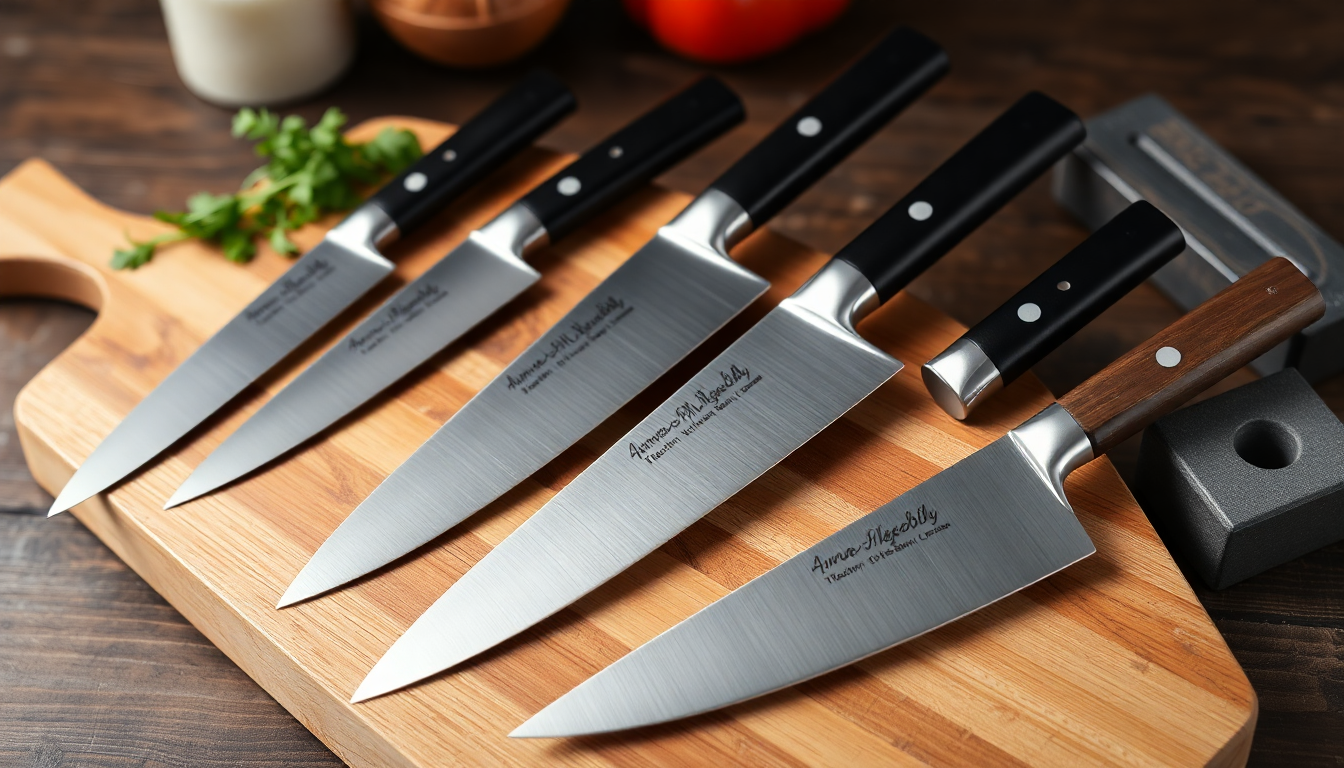
Japanese blades often run harder than Western knives. Many sit between 60 and 65 HRC. That hardness gives wild sharpness but needs smart care. The right habits depend on the steel.
Here is how I break it down:
- White and Blue carbon steels. Take a scary edge fast. React with water and acid. They like quick drying and light oil.
- Stainless and semi-stainless like VG-10, AUS-10, Ginsan, SG2/R2. Better rust resistance. Still need hand wash and dry at once.
- Powder steels (SG2, SRS-15). Hold an edge longer. Need stronger stones and steady angles.
Key japanese knife longevity tips here:
- Match steel to your use. Wet prep and fast pace favor stainless. Slow, careful work can use carbon.
- Aim for an edge angle of 12–15° per side. More acute for soft items. Add a tiny micro-bevel for durability.
- Avoid bones, frozen food, or hard rinds. These chip hard steel fast.
My note: I once chipped a Blue #2 gyuto on a squash stem. One lazy twist cost me a full regrind. Since then, I use a cheap beater for tough jobs and keep my main blade for true cuts.
Cutting Boards And Technique: Where Edges Live Or Die
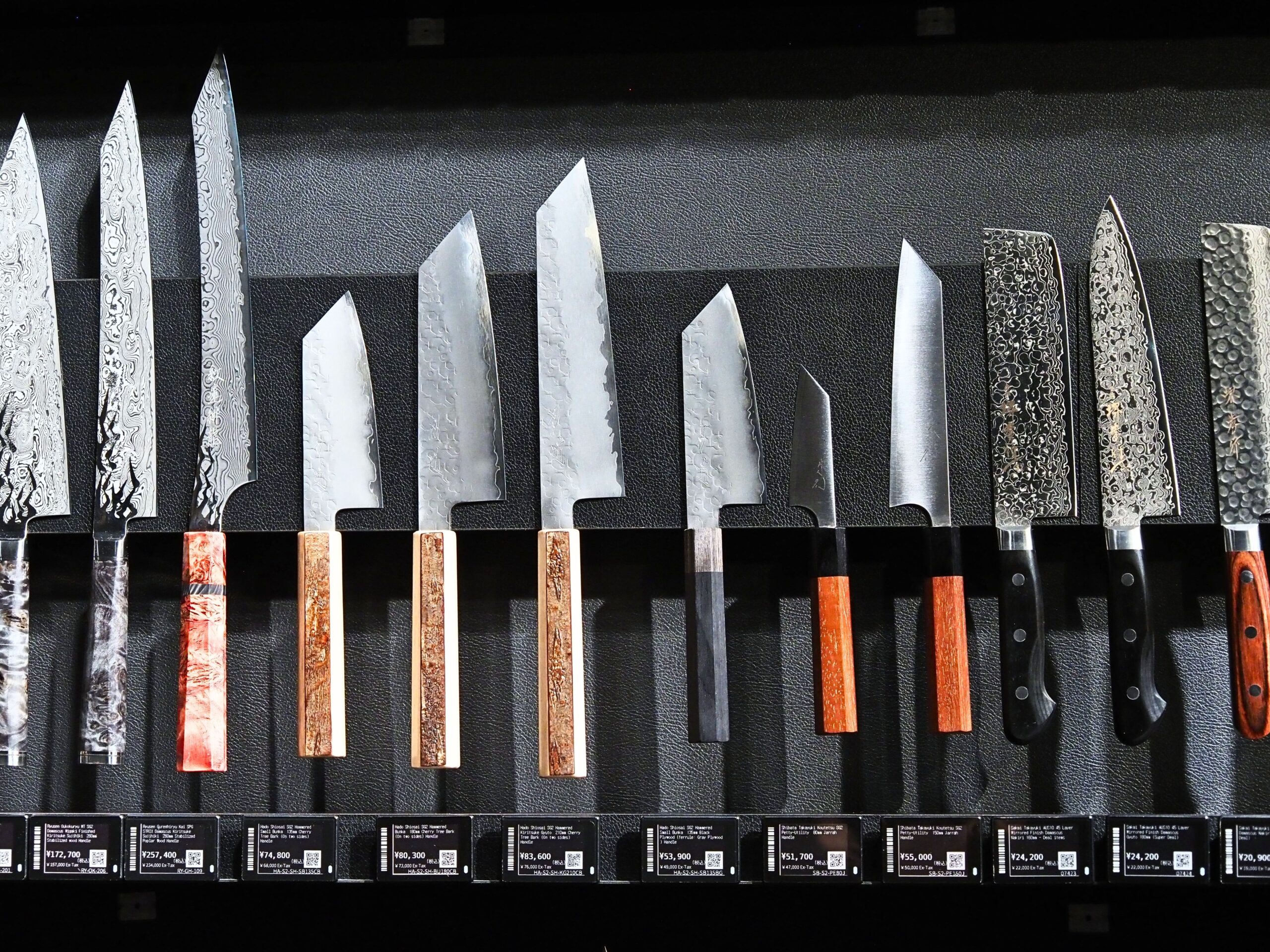
Your board is the road under your tires. Glass or ceramic is a pothole. End-grain wood is a smooth highway.
Use these rules:
- Choose end-grain maple, walnut, or hinoki. They give under the edge and slow dulling.
- Keep boards clean and dry. Grit on the board is sandpaper for your edge.
- Use a soft touch. Let the knife do the work. Lift, cut, and pull through. Do not twist, pry, or scrape the board with the edge.
More japanese knife longevity tips:
- Flip the board and rotate zones. Spread wear out over a larger area.
- Use a bench scraper to clear food. Never drag the edge sideways.
Personal tip: I switched to end-grain years ago. Edge life jumped by weeks. The feel is night and day.

Daily Care: Wash, Dry, And Store The Right Way
Routine care beats repairs. It takes one minute and adds years to your blade.
Follow this simple loop:
- Rinse by hand right after use. Warm water, drop of mild soap, soft sponge. No dishwasher.
- Dry at once with a clean towel. Get the spine, choil, and around the handle.
- Store in a saya, edge guard, or on a clean magnetic strip. Never loose in a drawer.
Extra japanese knife longevity tips:
- During long prep, wipe the blade often. Moisture and acid can stain fast.
- After service, add a thin coat of camellia or food-safe mineral oil on carbon steel.
Fact check note: Dishwashers mix heat, caustic soap, and rattle. That mix warps handles, causes micro-chips, and rust. Hand care is safer and faster.

Sharpening And Honing: Keep The Edge Without Overdoing It
Sharp knives are safer and last longer. The trick is a steady plan. Not too much, not too little.
Here is a simple plan I use:
- Light maintenance. Strop on leather, balsa, or even newsprint each day. Ten passes per side.
- Weekly touch-ups. A few strokes on a 3000–6000 grit stone. Raise a small burr, then clear it.
- Full sharpen. When bites fade or you feel slides. Start at 800–1000, move to 3000–6000, finish with light strops.
More japanese knife longevity tips:
- Keep a steady angle, about 12–15°. Use a sharpie on the bevel if you need help.
- Add a tiny micro-bevel at 1–2° higher. It stops chipping and still cuts clean.
- Avoid steel honing rods on hard Japanese blades. Use ceramic if needed, and keep it light.
Real-world example: In the line, I strop during breaks. It takes 30 seconds and saves me from full sessions midweek.

Rust, Patina, And Stain Control
Carbon steel will darken over time. That natural patina is a shield, not a flaw. Rust is what you must stop.
Do this:
- Wipe and dry right after cutting acidic foods like lemons or onions.
- Build a light patina by slicing cooked meat or wiping with a warm, damp cloth, then fully drying.
- Use a rust eraser or soft abrasive if orange spots appear. Move gently along the blade, not across.
Key japanese knife longevity tips:
- Oil carbon steel thinly before storage if you live by the sea or in humid areas.
- Avoid bleach and strong alkali. They pit steel and weaken edges fast.
Small warning: Forced patinas can be fine but can also be blotchy. If you try it, go slow, and stop if the finish looks rough.

Handle Care: Wood, Composites, And Humidity
Handles deserve love too. A cracked or swollen handle is a safety risk.
Care basics:
- Wipe handles dry after each wash. Do not soak.
- For wood or wa handles, rub a tiny bit of board oil or wax monthly.
- Keep knives out of extreme heat or sun. Heat loosens glue and ferrules.
Helpful japanese knife longevity tips:
- If you see a small gap at the ferrule, seal it with food-safe wax to block water.
- Pakkawood, micarta, and G-10 are tougher, but still need drying after use.
I once left a ho-wood handle near a hot line. It shrank and split in a week. Now I store knives away from heat, always.

Safe Transport And Work Habits
Most chips happen outside cutting. Moving the knife is where accidents start.
Use these steps:
- Always use a saya or edge guard in a roll or case.
- Keep silica gel packs in your roll if you carry carbon knives.
- Never store your roll damp. Open it at home and let it air.
More japanese knife longevity tips:
- Use a beater knife for bins, crates, or stubborn plastic.
- If the blade falls, step back. Do not try to catch it.
One fall onto tile can take months of edge life. A cheap guard prevents that.
Troubleshooting: Chips, Bends, And Dulls
Things happen. Fix small issues early and you will save steel.
Here is my triage:
- Minor micro-chips. A few light passes on 1000 grit, then polish at 3000–6000.
- Larger chips. Set a new bevel at 400–800. Keep it cool and steady.
- Bent tip. Lay the bend on a stone and tap very lightly with a wooden block. If unsure, see a pro.
Extra japanese knife longevity tips:
- If you feel a wire edge or drag in paper, you likely have a burr. Strop more or cut into soft wood once to clear it.
- If your edge fails fast, add a micro-bevel or raise the angle by 1–2°.
When the knife has deep chips, weird bevels, or over-grinds, I ship it to a trusted sharpener. A pro can save you time and steel.
Cost-Saving Setup That Extends Life
You do not need a huge kit. You need a smart one.
Start simple:
- Two stones: 1000 and 3000–6000. Add a flattening plate.
- A leather or balsa strop with 1 micron compound.
- A wood end-grain board and a silicone mat to stop slip.
Budget-friendly japanese knife longevity tips:
- A decent ceramic rod beats a cheap steel rod for hard blades.
- A basic edge guard saves more edges than any fancy tool.
Spend once on the right pieces. Your knife and your wallet will thank you.
Frequently Asked Questions of japanese knife longevity tips
How often should I sharpen a Japanese knife?
For home cooks, every 4–8 weeks is common. Touch up weekly and strop often to extend time between full sharpenings.
Can I use a honing steel on Japanese knives?
Use a fine ceramic rod instead. Traditional metal steels can be too harsh for hard Japanese edges.
What cutting board is best for edge life?
End-grain wood like maple or walnut is ideal. Avoid glass, bamboo, and marble boards.
How do I stop rust on carbon steel blades?
Dry right away and apply a thin coat of food-safe oil before storage. Wipe during prep, especially after acidic foods.
What angle should I sharpen at for durability?
Aim for 12–15° per side. Add a tiny micro-bevel 1–2° higher to reduce chipping.
Is dishwashing safe for Japanese knives?
No. Heat, harsh soap, and movement cause damage. Hand wash and dry at once.
Can I cut through small bones or frozen foods?
Avoid both. Use a cleaver or saw for bones and let frozen foods thaw first.
Conclusion
Care is simple: cut on soft wood, wash by hand, dry right away, and sharpen with intent. These japanese knife longevity tips will keep your edge singing and your work safer and faster. Start small today: clean your board, strop your blade, and add an edge guard.
If this helped, share it with a friend, subscribe for more guides, or drop a comment with your own japanese knife longevity tips and wins.
Maliha Khatun has spent 5 years hands-on testing Japanese knives for everyday home cooks. She has evaluated over 60 blades across nakiri, santoku, gyuto, and petty categories — scoring each on edge retention, steel quality, handle comfort, and value for money. She writes to help home cooks buy the right knife without the guesswork.
Expertise:Japanese Knives • Vegetable Knives • Product Reviews • Kitchen Efficiency • Knife Care
Leave a Reply