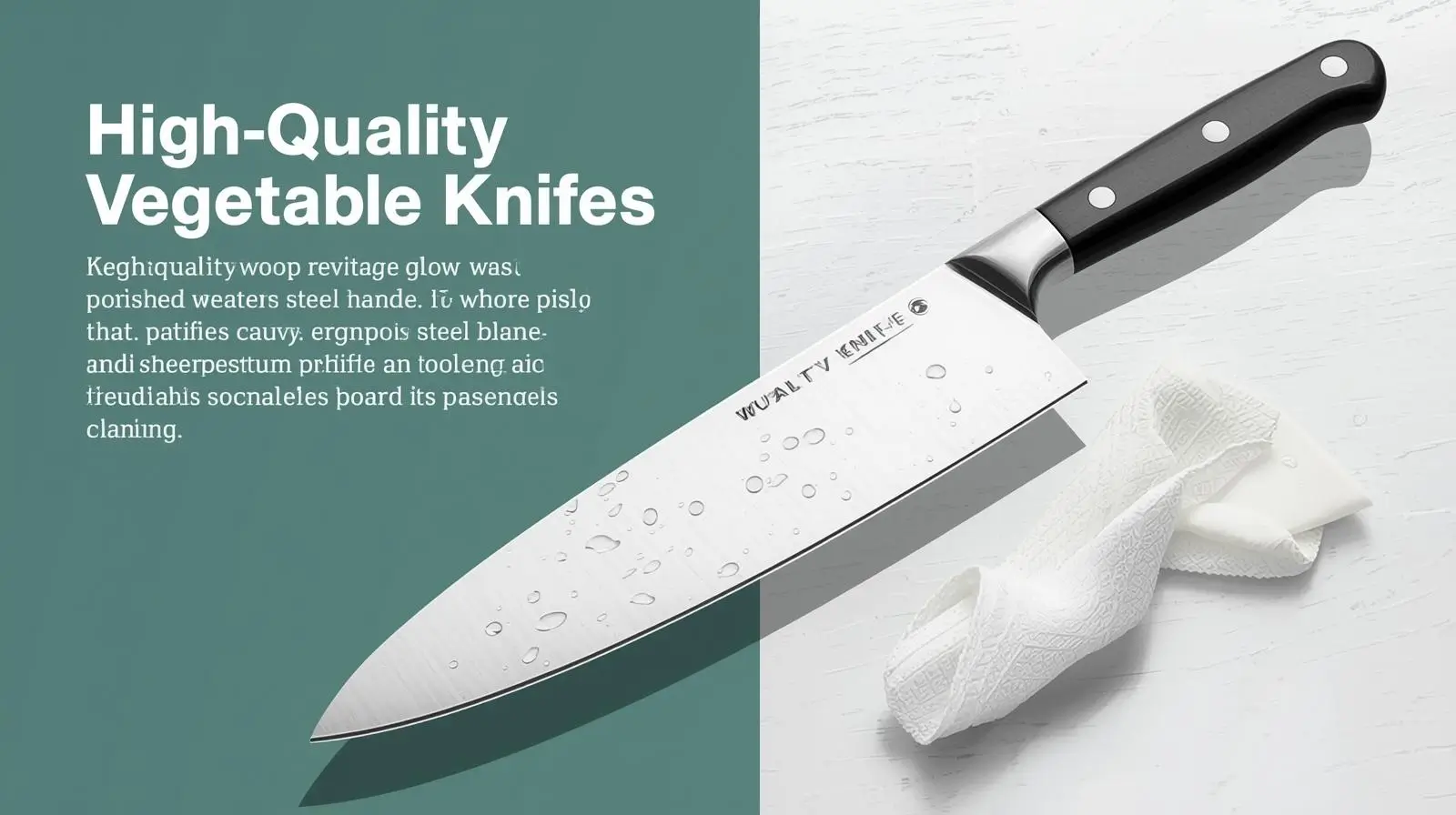
Proper care keeps your vegetable knife sharp, safe, and long-lasting.
If you prep produce daily, this vegetable knife care guide will save you time, money, and frustration. I’ve sharpened and maintained knives in busy kitchens and calm home setups, and I’ll show you what works. You’ll learn simple habits that protect the edge, prevent rust, and keep your cuts clean and fast.
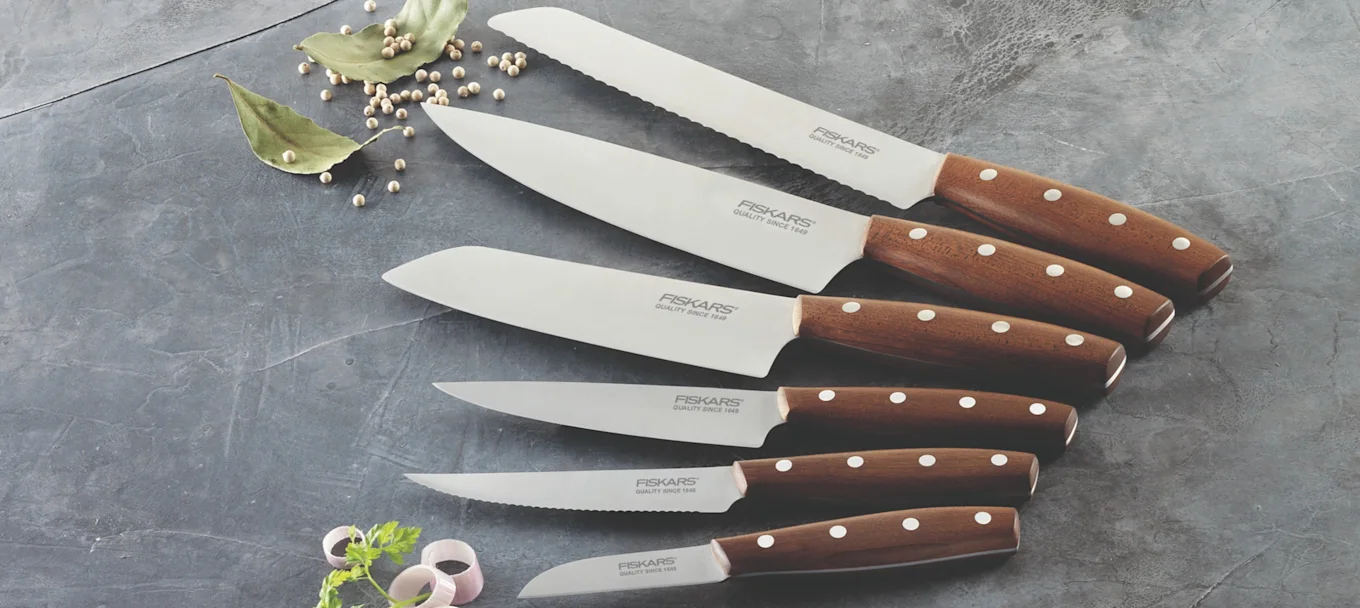
Why vegetable knife care matters
A sharp, clean knife makes prep safer and faster. You use less force, which means fewer slips. Clean cuts also keep herbs bright and onions neat.
I’ve seen more accidents from dull blades than sharp ones in pro kitchens. The fix is simple care. This vegetable knife care guide gives you a clear path.
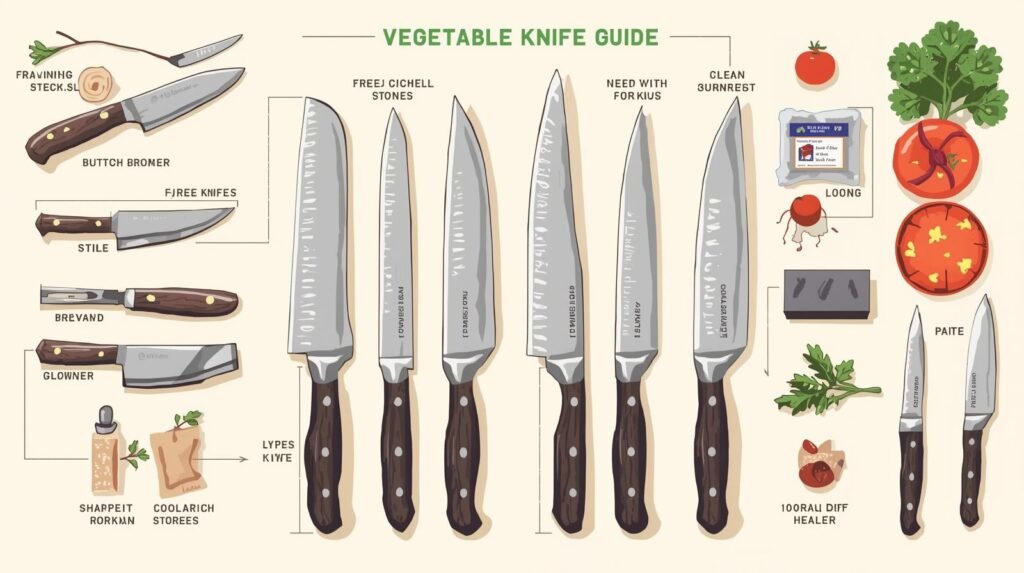
Know your knife: steel, handle, and edge
Not all knives need the same care. Your steel and handle type guide your routine.
- Stainless steel resists rust, but can be harder to sharpen.
- Carbon steel takes a razor edge, but needs fast drying and light oil.
- Powdered steels hold an edge longer, but still need smart habits.
- Wood handles dislike soaking. Wash, then dry right away.
- Plastic or composite handles handle water better, but still avoid heat.
Edge style matters too. Japanese blades often use a thinner angle and prefer softer boards. Western blades are a bit thicker and more forgiving. This vegetable knife care guide helps you match care to your knife.
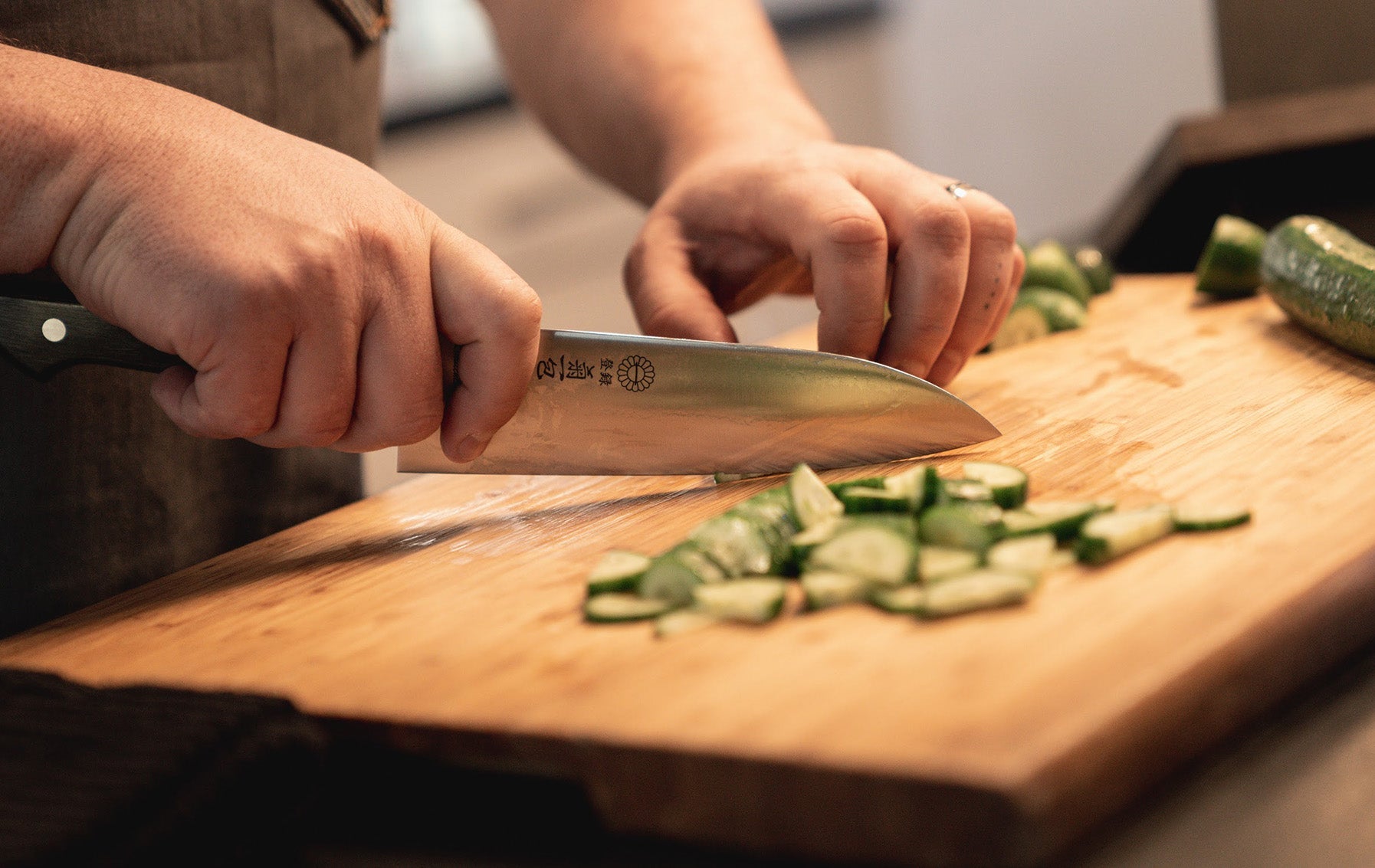
Source: elementknife.com
Daily cleaning and drying routine
Treat cleaning like brushing your teeth. Quick and consistent wins.
- Wash by hand with warm water and mild soap right after use.
- Wipe from spine to edge, never along the edge.
- Rinse, then dry with a towel at once. No air-drying.
- For carbon steel, add a tiny drop of food-safe mineral oil.
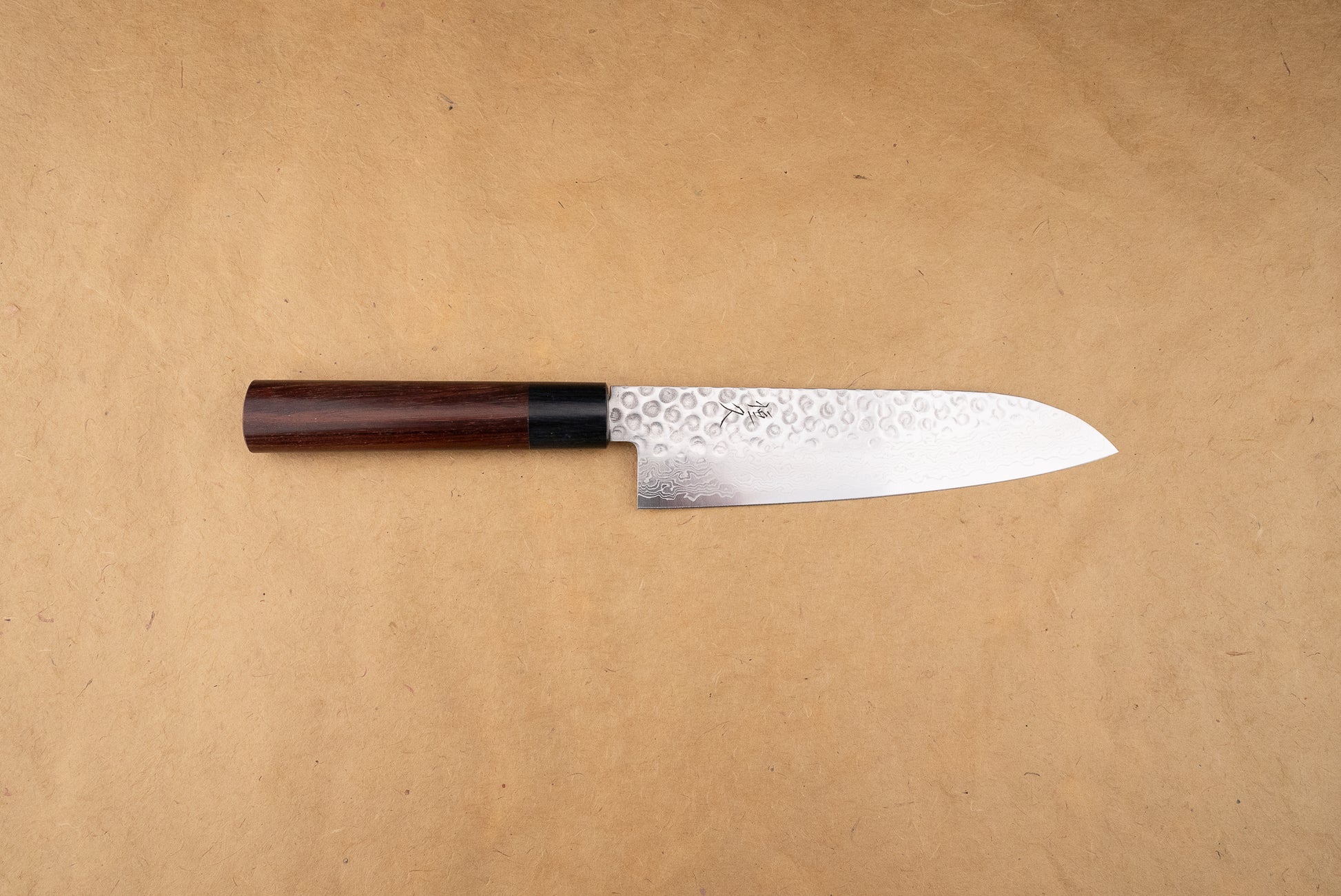
Skip the dishwasher. Heat, steam, and harsh detergent can ruin the edge and handles. This vegetable knife care guide shows how a 30-second routine avoids costly repairs.
Source: knifewear.com
Smart storage that protects the edge
Your knife should not bounce in a drawer. Edge contact is the enemy.
- Use a saya (sheath), edge guard, or a drawer insert.
- A quality magnetic strip is great. Mount it high and dry.
- A block works if it is clean and dry. Slot the knife gently.
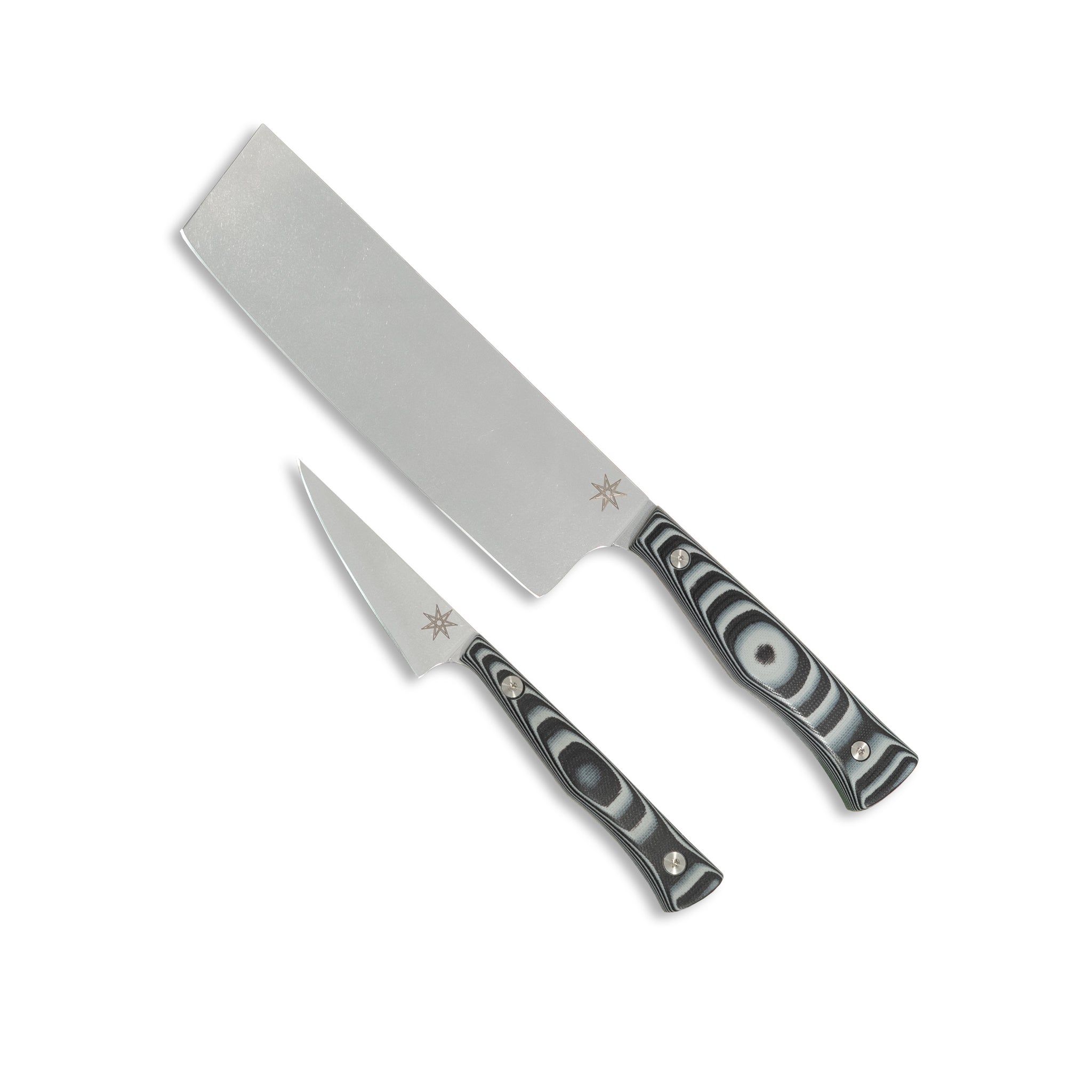
Store it dry and safe. This vegetable knife care guide favors guards or magnets for most homes.
Source: towncutler.com
Honing vs sharpening: know the difference
Honing realigns, sharpening removes metal. You need both.
- Hone weekly if you cook often. Use light, even strokes.
- Match the angle. About 10–15 degrees for many Japanese knives, 15–20 for many Western knives.
- Use a ceramic rod for a fine touch. Steel hones are great for tougher blades.
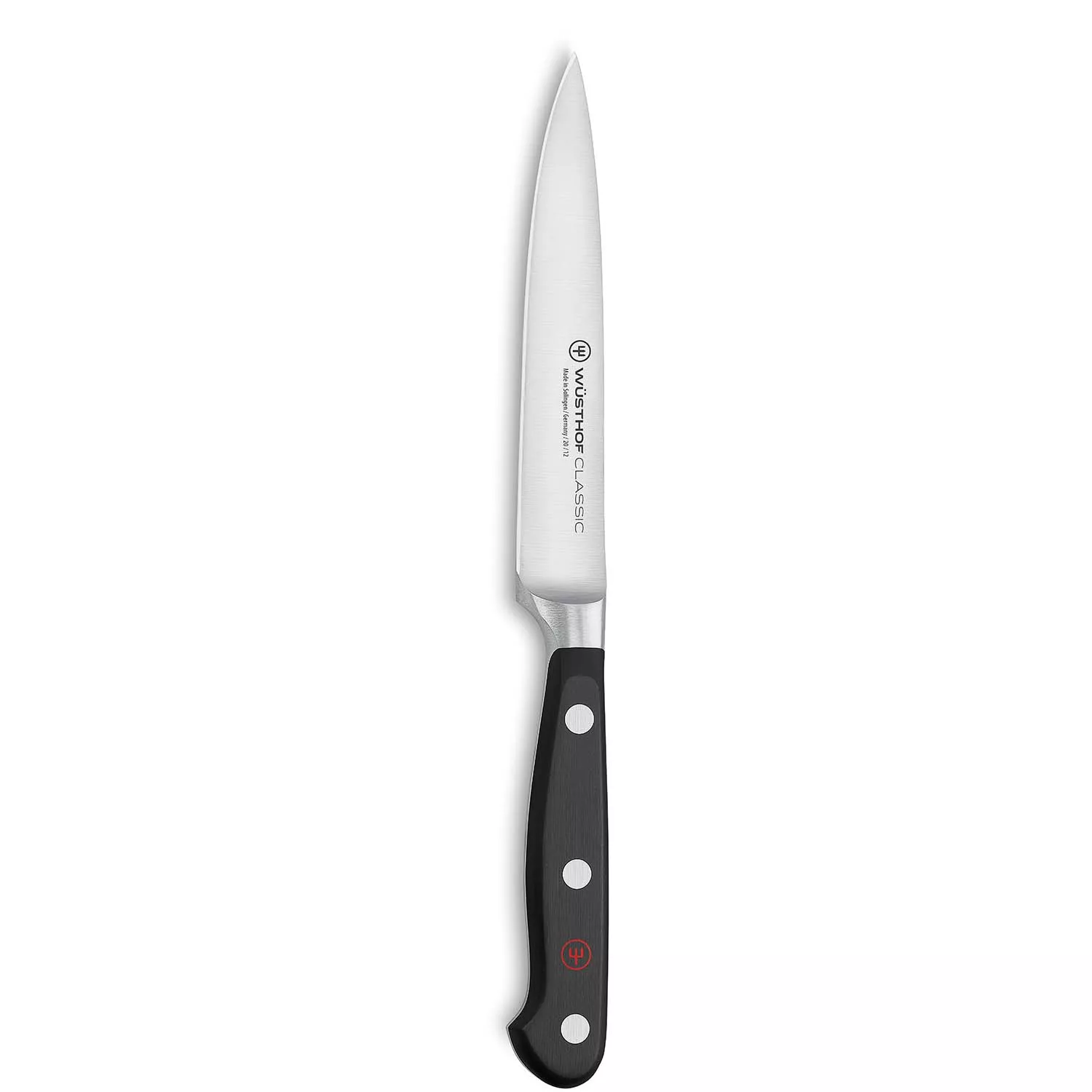
When honing no longer helps, it’s time to sharpen. This vegetable knife care guide keeps both tasks simple.
Source: surlatable.com
Step-by-step sharpening on a stone
A whetstone gives you control and a keen edge. Here’s a simple plan.
- Pick grits: 1000 for dull edges, 3000–6000 for refining.
- If your stone needs soaking, soak 10–15 minutes. Some stones are splash-and-go.
- Set your angle and lock your wrist. Use smooth strokes. Count them.
- Raise a small burr along the edge, then switch sides.
- Finish with lighter strokes and a strop if you have one.
- Rinse, dry, and oil carbon steel lightly.
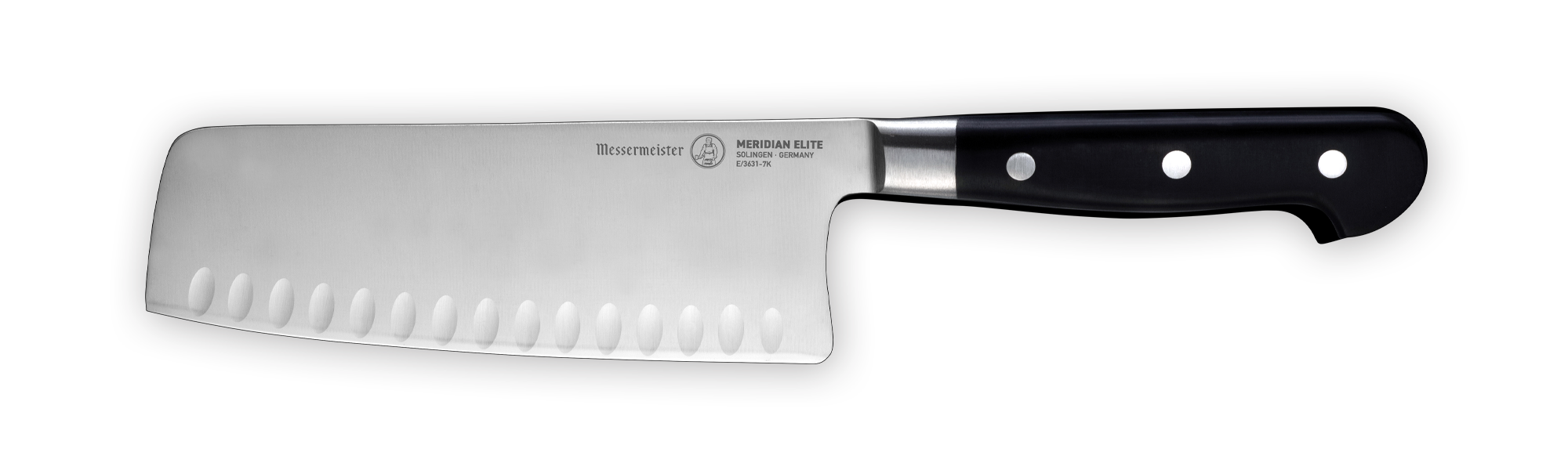
Start slow. I ruined my first edge by rushing. This vegetable knife care guide will help you avoid that.
Source: messermeister.com
Cutting boards that protect edges
Your board matters more than you think. Hard boards kill edges.
- Best choices: end-grain wood and soft plastic.
- Okay choices: soft edge-grain wood and quality rubber.
- Avoid: glass, stone, and ceramic. They chip blades fast.
- Bamboo looks nice but can be quite hard. Test and rotate if needed.
Use a damp towel under the board for grip. This vegetable knife care guide helps you pick a blade-friendly surface.

Source: hasuseizo.com
Safe habits that extend life
Good knife habits pay off every day. Small tweaks protect the edge.
- Do not twist the blade in hard squash or near pits.
- Do not cut bones, frozen food, or cans with a veggie knife.
- Use the spine or a bench scraper to move chopped food, not the edge.
- Keep your off-hand tucked. A sharp knife still needs respect.
These habits lower risk and cost. This vegetable knife care guide builds skills that stick.
Rust and stain control
Rust starts with moisture and time. Break that link.
- Wipe the blade dry as you work. Keep a towel nearby.
- After acidic foods like tomatoes, rinse and dry.
- For light rust, use a baking soda paste or a rust eraser.
- For carbon steel, add a thin coat of food-safe mineral oil.
A dark patina on carbon steel is normal. It helps protect the blade. This vegetable knife care guide shows what to worry about and what to welcome.
A maintenance schedule you can keep
Make care part of your week. Short, regular steps beat rare big fixes.
- Each use: wash, dry, and store with a guard.
- Weekly: hone and clean your board.
- Monthly: inspect for chips and rough spots.
- Every 2–3 months: sharpen, based on use.
- As needed: oil carbon steel and wood handles lightly.
Set a reminder on your phone. This vegetable knife care guide works best when it becomes a habit.
Troubleshooting common problems
Small issues can grow fast. Catch them early.
- Micro-chips: use a medium stone to reset the edge, then refine.
- Bent tip: careful stone work can fix tiny bends. Bigger bends need a pro.
- Loose handle: tighten hardware or seek repair. Do not keep using it loose.
- Blade smells: clean with mild soap and a baking soda paste, then dry.
If you are unsure, visit a pro sharpener. This vegetable knife care guide helps you choose when to DIY and when to get help.
Sanitation and food safety notes
A clean knife protects you and your food. Keep it simple and safe.
- Wash tools and board after raw meat before cutting vegetables.
- Sanitize boards as needed. A mild bleach solution works. Rinse and dry well.
- Dry storage lowers the risk of rust and germs.
Follow local food safety guidance if you cook for others. This vegetable knife care guide keeps flavor high and risks low.
Frequently Asked Questions of vegetable knife care guide
How often should I sharpen a vegetable knife?
For daily home use, sharpen every 2–3 months. Hone weekly to keep the edge aligned and crisp between sharpenings.
Can I put my vegetable knife in the dishwasher?
No. Heat, steam, and harsh detergent can dull the edge and harm the handle. Hand wash and dry right away.
What oil is safe for blades and handles?
Use food-safe mineral oil on blades and wood handles. Avoid cooking oils, which can go rancid and smell.
How do I stop a knife from rusting?
Keep it dry, especially after acidic foods. For carbon steel, add a thin coat of mineral oil before storage.
What is the best angle for honing?
Use about 10–15 degrees for many Japanese blades and 15–20 for many Western blades. Stay consistent and use light pressure.
Conclusion
Good knife care is a set of small steps that add up. Wash and dry fast, store it safe, hone often, and sharpen on a steady schedule. Your cuts will be cleaner, prep will be faster, and your knife will last for years.
Start with one habit today. Set a weekly hone reminder, or add guards to your drawer. If this vegetable knife care guide helped, subscribe for more tips, share it with a friend, or drop a question in the comments.

Maliha Khatun has spent 5 years hands-on testing Japanese knives for everyday home cooks. She has evaluated over 60 blades across nakiri, santoku, gyuto, and petty categories — scoring each on edge retention, steel quality, handle comfort, and value for money. She writes to help home cooks buy the right knife without the guesswork.
Expertise:Japanese Knives • Vegetable Knives • Product Reviews • Kitchen Efficiency • Knife Care
Leave a Reply