KnifeScope is reader-supported. When you buy through links on this page, we may earn a small commission at no extra cost to you.
A polishing compound is the cheapest upgrade you can make to your sharpening routine. A bar costs less than a bag of good coffee, yet it is the step that turns a freshly sharpened edge into one that glides through a ripe tomato without any pressure.
The trouble is that most compound bars look the same on a shop page. Green, white, red, black, a few numbers on the wrapper, and very little explanation. So before the list, here is the short version: Green chromium oxide is what most home cooks want, white is a step coarser for cleaning up after the stone, and pastes like Flitz are better for removing haze and light rust than for edge work.
Below you will find the compounds we think are worth your money, what each one is good at, and a simple way to use them on a leather strop.
SCOTTCHEN Mini Buffing Polishing Cutting…
【Function】These Buffing Polishing Compounds Kit great for achieve a smooth and mirror finish on a widely variety items surfaces, help you handle most kinds of projects. 【Application】These jewelry polishing compounds…
Ultrafine Grit – improve your sharpening experience with our green honing compound, featuring a micro-fine blend of Aluminum Oxide and Chromium Oxide. With abrasive particles size of 1 to 2…
MADE IN USA – Wisconsin-crafted metal polish paste for SOLID chrome, stainless steel, aluminum, brass, copper, silver & nickel. NOT for chrome-plated or coated items. Removes light tarnish, oxidation &…
SCOTTCHEN’s 3-pack mini kit gives you coarse red, medium white, and fine green bars. I liked that it covers the full polishing progression for stropping and wheel use. The compact 4 oz size is travel-friendly and fits my workshop drawer without clutter.
In practice, the coarse bar removes scratches after sharpening, the medium evens the bevel, and the fine delivers a smooth, low-drag edge. If you want a basic, affordable kit to learn stropping and buffing, this SCOTTCHEN kit works well for knives and small tools.
Pros:
Three grit levels to progress from rough to mirror finish
Compact 4 oz bars that store easily
Affordable starter kit for hobbyists and pros
Works on leather strops and buffing wheels
Good balance of cutting and polishing power
Cons:
Small bar sizes wear faster with heavy use
Not formulated for plated or delicate surfaces
My Recommendation
I recommend the SCOTTCHEN mini kit for beginners and occasional sharpeners who want a full polishing sequence without a big investment. I found it ideal when learning how a knife polishing compound moves a bevel from dull to slick.
Best for
Why
Beginners
Three grits teach progression from coarse to fine.
Hobbyists
Small, affordable, and versatile for knife polishing compound practice.
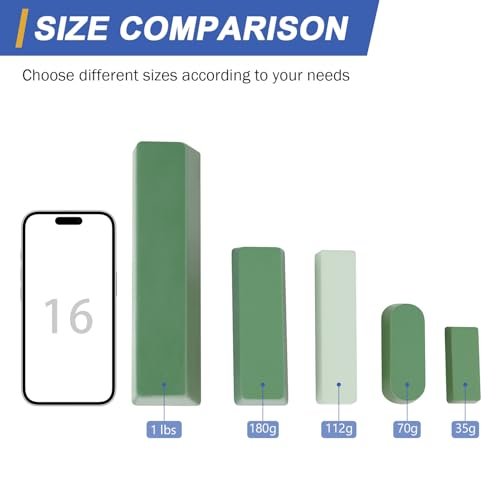
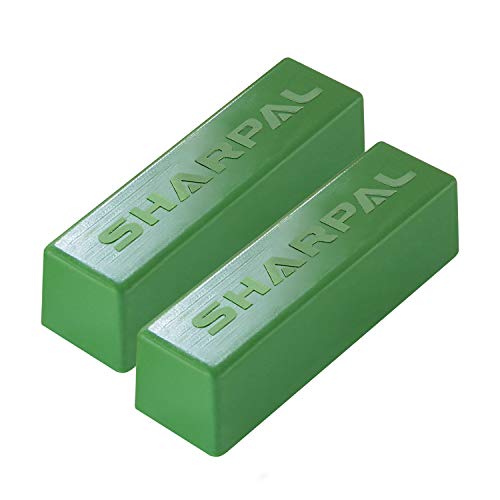
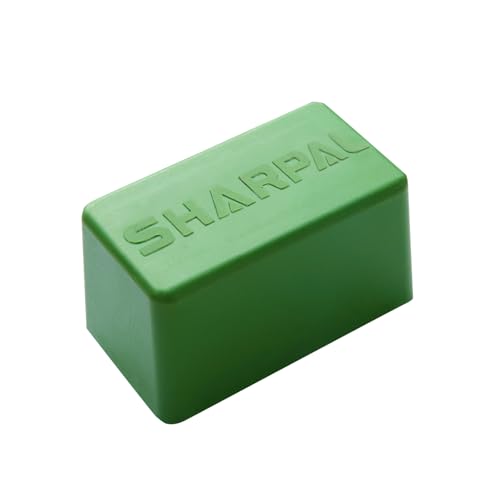
The SHARPAL 208H is a fine green compound made specifically for leather stropping. I use it when I want to remove the final micro-burrs and add a refined edge sheen. It comes in a practical 4 oz pack and spreads evenly on leather strops.
Its fine grit is gentle yet effective, ideal for kitchen knives and straight razors. When I apply a small amount and strop carefully, the edge becomes noticeably smoother and cuts cleaner without losing the sharp profile.
Pros:
Fine grit ideal for finishing edges
Good spreadability on leather strops
Durable formulation that lasts with proper use
Improves cutting performance and edge feel
Compact size for bench or travel
Cons:
Not aggressive enough for heavy scratch removal
Requires a quality leather strop for best results
My Recommendation
I prefer SHARPAL fine green when I want a final polish with minimal metal removal. It’s an Excellent knife polishing compound for anyone who already sharpens and wants a smooth, polished bevel.
Flitz Metal Polish is a non-abrasive paste crafted for metal maintenance. I use it on stainless steel and chrome parts of knives—bolsters, guards, and blades—when I want shine without abrading the surface. It cleans light oxidation and restores luster in minutes with a soft cloth.
While not a stropping compound, Flitz pairs well after stropping to remove residue and add surface gloss. It’s especially useful for restoring knife hardware and improving overall presentation for collectors and daily users.
Pros:
Non-abrasive; safe for solid metals
Restores shine and removes light oxidation
Easy to apply by hand with cloth
Small tube lasts a long time for occasional use
Works well on visible knife surfaces and hardware
Cons:
Not formulated for stropping or edge polishing
Not suitable for plated or coated finishes
My Recommendation
I keep Flitz on my bench for metal touch-ups after sharpening and stropping. It’s a great companion product when you need shine and light restoration as part of your knife polishing compound routine.
Trend Ultra Fine Mirror Paste is designed for honing and polishing sharpened tools and knives. I use a very small dab on a leather strop to push a mirror-like finish on high-end blades. The paste is very fine and won’t remove significant metal when used correctly.
When I need a high-gloss edge for presentation or precision cutting, Trend delivers consistent mirror polish. It’s best for finishing rather than reshaping, and it helps the edge glide through soft materials with less resistance.
Pros:
Ultra-fine abrasive for mirror polishing
Excellent for final finishing on tools and knives
Minimal metal removal when used properly
Enhances slicing performance and edge feel
Long-lasting on a quality strop
Cons:
Requires careful application to avoid over-polishing
Not effective for heavy scratch removal
My Recommendation
Trend Ultra Fine is my go-to when I want a picture-perfect bevel after sharpening. If you crave a glassy edge, this knife polishing compound will help you achieve it with careful stropping.
This SCOTTCHEN fine green stropping bar offers a focused finishing polish for leather strops. I used it after a medium compound and noticed reduced drag and a crisp paper-test result. The bar is firm enough to hold compound but soft enough to apply evenly.
It’s a cost-effective option for daily maintenance and keeps edges polished without heavy abrasion. For the regular home cook or field user, this green bar is a reliable way to maintain a keen blade between sharpenings.
Pros:
Consistent fine polish for edges
Works well on leather and canvas strops
Good wear rate for frequent use
Boosts cutting performance quickly
Easy to apply and control amount used
Cons:
Limited as a single-grit solution
Needs proper stropping technique for best results
My Recommendation
I recommend this SCOTTCHEN fine bar for cooks and outdoorsmen who want an easy-to-use knife polishing compound for daily edge upkeep. It’s simple and effective for maintaining a keen edge.
Best for
Why
Daily maintenance
Fine grit keeps edges performing between sharpenings.
The BeaverCraft dual-sided strop is a complete leather stropping block with compound included. I value the wide leather face that gives consistent contact and the cork backing that keeps the strop rigid. It’s 14 inches long, so I can lay long bevels flat and strop evenly with fewer passes.
Paired with a knife polishing compound, this strop delivers fast and predictable results. I find the kit ideal for woodworkers, chefs, and anyone who wants a tool-ready strop for heavy use.
Pros:
Dual-sided leather for different finishes
14″ length supports long bevels and consistent strokes
Included compound makes it ready to use
Sturdy build with a comfortable grip
Good value for a complete stropping kit
Cons:
Requires periodic re-conditioning of leather
May be bulky for compact toolboxes
My Recommendation
For anyone serious about finishing edges, the BeaverCraft strop paired with your favorite knife polishing compound is a must-have. I use it as my daily finishing station because it’s fast, consistent, and simple.
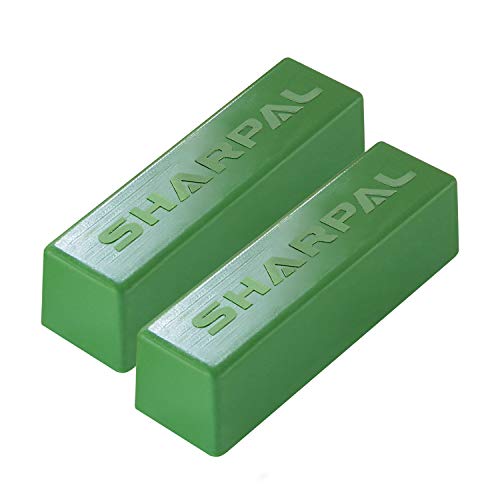
The SHARPAL 209H is a larger 8 oz polishing bar for frequent users. I appreciate the size when I’m maintaining multiple knives because it reduces how often I need to replace compound. The green fine formula polishes edges while preserving geometry.
It’s a solid choice for small shops or serious hobbyists who use a strop daily. In my experience, it spreads smoothly on leather and lasts longer than smaller bars under regular use.
Pros:
Larger size for extended use
Fine polish suitable for knives and tools
Good balance of durability and polishing power
Easy to apply and reapply on leather
Cost-effective for regular maintenance
Cons:
Bigger size may not be travel-friendly
Not coarse enough for scratch removal
My Recommendation
If you strop every time you sharpen, the SHARPAL 8 oz bar is a smart pick. I use it in my shop because it keeps my strop loaded and ready without frequent reapplication of knife polishing compound.
Best for
Why
Shops
Large bar meets high-frequency use needs.
Hobbyists
Better value for regular maintenance.
Multi-tool owners
Maintains several edges without frequent replacement.
Sunxeke’s kit bundles white diamond, red rouge, and general green compounds for buffing wheels. I used these on bench grinders for hefty polishing tasks on metal parts and larger blades. The set covers the spectrum from cutting to finishing when you have the right wheels.
This kit works best for metalworkers and hobbyists who own buffing equipment. For knife polishing compound use, these bars shine on exposed surfaces and can pre-polish before stropping to speed up finishing.
Pros:
Three specialized compounds for wheel buffing
Covers cutting, refining, and finishing stages
Good for larger metal polishing jobs
Reasonable quantity across three bars
Durable when used with proper buffing wheels
Cons:
Requires buffing wheel setup and safety precautions
Can remove more metal than stropping if misused
My Recommendation
Use Sunxeke when you pair buffing wheels with a knife polishing compound for faster surface work. I rely on a similar kit when refurbishing knives or restoring hardware before a final strop polish.
Best for
Why
Metalworkers
Wheel compounds speed bulk polishing.
Restorations
Good for removing oxidation and scratches.
Pre-stropping
Prepares surfaces for final knife polishing compound finish.
Angerstone’s set includes green, white, and red bars suitable for stropping and light buffing. I find their paste bars smooth to apply and pleasant to work with on leather. They’re a good mid-range option if you want versatility without high cost.
These bars perform well on knives, chisels, and small tools. I use them when alternating between leather strop and quick hand polishing routines to maintain edge quality with moderate effort.
Pros:
Three-grit set covers common polishing needs
Affordable and user-friendly
Suitable for stropping and light wheel use
Nice texture that spreads evenly on leather
Balanced wear rate for regular maintenance
Cons:
Not specialized for mirror finishing
May need frequent reapplication under heavy use
My Recommendation
I recommend Angerstone for the budget-conscious user who still wants effective knife polishing compound options. I keep a set around for everyday touch-ups.
Flitz Multi-Purpose Liquid is a user-friendly metal cleaner and polish for various metals. I prefer the liquid on hardware and bolsters where a paste may be messy. It cleans tarnish, brightens surfaces, and is quick to buff by hand.
Use this after you finish with a knife polishing compound to restore the shine on handles and visible metalwork. For collectors and everyday users, it’s a reliable finishing step that enhances overall aesthetics.
Pros:
Liquid formula for easy application
Effective on a wide range of metals
Works fast for cleaning and polishing
Good for post-strop cleanup
Compact bottle stores easily
Cons:
Not used for edge polishing or stropping
May require cloths to avoid residue buildup
My Recommendation
I use Flitz liquid as a finishing polish after stropping with a knife polishing compound. It’s an easy, low-effort way to bring out shine and clean metal parts.
This USA-made Flitz paste is compact and effective for light oxidation and cleaning. I often use the 1.76 oz tube on pocketknife blades and metal handles for quick restoration. It’s gentle and user-friendly, ideal for those who avoid abrasives on stainless steel.
While not a stropping compound, its role in a maintenance routine is clear: clean and polish visible metal after the bevel has been refined with a knife polishing compound. It keeps knives looking new between deeper maintenance cycles.
Pros:
Small, portable tube for on-the-go use
Non-abrasive and safe on solid metals
Quickly removes light tarnish
Works well for visible polish after stropping
Simple application with a cloth
Cons:
Not designed for edge finishing
Limited quantity for frequent use
My Recommendation
Keep this Flitz paste in a kit to maintain knife appearance between full cleanings and stropping. I use it alongside my preferred knife polishing compound for a polished presentation.
This alternate listing of Sunxeke compounds provides balanced grit choices for wheel and strop work. I like having these three options when shifting between heavy correction and fine finishing. The bars are easy to hold and apply to a wheel or strop without crumbling.
Pair these bars with a knife polishing compound sequence and you’ll remove deep scratches then refine to a smooth shine. They work best in a workshop with proper safety measures and wheels rated for knife work.
Pros:
Three practical grit choices in one pack
Durable bars that resist crumbling
Good value for wheel-based polishing
Effective transition from cutting to finishing
Versatile for blades and larger metal items
Cons:
Not ideal for handheld stropping alone
Wheel use demands caution to avoid overheating blades
My Recommendation
For users with a buffing wheel, this Sunxeke set pairs well with a final knife polishing compound on a leather strop. I recommend it for restorers and metalworkers who need both power and finesse.
Best for
Why
Buffing wheel users
Kit covers multiple polishing stages.
Restoration work
Removes scratches before fine finishing.
Large blades
Handles wide surfaces better than hand stropping alone.
Angerstone’s buffing bars are versatile and budget-friendly. I tested them on both wheel and leather strop work and found their texture consistent. They’re a solid backup set when I’m alternating between coarse correction and fine finish passes.
They won’t produce a deep mirror like ultra-fine pastes, but combined with a final stropping session, they yield a high-performing edge. For daily maintenance, they strike a good balance between cost and utility.
Pros:
Balanced performance for cost-conscious users
Good spread and consistency across bars
Works on leather and wheel systems
Suitable for a wide range of metals and blades
Reliable wear rate for regular upkeep
Cons:
Not specialized for ultra-mirror finishing
May require follow-up with a fine paste for best results
My Recommendation
Angerstone works for hobbyists who want dependable knife polishing compound choices without breaking the bank. I keep them as part of my regular maintenance rotation.
Best for
Why
Everyday users
Good all-round performance at a low price.
Mixed-use shops
Versatile across techniques and materials.
Budget conscious
Decent results without premium costs.
Green, white, red: what the colours really mean
Colour is not a universal standard, but most brands follow roughly the same pattern:
Green (chromium oxide): very fine, around 0.5 micron. This is the classic strop compound for kitchen knives. It refines and polishes the very apex of the edge.
White: usually a little coarser. Useful when your edge comes off a 1000 to 3000 grit stone and still feels slightly toothy.
Red (rouge): very fine and mostly made for jewellery and soft metals. It works, but it cuts slowly on hard Japanese steel.
Black or brown: coarse cutting compounds for removing scratches on a buffing wheel. Keep these away from your edge.
If you only buy one bar, buy green. If you sharpen on stones regularly and want a two-step finish, add white and keep each on its own strop so the grits never mix.
How to load and use compound on a strop
Warm the bar slightly in your hand. Cold compound crumbles instead of spreading.
Rub it onto the leather in short strokes until you see an even, thin film. Less is better than more; a thick crust just smears.
Lay the blade almost flat, raise the spine until the edge touches the leather, then pull the knife Spine first. Never push the edge into the leather or you will cut it.
Do 10 to 15 light passes per side, alternating. Pressure should be no more than the weight of your hand.
Wipe the blade, test on a sheet of paper, and repeat a few passes if it still catches.
Reload the strop only when the leather starts to look shiny and dry. A single bar lasts most home cooks well over a year.
FAQs Of knife polishing compound
What is a knife polishing compound and why use it?
A knife polishing compound is a paste or bar with abrasives used to refine an edge. I use it to remove micro-burrs and to create a smoother bevel that cuts cleaner and lasts longer.
Can I use metal polish instead of stropping compound?
Not usually. Metal polish cleans and restores shine but lacks the abrasive texture to remove burrs. Pair metal polish with a stropping knife polishing compound rather than replacing it.
How often should I strop with a polishing compound?
I strop lightly after Every sharpen or when the edge starts to feel draggy. For daily cooks, a quick strop before service keeps blades slicing well without frequent regrinding.
Do compounds harm plated or coated blades?
Yes, many compounds can remove coatings or plating. I avoid abrasive compounds on coated surfaces and use gentle, non-abrasive polishes instead.
Which grit should I start with on a leather strop?
Start with a fine grit compound for finishing. If you have deep burrs, use a medium or coarse compound first, then finish with a Fine knife polishing compound for a smooth edge.
Final verdict: which compound should you buy?
For most people the answer is simple: a fine green bar and a decent leather strop. That pair alone will keep a Japanese knife noticeably sharper between stone sessions. If you already sharpen on stones and want a true mirror finish, add a white bar for the first stage. Save metal pastes like Flitz for cleaning the blade face, not for the edge.
Whatever you choose, use light pressure and pull spine first. Technique matters far more than the brand on the wrapper.
Maliha Khatun has spent 5 years hands-on testing Japanese knives for everyday home cooks. She has evaluated over 60 blades across nakiri, santoku, gyuto, and petty categories — scoring each on edge retention, steel quality, handle comfort, and value for money. She writes to help home cooks buy the right knife without the guesswork.






Leave a Reply