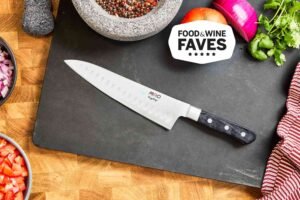
A bunka knife is a versatile Japanese blade for precise slicing, chopping, and everyday kitchen work.
I have spent years testing kitchen knives and teaching home cooks. This bunka knife guide draws on hands-on experience and industry knowledge to help you choose, use, sharpen, and care for a bunka knife with confidence. Read on to learn why the bunka knife is a smart addition to your kitchen, how it differs from other Japanese blades, and practical tips that save time and avoid costly mistakes.

What is a bunka knife?
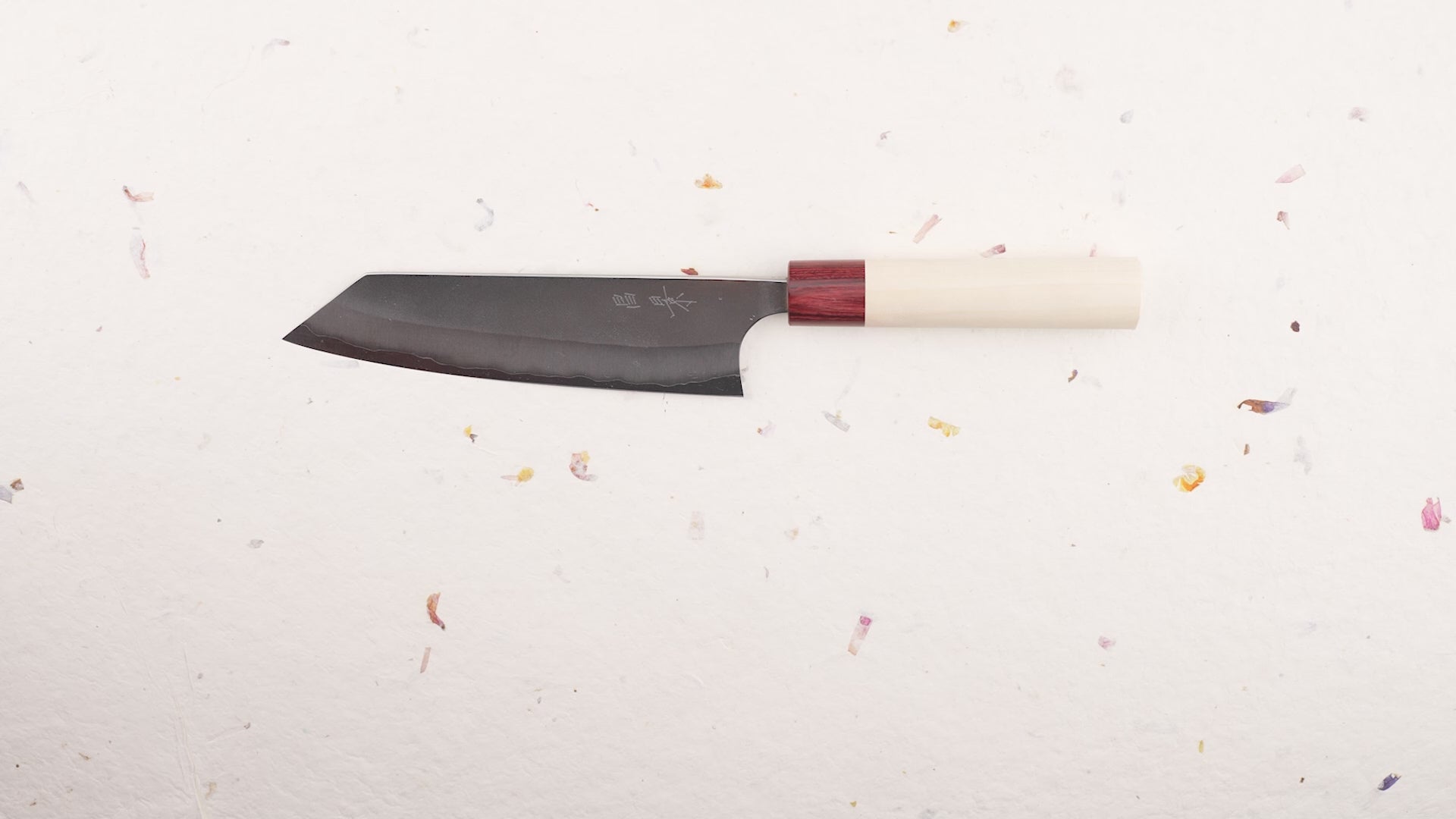
A bunka knife is a Japanese all-purpose blade. It blends the nimble point of a utility knife with the broad belly of a chef's knife. The bunka knife guide explains that its distinctive angled or “tanto-like” tip makes precision work easy. This shape suits slicing, dicing, and small detail cuts in vegetables, fish, and boneless meat.
Anatomy and design details every cook should know
Understand the bunka knife's parts to use it well. The blade usually has a broad profile with a sharp, angled tip. Many bunka knives have a double bevel and a pronounced edge curve toward the tip. Handles vary from western-style to traditional wa handles, affecting balance and feel. The bunka knife guide highlights how grind, spine thickness, and tip geometry influence cutting style and maintenance.

Materials and types of bunka knives
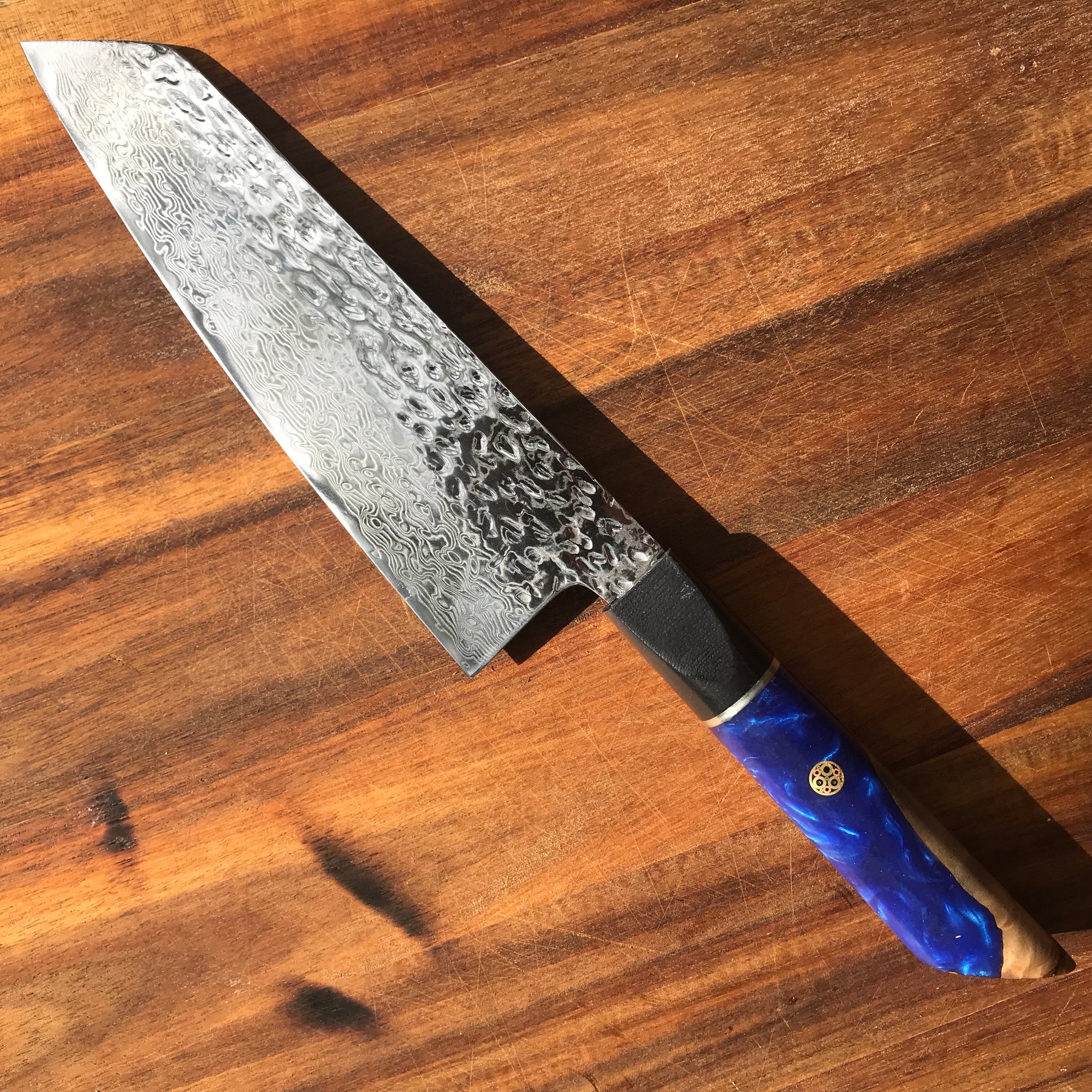
Blade steel and construction matter for performance. Common steels include stainless alloys like VG-10 and powder steels in high-end options. Carbon steel offers easy sharpening and keen edges but needs rust care. You will see monosteel blades and laminated (sanmai) blades with a hard core and softer cladding. Edge finish and polish also affect food release and cutting friction. The bunka knife guide helps you match steel and construction to your priorities: sharpness, maintenance, and budget.

Sizes and common variations
Bunka knives come in practical lengths. Typical sizes range from 150 mm to 210 mm. A 165–180 mm blade is a sweet spot for home cooks. You can find shorter utility-style bunkas for fine work and larger versions that handle bulkier vegetables. Some bunka knives feature a taller profile for knuckle clearance when chopping. The bunka knife guide recommends choosing length based on your hand size and the tasks you perform most.

How to use a bunka knife: grips and cutting techniques
The bunka knife shines in controlled, efficient cuts. Use a pinch grip near the bolster for control. For general prep, use a forward push-slice motion. For thin vegetable slices, use a gentle forward-and-back push for clean, even cuts. The pointed tip is perfect for trimming, paring, and delicate work that a wider chef’s blade struggles with. Practice on onions and carrots to feel the blade’s balance before moving to fish or meat.

Quick PAA-style questions
What makes a bunka different from a santoku?
A bunka has a pronounced pointed tip and a slightly different curve, allowing finer tip work while keeping a wide blade for scooping.
Is a bunka good for beginners?
Yes. The bunka knife guide advises beginners to start with a 165–180 mm bunka because it is forgiving and versatile.
Can a bunka fillet fish?
It can handle light filleting and skinning but is not as thin as a dedicated fillet knife for heavy deboning.
Sharpening and maintenance best practices
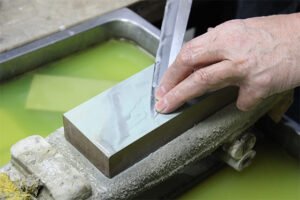
Sharpening a bunka requires the right angle and stones. Aim for 15–20 degrees per side on most bunka knives. Start with a medium grit (1000–3000) for regular honing and use a higher grit (4000–8000) for a refined edge. Maintain a consistent angle and use light passes. After sharpening, strop for micro-bevel refinement. Clean, dry, and oil carbon steel blades to prevent rust. The bunka knife guide emphasizes regular, short maintenance sessions over infrequent heavy sharpening.

Storage, cleaning, and corrosion prevention
Proper storage extends blade life. Keep the bunka in a knife block, magnetic strip, or protective sheath to prevent edge damage. Never put a bunka in the dishwasher. Clean with warm soapy water and dry immediately. For carbon steel blades, apply a thin layer of food-safe oil after drying. The bunka knife guide suggests periodic inspections for chips and immediate attention when you notice edge damage.

Bunka vs Santoku vs Gyuto: quick comparison
Choosing between these blades depends on tasks and feel.
- Santoku – Shorter, flatter edge, excels at push cuts and thin slicing.
- Gyuto – A versatile western-style Japanese chef knife great for large volumes.
- Bunka – Offers a pointed tip for detail work with a wide blade for scooping and chopping.
The bunka knife guide recommends a bunka if you want a hybrid that handles delicate tip work and everyday prep without carrying multiple specialized knives.
Buying guide: what to look for when choosing a bunka knife
Prioritize fit and function over looks. Look for balanced weight and a comfortable handle. Consider steel type based on maintenance willingness: stainless for low care, high-carbon for edge-holding. Check grind quality and even bevels. Ask about warranty and maker reputation. Try to handle the knife in person if possible. The bunka knife guide stresses testing grip, balance, and wrist comfort before purchase.
Price ranges and value considerations
Bunka knives range widely in price. Entry-level stainless options are affordable and perform well for home use. Mid-range laminated knives offer better edge retention. High-end powder steels or hand-forged bunka knives command premium prices. The bunka knife guide recommends balancing budget with long-term value—better edge retention reduces sharpening frequency and cost over time.
Common mistakes and how to avoid them
Avoid a few frequent errors that shorten blade life.
- Cutting bone or frozen food, which can nick the edge.
- Using a dishwasher or abrasive cleaners that dull and corrode blades.
- Applying uneven pressure when sharpening, causing a rolled or uneven edge.
- Choosing the wrong size for your hands, making control difficult.
The bunka knife guide advises consistent, gentle technique and proper storage to prevent most problems.
Personal experience: lessons from the kitchen
I started with a cheap santoku and later added a bunka. The bunka's pointed tip quickly became my go-to for trimming fish and making precise vegetable cuts. Early on, I sharpened at the wrong angle and created a burr too often. I learned to use a 15-degree angle and frequent light stropping. A mid-range laminated bunka gave the best mix of ease and edge life for my daily prep. My biggest tip: practice basic cuts daily for a month to build confidence with the bunka knife.
Frequently Asked Questions of bunka knife guide
What is the ideal length for a bunka knife?
A 165–180 mm blade suits most home cooks. Smaller hands may prefer 150 mm, while frequent bulk prep can justify 210 mm.
Can a bunka replace my chef's knife?
It can for many home cooks, but those who work with large roasts may prefer a longer gyuto or chef’s knife for heavy-duty tasks.
How often should I sharpen a bunka knife?
Sharpen based on use; many home cooks sharpen every 2–3 months and strop or hone weekly to maintain the edge.
Is a bunka knife good for cutting hard vegetables like squash?
Yes, for soft-to-medium vegetables. For very hard squash, use a heavier chef’s knife or cut into smaller pieces first.
Do I need a special cutting board for a bunka?
Use a wood or high-density plastic board. Hard surfaces like glass or stone can dull the blade quickly.
Can I use a honing rod with a bunka?
Yes. A ceramic or steel honing rod helps realign the edge between sharpening sessions. Use gentle strokes and maintain a steady angle.
Are bunka knives made in Japan better than others?
Many handmade Japanese bunka knives have excellent metallurgy and craft. However, quality can also come from reputable makers elsewhere, so judge by steel, heat treat, and fit rather than origin alone.
Conclusion
This bunka knife guide covers what you need to choose, use, and care for a bunka knife confidently. Practice the basic grips and sharpening routine. Choose a blade length and steel that match your kitchen habits. Start with a mid-range laminated bunka if you want low maintenance and good edge life. Take one action today: test a 165–180 mm bunka in your hand or try a friend’s to feel the difference. If this guide helped, leave a comment, try a recommended blade, or subscribe for more knife and kitchen tips.

Maliha Akter is a kitchen knife reviewer and food preparation specialist with over 6 years of experience testing Japanese kitchen knives and everyday cooking tools. She focuses on performance, safety, durability, and real-world usability to help home cooks choose the right knives for efficient and enjoyable cooking.
Expertise:Japanese Knives • Vegetable Knives • Product Reviews • Kitchen Efficiency • Knife Care