A reliable bread knife guide helps you pick, use, and care for the right serrated blade for every loaf.
I’ve spent years testing knives in home and professional kitchens. This bread knife guide gives clear, practical advice on types, materials, serration patterns, sharpening, and buying tips. Read on for hands-on tips, common mistakes, and a step-by-step approach to choose and care for a bread knife that fits your baking and slicing needs.

Why a bread knife matters
A bread knife is not just a serrated blade. It is the tool that protects your loaf’s crumb, keeps slices even, and reduces waste. A good bread knife makes soft breads, crusty artisan loaves, and bagels easy to slice with less crushing and fewer crumbs.
A focused bread knife guide helps you match blade length, serration, and material to the breads you eat. The right knife saves time and improves presentation for home cooks and pros alike.

Types of bread knives
Bread knives come in a few common forms. Knowing the types helps you choose the best fit.
- Long serrated knives
- 9–12 inch blades for large loaves and bakeries.
- Great for long, even strokes.
- Short serrated knives
- 6–8 inch blades for small loaves and sandwiches.
- Easier to control for everyday use.
- Scalloped blades
- Wide, shallow scallops that cut soft bread well.
- Good for cakes and pastries too.
- Double-bevel serrated knives
- Symmetric teeth that work on both soft and hard crusts.
- Versatile for mixed kitchens.
- Electric or powered slicers
- For high-volume tasks.
- Not a replacement for a quality hand knife at home.
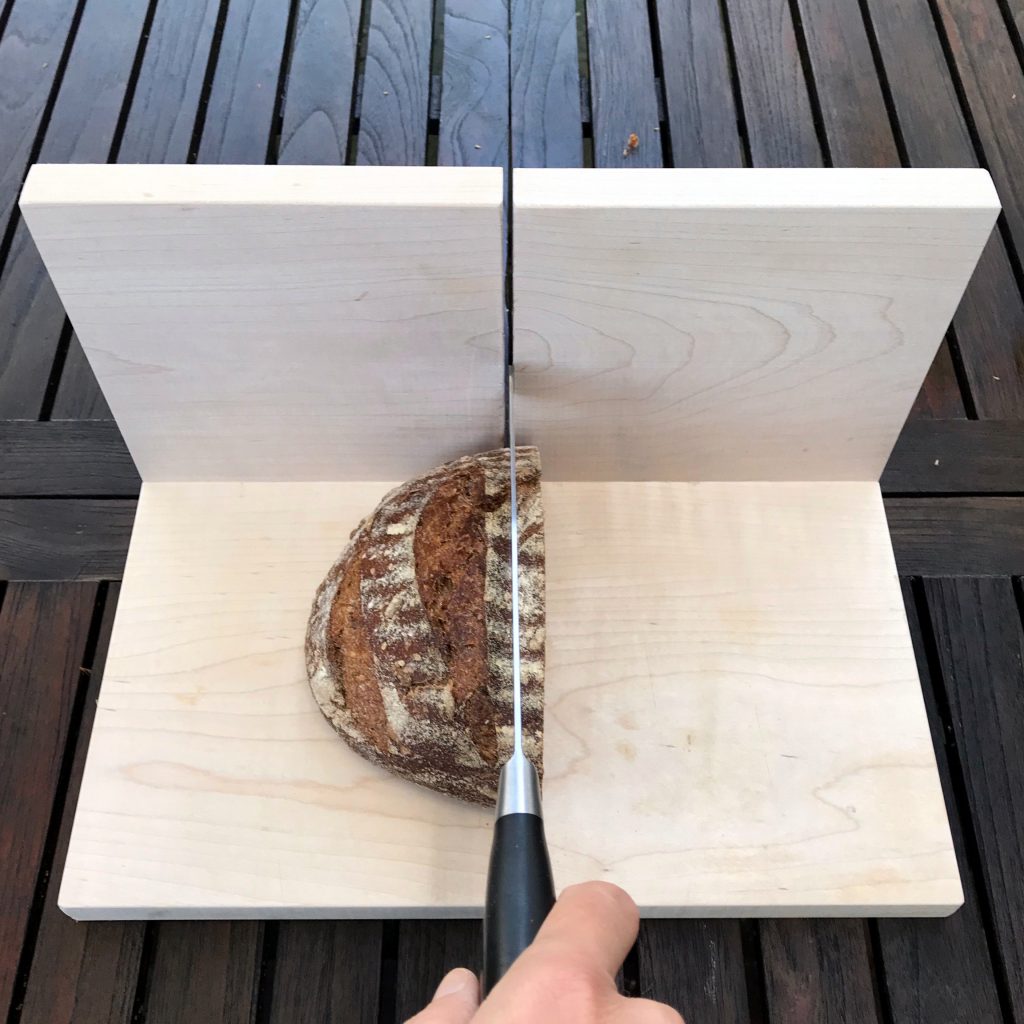
Choosing a blade type is the first step in any bread knife guide. Match blade length to loaf size and handle shape to your grip.
Blade materials and construction
Blade material affects sharpness, edge life, and maintenance. Here are common materials used in bread knives.
- Stainless steel
- Resists rust and is low maintenance.
- Good balance of edge retention and ease of care.
- High-carbon steel
- Holds a sharper edge longer.
- Needs more care to avoid rust.
- Alloy steels with coatings
- Added corrosion resistance and lower friction.
- Some have nonstick finishes for clean cuts.
Construction styles:
- Forged blades
- Made from a single piece of steel.
- Offer better balance and durability.
- Stamped blades
- Cut from sheet steel and often lighter.
- Often more affordable.
A quality bread knife guide will tell you that stainless blades suit most homes, while carbon steel suits those who sharpen often and want top edge retention.

Serration styles and tooth patterns
Serrations determine how a knife bites into crust and releases from soft crumb. Learn the common patterns.
- Large scallops
- Bite deeper into crust.
- Work well on thick-crusted artisan loaves.
- Small teeth
- Give smoother, finer cuts.
- Best for thin-crusted or soft breads.
- Micro-serrations
- Often laser-cut for precision.
- Great for delicate slicing with less tearing.
- Alternate bevel patterns
- Help balance sawing and slicing action.
Tip: A saw-like, shallow serration is best for soft breads and cakes. Deeper scallops are better for crusty boules. This is a key point in any thorough bread knife guide.

How to choose the right bread knife
Choosing a bread knife should feel simple. Use these steps.
- Identify your main use
- Large loaves, sandwich bread, or pastries?
- Pick blade length
- 10–12 inches for bakery-sized loaves.
- 8 inches or less for kitchen counter use.
- Match serration to bread type
- Deep scallops for crusty loaves.
- Fine serrations for soft breads.
- Consider handle comfort
- Look for non-slip grip and good balance.
- Check maintenance needs
- Stainless for low care, carbon for high edge life.
Also think about storage and budget. A mid-range forged stainless bread knife often gives the best value and longevity for home cooks.

How to use a bread knife properly
Using a bread knife is mostly about technique. Good technique prevents crushing and uneven slices.
- Use long, smooth strokes
- Let the teeth do the work. Saw gently rather than pressing hard.
- Keep the loaf stable
- Hold gently but firmly. Use a cutting board with a damp towel under it if needed.
- Slice in one direction when possible
- Start at the heel and pull through to the tip in a steady motion.
- Rotate the loaf for end-to-end cutting
- Move the loaf, not the blade, for thin repeats.
PAA-style question: How do I cut soft bread without squashing it? Use a sharp serrated blade and slow, steady sawing strokes. Support the loaf with your free hand and avoid pressing down.
PAA-style question: Do serrated knives need honing? Strobes and steels don't help serrations much. Use a guided sharpener for serrated edges or have a pro service.

Care, sharpening, and maintenance
A bread knife can last decades with simple care. Follow these rules.
- Hand wash only
- Dishwashers dull serrations and loosen handles.
- Dry immediately
- Prevents rust, especially on high-carbon blades.
- Store safely
- Use a knife block, magnetic strip, or blade guard to protect teeth.
- Sharpening serrated knives
- Use a tapered ceramic rod sized to the tooth pitch.
- Work each tooth with light passes and then strop the edge.
- Professional regrind
- For very worn serrations, pro regrinding restores profile faster.
I learned to use a ceramic rod after flattening a few edges with poor DIY methods. It’s precise and safe when you match rod size to serration spacing.

Buying guide and price points
Bread knives exist at many price points. Know what to expect.
- Budget ($15–$40)
- Stamped stainless blades, decent for light use.
- May need replacement sooner.
- Mid-range ($40–$120)
- Forged stainless with better balance and lifetime value.
- Many top home cooks prefer this range.
- Premium ($120+)
- High-end steel, custom handles, professional feel.
- Great for pros or avid home chefs.
What to test before buying:
- Grip comfort
- Blade straightness and flex
- How the teeth bite into a demo loaf
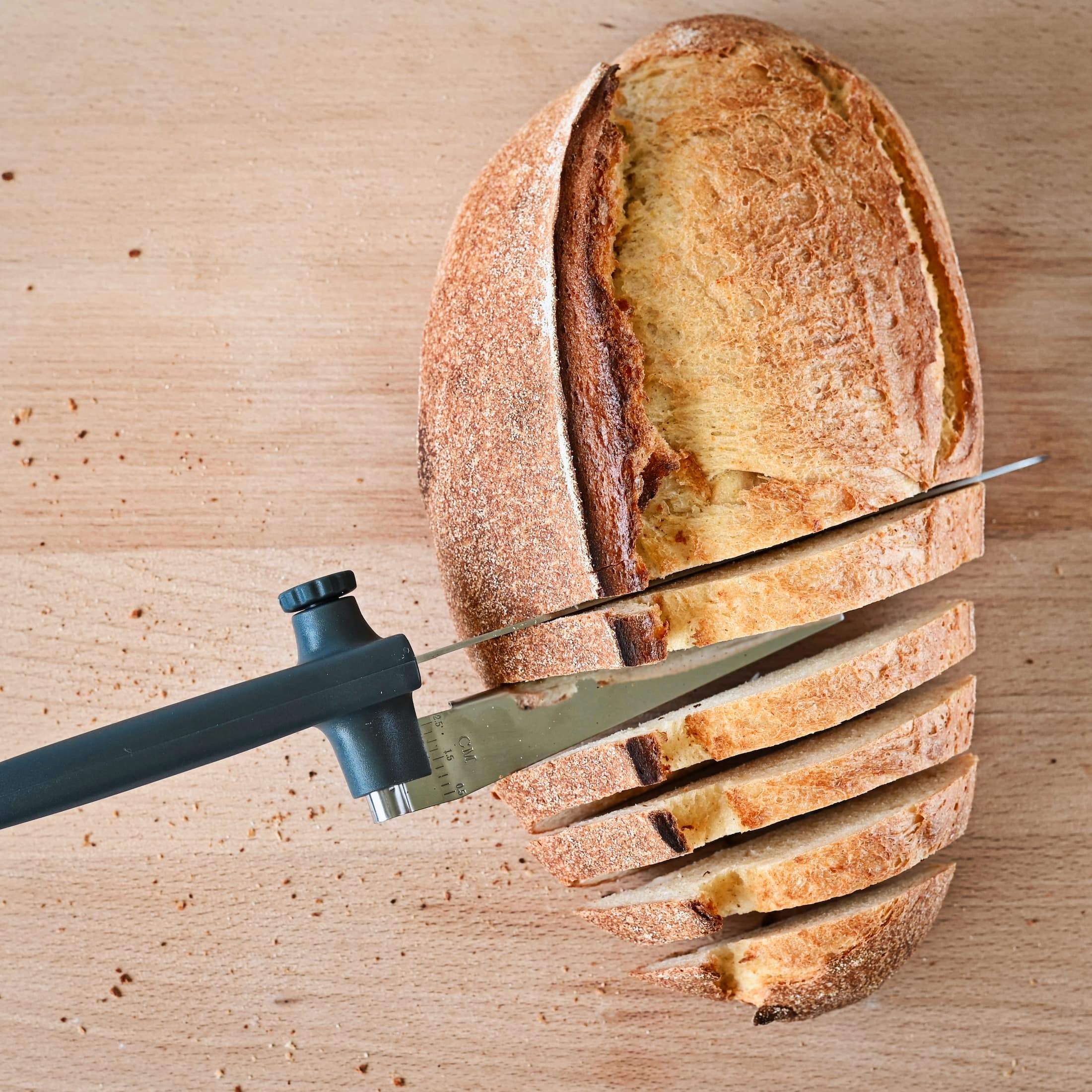
My rule: buy the best bread knife you can afford in the mid-range; it often gives the best long-term value and performance.
My experience and practical tips
I’ve used dozens of bread knives in home and cafe kitchens. Here are lessons I learned.
- Don’t buy based on look alone
- A heavy blade with a bad handle ruins technique.
- Match blade length to loaf size
- A 10-inch knife is versatile for most home loaves.
- Keep one knife for bread only
- Using a bread knife on tomatoes can dull it faster.
- Regular light sharpening beats rare heavy fixes
- Small maintenance keeps teeth effective.
A real mistake I made was storing serrated knives loosely in a drawer. The teeth nicked other tools. A simple blade guard solved that instantly.
Frequently Asked Questions of bread knife guide
What is the ideal length for a bread knife?
For most home cooks, a 9–10 inch blade balances control and reach. Shorter blades suit small loaves and sandwiches.
Can you sharpen a serrated bread knife at home?
Yes. Use a ceramic or diamond tapered rod sized to the serration. Work each tooth gently, then clean the blade.
Is a serrated knife better than a straight-edged knife for bread?
For most breads, serrated knives cut cleanly without crushing. Straight-edge knives work for crustless sandwich bread if very sharp.
How often should I replace my bread knife?
With regular care, a quality bread knife can last many years. Replace when teeth wear down beyond what sharpening can restore.
Are more expensive bread knives worth it?
Often yes. Mid-range forged knives offer better balance, edge life, and comfort. Very expensive knives may suit pros or collectors.
Conclusion
This bread knife guide gives practical steps to pick, use, and care for the right serrated blade. Choose the blade length and serration that match your breads, care for the knife with simple routines, and practice steady sawing to protect your loaves. Try one change today: test a mid-length forged stainless bread knife and see how much cleaner your slices become. If you found this useful, leave a comment, subscribe for more guides, or share your own bread-slicing tips.
Maliha Khatun has spent 5 years hands-on testing Japanese knives for everyday home cooks. She has evaluated over 60 blades across nakiri, santoku, gyuto, and petty categories — scoring each on edge retention, steel quality, handle comfort, and value for money. She writes to help home cooks buy the right knife without the guesswork.
Expertise:Japanese Knives • Vegetable Knives • Product Reviews • Kitchen Efficiency • Knife Care
Leave a Reply