A fillet knife guide helps you pick, use, and care for the best thin, flexible blade for clean fish fillets.
I have spent years filleting fresh catches on docks and in home kitchens. This fillet knife guide packs clear, expert steps and real-world tips to help you choose the right blade, learn safe technique, and keep your knife sharp. Read on for practical advice, mistakes to avoid, and actionable steps to make filleting easier and faster.

Understanding the fillet knife guide: what a fillet knife is and why it matters
A fillet knife is a thin, flexible blade made to separate meat from bones cleanly. This fillet knife guide explains anatomy, blade types, and how flex affects performance. Knowing these basics saves time at the table and keeps meat intact.
Key parts of a fillet knife:
- Blade: Thin and narrow for precise cuts.
- Tang: Full or partial steel extension into the handle.
- Handle: Ergonomic grip often made of rubber, polymer, or wood.
- Tip: Sharp and pointed for initial cuts.
Common blade materials:
- Stainless steel: Resists rust and needs less maintenance.
- High-carbon steel: Holds an edge longer but requires more care.
- Powdered or tool steels: Offer balance of edge retention and corrosion resistance.
Types of fillet knife flex:
- Stiff blade: Better for large fish or tougher skin.
- Moderate flex: Versatile for most fish sizes.
- Extra flexible: Ideal for small fish and delicate trimming.
This fillet knife guide starts with these basics so you choose the right tool for the fish and the task.

Choosing the right fillet knife: sizes, flex, and features
The right choice depends on fish size and use. This fillet knife guide breaks selection into simple choices.
Blade length and use:
- 6 to 7 inches: Best for small to medium fish.
- 8 to 9 inches: Good for medium to large fish.
- 10+ inches: Used for very large fish or commercial work.
Flex rating and fit:
- Extra flexible blades make clean cuts on small fish.
- Medium flex offers control and strength.
- Stiffer blades handle bigger fish and thicker skin.
Handle and balance:
- Comfortable grip reduces wrist fatigue.
- Non-slip materials help on wet boats or docks.
- Full tang improves balance and durability.
Edge type and finish:
- Plain edge for smooth, precise fillets.
- Micro-serrated edge for slippery fish or scaled skin.
- Corrosion-resistant coating helps saltwater use.
Buying tip from the guide: test feel first. If you can, hold the fillet knife guide's model. The right blade will feel balanced and light in hand.

How to use a fillet knife guide: step-by-step filleting technique
This fillet knife guide gives clear steps for safe, fast filleting.
Prep:
- Clean and scale the fish.
- Place the fish on a stable cutting board.
- Use a towel or clamp to steady the fish.
Filleting steps:
- Make an initial cut behind the gill down to the backbone.
- Turn blade flat and glide along the backbone toward the tail.
- Use long, smooth strokes; let the blade do the work.
- For skinning, hold the tail and angle the blade slightly; saw gently while pulling the skin.
- Check for pin bones and remove with pliers.
Tips for cleaner fillets:
- Use slow, single strokes instead of short sawing motions.
- Keep the blade angled for precise separation.
- Rinse the blade between strokes on larger fish.
PAA-style question: How do I fillet a fish without wasting meat?
Answer: Use long, steady strokes and keep the blade flush against the backbone. Let the knife follow the bone line to reduce wasted meat.
PAA-style question: When should I choose a stiff versus flexible blade?
Answer: Choose a stiff blade for big, firm fish and a flexible blade for small, delicate fish.
This fillet knife guide advises practice and patience. Progress comes fast when you focus on smooth motion and control.
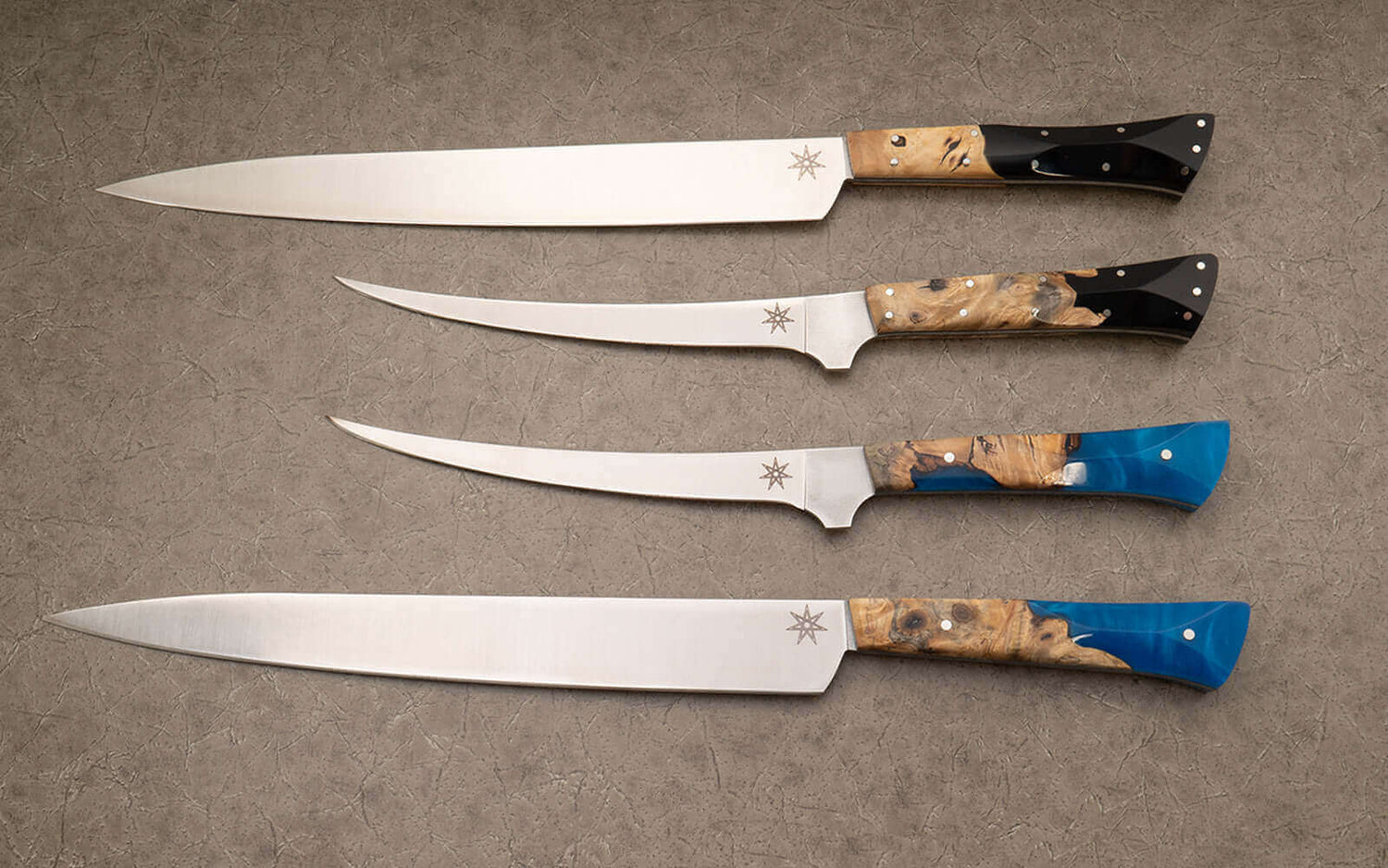
Sharpening, honing, and maintenance: keep your fillet knife sharp
A sharp blade is safer and makes cleaner cuts. This fillet knife guide covers routine care.
Sharpening basics:
- Use a fine whetstone or a quality sharpening system.
- Maintain the factory bevel angle, typically 15–20 degrees per side.
- Make even passes across the blade and finish with a light strop.
Honing and stropping:
- Hone lightly between fillets to realign the edge.
- A leather strop with compound polishes the edge and removes burrs.
Cleaning and corrosion prevention:
- Rinse after use, especially after saltwater.
- Dry thoroughly and oil the blade if needed.
- Store in a sheath or dry drawer.
Common mistakes to avoid:
- Putting a fillet knife in a dishwasher.
- Sharpening at a wrong angle.
- Letting fish juices sit on the blade overnight.
This fillet knife guide recommends small, regular care steps to extend edge life.
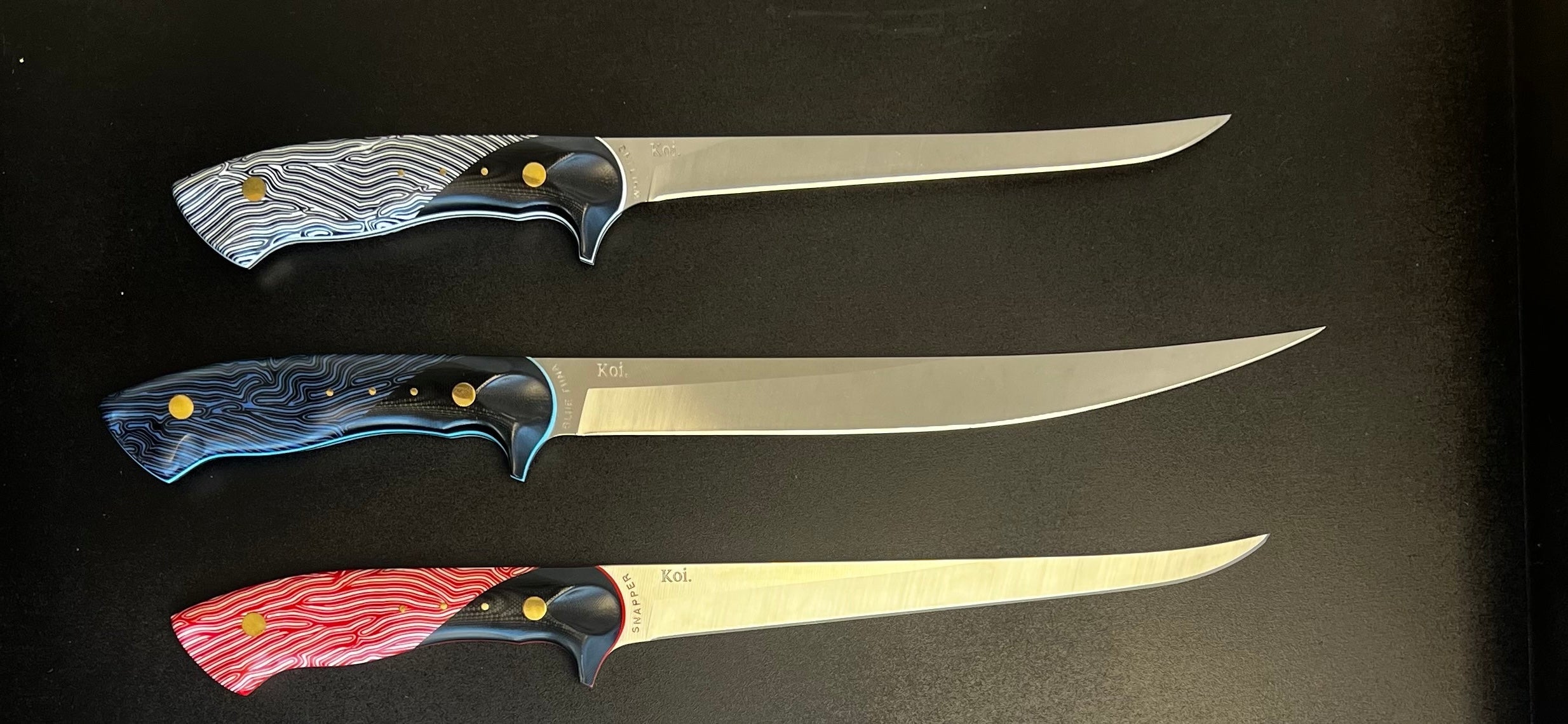
Safety, storage, and handling: protect yourself and the blade
Safety matters. This fillet knife guide lists simple rules to avoid injury and keep the knife ready.
Safe handling:
- Cut away from your body.
- Secure the fish before each cut.
- Wear a cut-resistant glove on the non-cutting hand if needed.
Storage options:
- Use a hard sheath to protect the edge.
- Store in a dry, ventilated place to avoid rust.
- Avoid tossing loose knives in drawers.
Routine checks:
- Inspect for loose handles or corrosion.
- Replace or repair if the blade chips or the handle cracks.
Following the fillet knife guide’s safety tips reduces accidents and keeps gear ready.

Buying tips, brands, and budget advice in this fillet knife guide
You don’t need the most expensive tool for good results. This fillet knife guide helps balance cost and quality.
Budget categories:
- Entry-level: Affordable stainless blades for casual users.
- Mid-range: Better steel and balanced handles for avid anglers.
- Premium: High-end steels, full tang, and lifetime warranties for professionals.
What to look for in every price range:
- Good edge retention.
- Comfortable grip.
- Solid construction and corrosion resistance.
My buying rule from the fillet knife guide: buy the best blade you can afford and prioritize fit in your hand over brand names.

Personal experience and tips from years of filleting
I learned with cheap blades and then upgraded. This fillet knife guide includes lessons I picked up.
What worked for me:
- A medium-flex 8-inch blade covered most fish I caught.
- A non-slip handle cut down slips while on the boat.
- Sharpening weekly made filleting faster and safer.
Mistakes I made:
- Storing a wet blade led to rust spots and extra work.
- Using a one-size-fits-all blade for tiny fish resulted in wasted meat.
- Over-sharpening removed too much metal over time.
Practical tip: keep a small strop and a compact sharpener in your tackle box. It saved me hours and kept fillets clean.

Frequently Asked Questions of fillet knife guide
What size fillet knife should I choose?
For most anglers, an 8-inch fillet knife is a versatile choice. Use 6–7 inches for small fish and 9–10 inches for very large fish.
How flexible should my fillet knife be?
Choose extra-flex for small, delicate fish and medium to stiff for larger, firmer fish. Flex depends on the fish and your comfort.
How often should I sharpen my fillet knife?
Hone before each use and sharpen fully after several uses, or when slicing becomes uneven. Frequency depends on steel and use.
Can I use a fillet knife for other tasks?
You can use it for trimming meat or slicing thin cuts, but a fillet knife is not ideal for heavy chopping. Use the right tool for the job.
How do I prevent a fillet knife from rusting?
Rinse and dry after each use, oil lightly if needed, and store in a dry sheath. Avoid dishwasher cleaning.
Is a serrated fillet knife better?
Serrated edges help with slippery or scaled fish, but plain edges give smoother fillets. Pick based on your common catches.
Do I need a full tang fillet knife?
Full tang offers better balance and durability, especially for heavy use. Partial tang is fine for light, occasional use.
Conclusion
This fillet knife guide gives clear steps to choose, use, and care for the right fillet knife. Practice the techniques, keep your blade sharp, and prioritize safety for cleaner fillets and less waste. Try one new tip from this guide on your next catch, and tweak your setup until it fits your hand and fish style. If this fillet knife guide helped you, subscribe for more gear tips, share your filleting stories in the comments, or try a recommended blade and report back.

Maliha Khatun has spent 5 years hands-on testing Japanese knives for everyday home cooks. She has evaluated over 60 blades across nakiri, santoku, gyuto, and petty categories — scoring each on edge retention, steel quality, handle comfort, and value for money. She writes to help home cooks buy the right knife without the guesswork.
Expertise:Japanese Knives • Vegetable Knives • Product Reviews • Kitchen Efficiency • Knife Care
Leave a Reply