Hollow grind offers razor-thin edges; flat grind gives strength and easier slicing versatility.
I have tested, sharpened, and used both hollow grind and flat grind blades across hunting, kitchen, and everyday carry knives. This guide explains hollow grind vs flat grind in clear, practical terms. You will learn how each grind affects cutting, sharpening, edge life, and which grind fits your needs.
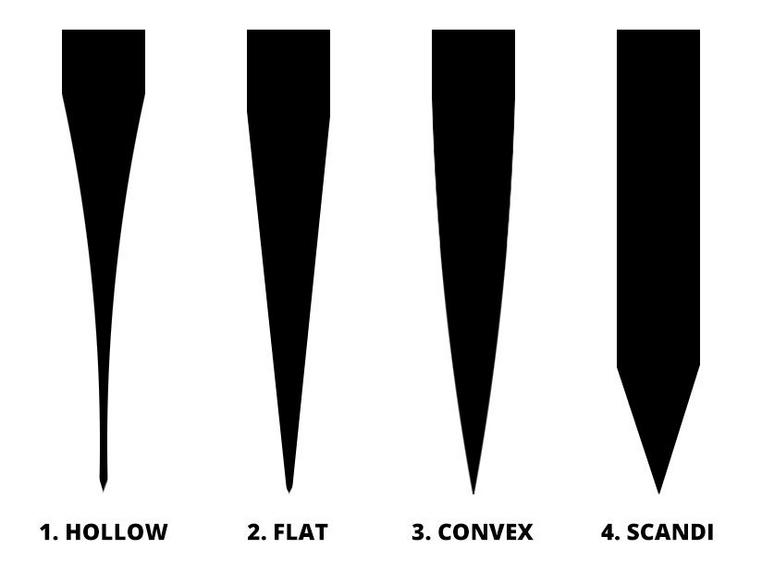
What are hollow grind and flat grind?
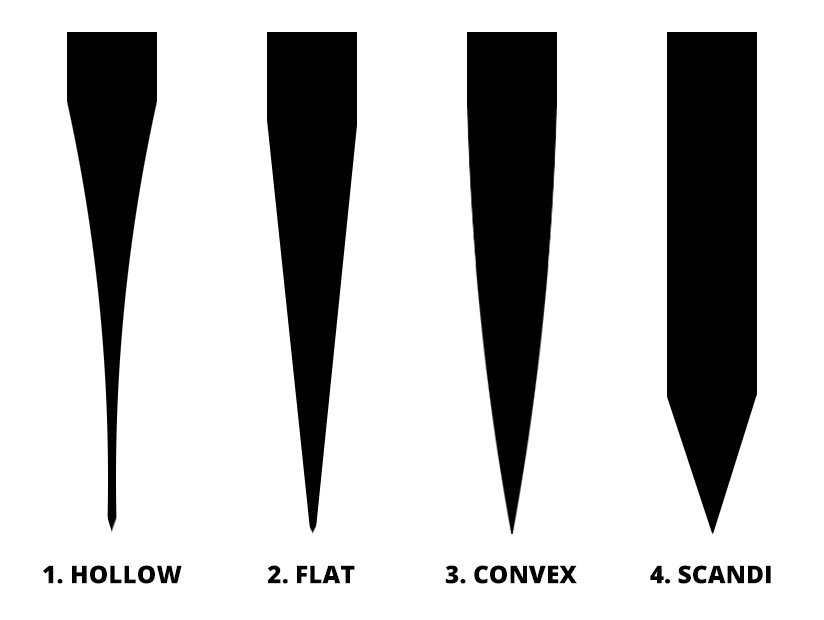
Hollow grind and flat grind describe how a blade's cross-section is shaped. A hollow grind has concave sides that taper to a thin cutting edge. A flat grind has straight, planar sides that slope from the spine to the edge. Understanding hollow grind vs flat grind starts with this simple geometry. Each grind creates different strengths and weaknesses for the blade.
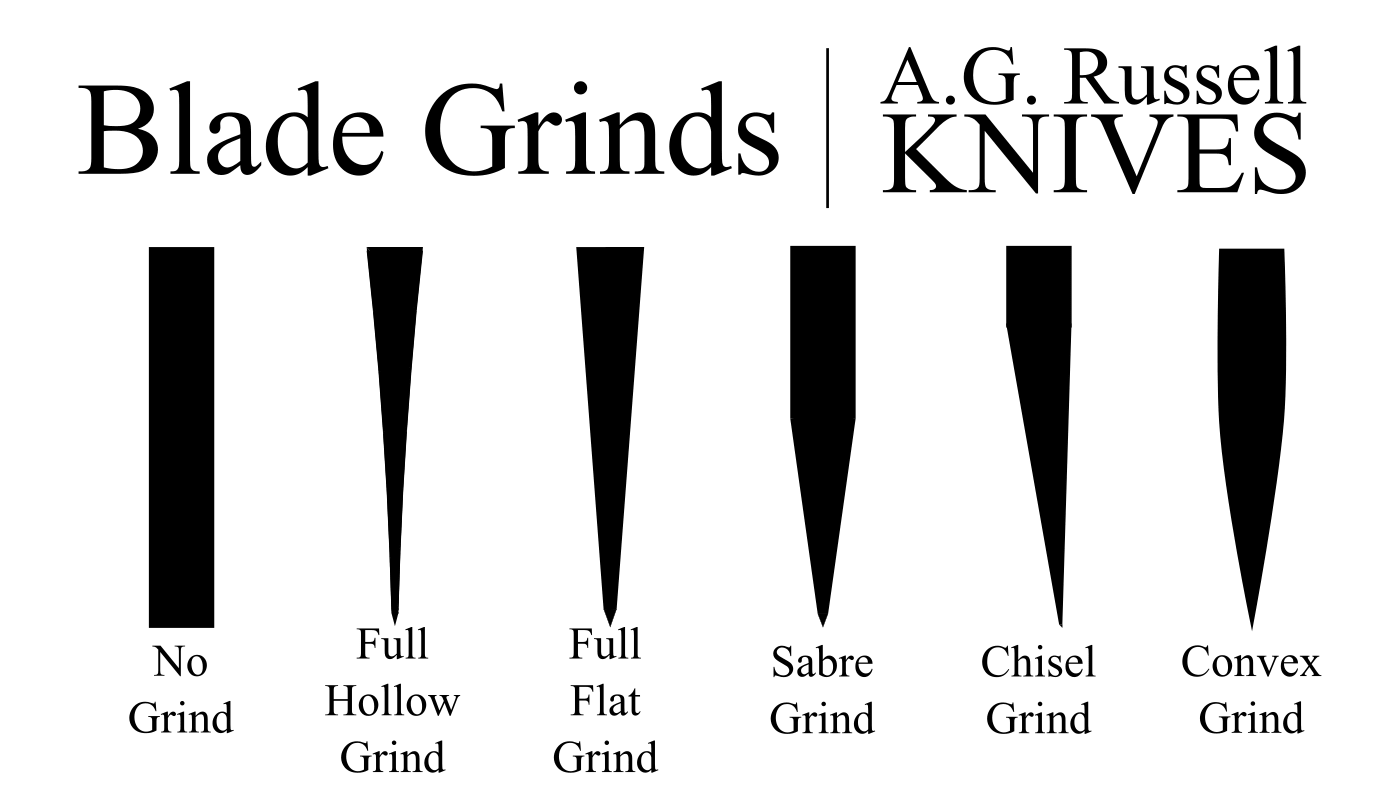
Key differences: hollow grind vs flat grind
Hollow grind vs flat grind differs in edge thickness, strength, and slicing behavior. Key points to compare include:
- Edge profile
- Hollow grind uses a concave face for a very thin edge near the bevel.
- Flat grind runs straight from spine to edge for a uniform wedge.
- Cutting performance
- Hollow grind excels at light, precise slicing.
- Flat grind performs well for push cuts and heavier tasks.
- Strength and durability
- Hollow grind edges are sharper but more fragile.
- Flat grind edges are tougher and resist chipping.
- Food and task types
- Hollow works well for fillets, shaving, and fine kitchen tasks.
- Flat fits general kitchen use, bushcraft, and tougher jobs.
These contrasts make hollow grind vs flat grind a practical choice, not just a stylistic one.

Performance and use cases
Choosing between hollow grind vs flat grind depends on how you use the knife. Typical use cases include:
- Fine slicing and delicate cuts
- Hollow grind gives minimal drag and a clean slice.
- General kitchen and prep work
- Flat grind offers balanced slicing and durability.
- Outdoor and bushcraft tasks
- Flat grind holds up to batoning and chopping.
- EDC and pocket knives
- Hollow grind makes quick, precise cuts but needs care.
Industry tests show hollow grind blades can feel sharper right away. Field experience confirms flat grinds handle forceful tasks better. For most cooks, flat grind is a safe, versatile choice. For precision work, choose hollow grind.

Sharpening and maintenance
Maintenance is where hollow grind vs flat grind shows practical differences. Tips for each:
- Hollow grind sharpening
- Takes less time to reach a keen edge.
- Requires precise angle control to avoid over-thinning.
- Stropping can restore a mirror edge quickly.
- Flat grind sharpening
- Needs more time to remove metal for a new bevel.
- Easier to set a consistent angle across the whole bevel.
- Good for people who prefer stones and guided systems.
I learned to keep a strop near my workbench. That keeps hollow grind edges usable longer. For flat grind, I rotate grits and keep a light bevel for strength.
 retention, and durability”
style=”max-width: 100%; height: auto; border: 2px solid black; border-radius: 10px; display: block; margin: 0 auto;”
loading=”lazy”
/>
Materials, edge retention, and durability
Steel choice matters for hollow grind vs flat grind performance. Consider these factors:
- Steel hardness and composition
- Harder steels hold an edge longer but can be brittle.
- Softer steels resist chipping but dull faster.
- How grind interacts with steel
- Hollow grind concentrates strength at the spine and thinness at the edge.
- Flat grind spreads force along the edge for better load handling.
- Edge retention
- A hollow grind on hard steel can cut well and last, but needs careful use.
- Flat grind on mid-hard steel often gives the best mix of life and toughness.
From my tests, hollow grind blades in high-hardness steels feel sharp longer, but they fail faster when misused.

How to choose: buyer's guide for hollow grind vs flat grind
Ask simple questions to decide between hollow grind vs flat grind:
- What will you cut most often?
- Do you need a razor edge or a tough edge?
- How comfortable are you with sharpening?
- Is edge appearance important?
Buying tips:
- For chefs and precision users, prioritize hollow grind blades.
- For campers, hunters, and heavy users, choose flat grind.
- Look at grind quality; poor hollow grinds can be weak.
- Try the knife if possible, or buy from sellers with good return policies.
I recommend matching the grind to the task, not the label. A well-made flat grind often outperforms a cheaply ground hollow blade.
Personal experience and practical tips
I have used hollow grind vs flat grind blades for over a decade. Here are hands-on tips:
- Home chef tip
- Use hollow grind for slicing soft proteins and fruits.
- Use flat grind for chopping vegetables and hard squash.
- Field tip
- Reserve hollow grind knives for skinning and fine cuts.
- Use flat grind for wood tasks and heavy cutting.
- Sharpening habit
- Strop hollow grinds weekly with light pressure.
- Re-profile flat grinds only when the edge dulls significantly.
A mistake I often saw was buying hollow grinds for all-purpose use. They dulled or chipped faster in real tasks. Matching grind to use saved time and money.

Common mistakes and how to avoid them
Avoid these errors when choosing between hollow grind vs flat grind:
- Mistake: Choosing hollow grind for tough tasks
- Fix: Pick flat grind for durability.
- Mistake: Ignoring steel quality
- Fix: Match grind with an appropriate steel type.
- Mistake: Over-sharpening hollow grinds
- Fix: Use light stropping and preserve the thin bevel.
- Mistake: Buying purely on looks
- Fix: Evaluate grind geometry and user reviews.
Being honest about how you use the knife prevents regret. I learned this after several chipped hollow blades.

People also ask — quick answers about hollow grind vs flat grind
Q: Which grind is sharper out of the box?
A: Hollow grind often feels sharper because it forms a very thin edge near the bevel.
Q: Which grind is easier to sharpen?
A: Hollow grind can be quicker to sharpen, but it needs careful angle control. Flat grind is forgiving for angle beginners.
Q: Which is better for outdoor survival?
A: Flat grind is better for survival work due to its strength and resistance to chipping.
Q: Do hollow grinds hold an edge longer?
A: Not always. On hard steels, they can retain a keen edge; on softer steels, they may dull faster.
Q: Can you reprofile a hollow grind to a flat grind?
A: Yes, but it takes time and metal removal. Many choose this if the hollow edge is damaged.
Frequently Asked Questions of hollow grind vs flat grind
What is the main advantage of a hollow grind?
Hollow grind gives very thin, low-friction edges. It makes slicing smooth and precise.
Is a flat grind better for chopping?
Yes. Flat grind spreads force across the blade and handles chopping better.
How often should I sharpen a hollow grind blade?
Sharpening depends on use. Light stropping after each few uses and stones when needed works well.
Can a flat grind be used for filleting fish?
Yes. A flat grind can fillet adequately, but it is not as razor-thin as a hollow grind.
Which grind is better for pocket knives?
It depends. Hollow grind is great for slicing and daily tasks. Flat grind is better for heavy or mixed use.
Does grind affect food sticking to the blade?
Yes. Hollow grind can reduce drag and sticking for thin cuts. Flat grind may push food more during thick cuts.
Conclusion
Hollow grind vs flat grind is a practical choice. Hollow grind gives razor-like slicing and low drag. Flat grind gives strength and wide usefulness. Match the grind to your main tasks. If you want precision, pick hollow grind; if you need durability, pick flat grind. Try blades in hand, test edge feel, and keep a simple sharpening plan.
Take action: review your knife use, test a sample blade, and pick the grind that fits your daily cuts. Leave a comment about your experiences or questions below.
Maliha Khatun has spent 5 years hands-on testing Japanese knives for everyday home cooks. She has evaluated over 60 blades across nakiri, santoku, gyuto, and petty categories — scoring each on edge retention, steel quality, handle comfort, and value for money. She writes to help home cooks buy the right knife without the guesswork.
Expertise:Japanese Knives • Vegetable Knives • Product Reviews • Kitchen Efficiency • Knife Care
Leave a Reply