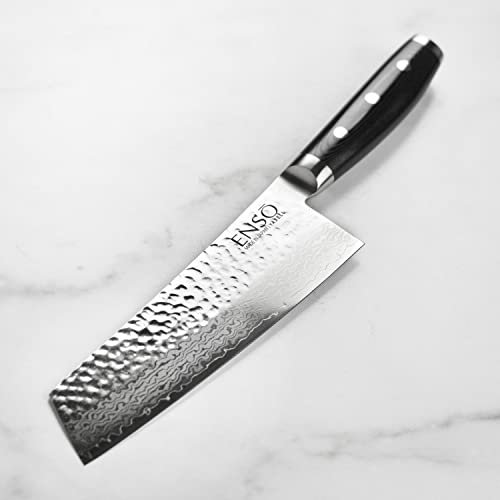
A yanagiba knife guide explains features, use, and care for precision Japanese slicing.
I have spent years using, testing, and teaching knife skills in sushi kitchens and at home. This yanagiba knife guide draws on hands- on experience, technical details, and practical tips so you can choose, use, and care for a yanagiba with confidence. Read on for clear steps, expert advice, and mistakes to avoid.
What is a yanagiba and why it matters
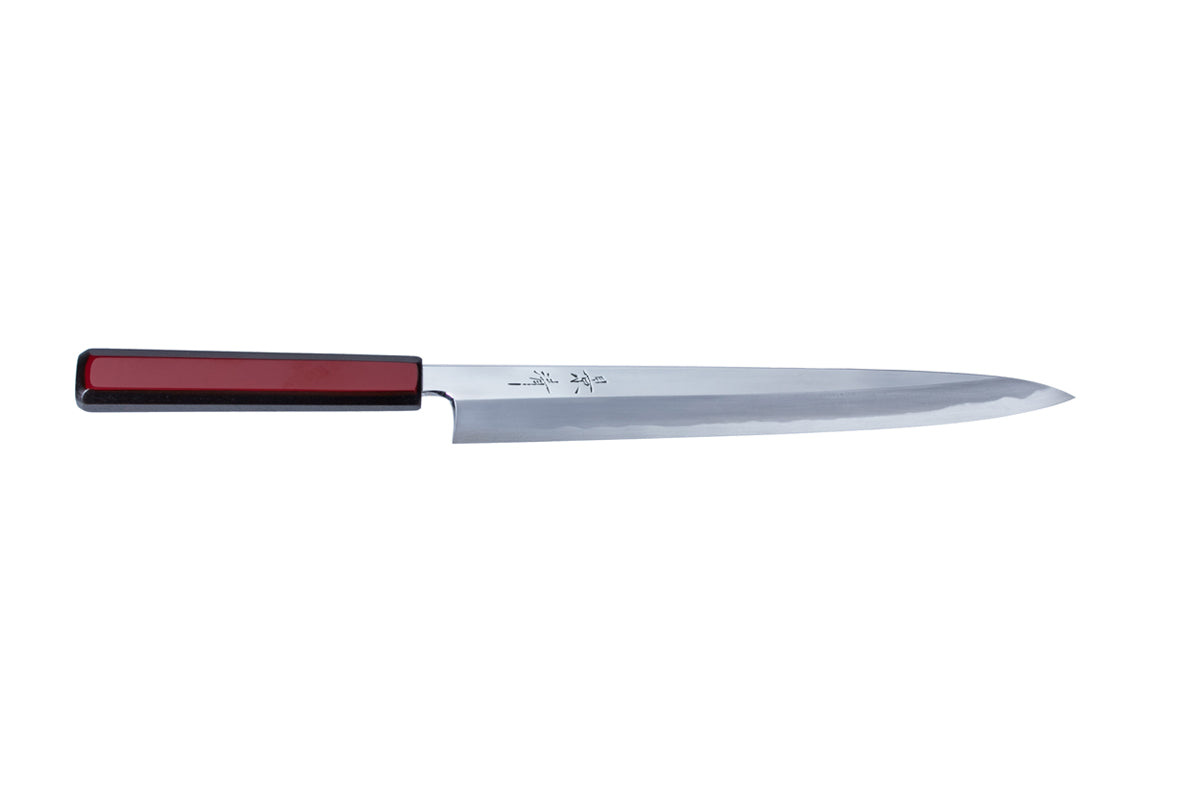
A yanagiba is a long, single-bevel Japanese slicing knife made for cutting raw fish and delicate proteins. This yanagiba knife guide covers its role in sushi, sashimi, and fine food prep.
A yanagiba has a long blade that makes clean, single-stroke cuts. The single bevel gives one very sharp edge and a wide flat side that helps release slices. For sushi chefs, a yanagiba is a precision tool. For home cooks, it brings pro-level slices when used right.
Anatomy and key terms to know
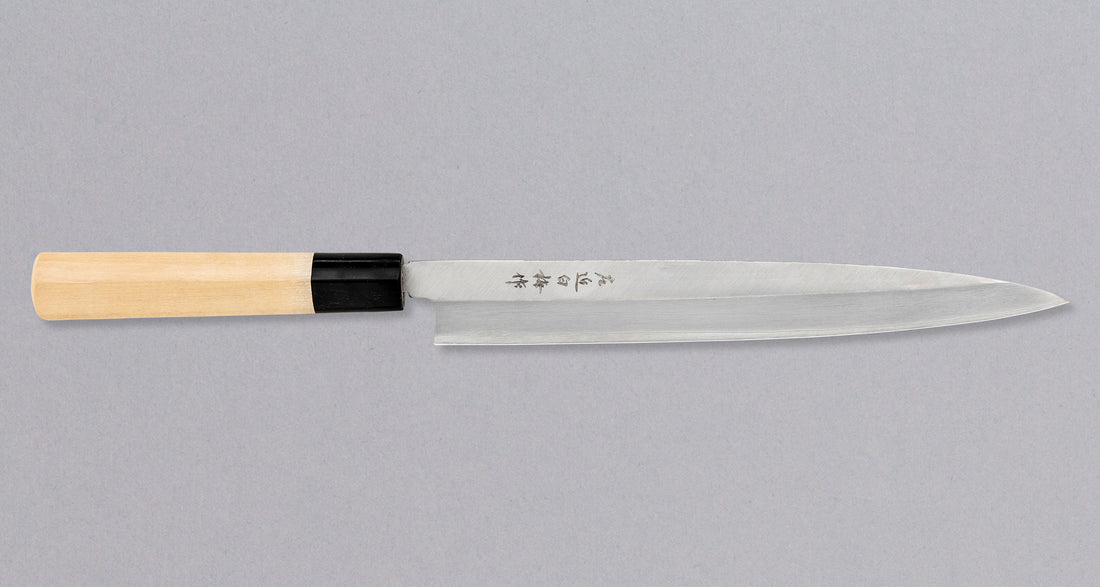
Understanding parts helps you pick the right blade. This yanagiba knife guide explains the main parts and what they do.
- Blade profile The long, narrow blade allows long, smooth pulls without sawing.
- Single bevel Only one side is sharpened. The other side is flat or slightly concave.
- Heel and tip The heel handles controlled cuts. The tip is used for detail work.
- Spine and tang The spine adds stiffness. Full tangs are stronger for heavy use.
- Wa- and yo-style Wa-style handles are traditional. Yo-style handles mimic Western grips.
Types of yanagiba and when to choose each
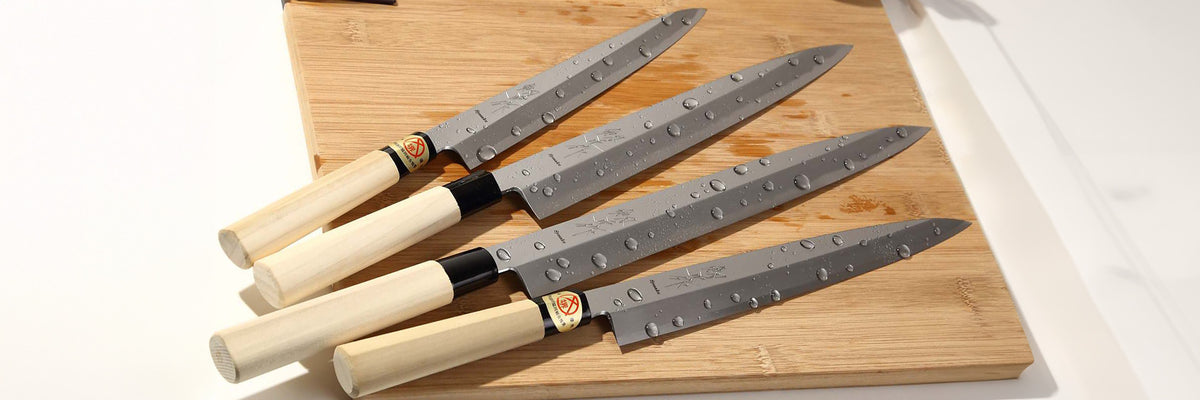
Not all yanagiba are the same. This yanagiba knife guide helps you choose by use and skill.
- Wa-style yanagiba Lightweight and balanced. Ideal for sushi chefs who use traditional grip.
- Yo-style yanagiba Western handle for those used to chef knives.
- Short yanagiba Easier for home cooks and small fish.
- Long yanagiba Best for large fish and restaurant work.
- Hardened steel vs softer steel Harder steel holds edge longer but needs care. Softer steel is easier to sharpen.
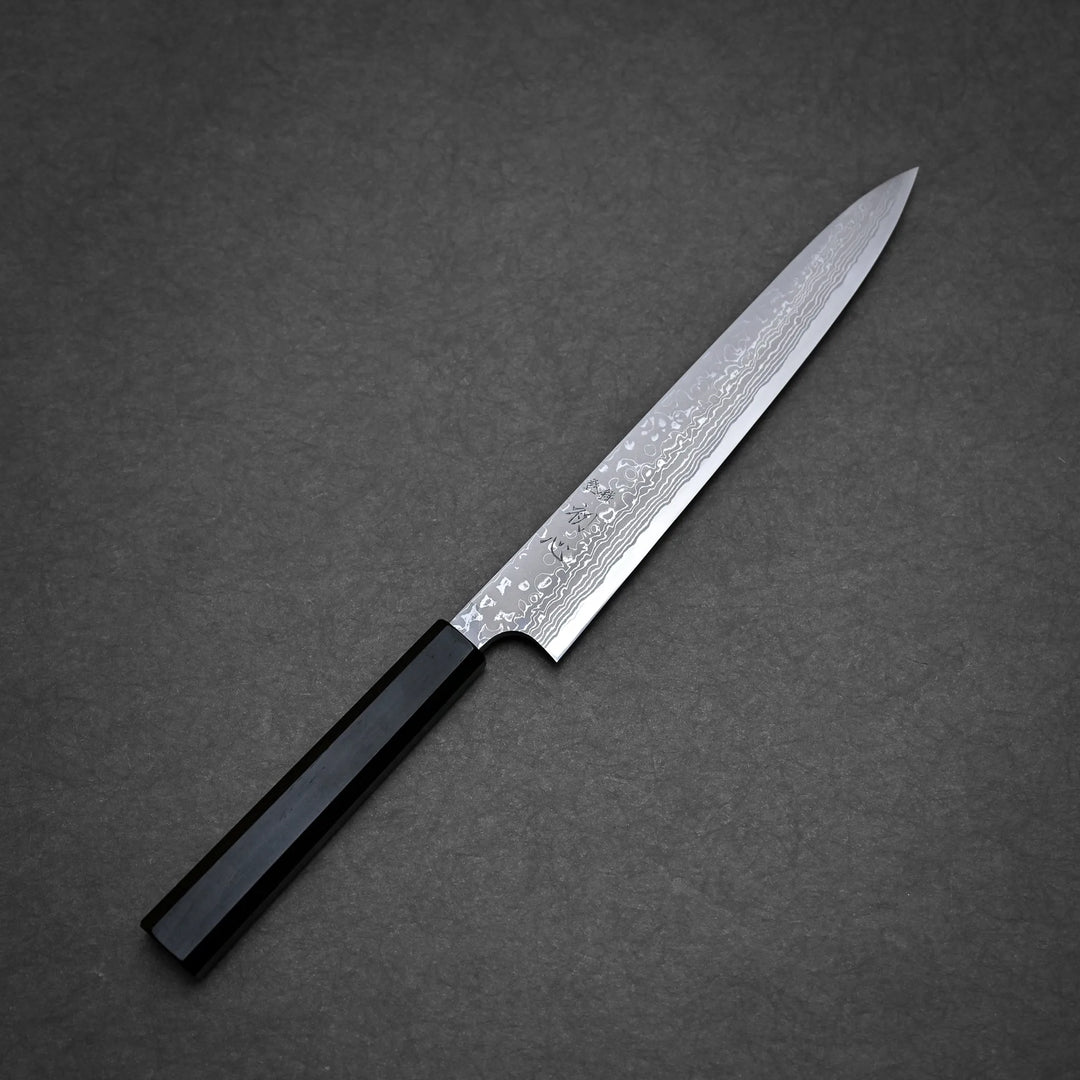
How to choose the right yanagiba
Choosing well saves money and time. Use this yanagiba knife guide checklist.
- Purpose Decide if you need it for sushi, sashimi, or general slicing.
- Blade length Pick 240–300 mm for average tasks. Choose longer for big fish.
- Steel type High-carbon steel takes a keener edge. Stainless steel resists rust.
- Handle comfort Try grips; comfort reduces wrist fatigue.
- Single bevel orientation Right-handed bevel fits most users; left-handed blades are available.
- Budget Expect to pay more for hand-forged and high-carbon options.
From my experience, a 270 mm wa-style yanagiba in high-carbon steel is the sweet spot for serious home cooks. I learned this after trying many sizes that felt either too short or too unwieldy.
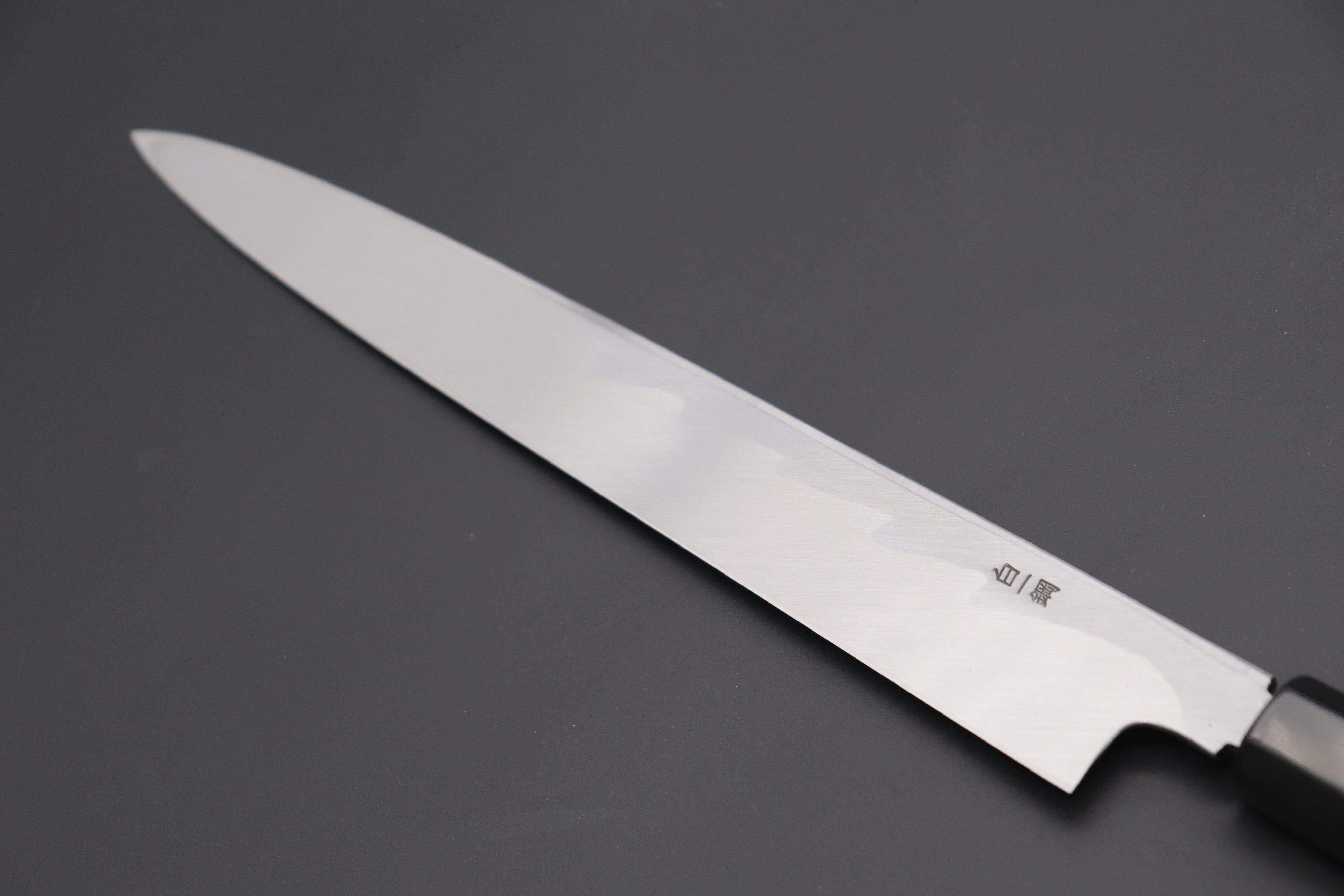
How to use a yanagiba: step-by-step technique
Proper technique creates clean slices and keeps the blade safe. Follow this part of the yanagiba knife guide closely.
- Grip Hold the handle near the bolstered end for control. Place thumb and forefinger on the blade for precision when needed.
- Stance Stand with feet shoulder-width apart. Keep the cutting board stable.
- Pull-cut motion Use a single pulling stroke from heel to tip. Do not saw.
- Slice thickness Aim for uniform thickness by keeping consistent motion and angle.
- Fish prep For sashimi, fillet first on a flat surface. Then make long, single slices.
- Practice Start slow. Long strokes get cleaner with repetition.
A tip from my kitchen: wet the blade slightly before slicing. It helps the fish not stick and keeps slices neat.

Sharpening and maintenance basics
A yanagiba needs care to stay sharp. This yanagiba knife guide covers sharpening, stropping, and rust prevention.
- Sharpening angle Maintain the original bevel angle, often 10–15 degrees on single-bevel side.
- Whetstones Use a progression from 1000 to 6000 grit for a fine edge.
- Flat side care Use light stropping on the flat side to remove burrs and maintain the mirror finish.
- Honing vs sharpening Hone for quick touch-ups. Sharpen when you feel resistance.
- Cleaning Hand wash immediately after use and dry fully. Avoid dishwashers.
- Storage Store in a saya (wood sheath) or on a magnetic strip away from moisture.
From experience, I sharpen weekly when in heavy use. For home cooks, monthly touch-ups often suffice.
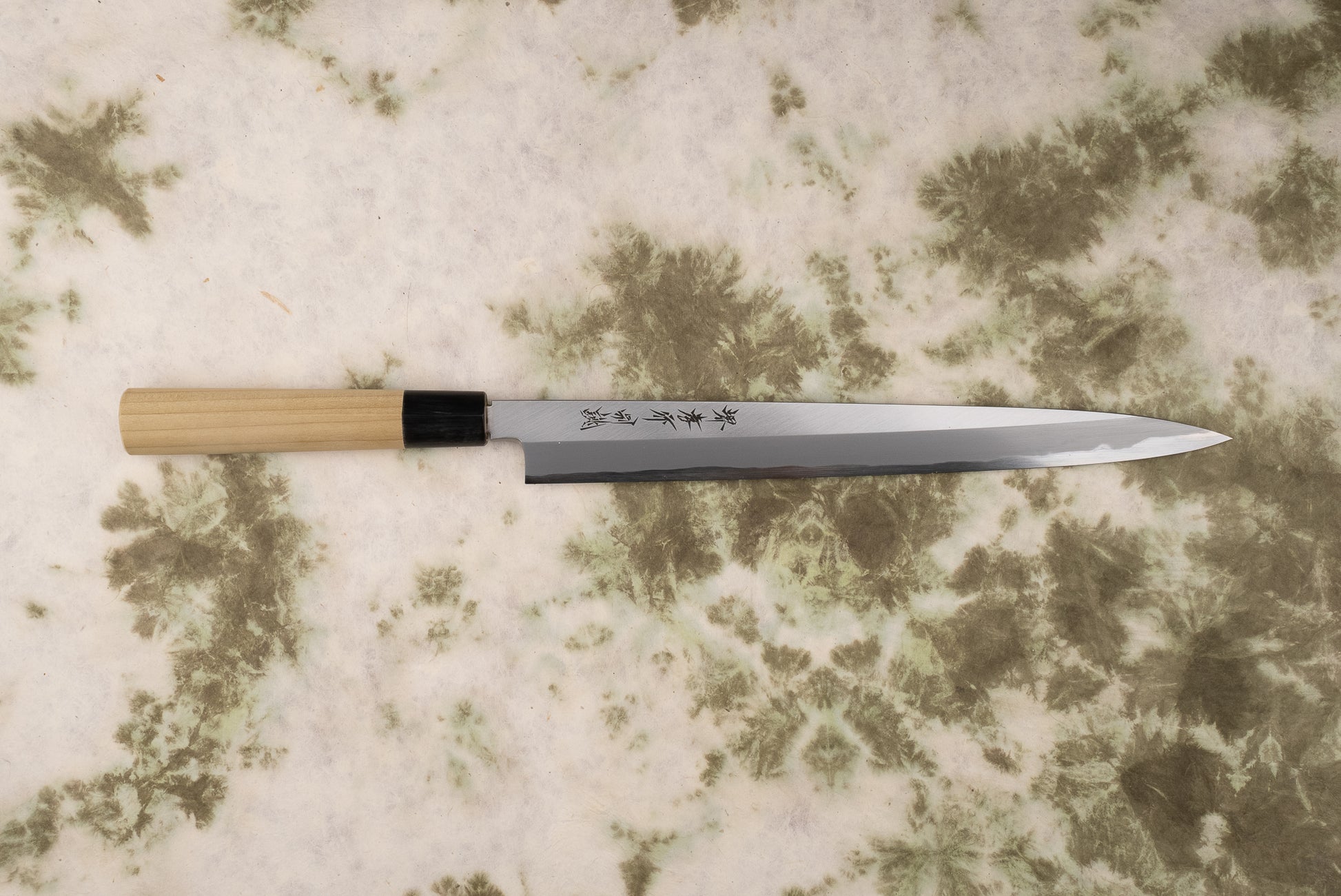
Common mistakes and how to avoid them
Mistakes shorten blade life. This yanagiba knife guide lists pitfalls and fixes.
- Using the blade like a cleaver Yanagiba are for slicing, not chopping. Use a different knife for bones.
- Wrong stones Avoid only coarse stones; finish on high grit for rich shine and less tearing.
- Neglecting the flat side Ignoring the flat side creates burrs and poor release of slices.
- Storing wet Water causes rust and pitting, especially on carbon steel.
- Excessive sawing Sawing damages the edge. Use controlled pulls instead.
I learned the hard way that using a yanagiba on frozen fish chips the edge fast. Thaw fully before slicing.

Pros, cons, and limitations
This section of the yanagiba knife guide gives a fair view to set expectations.
- Pros Produces razor-thin, clean slices. Elegant and precise for fish and delicate meats.
- Cons Single-bevel limits versatility. Not ideal for cutting boards with bones.
- Limitations Requires skill and maintenance. High-carbon versions can rust if neglected.
Use this tool for what it was made to do. Pair it with a deba or boning knife for prep.
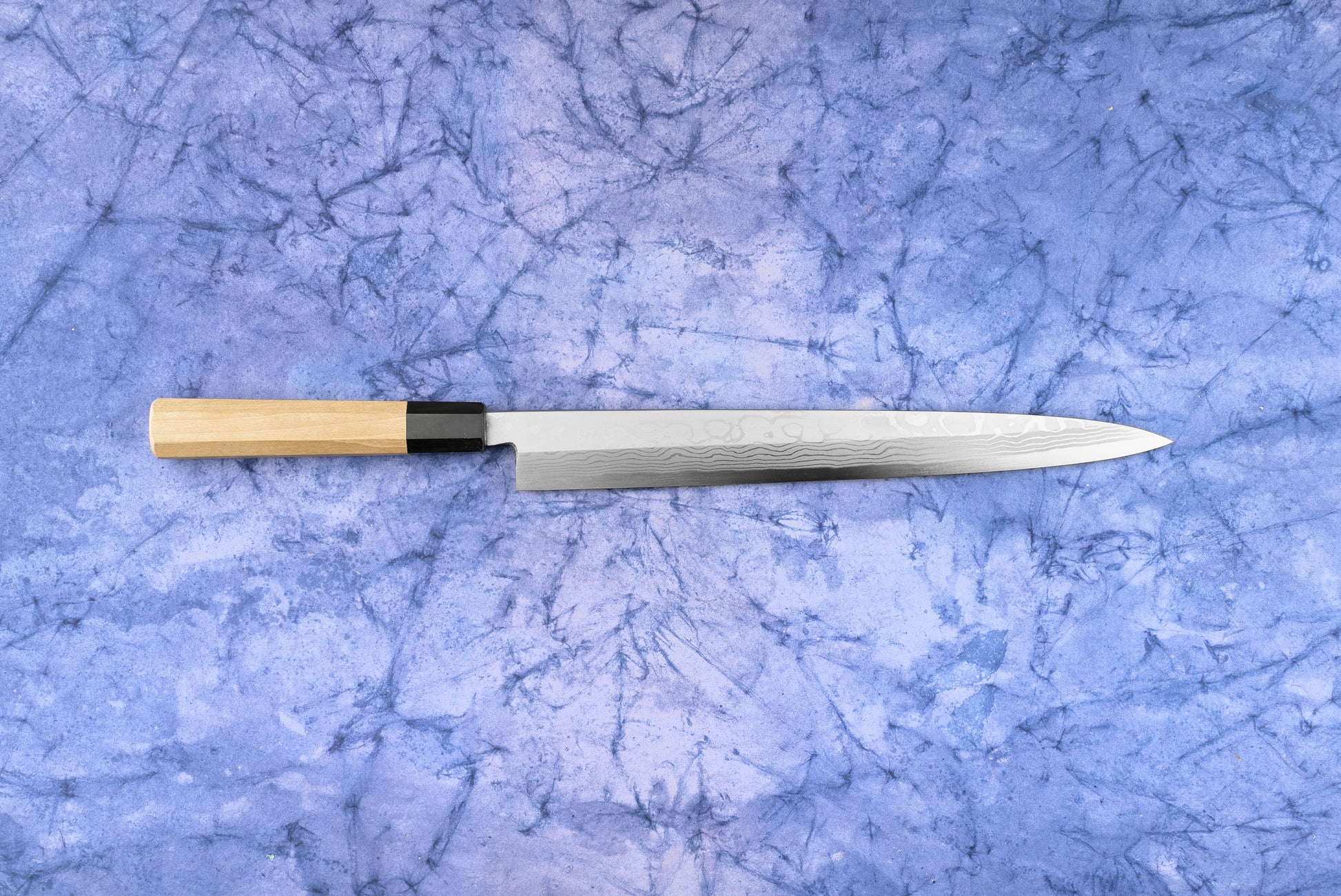
Buying tips, brands, and price guide
A smart buy lasts years. This yanagiba knife guide helps you shop thoughtfully.
- Try before you buy If possible, hold and feel balance and weight.
- Inspect the bevel Look for a consistent single bevel and smooth grind.
- Ask about heat treatment Good heat treat means edge retention and toughness.
- Price ranges Budget options start low but expect better steel and craft at mid to high range.
- Warranties and resharpening Choose sellers offering sharpening services or clear return policies.
I recommend buying from specialty sellers who can confirm bevel angle and provide aftercare. That support matters more than a low price.
Safety, handling, and legal considerations
Respect sharp tools. This yanagiba knife guide covers safe use and common rules.
- Keep fingers clear Use a claw grip and guide slices with knuckles.
- Cut on stable boards Use wood or composite boards and keep them dry.
- Carry safely Use a sheath when moving the knife.
- Legal note Some regions restrict blade length or single-bevel knives for carry. Check local rules.
Safety changed how I teach. I insist on short practice sessions before live prep in busy kitchens.
Two quick PAA-style questions
What makes a yanagiba different from a sashimi bocho?
A yanagiba is a single-bevel Japanese knife made for long, smooth pulls. A sashimi bocho may refer to the broader group of sashimi knives, but yanagiba is specific in shape and use.
Can a right-handed yanagiba be used by lefties?
A right-handed yanagiba is sharpened for right hands and will be awkward for lefties. Left-handed versions exist and perform best for left-handed users.
Frequently Asked Questions of yanagiba knife guide
What is the best length for a yanagiba?
Most home cooks do well with 240–270 mm. Professional chefs often choose 270–330 mm for large fish.
How do I know if a yanagiba is single-bevel?
Look at the edge: one side will show a clear bevel while the opposite side is flat or slightly concave.
Can I use a yanagiba for vegetables?
You can slice soft vegetables, but a yanagiba is not ideal for heavy chopping or hard root veg.
How often should I sharpen a yanagiba?
Sharpen as needed based on use; heavy restaurant use may need weekly sharpening, home use monthly or less.
Is carbon steel better than stainless for yanagiba?
Carbon steel often sharpens to a keener edge but needs more care to prevent rust. Stainless is easier to maintain.
Conclusion
This yanagiba knife guide gave clear steps to choose, use, and care for your blade. Use the right type for your needs, keep the bevel true, and practice long pull cuts to get the best slices. Start with modest length and a reliable whetstone, and treat the knife with simple, regular care.
Take action: pick a yanagiba that fits your hand, schedule time to practice long strokes, and sharpen with a stone progression. Share your first slicing experience or questions in the comments below.
Maliha Khatun has spent 5 years hands-on testing Japanese knives for everyday home cooks. She has evaluated over 60 blades across nakiri, santoku, gyuto, and petty categories — scoring each on edge retention, steel quality, handle comfort, and value for money. She writes to help home cooks buy the right knife without the guesswork.
Expertise:Japanese Knives • Vegetable Knives • Product Reviews • Kitchen Efficiency • Knife Care
Leave a Reply