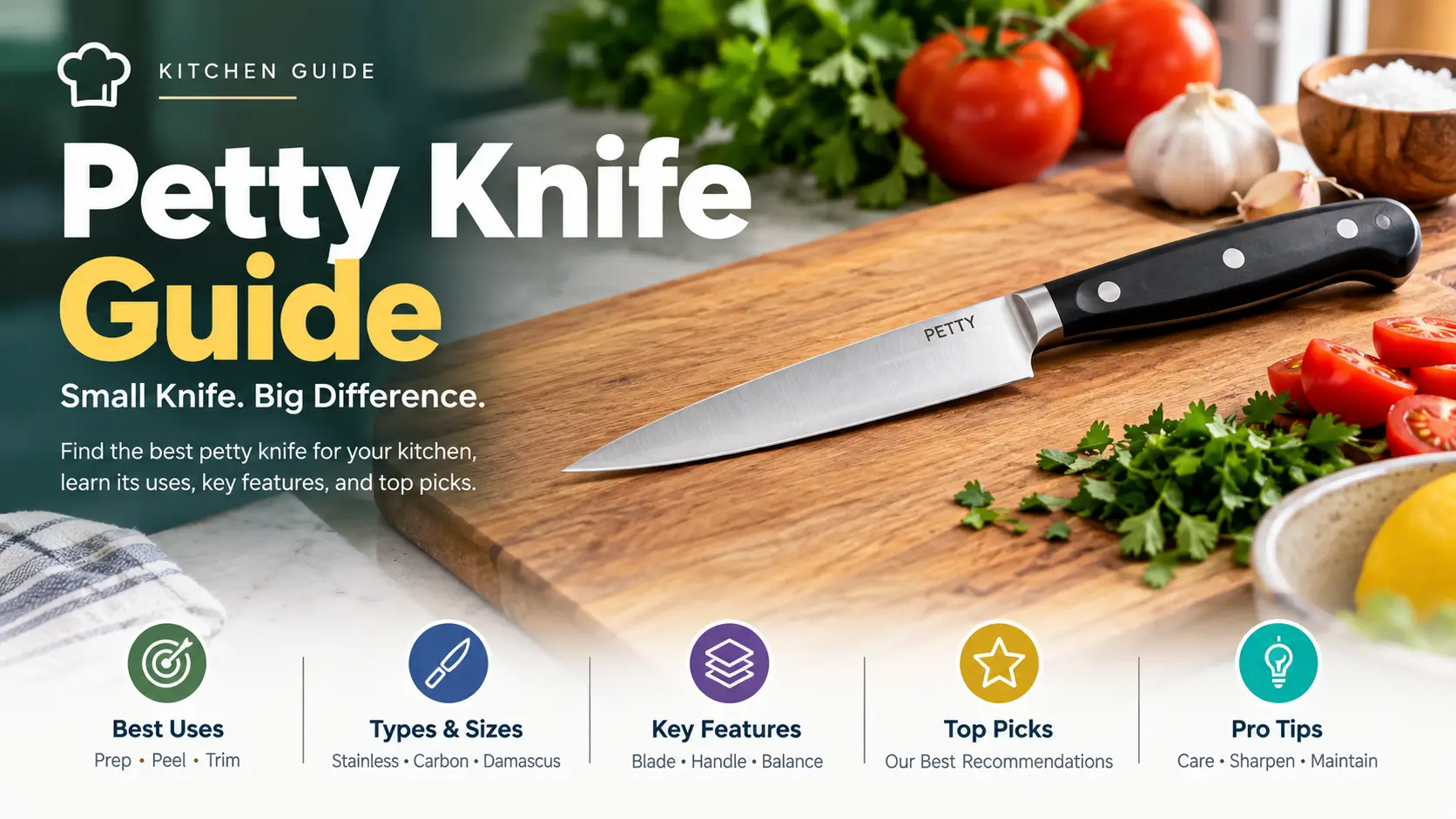
A petty knife is a small, versatile kitchen blade for precise prep tasks.
I have used, tested, and taught knife skills for years, and this petty knife guide will help you choose, use, and care for a petty knife with confidence. This guide explains what a petty knife is, which styles and steels work best, real-world tips from experience, and simple techniques to improve prep speed and safety. Read on to master the petty knife and get better results in the kitchen.
What is a petty knife and why it matters
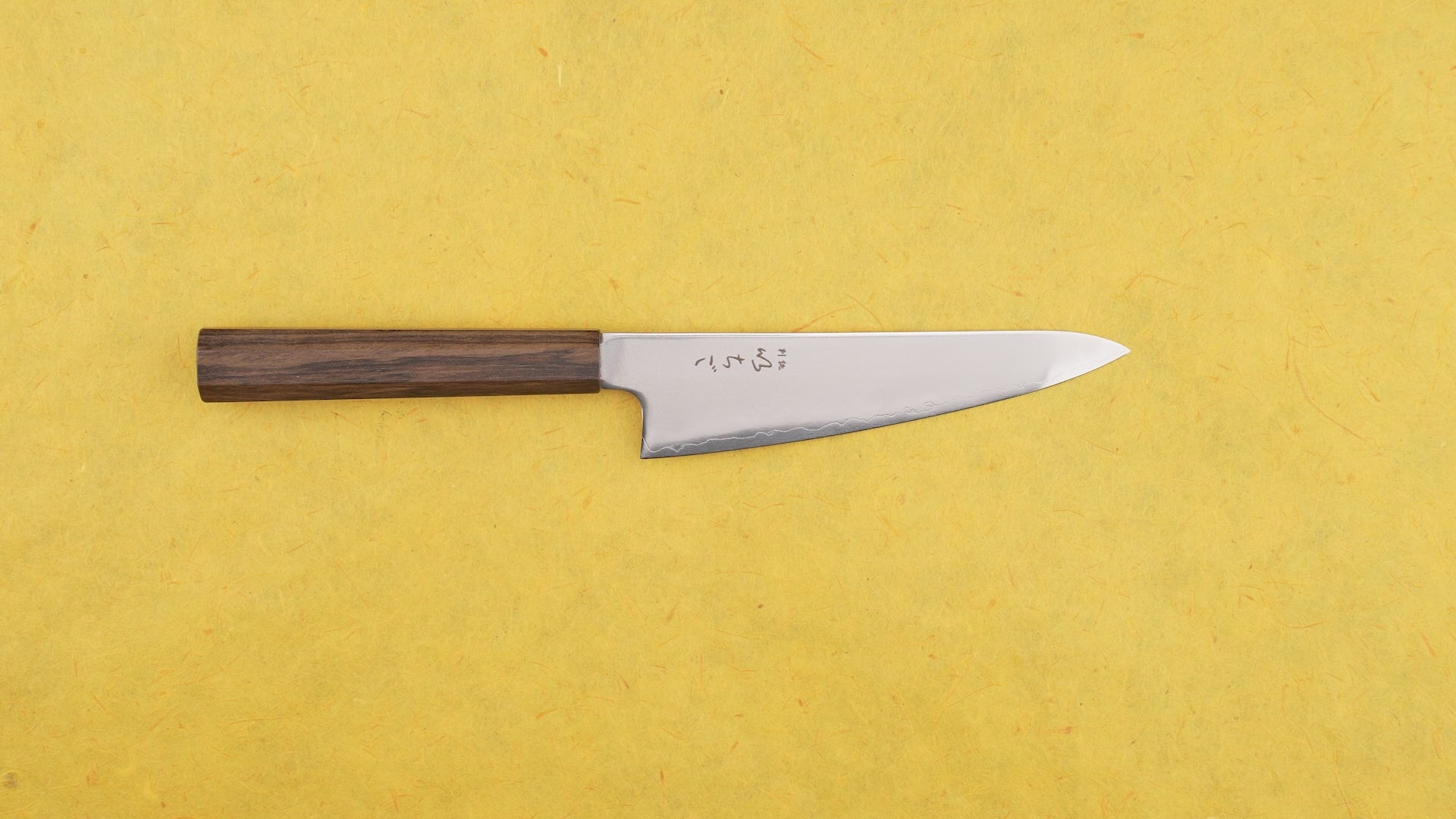
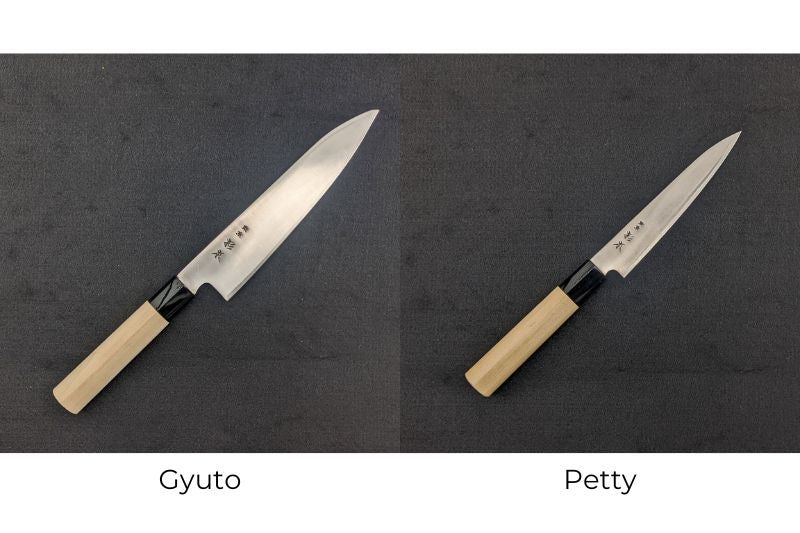
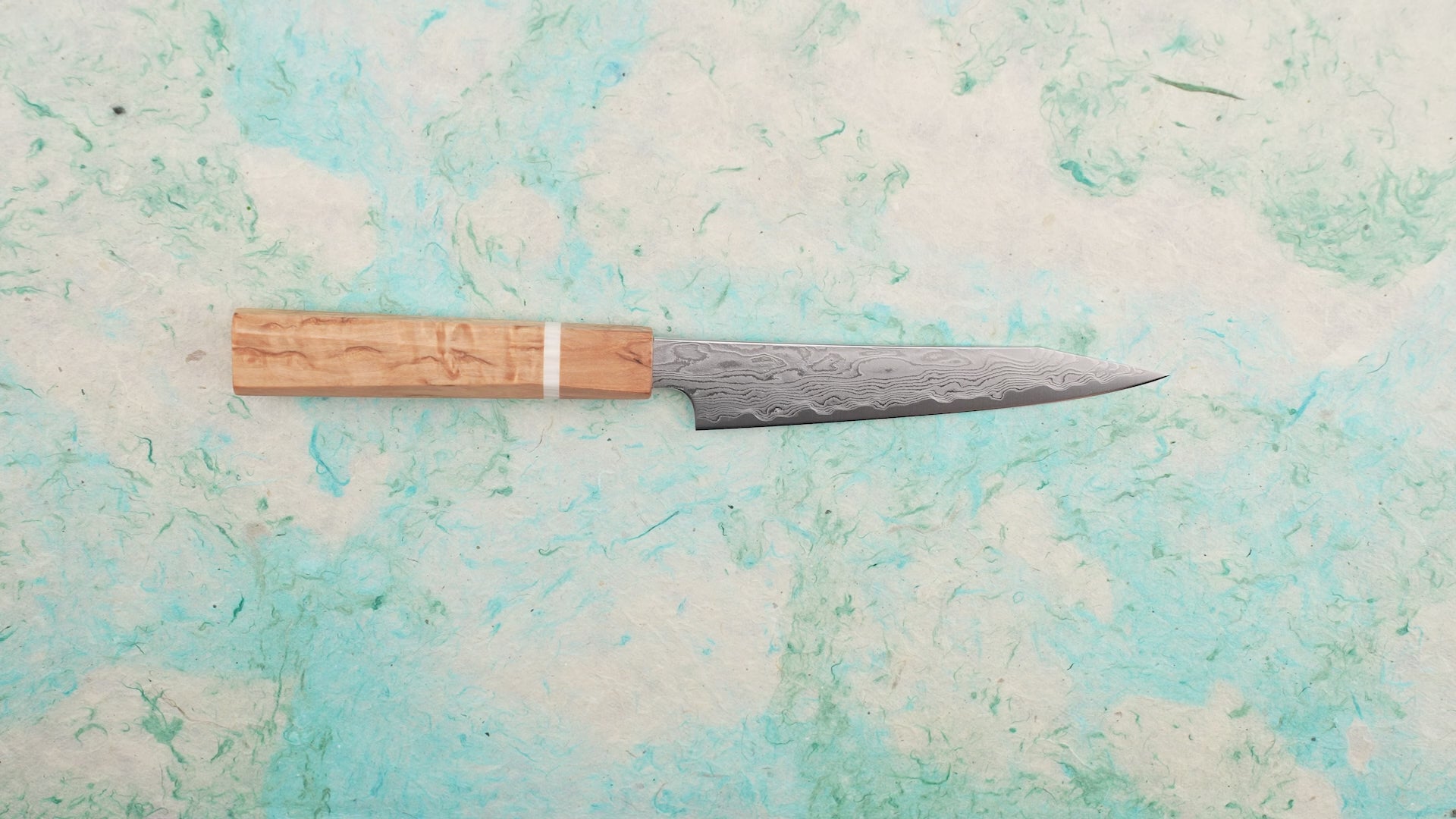
A petty knife is a small utility blade. It sits between a paring knife and a chef’s knife in size. Typical blades measure 120–180 mm. The petty knife is for fine work. Tasks include trimming, peeling, slicing small vegetables, and detailed meat prep.
Why this petty knife guide matters
A good petty knife makes prep faster and safer. It saves time when you need control and precision. This petty knife guide helps you spot quality, pick the right shape, and use it well.

How to choose the right petty knife
Choose a petty knife by fit, blade shape, steel, and balance. Try these steps.
- Handle comfort: Hold the knife. Your fingers should sit naturally on the handle.
- Blade length: Pick 120–180 mm based on tasks and hand size.
- Blade shape: Straight edge for slicing. Belly for rocking. Pointed tip for detail.
- Steel type: Harder steel holds an edge longer but may be brittle. Softer steel is easier to sharpen.
- Tang and balance: Full tang gives strength and balance.
- Weight: Lighter models reduce fatigue during long prep sessions.
Practical buying tips
- Test the grip feel if possible.
- Read reviews from cooks with similar needs.
- Buy from brands with good sharpening and warranty support.
This petty knife guide emphasizes fit and task match. A wrong size hurts speed and comfort.
Materials and construction explained
Blade steel matters a lot. Here are typical options.
- High-carbon stainless steel: Good edge retention and rust resistance.
- Stainless steels with higher chromium: Resist corrosion well.
- Tool steels: Very hard, excellent edge, need care.
Handle materials and construction
- Wood handles: Warm and traditional. Require care to avoid swelling.
- Pakkawood or composite: Durable and water-resistant.
- Synthetic handles: Low maintenance and grippy.
Edge geometry and finish
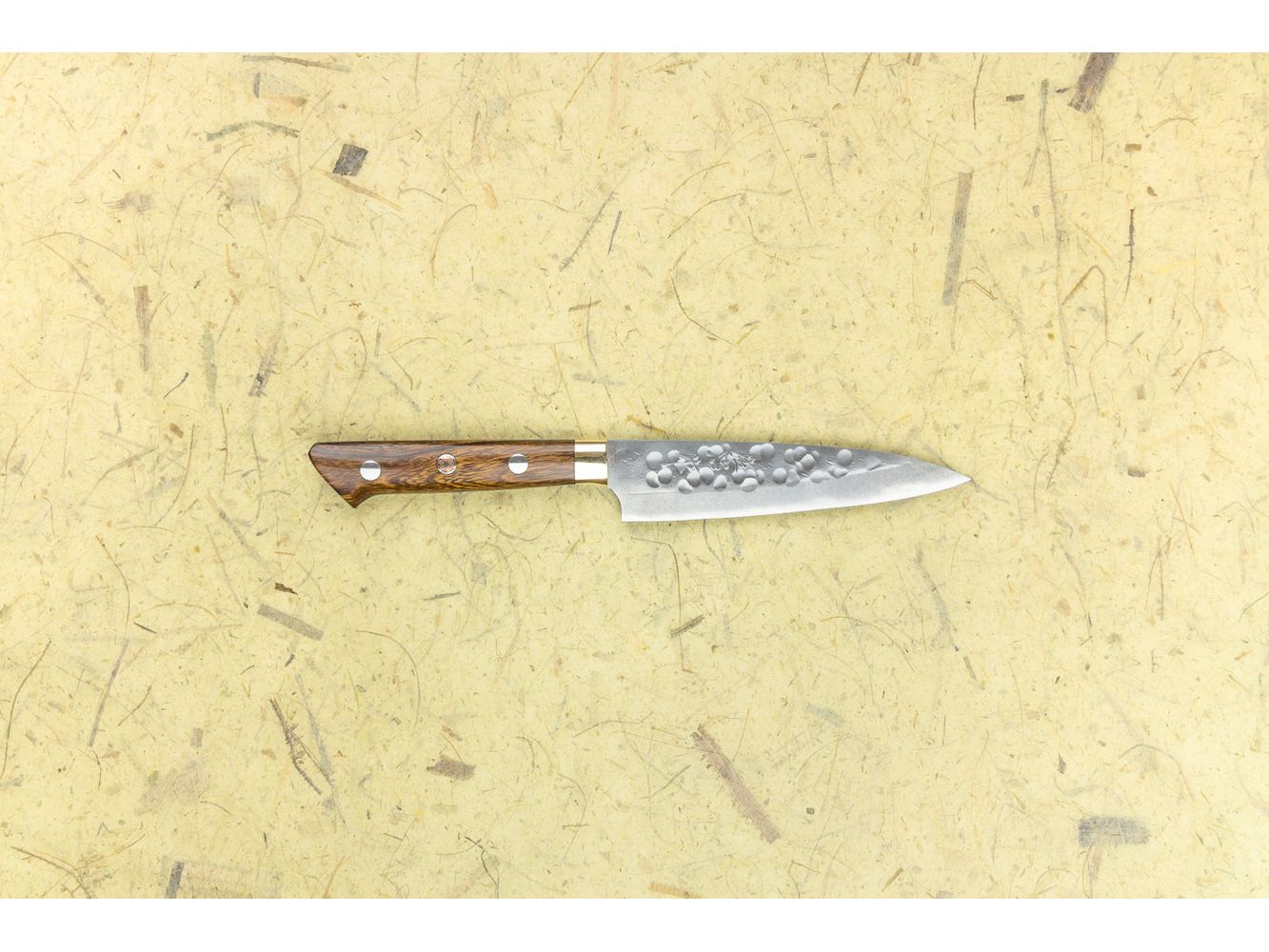
- Thin edges slice better. Look for 15–20 degree per side angles.
- Bevel type: Double-bevel is common for Western knives.
- Finish: A polished edge often slides through food more cleanly.
This petty knife guide helps you match steel and handle to daily use. Choose steel based on sharpening skill and care willingness.
Care, sharpening, and storage
Proper care extends life and performance. Follow simple routines.
- Hand wash only: Soap and warm water, then dry.
- Hone regularly: Use a honing rod before each session.
- Sharpen when needed: Sharpen with stones or guided systems at 15–20 degrees.
- Avoid dishwashers: They dull and damage blades.
- Store safely: Use a block, magnetic strip, or sheath.
Sharpening steps (basic)
- Soak stone if required.
- Hold blade at 15–20 degrees.
- Push and pull evenly across stone.
- Check burr and repeat on other side.
- Strop or polish the edge.
This petty knife guide stresses simple maintenance. Small daily habits keep the blade ready.

Techniques and uses: what a petty knife can do
The petty knife shines at small and precise tasks. Learn these techniques.
- Trimming: Remove fat and silver skin from small cuts.
- Peeling: Use controlled pulls for thin peels.
- Segmenting citrus: Cut membranes and carve clean segments.
- Herb work: Mince and chiffonade without bruising.
- Garnishes and decorative cuts: Create fine shapes and slivers.
People also ask
How do I hold a petty knife?
Pinch the blade with thumb and forefinger. Wrap other fingers on the handle. This gives precise control.
Is a petty knife the same as a paring knife?
No. A petty knife is larger and more versatile than a paring knife. It handles more tasks and offers better balance.
This petty knife guide shows you small moves that make a big difference.
Common mistakes and how to avoid them
Avoid these pitfalls to get the most from your petty knife.
- Choosing wrong size: Too big or small reduces control.
- Using it for heavy tasks: Don’t use petty knives to cut bones.
- Neglecting sharpening: A dull petty blade is unsafe.
- Poor storage: Loose in a drawer invites nicks and injury.
Quick fixes
- Use a chef’s knife for heavy jobs.
- Keep a small stone or sharpener handy.
- Buy a proper sheath or magnetic rack.
This petty knife guide highlights common errors so you stop damaging knives and yourself.

Personal experience and field-tested tips
I’ve used petty knives daily in home and professional kitchens. Here are what I learned.
- The right petty knife saves three to five minutes per prep task.
- A 150 mm petty blade fits most hands and most jobs.
- I prefer high-carbon stainless with a pakkawood handle for balance.
- Hone before each use. It keeps precision and lowers the need for frequent sharpening.
- When teaching, I see faster skill gains with a good petty knife.
Lessons learned
- Don’t buy solely on price. Cheap petty knives dull fast.
- Try before you buy when possible. Comfort matters more than looks.
- Keep a small, portable stone for travel and small kitchens.
This petty knife guide brings real-use feedback. Try these tips in your next prep session.
Buying checklist and top use cases
Use this checklist before purchase.
- Blade length 120–180 mm
- Comfortable handle fit
- Full or partial tang
- Suitable steel for your sharpening skills
- Warranty or good return policy
Top use cases for the petty knife
- Small vegetable prep and peeling
- Finishing protein trim work
- Precise slicing for garnishes
- Baking prep like slicing citrus and chocolate
This petty knife guide gives a practical shopping and use list. Keep it near your shopping cart.

Frequently Asked Questions of petty knife guide
What is the ideal blade length for a petty knife?
The ideal length is usually 120–180 mm. Choose the length that fits your hand and tasks.
Can a petty knife replace a chef’s knife?
No. A petty knife complements a chef’s knife for fine work. Use both for best efficiency.
How often should I sharpen a petty knife?
Sharpen when the blade resists slicing cleanly. Hone before every use to extend intervals between sharpening.
Is a petty knife good for deboning small fish?
Yes. A petite petty knife with a pointed tip works well for small fish. Avoid using it on large bones.
Should I choose stainless or carbon steel?
Pick stainless if you want low maintenance. Choose high-carbon if you want easier sharpening and longer edge retention.
How do I transport a petty knife safely?
Use a sheath or a dedicated knife roll. Secure blades to avoid contact and injury.
Can beginners use a petty knife safely?
Yes. The petty knife is beginner-friendly because of its size and control. Practice grips and cutting motions first.
Conclusion
This petty knife guide covered what a petty knife is, how to choose one, care basics, and real techniques to use it well. Start by selecting the right size and steel that fit your needs. Practice the simple handling and maintenance tips to keep the blade sharp and safe.
Takeaway: invest in a petty knife that feels right, maintain it with short daily habits, and use it for precise tasks to speed prep and improve results. Try one of the recommended sizes in this guide, practice basic cuts, and share your experiences in the comments or subscribe for more gear and skill guides.
Maliha Khatun has spent 5 years hands-on testing Japanese knives for everyday home cooks. She has evaluated over 60 blades across nakiri, santoku, gyuto, and petty categories — scoring each on edge retention, steel quality, handle comfort, and value for money. She writes to help home cooks buy the right knife without the guesswork.
Expertise:Japanese Knives • Vegetable Knives • Product Reviews • Kitchen Efficiency • Knife Care
Leave a Reply