KnifeScope is reader-supported. When you buy through links on this page, we may earn a small commission at no extra cost to you.
If you have large hands, you have probably felt it: knuckles hitting the board on every chop, a handle that disappears inside your fist, a pinch grip that never feels secure. Most kitchen knives are designed around an average hand, and “average” may not be you.
The fix is not just “buy a bigger knife”. It is about handle length, handle shape, blade height and balance working together. This guide shows you what to look for and how to check fit at home.
Why size matters in a knife for large hands guide
Large hands change how a knife feels and performs. A handle that is too short or too thin forces awkward grips and lowers control. This knife for large hands guide shows why fit matters for safety, cutting power, and comfort. When you match handle shape and blade style to your hand size, tasks get easier and injuries drop.

Key features to look for in a knife for large hands guide
Choosing A knife for large hands guide means focusing on a few core features. Look for handle length, tang design, grip thickness, and lock reach. Also consider blade length, weight balance, and thumb position. These details affect how the knife fits your palm, how you hold it, and how safely you use it.
Handle shapes and materials that suit large hands
Handle shape is the first place to upgrade for larger hands. Simple rules:
- Look for longer handles. Aim for 4.5 inches or more on folding knives and 5 inches plus on fixed blades.
- Prefer thicker grips. A thicker handle fills your palm and reduces strain.
- Choose ergonomic contours. Scales that follow finger curves give a secure hold.
- Pick materials with grip. G10, micarta, rubber, and textured thermoplastics resist slip.
I once used a slim-handled knife for a full day of camp prep. My hand cramped and my cuts were less precise. Switching to a knife with a longer, thicker handle felt night-and-day better. That experience is why handle fit is vital in this knife for large hands guide.

Blade length, profile, and steel for big-handed users
Blade size affects reach and balance. For large hands, pick a blade that keeps your hand well back of the point. Consider:
- Blade length between 3.5 and 4.5 inches for general tasks.
- Drop-point or clip-point for versatile use and control.
- Thicker blades for heavy work and thin blades for slicing.
- Stainless steels like S35VN or VG-10 for edge retention and easy care; carbon steels for toughness if you maintain them.
This knife for large hands guide recommends balancing blade length with handle length. A long handle with a tiny blade still feels awkward. Match proportions for best feel.
Locking mechanisms and one-handed use
Lock choice matters for safety and reach. Good options for big hands:
- Frame lock and liner lock with deep cutouts for finger placement.
- Axis-style locks for smooth action and ambidextrous use.
- Back locks with long levers that are easier to reach.
Test how easily you can release and close the lock with your actual grip. I found axis and frame locks often feel most secure with larger thumbs and longer reach. This is a key point in any knife for large hands guide.
Fit, feel, and testing methods before you buy
Never buy sight unseen if you have large hands. Test like this:
- Hold the knife in a neutral grip and a power grip.
- Press the thumb where you will rest it. Check for Pressure points.
- Try opening and closing it one-handed.
- If possible, use the knife for a simple cut test or food prep demo.
I use a tape measure and simple rules. If your palm width is over 4 inches, aim for a handle length that lets the heel of your palm rest behind the guard. Simple tests prevent costly mistakes in this knife for large Hands guide.
Top knife types and models for large hands
Different knife types fit different needs. This knife for large hands guide covers models and styles that tend to suit big hands:
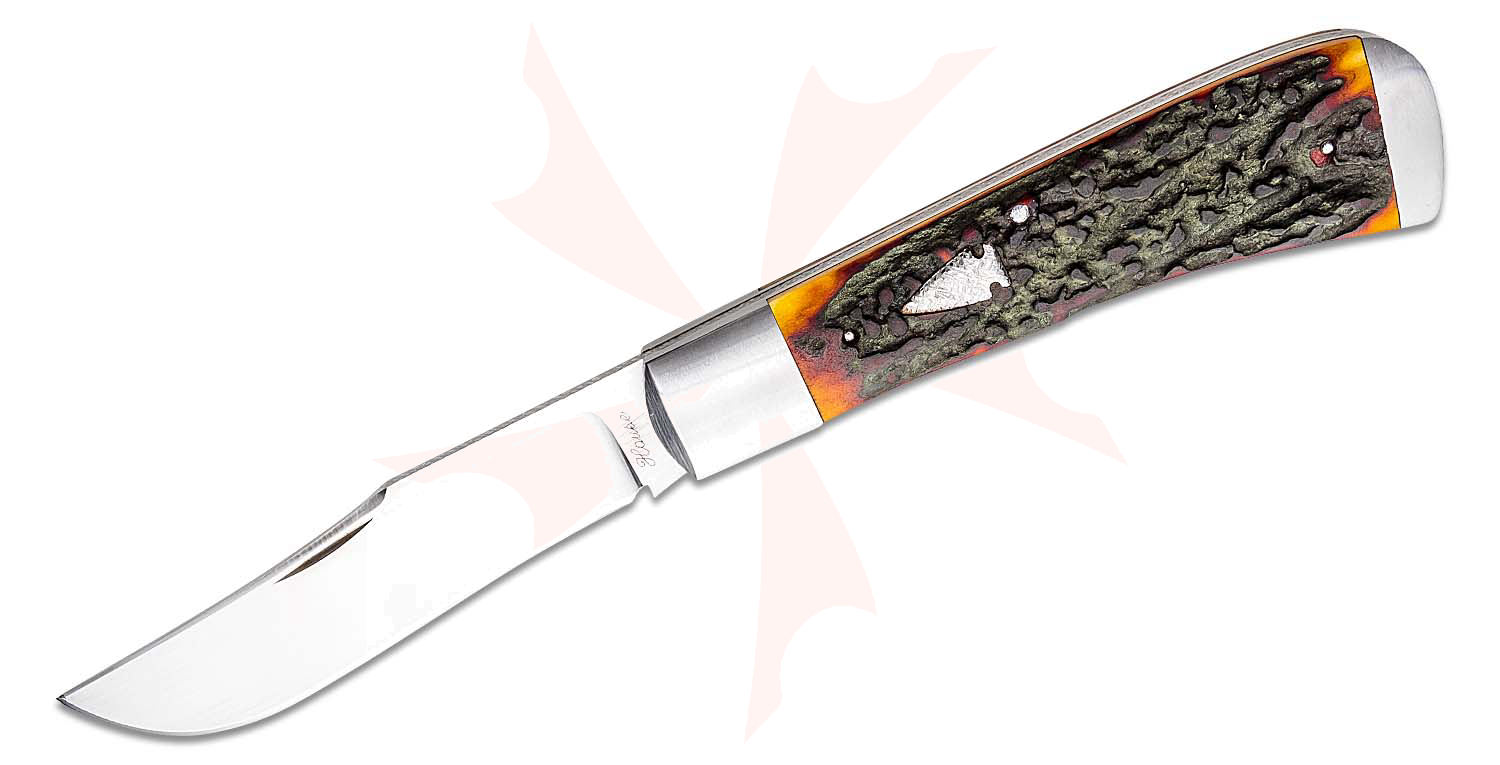
- Folding knives with long handles and ergonomic scales for everyday carry.
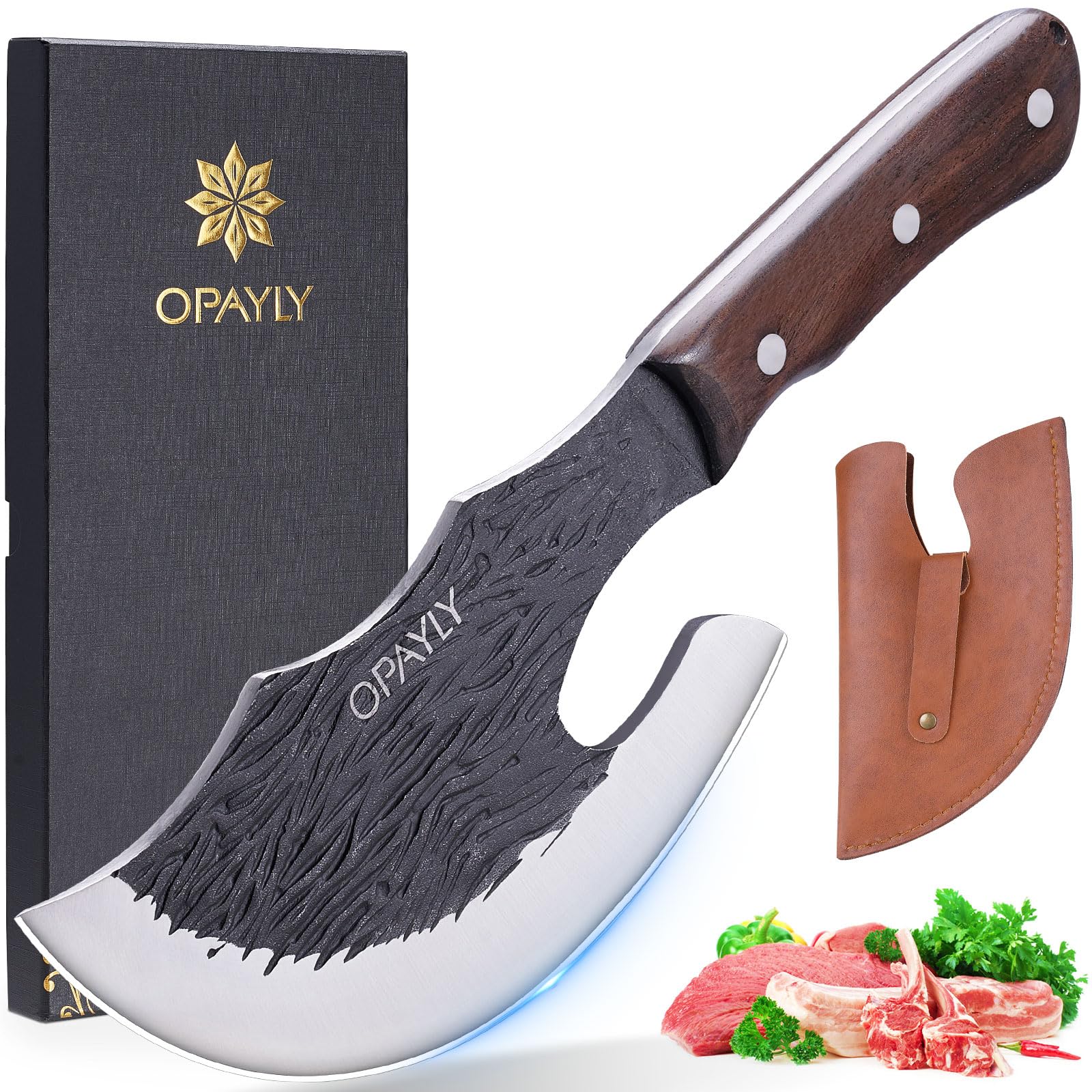
- Fixed-blade bushcraft knives with full tangs and wide handles for outdoor work.
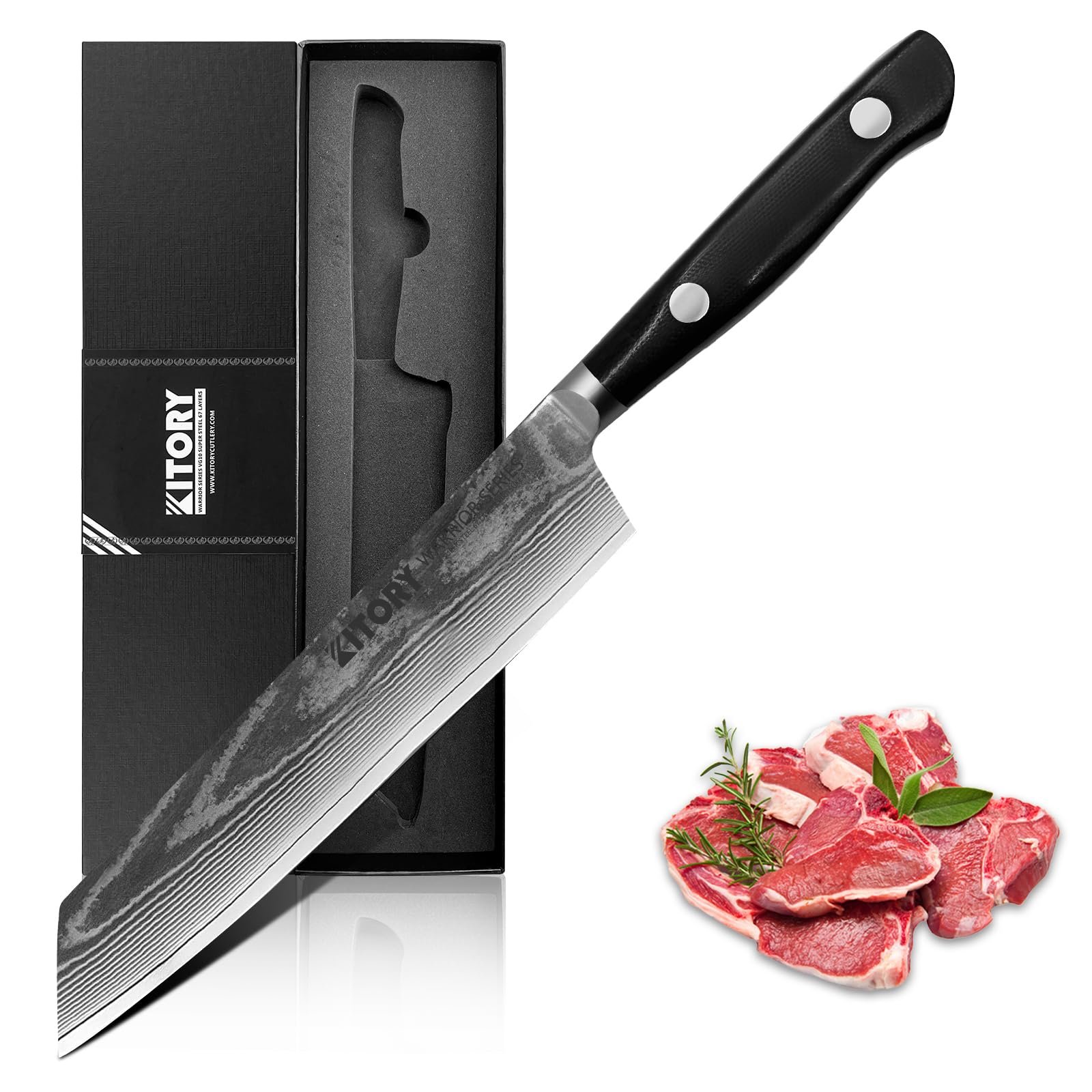
- Chef knives and kitchen knives with long, thick handles for safe chopping.
- Tactical folders with extended handles and strong locks for heavy use.
Brands and models vary, but the pattern is the same: longer handle, thicker scale, and easy-to-reach lock or spine. Choose the type that matches your main use.

Care, maintenance, and sharpening for large-hand owners
Keeping a knife sharp and safe matters more when you rely on a specific grip. Follow these tips:
- Keep a Consistent sharpening angle to preserve bite and reduce slips.
- Clean handle materials as recommended to keep grip texture.
- Tighten pivot screws on folders to maintain stable lock engagement.
- Oil moving parts lightly to keep opening smooth.
When a knife moves well and holds an edge, you press less and control more. That reduces hand fatigue—important for people with large hands and a major focus of this knife for large hands guide.

Buying tips and mistakes to avoid
Avoid common traps that Make knives feel small:
- Do not pick a knife by blade size alone.
- Do not buy slim-handled knives because they look sleek.
- Avoid locks that require tiny thumb placement.
- Try before you buy, and ask for return or exchange options.
A helpful tip: bring a glove that fits you when you try knives. Gloves mimic real use and reveal fit issues fast. This simple step has saved me time and regret and is a practical suggestion in this knife for large hands guide.
Practical scenarios and use-case advice
Match the knife to how you plan to use it. Examples:
- Everyday carry: choose a folding knife with a 4.5-inch handle and secure lock.
- Outdoor work: pick a fixed blade with a full tang and textured micarta scales.
- Kitchen use: look for chef knives with long, oval handles that let you pinch and guide.
Real-life testing matters. I once cooked a full meal with a compact chef knife and wished for more handle. That led me to prioritize handle length in every knife for large hands guide I write.
Quick fit check: numbers that help
| Feature | What suits large hands |
|---|---|
| Handle length | At least 5 inches (13 cm); longer if your glove size is XL |
| Blade height at heel | 48 mm or more, so knuckles clear the board |
| Blade length | 8 to 10 inch (210 to 240 mm) gyuto or chef knife |
| Handle shape | Octagonal or oval wa handle, or a full Western handle with a gentle belly |
| Weight | Medium (170 to 230 g) usually feels more controlled than ultra-light |
A simple test: hold the knife in a pinch grip with the blade flat on the board. If your knuckles touch the board before the edge does, the blade is too short in height for you.
Frequently Asked Questions of knife for large hands guide
What makes a knife suitable for large hands?
A suitable knife has a longer, thicker handle with ergonomic shaping. The lock or spine should be easy to reach with your thumb.
How do I measure my hand for the right knife?
Measure from the base of your palm to the tip of your middle finger and the width across your palm. Use those numbers to compare handle lengths and widths.
Can I use aftermarket scales to improve fit?
Yes, aftermarket scales can add thickness and grip. Choose reputable makers or have a pro fit them for best results.
Is blade length more important than handle length?
No, handle length is often more critical for control and comfort. Match blade size to task, but never sacrifice handle fit.
Are certain steels better for large-hand users?
Steel choice affects edge life, not fit. Choose a steel you can maintain and pair it with the right handle for comfort.
Conclusion
For big hands, blade height and handle length matter more than brand names. Look for a tall 8 to 10 inch blade, a handle of 5 inches or more, and a shape you can grip without squeezing. Get those right and chopping stops feeling cramped.
Maliha Khatun has spent 5 years hands-on testing Japanese knives for everyday home cooks. She has evaluated over 60 blades across nakiri, santoku, gyuto, and petty categories — scoring each on edge retention, steel quality, handle comfort, and value for money. She writes to help home cooks buy the right knife without the guesswork.
Expertise:Japanese Knives • Vegetable Knives • Product Reviews • Kitchen Efficiency • Knife Care
Leave a Reply