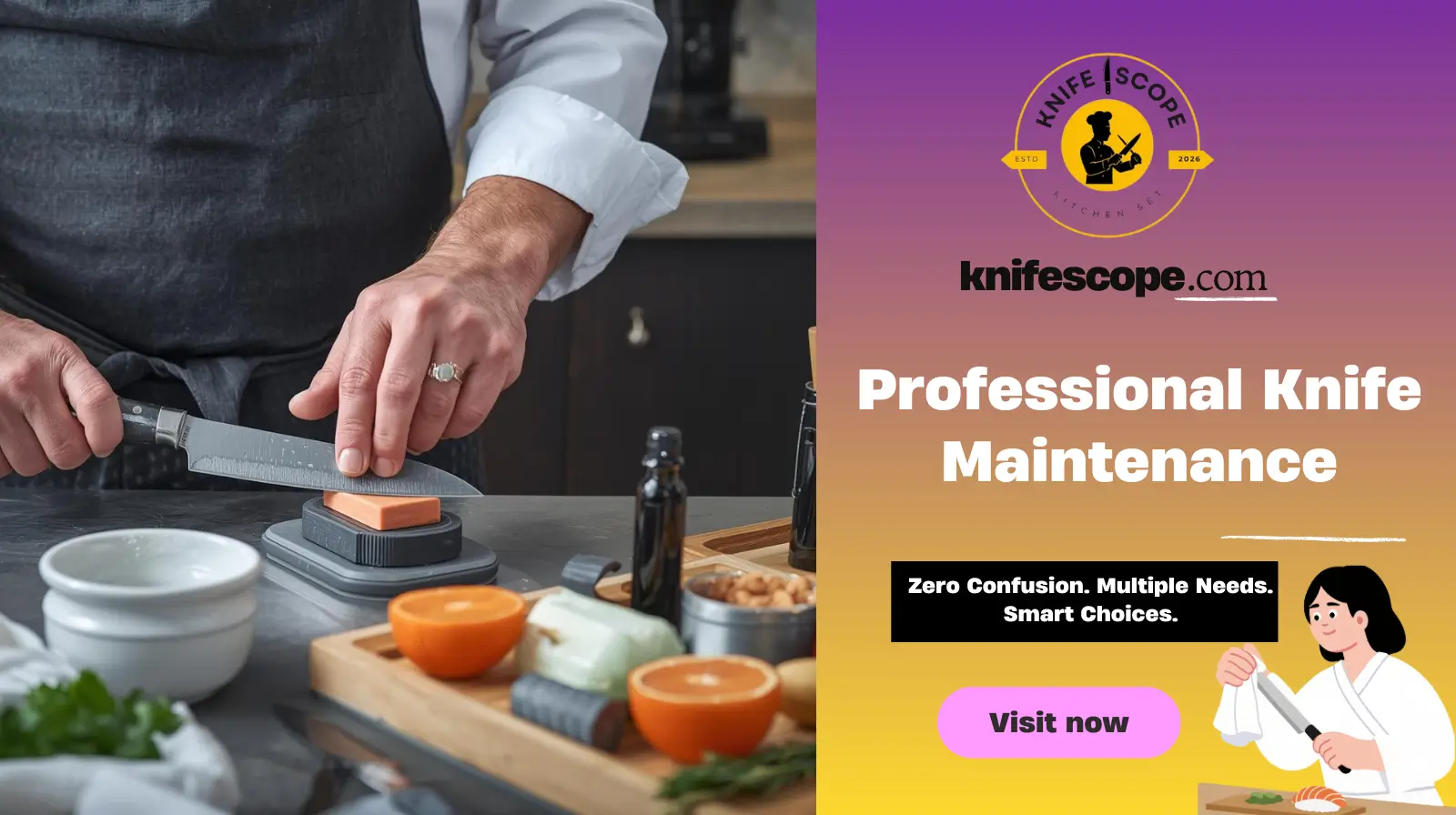
Professional knife maintenance keeps blades sharp, safe, and long-lasting with simple daily habits.
If you cook often, you know a clean, sharp knife feels like magic. I have maintained thousands of blades in busy kitchens and home studios. In this guide, I will show you a clear, pro level system for professional knife maintenance. You will learn what to do each day, each week, and each month so your knives cut better, last longer, and stay safe.

What Professional Knife Maintenance Really Means
Professional knife maintenance is a repeatable care routine. It mixes daily care, regular honing, and timely sharpening. It also covers cleaning, storage, and safety. The goal is control, not guesswork.
Think of your blade like a car. You do small checks often and deeper service on a schedule. You prevent problems before they grow. This saves time and money.
A sharp knife is safer than a dull one. Studies show less force lowers slip risk. That means fewer cuts and more speed on the line. Good edges pay for themselves.
A pro routine also respects steel type and blade design. A chef’s knife, petty, and boning knife each need a plan. With the right habit, you get steady results every time.

Source: rrvalve.com
Tools You Need for Professional Knife Maintenance
You do not need every tool. You need the right ones for your knives and your space. Start simple. Add more as you build skill.
Core tools to keep on hand:
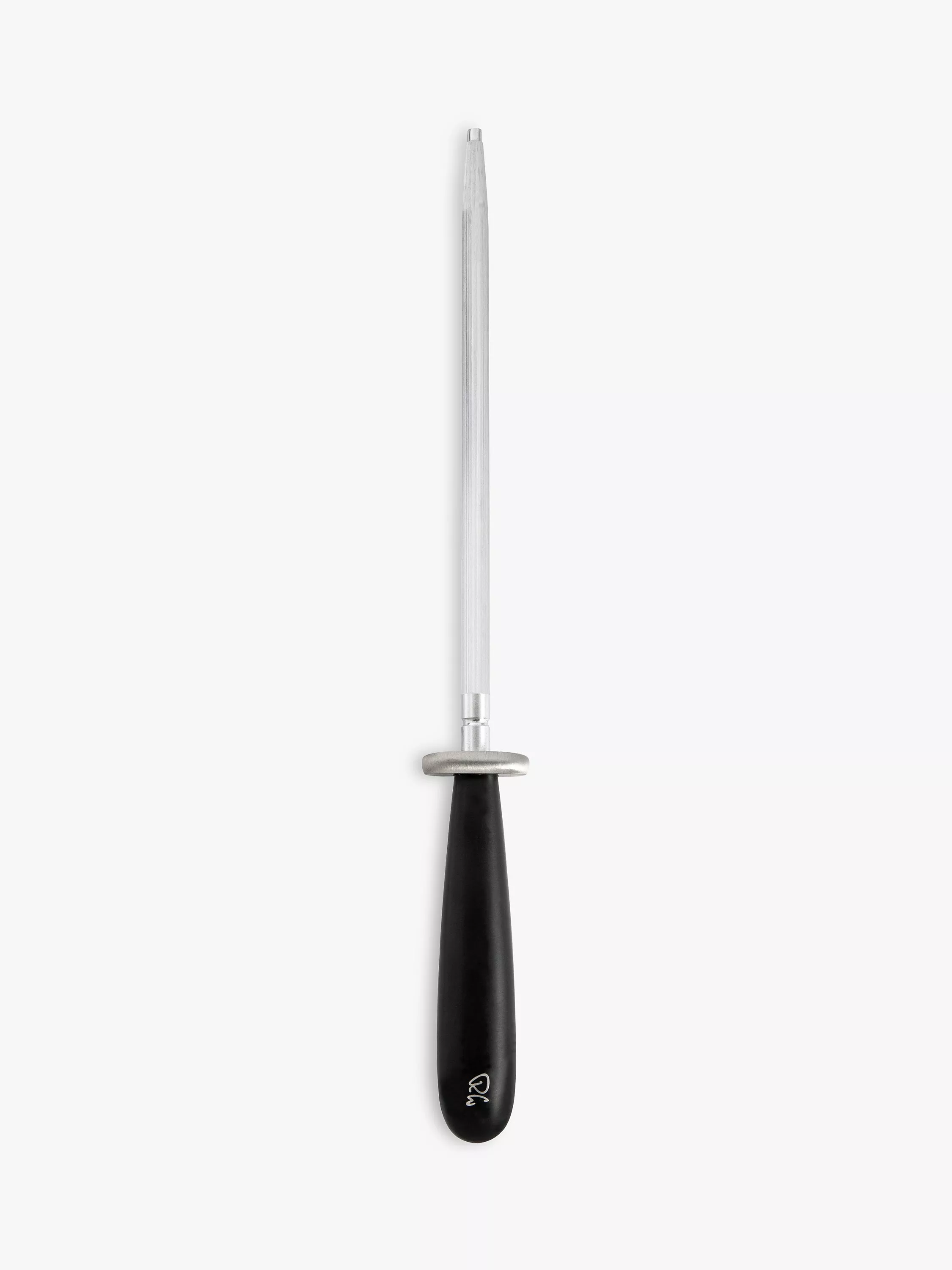
- Honing rod in ceramic or steel for daily edge alignment
- Whetstones in a coarse, medium, and fine grit
- Angle guide clips or a guided system
- Strop with leather or balsa and fine compound
- Non-slip mat or stone holder
- Marker and ruler for angle checks
- Clean towels and mild dish soap
- Rust eraser and food-safe oil for carbon steel
- Blade guards or a slotted knife rack
Match tools to your knives. Harder steel holds a thin edge but may need finer stones. Softer steel may need more frequent honing. Choose tools that fit your blades and your time.

Source: amazon.com
Honing vs Sharpening: When and How
Honing and sharpening are not the same. Honing realigns the edge. Sharpening removes steel to form a new edge. Both matter in professional knife maintenance.
Honing is quick. Do it before service or prep. Use light pressure and steady strokes. Ten passes per side is plenty. If a tomato still squishes, it is time to sharpen.
Sharpening takes more time. You do it when honing no longer helps. Use a stone or a guided tool. Build a burr, then refine. Finish with a strop for bite and polish.
A simple rule:
- Hone daily or as needed during prep
- Sharpen every few weeks in a pro kitchen
- Sharpen every 2–8 weeks at home, based on use
Source: com.br
Step-by-Step Sharpening Methods
You can sharpen on stones, rods, or guided systems. Pick one and master it. Consistency beats gear.
Sharpening on whetstones:
- Soak water stones if needed. Keep them flat and clean.
- Color the edge with a marker to track your angle.
- Set your angle. Common is 15–20 degrees per side.
- Start on a medium grit. Use even, light strokes. Feel for a burr along the edge.
- Flip the blade. Raise a burr on the other side.
- Move to a fine grit. Remove the burr with lighter strokes.
- Strop a few passes to clean the edge.
Using a guided system:
- Clamp the blade securely and set the angle.
- Start with the medium abrasive. Work until you raise a burr.
- Progress through finer grits. Keep strokes even and gentle.
- Finish with light passes. Remove the burr and test your cut.
Using a ceramic rod for touch-ups:
- Hold the rod vertical on a towel.
- Draw the blade heel to tip at a steady angle.
- Make five to ten light passes per side.
- Test on paper or a tomato skin. Stop once it bites clean.
Pro tip: Stop as soon as the edge is crisp. Over-sharpening wastes steel and shortens blade life. In professional knife maintenance, less is often more.

Source: amazon.com
Daily, Weekly, and Monthly Maintenance Schedule
A schedule keeps you on track. It also makes results easy to repeat. Use this as a baseline and adjust for your knives.
Daily:
- Hone before prep or service
- Wash by hand and dry at once
- Store in a safe rack or guard
Weekly:
- Inspect for rolls, chips, and rust
- Clean handles and ferrules
- Light strop to refresh the bite
Monthly:
- Full sharpening session on stones
- Flatten your stones
- Oil carbon blades and check all screws or rivets
High-volume kitchens may sharpen every 1–3 weeks. Home cooks may go 4–8 weeks. Track how many prep hours your knife sees. Professional knife maintenance thrives on simple tracking.

Source: amazon.com
Cleaning, Storage, and Rust Prevention
Knife care does not end at the board. Clean and store your tools right to avoid damage. It takes minutes and saves edges.
Cleaning basics:
- Wash by hand with mild soap and warm water
- Avoid dishwashers due to heat and harsh detergents
- Dry at once, edge away from the towel
Smart storage:
- Use blade guards, a slotted block, or a magnetic strip
- Keep blades spaced to avoid contact
- Never toss knives in a drawer without protection
Rust control:
- Wipe carbon steel with a thin coat of food-safe oil
- Use a rust eraser for spots
- Keep stones and rods dry between sessions
One mistake I see often is leaving knives wet on the line. Water wicks into handles and causes rust. Small habits make a big difference in professional knife maintenance.

Source: masazajelgava.lv
Steel Types and Edge Angles Explained
Not all steel is the same. Steel type shapes how you sharpen and how often. Know your blade to tune your plan.
Common categories:
- German-style stainless is tough and forgiving
- Japanese-style high-carbon steel is hard and keen
- Powder metallurgy steels hold an edge very long
Angle guidance:
- Western chef’s knives cut well at 18–22 degrees per side
- Japanese gyutos and petty knives like 12–16 degrees per side
- Boning and utility blades may need a stronger angle for abuse
Use a marker and a simple angle guide. Check the bevel with good light. Your touch will improve fast. Clear angles are a pillar of professional knife maintenance.
Common Mistakes and How to Avoid Them
I see the same mistakes in shops and homes. The good news is they are easy to fix. Here is what to avoid.
Avoid these habits:
- Pressing too hard while sharpening
- Skipping the burr check
- Switching grits too soon
- Using a steel rod on very hard knives that micro-chip
- Storing unprotected in a drawer
- Using glass or stone cutting boards
Fix them with simple steps:
- Use light, even strokes
- Feel for a burr from heel to tip
- Move up grits only after you form and remove the burr
- Choose a ceramic rod for hard steel
- Store with guards or on a safe strip
- Cut on wood or quality plastic boards
Professional knife maintenance is about control. Keep it calm and steady. Your edges will thank you.
Troubleshooting Edge Problems
Even with care, problems pop up. Learn to read the edge. Then you can fix it fast.
Rolled edge:
- Feels smooth on one side and grabs on the other
- Fix with light honing and a few fine stone passes
Micro-chips:
- Edge feels toothy and snags paper
- Start on a medium stone. Use a few extra passes to clear chips
Uneven bevel:
- One side looks broader than the other
- Count your strokes and use a marker. Balance both sides
No bite after sharpening:
- Likely a wire burr still attached
- Use lighter finishing strokes. Strop and test again
I keep a small log for each blade. Notes on angle, grit, and strokes help. This record speeds up professional knife maintenance and keeps results steady.
Pro Shop Tips from the Bench
These are lessons I learned the hard way. They work in busy kitchens and at home. Use what fits your setup.
Tips that pay off:
- Warm up with five practice strokes on a cheap knife
- Set a timer so you do not overwork one side
- Use edge-leading strokes on coarse stones for speed
- Use edge-trailing strokes on fine stones for polish
- Strop very lightly. Let the leather do the work
- Finish on a damp paper towel to grab any loose burr
- Test on cherry tomato skin or phone book paper
One more tip. Build a simple kit for travel. A medium stone, a fine stone, a small strop, and a ceramic rod. That is all you need for field work and pro-level knife maintenance.
Frequently Asked Questions of professional knife maintenance
How often should I sharpen my knives?
Home cooks can sharpen every 4–8 weeks with daily honing. Pro kitchens often need sharpening every 1–3 weeks.
What is the best angle for most kitchen knives?
Most Western knives like 18–22 degrees per side. Many Japanese knives work best around 12–16 degrees per side.
Can I use a honing steel on hard Japanese knives?
Use a ceramic rod for harder steel to avoid micro-chipping. Keep pressure light and passes slow.
Are pull-through sharpeners safe for my knives?
They are fast but can remove too much steel and scratch bevels. Use them only for quick fixes, not full maintenance.
What cutting board is best for edge life?
End-grain wood is gentle and durable. Quality plastic boards are fine too and easier to sanitize.
Is stropping necessary after sharpening?
Stropping removes leftover burr and adds bite. It takes seconds and boosts edge performance.
Conclusion
Sharp knives make cooking safer, faster, and more fun. With a simple plan for professional knife maintenance, you can keep any blade crisp and ready. Start with daily honing, clean storage, and a monthly sharpening session. Track your angles, use light pressure, and fix small issues early.
Put this plan to work on one knife this week. Feel the difference in your prep. If you want more guides like this, subscribe for updates or drop a question in the comments.

Maliha Khatun has spent 5 years hands-on testing Japanese knives for everyday home cooks. She has evaluated over 60 blades across nakiri, santoku, gyuto, and petty categories — scoring each on edge retention, steel quality, handle comfort, and value for money. She writes to help home cooks buy the right knife without the guesswork.
Expertise:Japanese Knives • Vegetable Knives • Product Reviews • Kitchen Efficiency • Knife Care
Leave a Reply