Keep knives sharp, clean, dry, and stored safely; hone often and sharpen when dull.
If you cook at home, home kitchen knife care is the fastest way to boost speed, safety, and flavor. I’ve tuned hundreds of knives for home cooks and pros, and the truth is simple: sharp beats fancy. In this guide, I’ll walk you through proven, easy habits and pro-level tips so your knives cut cleaner, last longer, and feel great in hand.

Why Home Kitchen Knife Care Matters
A sharp knife saves time, reduces waste, and keeps you safer. Dull blades slip and crush food, which leads to uneven cuts and sore wrists. Well-cared-for knives hold a fine edge that bites, slices, and glides.
Good steel is an investment, but it pays you back with clean cuts and less effort. Home kitchen knife care locks in that return. With a few minutes a week, you can extend edge life by months and get pro results in your own kitchen.
In tests and real kitchens, sharp knives mean cleaner herb cuts, less bruising, and more beautiful slices. You taste the difference.

Source: amazon.com
Know Your Knife: Anatomy and Steel
Understanding your knife helps you care for it the right way.
- Spine and edge: The spine gives strength. The edge does the work. Keep the edge free of chips.
- Heel and tip: The heel powers through dense foods. The tip handles detail work.
- Grind and bevel: Most Western blades use about 20 degrees per side. Many Japanese knives use 12–15 degrees.
- Steel hardness: Western knives often sit around 54–58 HRC. Harder Japanese steels run 60–62 HRC. Harder steel stays sharp longer but can chip if abused.
Personal tip: I keep a softer Western chef’s knife for bones and squash, and a harder Japanese gyuto for fine slicing. That simple split makes home kitchen knife care much easier.
Source: perennialstl.org
Daily Habits That Protect Your Edge
Small habits prevent big damage.
- Use a proper board. Wood or rubber protects the edge.
- Wipe during prep. A quick towel wipe keeps moisture and acids away.
- Never drag the edge. Lift to move food or use the spine to scoop.
- Avoid hard hits. No glass, granite, plates, or frozen foods.
- Hone lightly. Ten gentle passes per side keeps the edge aligned.
I teach beginners this rhythm: cut, wipe, hone, smile. It’s the backbone of home kitchen knife care.

Source: amazon.com
Cleaning and Drying: Do It Right
Water, detergent, and time matter.
- Wash by hand. Use warm water and mild soap right after use.
- Avoid soaking. Prolonged water can swell handles and cause rust.
- Dry at once. Towel-dry, then air-dry a minute before storage.
- Oil carbon steel. A light food-safe oil film prevents rust.
- Skip the dishwasher. Heat, chemicals, and rattling will wreck edges and handles.
When I stopped “soaking and forgetting,” my carbon knives stopped spotting. Simple changes drive better home kitchen knife care.

Source: 18reasons.org
Storage That Saves Edges and Fingers
Safe homes prevent edge damage and accidents.
- Magnetic strip: Great access and airflow. Keep magnets strong and clean.
- Knife block: Classic. Keep slots clean and insert spine first when possible.
- Drawer insert: Protects edges. Choose a snug organizer.
- Sheaths or edge guards: Low-cost, easy for small spaces or travel.
Whatever you choose, avoid loose drawers. That single fix upgrades home kitchen knife care overnight.

Source: amazon.com
Honing vs. Sharpening: What, Why, and When
Honing realigns. Sharpening removes metal to form a new edge.
- Hone: Use a rod to nudge the rolled edge back into line. Quick and frequent.
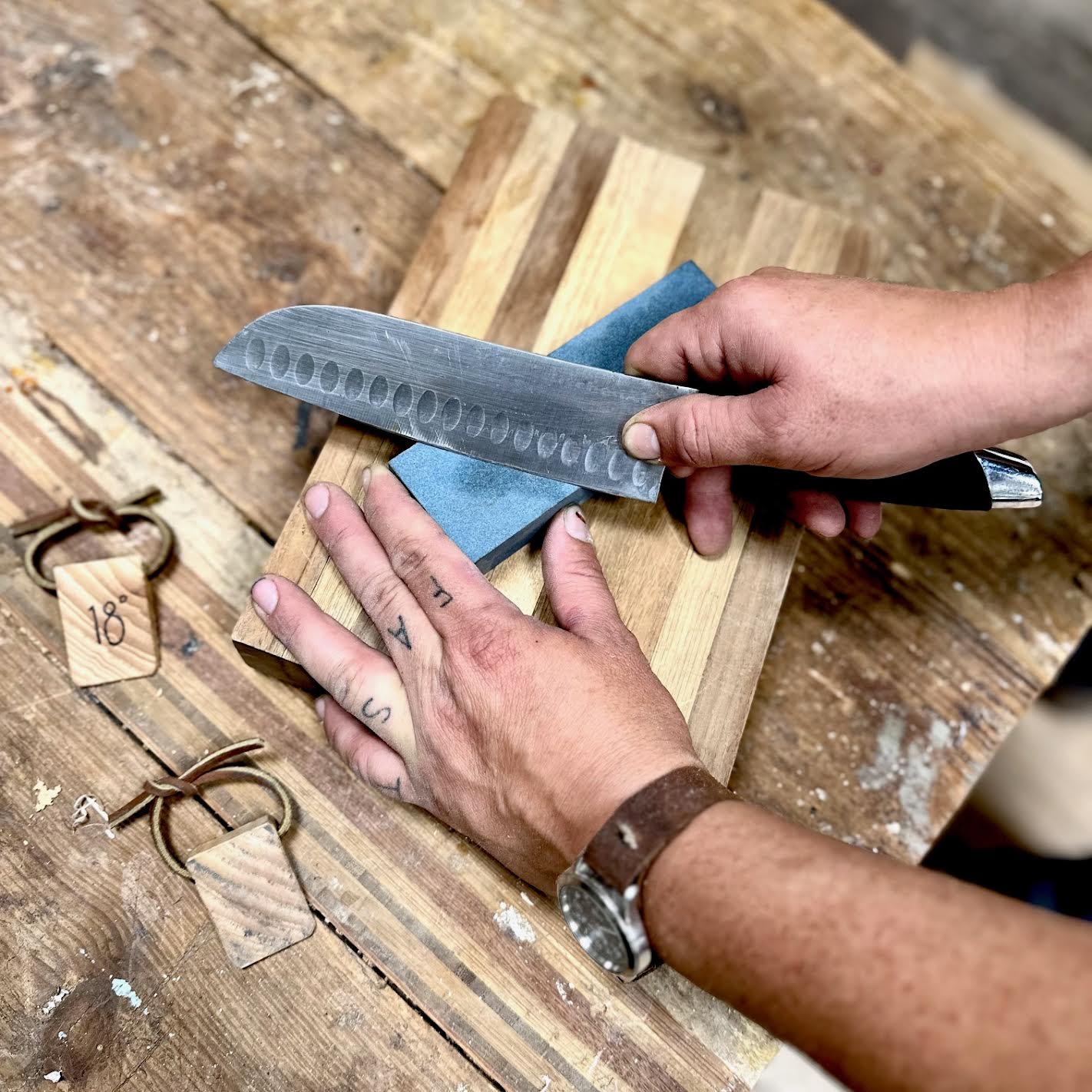
- Sharpen: Use stones or a guided system to rebuild a dull edge. Less frequent but deeper work.
Angles matter. Aim for about 15 degrees per side for many Japanese knives and 20 degrees for Western ones. In my kitchen, I hone before big prep and sharpen every 4–8 weeks, depending on use. This schedule is a core of home kitchen knife care.

Source: 18reasons.org
How to Sharpen at Home
You can get pro results with simple tools and focus.
- Choose a stone set: 1000 grit for shaping, 3000–6000 for refining. If very dull, start at 400–600.
- Mark the edge: A marker line helps track your angle.
- Set the angle: About a matchbook’s height off the stone for many knives.
- Use even strokes: Light pressure. Work heel to tip. Keep passes count matched on both sides.
- Raise a burr: Feel for a tiny wire edge along the opposite side. Then switch sides.
- Refine and strop: Move to higher grit, then strop on leather or newsprint for a clean bite.
- Test: Slice paper, tomato skin, or shave shallow curls from a carrot.
Tip from experience: Less pressure, more patience. Let the stone cut. That gentle approach defines smart home kitchen knife care.

Source: amazon.com
Cutting Boards: Your Knife’s Silent Partner
Your board can make or break your edge.
- End-grain wood: Self-healing and gentle on edges. Maple and walnut are popular.
- Edge-grain wood: Affordable and kind to knives. Needs regular oiling.
- Rubber boards: Grippy, sanitary, and easy on edges.
- Avoid: Glass, stone, ceramic, and hard plates. They blunt edges fast.
- Bamboo: Acceptable but often harder and glued; expect more frequent honing.
Clean boards with warm soapy water and dry well. A monthly oil for wood keeps it stable. A good board is a quiet win for home kitchen knife care.
Source: knifewear.com
Safety, Handling, and Longevity Tips
Sharp and safe go hand in hand.
- Grip: Use a pinch grip on the blade with fingers tucked (claw) on the guide hand.
- Stable station: A damp towel under the board stops slip.
- Mind the tip: Park the knife at the top of the board, not under towels or bowls.
- Respect bones: Use the right tool for bone and hard squash. Don’t twist the edge.
- Rotate knives: Share the load across your set to spread wear.
These small cues reduce chips, slips, and fear. Confidence grows, and so does great home kitchen knife care.
Troubleshooting Common Knife Problems
Fix issues fast to prevent worse damage.
- Edge rolls fast: Likely hard board or bad angle. Hone at the right angle and switch to a softer board.
- Micro-chips: Hard steel or twisting cuts. Use lighter pressure and avoid hard rinds and bones.
- Rust spots: Moisture left behind. Clean and dry right away; oil carbon blades lightly.
- Blade wobbles in handle: Loose rivets or ferrule. Stop using and repair or replace.
- Won’t get sharp: Edge might be fatigued. Reset on a coarser stone and rebuild the bevel.
A quick check-in after each cook keeps home kitchen knife care on track and prevents bigger headaches.
Frequently Asked Questions of home kitchen knife care
How often should I hone my kitchen knife?
Hone lightly every few sessions or before big prep. If you cook daily, hone three times a week.
When do I need to sharpen instead of hone?
If honing no longer restores bite, it’s time to sharpen. Paper test fails and tomato skin tears are signs.
Can I put my knives in the dishwasher?
Do not. Heat, chemicals, and banging dull edges and can crack handles.
What is the best cutting board for edge life?
End-grain wood or quality rubber boards are best. They cushion the edge and slow dulling.
What angle should I use when sharpening?
Use about 20 degrees per side for many Western knives and 12–15 for many Japanese knives. Keep it consistent.
How do I remove rust safely?
Use a soft abrasive like a rust eraser or baking soda paste. Rinse, dry, and oil carbon steel after.
Are pull-through sharpeners okay?
They are fast but can be harsh on edges. Stones or guided systems give better, longer-lasting results.
Conclusion
Great knife care is a small daily habit with big payoffs. Clean right away, dry well, hone often, sharpen on schedule, and store safely. Do these basics and your knives will cut sweeter, straighter, and safer.
Start today: pick one habit to improve, like wiping and drying after every cut. Then add honing before big prep. If this guide helped, subscribe for more gear-smart tips or drop a question in the comments so we can fine-tune your home kitchen knife care together.

Maliha Khatun has spent 5 years hands-on testing Japanese knives for everyday home cooks. She has evaluated over 60 blades across nakiri, santoku, gyuto, and petty categories — scoring each on edge retention, steel quality, handle comfort, and value for money. She writes to help home cooks buy the right knife without the guesswork.
Expertise:Japanese Knives • Vegetable Knives • Product Reviews • Kitchen Efficiency • Knife Care
Leave a Reply